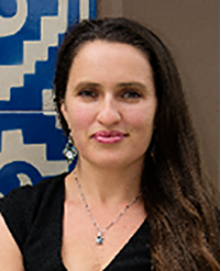
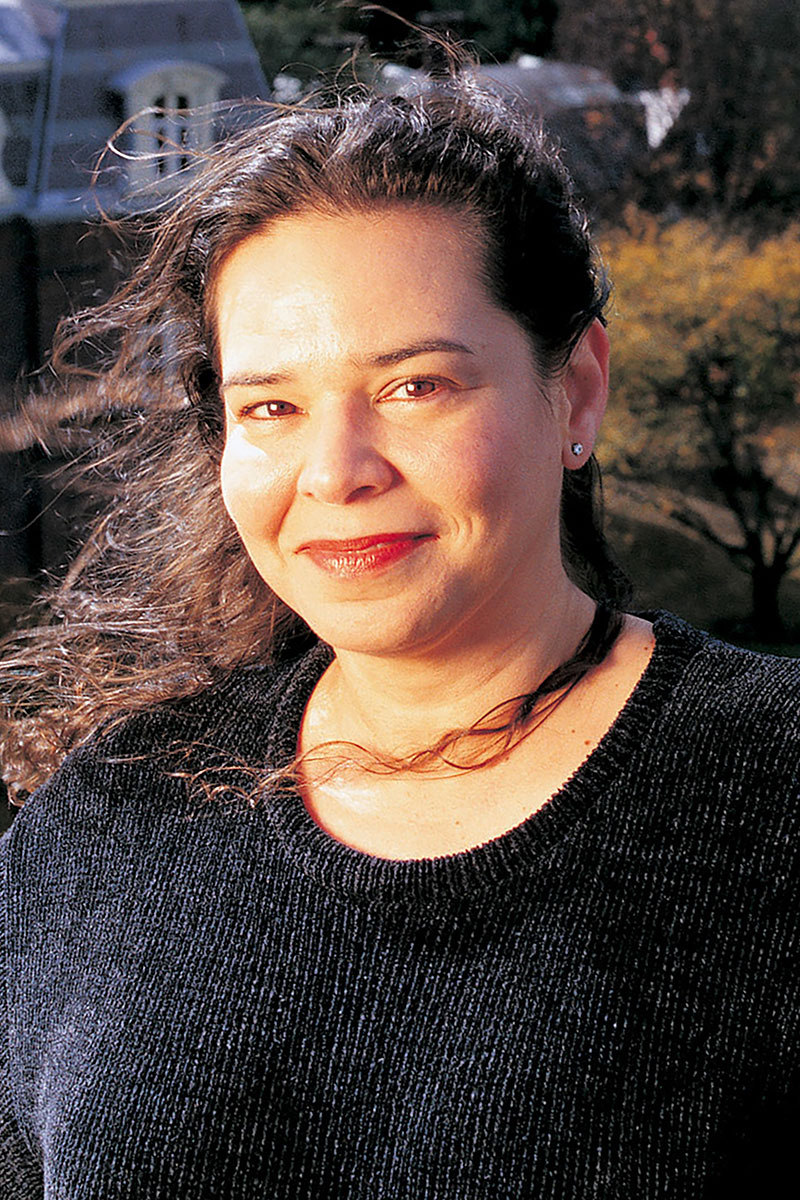
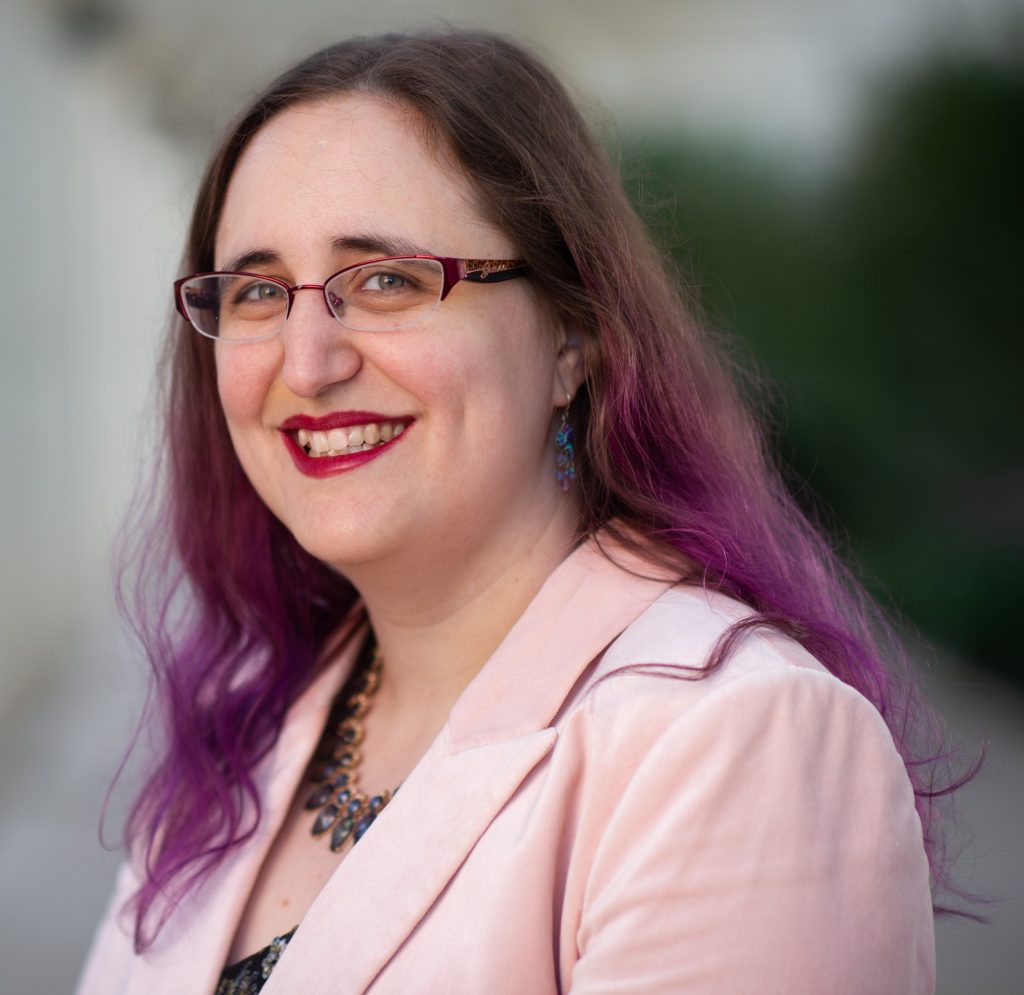
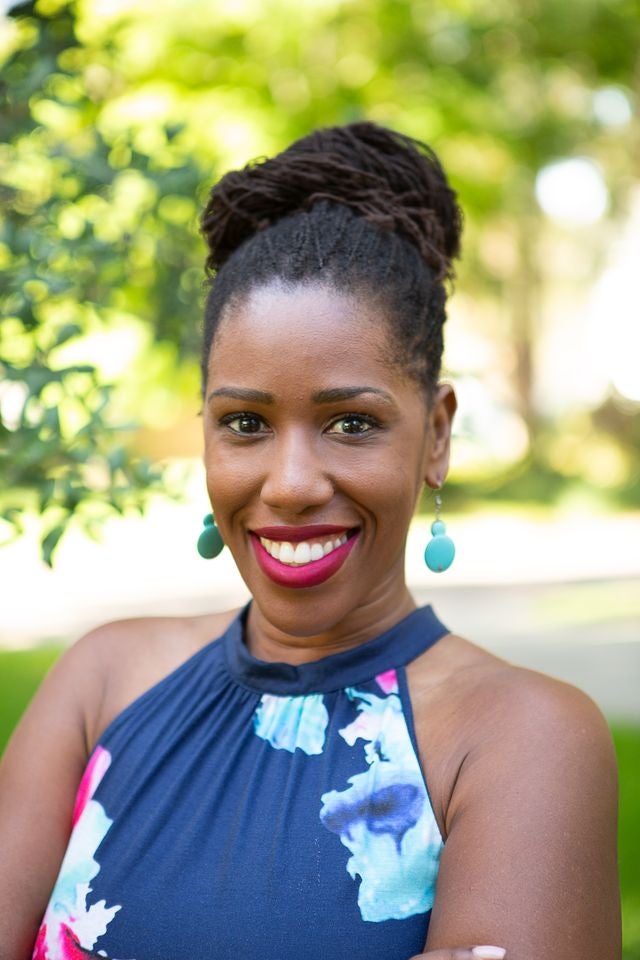
Sonia Rey-Montejo is an Associate Professor specializing in American Culture and Difference and Modern and Classical Languages at the University of St. Thomas. Her office is located in OEC 464. Her research examines race, gender, identity, and social inequality in contemporary Latin America through literary, cinematic, and artistic expressions. She has published extensively on Hispanic Caribbean narratives and diaspora studies. Current courses include Latinx Literature and Cultures (SPAN 412) and advanced seminars on Afro-Hispanic literatures exploring intersections of race, gender, class, and nationality across Latin America, the Spanish Caribbean, and Equatorial Guinea.
Dr. Maribel Santiago is an Associate Professor of Justice and Teacher Education at the University of Washington's College of Education. She holds a Ph.D. in History/Social Studies Education and an M.A. in History from Stanford University. Her research focuses on the teaching and learning of race/ethnicity in K-12 history, particularly Latinx social studies, emphasizing Indigenous and Black Latinx histories which are often marginalized. She leads the History TALLER research group, exploring Teaching and Learning of Language, Ethnicity, and Race. Dr. Santiago’s work challenges traditional historical narratives by centering racially marginalized histories. Her expertise includes multicultural education, teacher preparation, and curriculum design that integrates critical race theory. She is an affiliated faculty member in the Department of American Ethnic Studies, extending her interdisciplinary reach. Her research has been recognized with the 2019 National Council for the Social Studies Exemplary Research Award. Key themes in her publications include historical inquiry’s role in racial equity, curriculum frameworks for Mexican American histories, and addressing racial dichotomies in educational contexts. Dr. Santiago’s scholarship bridges academic research with practical pedagogy, advocating for culturally sustaining education practices. Her efforts aim to transform how race and ethnicity are taught in schools through innovative frameworks and critical engagement with historical narratives.
Dr. Jade Power-Sotomayor is an Assistant Professor in the Department of Theatre and Dance at UC San Diego. Her work focuses on Latinx performance, embodiment, and the intersections of colonialism, anti-Blackness, and environmental justice. She holds a BA from UC Santa Cruz, and MA and PhD from UC San Diego, all in related fields. Her research explores Latinx performance-making as a framework for addressing systemic issues like xenophobia and economic disparity. Key projects include her monograph ¡Habla!: Speaking Bodies in Latinx Dance and Performance , which theorizes 'embodied code-switching' in social dances like bomba and son jarocho. She co-edited the CENTRO Journal's special issue on Puerto Rican bomba and leads the Bomba Wiki archival project. Dr. Power-Sotomayor’s articles examine embodied practices such as bomba dance, son jarocho, and perreo, emphasizing how these forms negotiate identity and power. Her work bridges scholarly analysis with community engagement, including collaborations with San Diego’s Bomba Liberté. Awards include the Sally Banes Publication Prize (2021) and Gertrude Lippincott Award (2020). She actively contributes to dramaturgical work and pedagogical initiatives in performance studies.
University of North Carolina at Chapel HillUnited States
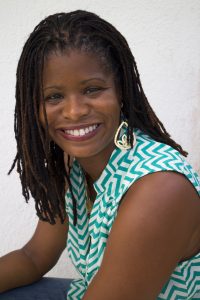
Renée Alexander Craft is a Professor at the University of North Carolina at Chapel Hill with a joint appointment in the Department of Communication and Curriculum in Global Studies. As a performance studies-trained Black feminist scholar, her work bridges ethnographic research, digital humanities, and creative writing. B.A. and M.A. in English Literature and Communication Studies from UNC Chapel Hill Ph.D. in Performance Studies from Northwestern University Her research interrogates Blackness in hemispheric American contexts , focusing on how African-descended communities use performance to navigate structural domination. Key themes include: Historical and contemporary Congo traditions in Portobelo, Panama Intersectional analysis of race, gender, and class Digital archiving as preservation practice Recent publications and projects reveal interdisciplinary engagement with: Black Atlantic cultural studies Digital humanities methodology Afro-Latinx performance traditions Notable awards include: 2022 - Tanner Award for Excellence in Undergraduate Teaching 2017 - Errol Hill Award for outstanding African American theatre scholarship 2016 - Whiting Public Engagement Fellowship for Digital Portobelo expansion Her creative work includes the novel She Looks Like Us , exploring Black diaspora family narratives across the U.S. South and Panama.
Eric Velasquez is a lecturer at the Fashion Institute of Technology (FIT) in New York City, specializing in book illustration. Born in Spanish Harlem to Afro-Puerto Rican parents, he holds a BFA from the School of Visual Arts and trained at the Art Students' League. With over 35 years of professional illustration experience, his work focuses on children's literature that explores cultural identity, historical figures, and familial bonds. His research interests center on visual storytelling methodologies, particularly how illustration can convey complex themes of heritage and social history in accessible ways for young readers. Recurring motifs include Afro-Latinx experiences, historical documentation through art, and intergenerational narratives. Velasquez's acclaimed publications have earned major industry recognition, including: Coretta-Scott King/John Steptoe Award for New Talent Two NAACP Image Awards (2010 & recent) Pura Belpre Award for Illustration Walter Award & Golden Kite Award (2018) His recent works demonstrate a focus on biographical narratives of influential figures like Arturo Schomburg, Ruth Bader Ginsburg, and Shirley Chisholm, using vibrant illustration to make historical and social themes engaging for children. Current projects continue exploring cultural representation through picture books.
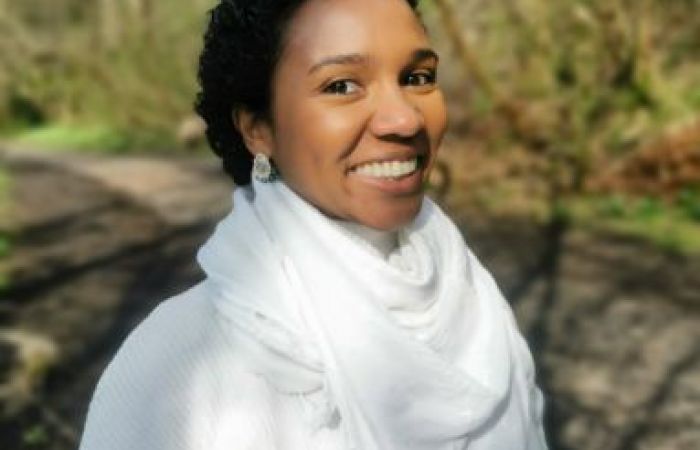
Katucha Bento is a Senior Lecturer in Race and Decolonial Studies at the University of Edinburgh's School of Social and Political Science. A Black feminist scholar, her work spans Critical Race Studies, Decolonial Thought, Queer Studies, and Rhetoric and Discourse Analysis, with a focus on Black diaspora, racialisation, and anti-racist pedagogies. Education: PhD in Sociology and Social Policy (University of Leeds, 2020) MA in Sociological Research (University of Barcelona, 2013) BA in Sociology and Politics (Fundação Escola de Sociologia e Política de São Paulo, 2006) Her research explores affective economies, coloniality of power, and creative methodologies. She has supervised over 30 postgraduate students across Brazil, UK, and Germany, with projects addressing topics from queer party scenes to digital feminist awareness in China. Her publications emphasize transnational solidarity, decolonial pedagogies, and racial justice. Scientific Awards: 2003: Ford Foundation Fellowship 2014: CAPES PhD Grant 2021: University of Edinburgh Teaching Awards Katucha co-founded the Free Afro-Brazilian University of Sociology and Communication (UNAFRO) and serves as Associate Editor for Identities: Global Studies in Culture and Power . She leads projects on mixed-race discourse, pandemic solidarity in Brazil, and radical pedagogies between Brazil and UK.
California State University, Los AngelesUnited States
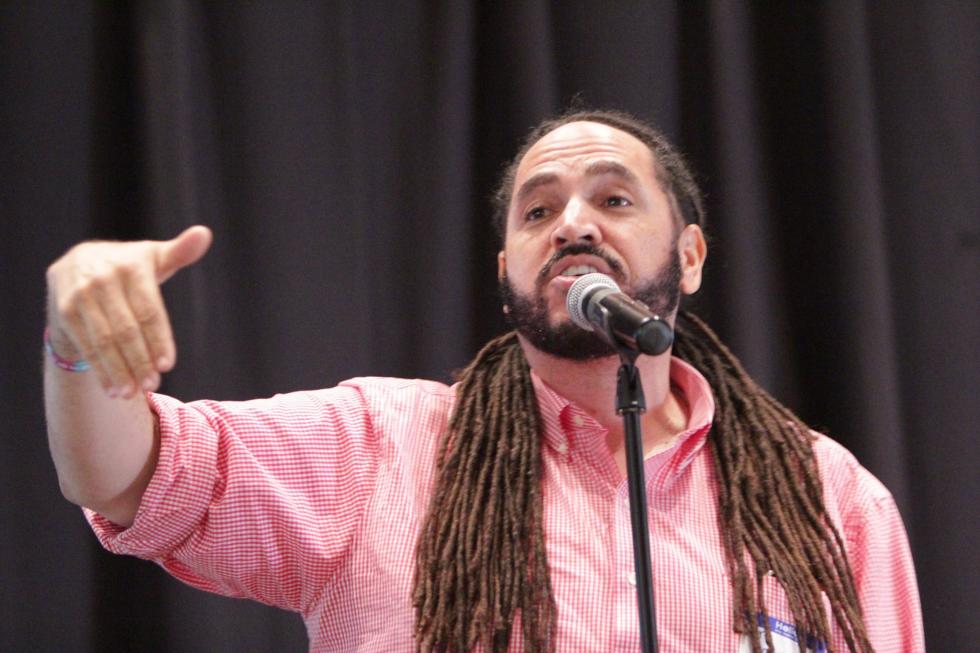
Dr. Anthony J. Ratcliff is Associate Professor in Pan-African Studies at California State University, Los Angeles. His scholarship examines revolutionary Black arts/politics through frameworks of Black internationalism and feminism, with publications on Hip Hop intellectualism and decolonial activism. As CFA Chapter President and faculty advisor to Students for Quality Education, he advocates for educational justice. His community organizing includes work with IWW Educational Workers and Leimert Park Mutual Aid.
Lizabeth Paravisini-Gebert is a Professor of Hispanic Studies at Vassar College, holding the Randolph Distinguished Professor Chair. Her research focuses on Caribbean literature, cultural studies, and environmental humanities, emphasizing interdisciplinary approaches to Caribbean societies. She explores themes such as creole religions, climate change, and colonial ecological legacies through art, literature, and historical analysis. Her academic background includes a BA from the Universidad de Puerto Rico and MA, MPhil, and PhD from New York University. She has been affiliated with Vassar since 1991, contributing to departments including Africana Studies, Environmental Studies, Global Nineteenth-Century Studies, and Latin American and Latinx Studies. Paravisini-Gebert’s work interrogates the intersection of environment and culture, particularly through studies of deforestation, climate resilience, and spiritual practices like Vodou, Santería, and Espiritismo. Her articles analyze Caribbean art addressing environmental crises, colonial ecological exploitation, and the role of marginalized communities in shaping cultural narratives. Her recent publications highlight urgent themes including coastal degradation, biodiversity loss, and transnational climate activism. While no formal awards are listed, her extensive publication record reflects significant contributions to Caribbean studies and environmental humanities. Her research often bridges academic disciplines, offering critical perspectives on how Caribbean peoples navigate ecological and sociohistorical challenges.
Regina Marie Mills is an Assistant Professor of Latinx and U.S. Multi-Ethnic Literature in the Department of English at Texas A&M University, with a core faculty role in the Latina/o and Mexican American Studies program. She is a first-generation college graduate and recipient of the Elton Lewis Faculty Fellowship in Liberal Arts. Ph.D., University of Texas at Austin (2018) M.A., University of Texas at Austin (2014) M.Ed., Arizona State University (2011) B.A., Washington and Lee University (2009) Her research spans AfroLatinx and Latinx literature , life writing studies , refugee narratives , and game studies . She examines intersections of race, ethnicity, and representation in texts ranging from memoirs to video games, including her monograph Invisibility and Influence: A Literary History of AfroLatinidades (2024). Recent publications focus on topics such as Latinx gaming narratives , Guatemalan diasporic fiction , and queer Latinx youth media . Her awards include the Montague-CTE Scholar Award and fellowships with Arts & Humanities (2024-27) and Glasscock (2023-24). Dr. Mills advocates for inclusive pedagogy , mentoring first-generation students and integrating game-based learning into literature courses. She previously worked as a high school English teacher in Arizona.
Dr. Ishara Casellas Connors is an Assistant Professor in the Department of Public Service and Administration at the Bush School of Government and Public Service , Texas A&M University. She joined the faculty in 2021 with a focus on higher education policy, particularly addressing systemic barriers faced by marginalized groups such as refugee students and Afro-Latinx populations. Dr. Connors holds a PhD in Higher Education from Boston College, an MA in Higher and Postsecondary Education from Columbia University, and a BA in Business Management from Clark University. Her research explores state and institutional policies impacting Hispanic-Serving Institutions (HSIs), refugee access to higher education, and anti-racism initiatives in university settings. Recent work highlights the intersection of racial identity, campus climate, and policy effectiveness. Key contributions include analyzing DEI (Diversity, Equity, and Inclusion) plans, visual ethnography methods for studying underrepresented students, and state-level supports for displaced populations. Publications since 2021 reflect a growing emphasis on refugee policy, anti-Black violence responses, and Afro-Latinx student experiences. Notable themes include leveraging 'Community Cultural Wealth' frameworks to enhance STEM diversity and critiquing the flattening of Latinx identities in state-driven DEI mandates. Dr. Connors' work bridges academic research with actionable policy recommendations, such as her 2019 study proposing strategies to boost college student voting rates. Her research consistently advocates for systemic changes to promote equitable access and representation in higher education systems.
Elizabeth Hordge-Freeman is an Associate Professor of Sociology at Rice University, with a joint appointment in the Center for African and African American Studies (CAAAS). Her research focuses on race, gender, and family dynamics, particularly exploring how affective bonds and systemic oppression intersect in Black communities globally. She holds a Ph.D. in Sociology from Duke University (2012), an M.A. from Duke (2008), and a B.A. in Spanish and Biological Studies from Cornell University (2001). Her transnational research includes seminal work on Black Brazilian families and labor exploitation, as seen in her award-winning books *The Color of Love* (2015) and *Second Class Daughters* (2022). She co-directs the *Imagine Blackness AI* project and the *Journey Towards Justice* documentary, blending art and activism to address racial justice. Upcoming projects include a course on this documentary and a program in Salvador, Brazil. Her research emphasizes 'affective architecture of domination,' analyzing how emotions shape power structures. She is a member of the American Sociological Association, Brazilian Studies Association, and other organizations. Awards include the 2024 ASA Human Rights Book Award and multiple recognition for her interdisciplinary contributions to race, gender, and identity studies.
Angela Tarango is an Assistant Professor in the Department of Religion at Trinity University since 2009. Her scholarship bridges Native American religious identities, Christianity, and race dynamics in the Americas. Education: Ph.D. in American Religions (Duke University, 2009), M.T.S. (Harvard Divinity School, 2003), B.A. in Religion and History (Wellesley College, 2001) Research Focus: Tarango examines how Native American communities navigate Christian missionary frameworks, challenge racial constructions, and assert sovereignty through religious practices. She also explores intersections of race and religion in Latino Mainline Protestantism and the historical evolution of indigenous theologies. Articles & Research Trends: Her work spans ethnohistorical analyses of Pentecostal missionary theology, critiques of cultural representation in Native American casinos, and comprehensive reviews of 20th-century Native American religious transformations. Awards: 2015 Pnuema Book Award for Choosing the Jesus Way Teaching: Tarango instructs courses on American Religions, Native American Religions, Latino Traditions, Afro-Caribbean Traditions, and Modern Christianity. She contributes to interdisciplinary programs in African American Studies, Global Latinx Studies, and Women's & Gender Studies.
Amina Gautier is a Professor of English at the University of Miami's College of Arts and Sciences. Born and raised in Brooklyn, New York, she currently divides her time between Miami and Chicago. As a scholar of 19th Century American literature and African American literature, she combines critical analysis with creative writing expertise. Dr. Gautier earned co-terminal BA and MA degrees in English literature and creative writing from Stanford University in 1999, followed by a PhD in English literature from the University of Pennsylvania in 2004. Her academic journey includes prestigious fellowships at MacDowell Colony, Breadloaf Writer's Conference, and the Ragdale Foundation. Gautier's research focuses on the intersection of creative writing and literary criticism, with particular emphasis on African American literature, Puerto Rican diaspora studies, and urban experiences. Her work explores complex identity formations, cultural negotiations, and the psychological dimensions of marginalized communities. She examines how individuals navigate between cultural spaces, particularly focusing on bicultural identities and the tension between heritage and assimilation. Her publications reveal a consistent exploration of identity, family dynamics, and cultural belonging. The progression from At-Risk to The Best That You Can Do shows an evolving focus from urban youth challenges to diasporic existence and split identities. Her work consistently features nuanced portrayals of characters navigating complex social landscapes, with particular attention to Afro-Puerto Rican experiences. PEN/MALAMUD AWARD FOR EXCELLENCE IN THE SHORT STORY (2018) Flannery O'Connor Award for Short Fiction Prairie Schooner Book Prize Elixir Press Award in Fiction Multiple International Latino Book Awards Chicago Public Library Foundation's 21st Century Award Throughout her career, Gautier has mentored emerging writers through various workshops and programs. Her extensive list of fellowships and residencies demonstrates significant institutional support for her scholarly and creative work. She has received funding from the Illinois Arts Council, Pennsylvania Council on the Arts, and multiple university-based research awards at the University of Miami.
Dr. Héctor García Chávez is a Senior Lecturer and Associate Faculty in the Women's Studies and Gender Studies (WSGS) program and the Honors program at Loyola University Chicago. He holds a joint appointment in the Department of Modern Languages and Literatures and previously served as Director of Loyola's interdisciplinary Latin American and US Latinx Studies Program. Recognized for teaching excellence, he is a Loyola Sujack Master Teacher and recipient of the Ignatius Loyola Award for Excellence in Teaching. He earned his M.A. and Ph.D. from the University of Chicago, specializing in Iberian and Latin American Literatures, Literary Theory, and Cultural Studies. His teaching encompasses Spanish language, Latin American/US Latinx literatures and films, Queer Theory, and Masculinity Studies across undergraduate, honors, and graduate programs. His research explores: Queer Theory applications in Mexican/Latin American literature and film Transnational Border Studies examining migration and identity Masculinity Studies deconstructing hegemonic paradigms US Latinx cultural production and postcolonial frameworks He directs study-abroad programs in Barcelona focused on identity, migration, and gender. Notable awards include: Loyola Sujack Master Teacher Ignatius Loyola Award for Excellence in Teaching He serves on boards of Chicago immigration advocacy organizations Taller de José and MAKE Literary Productions/Lit&Luz Festivals . As Visiting Scholar at UNAM-Chicago, he facilitates cultural exchanges with Mexican writers. Currently, he collaborates with El Instituto Mora (Mexico City) on an international seminar analyzing scandals in public discourse.
Rutgers, The State University of New JerseyUnited States
Natalie Muñoz is an Assistant Professor in the Social Work Department at Rutgers University Newark's College of Arts and Sciences. A double alumna of Stony Brook University with a BA in Psychology and MSW in Student Community Development, she earned her Ph.D. in Social Work from Howard University, where she focused on equity and AfroLatino identity. Education : Ph.D. (Howard University), MSW (Stony Brook), BA (Stony Brook) Her research explores AfroLatine identity development, migrant trauma, mental health equity, and educational justice. She created @AZUCAR_TV, a decolonial media project amplifying Afro-Latinx, Latinx, and Black Atlantic narratives through art, activism, and ancestral wisdom. This initiative emphasizes community-based knowledge and intergenerational memory in social work scholarship. Her publications examine solidarity between marginalized communities, pandemic impacts on HBCU students, and structural barriers in higher education. She teaches courses on social welfare policy and diasporic wellness. Awards : Outstanding Administrator (St. John's University, 2015), Multicultural Creative Program (2015), Campus Residences Service (Stony Brook, 2011) A sought-after speaker, she delivers hundreds of workshops on AfroLatinx identity, diversity, and wellness across educational, corporate, and healthcare settings.