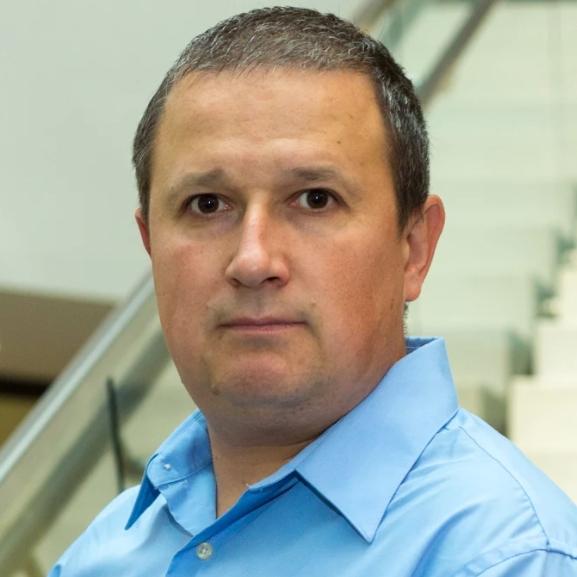
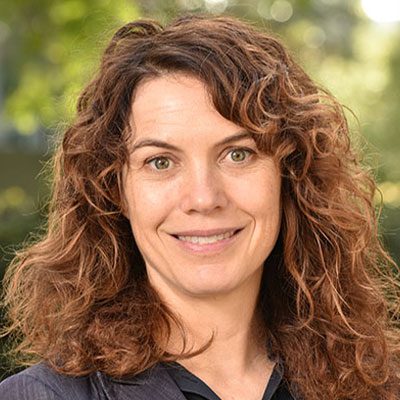
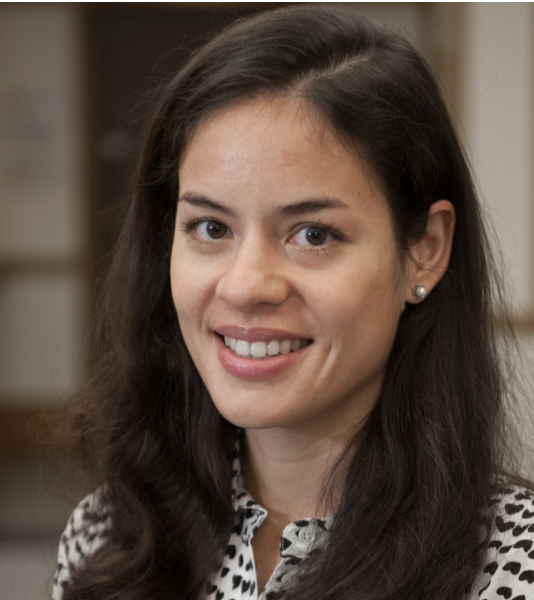
Michael Felsberg is a Professor and Head of Division at the Department of Electrical Engineering (ISY) at Linköping University, leading the Computer Vision Laboratory (CVL). His research focuses on artificial visual systems (AVS), including 3D computer vision, computational imaging, object tracking, and autonomous systems. He emphasizes HVS-inspired approaches to bridge the gap between human and machine vision capabilities. Notable achievements include over 20,000 citations (h-index 47), leadership roles in the Wallenberg AI, Autonomous Systems and Software Program (WASP), and recognition as Sweden’s top AI researcher by Vinnova. His work spans academic contributions, industry collaborations, and interdisciplinary projects like climate science applications of machine learning. Positions : WASP Executive Committee Member, WASP Area Cluster Leader for Machine Learning, and Vice-Head of Department (Electrical Engineering). Education : Extensive academic background in electrical engineering and computer vision (details not explicitly stated). Research trends in his articles reflect advancements in autonomous systems, multimodal AI, and robust vision models. His teams address challenges like object tracking, generative models for 3D simulation, and culturally diverse AI systems. Awards : Tracking Challenge Winner (OpenCV, 2015) Best Paper Awards (ICPR 2016, VISAPP 2021) Vinnova’s Highest-Ranked Swedish AI Researcher (2018) He advises numerous PhD students and oversees grants in WASP-funded initiatives. CVL collaborates on projects like disaster-response robotics and Berzelius supercomputer utilization for AI.
Patrick Finglass is the Henry Overton Wills Professor of Greek at the University of Bristol, leading the Department of Classics & Ancient History. He holds academic memberships in the Academia Europaea and Niedersächsische Akademie der Wissenschaften zu Göttingen. His research focuses on ancient Greek literature, particularly lyric poetry and tragedy, with notable expertise in Sophocles, Euripides, Pindar, Sappho, and Alcaeus. Education: MA, DPhil (Oxford). Prior roles include Professor of Greek and Head of Department at the University of Nottingham, and Director of the AHRC South West and Wales Doctoral Training Partnership. He served as a Leverhulme Major Research Fellow (2020–2023) and was a visiting scholar at the Institute for Advanced Study, Princeton. Research highlights include a 2024 monograph on Euripides’ lost plays and ongoing critical editions of Sappho and Alcaeus. He has published over 170 works, including editions of Sophocles’ plays and co-edited volumes on Sappho and Stesichorus. Awards include the Philip Leverhulme Prize (2012) and Rudolf Meimberg Preis (2019). Teaching and supervision: Advised 8 PhD students as principal supervisor. Taught courses on Archaic Greece, Sappho’s poetry, and Greek tragedy. Editorial roles include editorship of Classical Quarterly and advisory boards for major classical publications.
Max Alekseyev is an Associate Professor in the Mathematics Department and Computational Biology Institute. His research spans computational graph theory, enumerative combinatorics, computational/algorithmic biology, and comparative genomics. He focuses on interdisciplinary problems, blending mathematics with biological applications, particularly in genome assembly and analysis. His work includes advancements in genome scaffolding algorithms, combinatorial sequence analysis, and mathematical biology. Notable contributions involve genome assembly tools like CAMSA and studies on ancestral genome reconstruction. He also explores theoretical topics such as Bernoulli series generalizations and modular data classification. His research trends highlight a blend of pure mathematics (e.g., number theory, graph theory) and applied computational methods, addressing challenges in genomics and evolutionary biology. He secured an NSF Student Travel Grant in 2018 for computational molecular biology.
Amy Catherine Rowat is a full Professor in the Department of Integrative Biology and Physiology at UCLA's College of Letters and Science. She directs an interdisciplinary research program that integrates mechanobiology, microfluidics, cancer biophysics and food engineering to understand how physical forces shape cell behavior and to develop sustainable biotechnologies. Education & Affiliations: Professor, Department of Integrative Biology and Physiology, UCLA Member, UCLA College of Letters and Science Research Interests: Rowat's group deciphers how mechanical properties of cells and their nuclei influence disease progression and therapeutic response. Using high-throughput microfluidic deformability cytometry, her team discovered that cancer cells become stiffer and more invasive upon β-adrenergic signaling, linking stress hormones to metastatic potential. Parallel efforts focus on nuclear envelope mechanics, showing that histone H1.0 and transient nuclear deformation modulate chromatin structure and cell reprogramming. Beyond biomedicine, Rowat pioneers biophysical approaches for sustainable food production. She engineers edible scaffolds and emulsion-templated microcarriers to culture meat at scale, demonstrating spontaneous fusion of adipogenic and myogenic microtissues into marbled steak-like constructs. Recent Article Trends (2020-2025): Her latest publications reveal a cohesive trajectory: coupling mechanobiology to epigenetic regulation (viscoelastic matrix enhances chromatin remodeling), advancing single-cell mechanical phenotyping (optomagnetic arrays, high-throughput screens), translating findings to cancer therapy (β-blockers to sensitize chemotherapy) and expanding engineered foods (scalable cultured-meat bioprocessing). Funding & Awards: NIH R21 CA245667 (PI) – Repurposing beta-blockers to improve chemotherapy response (2021-2023) Laboratory & Teams: Rowat leads an active research laboratory at UCLA that trains graduate students and postdocs at the intersection of physics, engineering and biology. The lab maintains collaborations across UCLA Engineering, Jonsson Comprehensive Cancer Center, and external partners in food science and biotechnology companies.
Prof. Paul V. Braun is the Grainger Distinguished Chair in Engineering and Professor of Materials Science and Engineering, Chemistry, Mechanical Sciences and Engineering, Chemical and Biomolecular Engineering at the University of Illinois Urbana-Champaign. He is also a part-time faculty member at the Beckman Institute. His research focuses on synthesizing materials with unique optical, electrochemical, thermal, and mechanical properties through nano/mesoscale architectures. Education: B.S. (Cornell University), Ph.D. (Materials Science and Engineering, University of Illinois). Postdoctoral work at Bell Labs (1999–present at UIUC). Research Interests : Electrochemical energy storage (batteries) Polymers and self-assembly Photonics and advanced optics Self-healing materials Control of heat and matter transport Recent articles explore battery recycling, hydrogel thermal conductivity, additive manufacturing for heat transfer, and silicon anode analysis. His work spans materials synthesis, characterization, and applications in energy and photonics. Awards : AAAS Fellow (2020) NAI Fellow (2022) Grainger Award for Translational Research (2023-24) MRS Fellow (2018) Advising & Grants : Braun has co-authored ~350 publications, holds multiple patents, and co-founded four companies. His labs include the Materials Research Laboratory and Beckman Institute.
Miguel Ferreira is a Professor and the BPI | Fundação “la Caixa” Chair in Responsible Finance at Nova School of Business and Economics (Nova SBE), where he also serves as Vice-Dean for Faculty and Research. He holds a PhD in Finance from the University of Wisconsin-Madison, a Master in Economics from Nova SBE, and a Bachelor in Business from ISCTE-IUL. His research focuses on corporate finance, governance, sustainable finance, and household finance. Education: PhD in Finance, University of Wisconsin-Madison (2000) Master in Economics, Universidade Nova de Lisboa (1995) Bachelor in Business Administration, ISCTE (1992) Research Interests: Corporate finance, governance, and sustainable finance Household finance and financial literacy Asset management and international markets Recent Work Trends: His publications explore topics like entrepreneurship dynamics, monetary policy transmission, financial distress effects, and the impact of credit ratings on corporate and public financing. His work bridges theoretical finance with real-world policy applications. Awards: European Research Council (ERC) Starting and Advanced Grants Most Cited Portuguese Economist since 2000 Top 100 Author in Top Finance Journals Advising & Grants: Editor for the Journal of Banking and Finance ; recipient of multiple research grants, including from the ERC and La Caixa Foundation. He advises on policy and is a board member at BPI Asset Management. Labs/Teams: Directs the Nova Finance Knowledge Center and leads the Finanças para Todos financial literacy program, recognized nationally and internationally.
Andreas Fuster is an Associate Professor of Finance and SFI Senior Chair at the Swiss Finance Institute (SFI) @ EPFL, and a Research Fellow at the Centre for Economic Policy Research (CEPR). He previously worked at the Federal Reserve Bank of New York and the Swiss National Bank, where he maintains a part-time research advisor role. His research focuses on empirical finance (household finance, real estate, banking, fintech), macroeconomics, and behavioral economics, with recent work examining technological advancements in credit markets. He teaches courses in financial engineering, macroeconomics, and financial econometrics at EPFL. As Director of the Doctoral Program in Finance at EPFL and academic co-director of the EPFL Executive Education Fintech program, he oversees academic development and executive training. His editorial roles include Associate Editor at the Review of Financial Studies and Journal of Financial Economics . Education: Ph.D. from Harvard University, M.Phil. from Oxford University, B.A. from University of Lausanne (all in economics). Research Interests: Empirical finance, macroeconomics, behavioral and experimental economics, fintech, mortgage markets, and banking regulation. External Roles: Co-organizer of the BIS-CEPR-SCG-SFI Conference on Financial Intermediation and SNB-CIF Conference on Cryptoassets and Financial Innovation. Grants & Awards: Recognition for contributions to financial stability and policy analysis (no specific awards listed). His work has been published in top journals such as the Quarterly Journal of Economics and Review of Financial Studies. He advises on sustainable digital finance through Innosuisse and contributes to policy analysis via CEPR and the Federal Reserve Bank of NY.
Dr. Joseph Dumpler is a Lecturer at the Department of Health Sciences and Technology at ETH Zürich, specializing in Sustainable Food Processing. He holds a PhD in Dairy Science and Technology from the Technical University of Munich, Weihenstephan, with a focus on UHT treatment of concentrated milk. His work emphasizes advancing food processing technologies, particularly in protein refinement, non-thermal methods, and membrane filtration. Educations: PhD in Dairy Science and Technology, Technical University of Munich, Weihenstephan (2017) MSc Food Engineering, Technical University of Munich, Weihenstephan His research interests include Natural Deep Eutectic Solvents (NADES) for plant protein extraction, microwave vacuum drying of dairy products, and membrane filtration optimization for microalgae and dairy systems. He has pioneered methods to refine rapeseed and pea proteins while minimizing antinutrients, and his work on microfiltration of milk products addresses emerging microbial risks. Key contributions span kinetic modeling of heat-induced protein aggregation, sustainable food processing , and non-thermal concentration techniques . His articles reflect a focus on bridging lab-scale innovations with industrial applications. Awards: J.T.M. Wouters Young Scientist Award Julius Maggi Research Award (2018) Best PhD Thesis Award from the Association of Dairy, Food and Biotechnologists (Weihenstephan) Dr. Dumpler collaborates with industry partners to translate research into scalable processes, such as NADES-based protein extraction and microwave drying systems. His current role at ETH Zürich’s Sustainable Food Processing Lab (Prof. Mathys) focuses on plant-based meat analogs and novel protein refining concepts .
Dr. Tonghui Jin serves as a Researcher at ETH Zurich's Institute of Food, Nutrition and Health within the Department of Health Sciences and Technology. Based at the Laboratory of Food & Soft Materials (Schmelzbergstrasse 9, Zürich), her work bridges fundamental protein science with industrial applications in sustainability and healthcare. Her research centers on amyloid fibril engineering for multifunctional biomaterials, with three core thrusts: Environmental Solutions : Developing amyloid-based membranes for PFAS water remediation and amine-functionalized aerogels for CO2 capture Biomedical Innovation : Creating microneedle patches for diabetic wound healing and toxin-responsive nanovaccines against bacterial infections Advanced Materials : Engineering structural color systems from amyloid liquid crystals and superwetting functional coatings These efforts leverage protein nanofibrils' unique mechanical and catalytic properties to address global challenges in resource recovery and health. Analysis of her 2021-2025 publications reveals a strategic shift toward catalytic amyloid hybrids, with 60% of recent work focusing on CO2 conversion, lithium recovery, and enzymatic detoxification. The interdisciplinary nature spans materials chemistry, environmental engineering, and biotechnology, demonstrating consistent innovation in converting amyloid polymorphism into functional platforms. No scientific awards were documented in available sources. Dr. Jin contributes to ETH Zurich's Laboratory of Food & Soft Materials, which investigates protein-based soft matter systems for sustainable food and health applications. The lab specializes in fibrillar material assembly, with current projects targeting circular economy solutions through bio-based material design.
Dr. Andre Kahles is a Lecturer in the Department of Computer Science at ETH Zürich, specializing in biomedical informatics. His research focuses on computational methods for analyzing large-scale genomic and transcriptomic data, with applications in cancer genomics, metagenomics, and precision medicine. He has contributed to the development of tools such as SplAdder for alternative splicing analysis, MetaGraph for petascale genomic data exploration, and SECEDO for subclone detection in cancer genomes. His work bridges algorithmic innovation with biological insights, addressing challenges in single-cell analysis, genome graph alignment, and multi-omics integration. Key research themes include: Developing scalable algorithms for processing nanopore sequencing and metagenomic data Characterizing somatic mutations and non-coding drivers in cancer genomes Advancing genome graph-based alignment and annotation methods Integrating multi-omics data for clinical decision-making and tumor profiling His publications span topics like RNA-seq analysis, chromothripsis in cancers, and global urban microbiome tracking through the MetaSUB consortium. Kahles has collaborated on landmark projects including the Pan-Cancer Analysis of Whole Genomes (PCAWG) and the Tumor Profiler Study.
David A. Muller serves as the Samuel B. Eckert Professor of Engineering in the School of Applied and Engineering Physics at Cornell University and co-directs the Kavli Institute at Cornell for Nanoscale Science. His research group focuses on developing quantitative electron microscopy methods to understand materials properties at the atomic scale, with particular emphasis on sustainable energy applications and quantum materials. Muller's laboratory utilizes some of the world's highest resolution electron microscopes housed in specially designed, environmentally isolated rooms. Muller received his undergraduate education at the University of Sydney and earned his Ph.D. in Physics from Cornell University in 1996. Between 1997 and 2003, he was a member of the technical staff at Bell Laboratories, where he applied his expertise in imaging single atoms and atomic-scale spectroscopy to determine the physical limits of transistor miniaturization. In 2003, he returned to Cornell as a faculty member, where he has since established himself as a leader in advanced electron microscopy techniques. Muller's research spans multiple frontiers in materials science, with particular focus on understanding how electronic-structure changes at the atomic scale control macroscopic behavior in diverse systems like turbine blades, fuel cells, and transistors. His current work emphasizes the physics of renewable energy materials, atomic-scale control of materials to create electronic phases that cannot exist in bulk, and developing hardware and algorithms for 'big data' acquisition from high-bandwidth pixelated electron microscope detectors. His group's work bridges theoretical physics and experimental techniques, requiring researchers who can think in both real and reciprocal space while considering both fundamental principles and practical applications. Analysis of Muller's recent publications reveals a strong trend toward advancing electron ptychography and 4D-STEM techniques for atomic-scale imaging. His group has pioneered methods for 3D atomic-scale metrology, strain mapping, and imaging of radiation-sensitive materials. The research spans applications from semiconductor technology to quantum materials and energy storage systems, demonstrating the versatility of his microscopy approaches across multiple scientific domains. Top 100 Young Innovator by Tech Review Magazine (2003) Burton Medal from Microscopy Society of America (2006) Ernst Ruska Prize of German Society for Electron Microscopy (2021) John Cowley Medal from International Federation of Societies for Microscopy (2023) Fellow of American Physical Society Fellow of American Association for the Advancement of Science Fellow of Microscopy Society of America Muller has mentored an extensive group of students and postdocs who have gone on to successful careers in academia and industry. His former students hold faculty positions at institutions including Rice University, University of Southern California, Seoul National University, Colorado School of Mines, and the University of Michigan, among others. His research has been supported by substantial grants, including a $22.5M NSF grant that accelerates materials discovery. The Muller lab maintains close collaborations with the Kavli Institute at Cornell and PARADIM (Platform for the Accelerated Realization, Analysis, and Discovery of Interface Materials). The Muller lab operates at the forefront of electron microscopy, housing specialized instrumentation including high-resolution transmission electron microscopes in environmentally isolated rooms. The group collaborates extensively with other research teams at Cornell and worldwide, focusing on understanding materials atom by atom. Current research directions include applying machine learning to electron microscopy data analysis, developing cryogenic techniques for studying low-melting-point materials, and exploring quantum phenomena in engineered materials systems.
Professor Charlotte Deane is a leading academic in structural bioinformatics, holding the position of Professor at the University of Oxford's Department of Statistics and Executive Chair of the Engineering and Physical Sciences Research Council (EPSRC). She leads the Oxford Protein Informatics Group (OPIG), focusing on protein structure prediction, immunoinformatics, and AI-driven drug discovery. Her research integrates computational methods with biological insights, developing tools widely used in academia and industry. Prior roles include Head of the Department of Statistics, Deputy Head of the Mathematical, Physical and Life Sciences (MPLS) Division at Oxford, and Chief Scientist of Biologics AI at Exscientia. During the COVID-19 pandemic, she served on SAGE and as UKRI's COVID-19 Response Director. In 2022, she was awarded an MBE for her contributions to pandemic research. Her research group's work spans antibody design, T-cell receptor analysis, and small molecule discovery, with a focus on open-source software development. Current projects include advancing AI methods for protein structure prediction and therapeutic antibody engineering. Recent publications highlight innovations in computational drug design, antibody developability, and machine learning applications in structural biology.
Edgar Hertwich is a Professor of Industrial Ecology at the Department of Energy and Process Engineering, Faculty of Engineering, Norwegian University of Science and Technology (NTNU). He is on partial leave from NTNU, serving as a Senior Researcher at the International Institute for Applied Systems Analysis (IIASA) in Austria and as a partner in the environmental data company XIO Sustainability Analytics. His work bridges academic research and practical applications for climate mitigation. Current affiliations: NTNU (Professor), IIASA (Senior Researcher), XIO Sustainability Analytics (Partner) Previous roles: Professor at Yale University (2015-2019), Fellow at Yale (2019-2022), Professor at NTNU (2003-2015) Hertwich's research focuses on industrial ecology, examining material flows in economic systems to advance climate protection and sustainable development. His work spans machinery, buildings, urban form, and food supply systems, employing life cycle analysis, cross-flow analysis, and economic modeling. He contributes to global policy frameworks like the UN's Circular Economy Action Plan and EU Climate Council reports. Recent projects include CIRCOMOD (Circular Economy Modeling for Climate Mitigation) and RAINFOREST (knowledge co-production for biodiversity). He has been recognized with NTNU's Prize for Research and Artistic Activity (2023) for his contributions. Scientific Awards NTNU's Prize for Research and Artistic Activity (2023) Editorial Roles Environmental Science & Technology Journal of Industrial Ecology Journal of Economic Structures As a thought leader in industrial ecology, Hertwich connects technical insights to policy, emphasizing material efficiency and resource allocation. His work influences EU climate strategies and global environmental assessments.
Manuel DeLanda is a New York-based cross-disciplinary theorist and artist. He holds the rank of Professor at The European Graduate School / EGS and serves as a lecturer at Princeton University's School of Architecture and Pratt Institute's Graduate Architecture and Urban Design program. His academic career includes past roles as a Fellow at Princeton's Institute for Advanced Study (2000/01) and teaching positions at the University of Pennsylvania and Columbia University. Education: BFA from the School of Visual Arts (New York), PhD from the European Graduate School (2010). Research interests span philosophy, complexity theory, materialism, science studies, and Deleuzean thought. His work integrates interdisciplinary approaches to topics like assemblage theory, urban capitalism, morphogenesis, and the philosophy of science. Key themes include the application of mathematical concepts (topology, chaos theory) to social and historical analysis, and rethinking materialist frameworks across disciplines. Notable contributions include books such as War in the Age of Intelligent Machines , A Thousand Years of Nonlinear History , and Assemblage Theory . His lectures (e.g., on economic agglomeration, urban capitalism, and Deleuzean philosophy) reflect his commitment to bridging abstract theory with empirical analysis. Labs/Teams: No specific lab affiliations mentioned, but his work is collaborative through academic networks and interdisciplinary projects in architecture, urbanism, and philosophy.
Andrea Vedolin is a Professor of Finance at the Questrom School of Business, Boston University. He is also a Research Associate at the National Bureau of Economic Research (NBER) and a Research Affiliate at the Centre for Economic Policy Research (CEPR). His research focuses on international finance, asset pricing, and macroeconomic uncertainty, with particular emphasis on exchange rate dynamics, risk premia, and monetary policy effects. Vedolin holds a Ph.D. in Economics from the University of Lugano (2010). His work spans topics such as bond risk premia, variance risk across assets, and the impact of central bank communication on financial markets. Key contributions include analyses of global factor structures in exchange rates, the role of uncertainty in shaping asset prices, and the modeling of systemic risk in international contexts. His research often integrates theoretical frameworks with empirical evidence to address questions in macro-finance and financial economics. Vedolin’s articles explore themes like interest rate risk management, liquidity in international markets, and the interplay between economic uncertainty and credit markets. His studies frequently employ advanced econometric techniques and model-free approaches to derive insights about market behavior and policy implications. Despite his prolific output, no specific scientific awards or grants are mentioned in the provided texts. His advising record and lab affiliations remain unspecified, though his work suggests involvement in collaborative projects with institutions like NBER and CEPR. The summary highlights his role as a leading scholar in understanding how uncertainty and policy regimes influence financial markets globally.