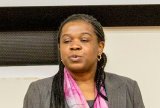
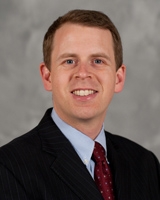
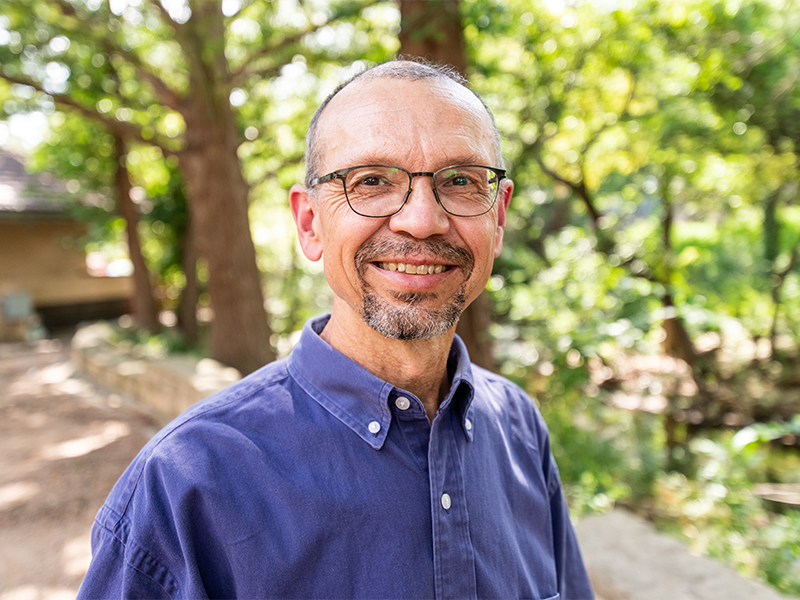
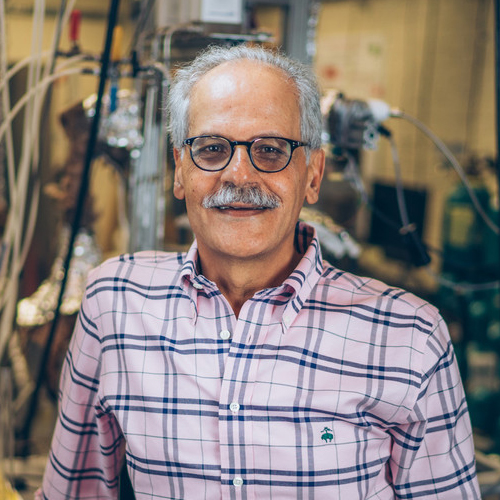
Adaeze Okoye is a Senior Lecturer at the University of Brighton's School of Business and Law, leading the Law, Society and Justice Research Excellence Group. She holds a PhD from the University of Hull and a Master's from the University of Dundee. Her research focuses on corporate social responsibility (CSR), corporate governance, oil and gas law, business and human rights, and law's role in African development. She has held fellowships at the Honourable Society of Inner Temple and the Institute of Advanced Legal Studies (IALS), and currently serves as an Honorary Member of Inner Temple and a Senior Fellow of Advance HE. Her work includes organizing international conferences such as the Critical Law and Corporate Social Responsibility Network conferences, funded by institutions like IALS and Inner Temple. She has authored over 30 peer-reviewed articles and book chapters, including a 2016 monograph on legal approaches to CSR. She supervises three PhD students and advises on corporate accountability, CSR, and sustainable development. Okoye's scholarly contributions span modern slavery regulation, African regional courts' roles, and tax ethics in Africa. She has held editorial roles for the IALS OBserving Law Series and served on committees like the Society of Legal Scholars (SLS) EDI Committee. Her external positions include Visiting Professor at Coal City University and membership in the African Union Law Research Network.
Prof. Dr.-Ing. Elisabeth Clausen is a Professor and Director of the Chair and Institute for Advanced Mining Technologies at RWTH Aachen University. She holds key roles in the Specialist Group for Raw Materials and Disposal Technology, serves as a rectorate representative, and leads the Commission for EU Research Funding. Her research spans Underground mining automation Acoustic emission diagnostics Sustainable mining systems Space resource extraction Advanced sensor technologies Her recent publications focus on autonomous mining machinery, underground communication systems, and acoustic emission analysis across 15+ studies from 2013–2025, with particular emphasis on Ultra-wideband positioning Thermographic detection Crack monitoring in planetary gearboxes Explosive atmosphere safety Mineral processing diagnostics Digitalization trends Prof. Clausen contributes to mining education reform through initiatives like CDIO™ and has developed innovative learning spaces in underground mines. She coordinates international educational labs and integrates sustainability into mining engineering curricula, with publications on Adaptive ventilation systems Mining education frameworks Future-proof mineral extraction Entrepreneurial mindset in engineering
Dr. Nicholas Brake is an Associate Professor at Lamar University's Department of Civil and Environmental Engineering, focusing on reclaimed materials, wireless power transfer applications in concrete, and fatigue fracture modeling for pavements. His research spans recycled concrete aggregate, coal ash utilization, and electromagnetic cementitious composites. Education: Ph.D., M.S., B.S. in Civil Engineering from Michigan State University Awards: Anita Riddle Fellowship (2018), Lamar Merit Award (2018), Presidential Faculty Fellowship (2015), and multiple scholarships during his studies. His research emphasizes three key areas: 1) Material reclamation using recycled concrete aggregate, coal combustion residuals, and EAF slag. 2) Electromagnetic transport properties for wireless vehicle charging applications. 3) Fatigue damage modeling in concrete pavements. Through 3D printing integration and design-build-test pedagogy, he enhances student learning outcomes. Recent publications focus on international engineering education (2020), magnetic concrete composites (2019), and advanced testing methodologies for civil infrastructure (2018). His teaching innovation includes developing nine Lamar University courses with active learning strategies that improved student design confidence (p Scientific Awards: Anita Riddle Excellence in Teaching Fellowship (2018) Presidential Faculty Fellowship for Teaching Innovation (2015) Outstanding Teaching Assistant Award at Michigan State (2011) Dr. Brake mentors undergraduate and graduate researchers, including doctoral candidates Mahdi Feizbahr and Hossein Hariri Asli (2023-2024). His lab (LUMS) houses advanced testing systems like Instron 5965/8803, MTS Insight 100SL, and thermal analyzers for material characterization.
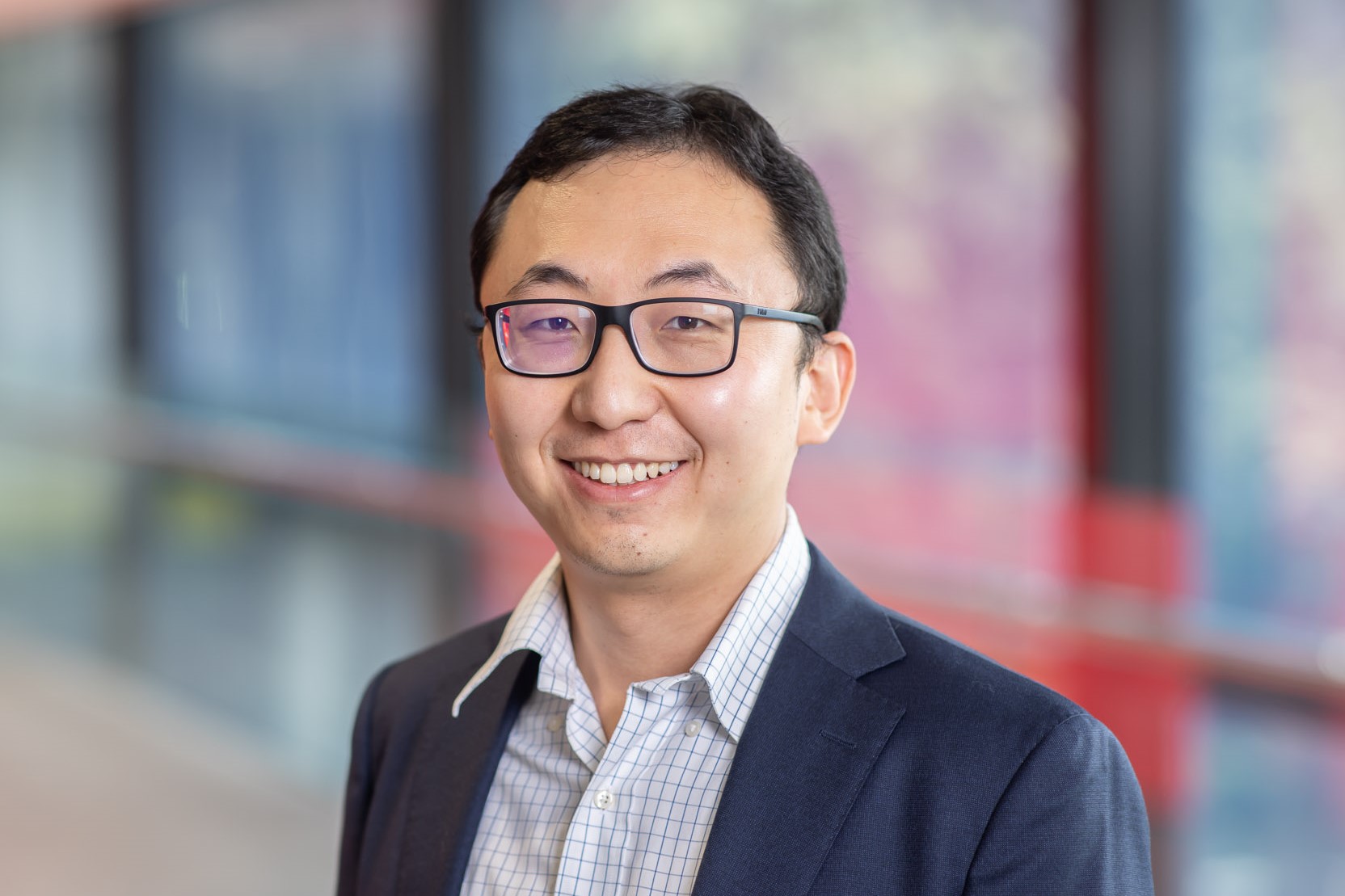
Dr. Guangyao Si serves as an Associate Professor at the School of Minerals and Energy Resources Engineering, University of New South Wales (UNSW). With extensive international experience studying and working across three continents, he has established himself as a prominent researcher in mining engineering disciplines. His educational background includes graduating as the top student from China University of Mining Technology in 2010, followed by a PhD at Imperial College London under Professor Sevket Durucan. After completing his thesis in 2015, he continued as a Research Associate at Imperial College London until December 2017, when he joined UNSW. Mining Engineering Mine Ventilation Rock Mechanics Mine Safety Coal Mine Methane Geomechanics and resources geotechnical engineering Applied geophysics Dr. Si's research program focuses on developing safer, smarter, and more sustainable mining technologies. His work spans coal seam gas capturing and utilization, goaf management, spontaneous combustion prevention, multiphysics coupled simulation, mining-induced seismicity management, and machine learning applications in mining. His research integrates reservoir engineering, geophysics, geostatistics, and geomechanics to address modern mining industry challenges. With over AUD 12 million secured in research funding as lead or co-investigator, his projects include significant ARC Linkage and ACARP grants addressing critical mining safety and efficiency issues. His work demonstrates strong industry relevance through collaborations with major mining companies including Anglo American, Glencore, BMA, South32, and Centennial. Research Excellence (Early Career) Award-Faculty of Engineering UNSW Excellent Scientific Editor (JRMGE, 2022) Best Reviewer (IJCS&T, 2022) High Impact Paper Award (Engineering Journal) MINESOC Best Lecturer (2018) Unearthed Young Innovator Award (2018) Dr. Si actively supervises numerous PhD students across mining health and safety, mining geomechanics, mining-induced seismicity, and mine ventilation research areas. He teaches core mining engineering courses including Mining Geomechanics (MINE3310), Mine Ventilation (MINE3510), Mining Systems (MINE3430), and Advanced Mine Ventilation (MINE4510). He serves on the Editorial Board of the Journal of Rock Mechanics and Geotechnical Engineering and is a member of the International Rock Mechanics Society, Australasian Institute of Mining and Metallurgy, and Society of Mining, Metallurgy and Exploration.
Dr. Imad El Haddad serves as Group Head of the Molecular Cluster and Particle Processes group at the Laboratory of Atmospheric Chemistry (LAC), part of the Center for Energy and Environmental Sciences at Paul Scherrer Institute (PSI), Switzerland, since 2018. Previously, he held positions as Tenured Scientist and Deputy Head (2018-2019), Senior Scientist in the Smog Chamber group (2015-2018), and Postdoctoral Fellow (2011-2015) at PSI. His research aims to quantify how anthropogenic emissions alter atmospheric pollutant composition and impact Earth's climate and public health through molecular-level analysis using advanced mass spectrometry techniques. His academic background includes: Ph.D. in Atmospheric Chemistry, University of Provence, Marseille (2007-2011) Master's in Environmental Sciences (with distinction, rank 1/9), University of Provence (2006-2007) Master's in General Chemistry (with distinction, rank 1/10), Saint-Joseph University of Beirut (2005-2006) Bachelor of Science in Chemistry (with distinction, rank 1/14), Saint-Joseph University of Beirut (2002-2005) El Haddad's work centers on molecular fingerprinting of atmospheric aerosols , utilizing mass spectrometry (GC/MS, HPLC/APCI-MS2, HPLC/ESI-MS2) to identify primary and secondary molecular markers. He conducts smog chamber experiments to characterize emissions from wood burning, traffic, and cooking processes, determining secondary organic aerosol potential and oxidation state evolution. His group also studies in-cloud aqueous-phase aging and collaborates with global modelers to link aerosol composition to climate forcing and health outcomes like oxidative stress. Recent publications (2025-2024) reveal three dominant trends: (1) rigorous molecular-scale analysis of secondary aerosol formation under varying humidity/temperature, (2) source apportionment breakthroughs in diverse regions (India, Europe, Arctic) using 14C and AMS data, and (3) quantification of health-relevant aerosol properties such as oxidative potential through DTT assays. High-resolution mass spectrometry is a consistent methodological thread across these studies. His scientific awards include: MENRT research fellowship from French ministry of research (2007-2010) Excellence Scholarship (top 1% student, University of Saint Joseph, 2005) Distinction Prize (best student, University of Saint Joseph, 2005) As Group Head, El Haddad oversees the Molecular Cluster and Particle Processes group's research direction and mentorship of junior scientists. While specific grant details are absent from the text, his leadership in multi-institutional publications (e.g., CERN CLOUD, iCUPE) implies active grant management and international collaboration. The group's work bridges laboratory simulations, field deployments, and health/climate modeling to address air pollution complexities. The Molecular Cluster and Particle Processes group develops cutting-edge online/offline mass spectrometers for 1 Hz-resolution atmospheric analysis. They deploy instruments in laboratory smog chamber experiments and global field studies, focusing on molecular marker identification, emission source characterization, and aging process quantification. Collaborations with biochemists and climate modelers extend their impact beyond pure aerosol physics into health risk assessment and policy-relevant climate science.
Carsten Sievers serves as Adjunct Professor in the Department of Chemical and Biomolecular Engineering at Georgia Institute of Technology, where he leads research in sustainable catalytic processes for fuel and chemical production from alternative resources. His work bridges fundamental spectroscopy with industrial reactor design to address petroleum dependence. Education: Diploma, Technical University of Munich, Germany (2003) D.Sc., Technical University of Munich, Germany (2006) Research Focus: Sievers' program integrates fundamental studies using IR, NMR, XAS, and Raman spectroscopy to probe catalyst structure-reactivity relationships with applied research on flow reactor systems for biomass conversion (hydrodeoxygenation, sugar upgrading) and mechanocatalytic polymer depolymerization. Key initiatives target CO 2 -neutral chemical production from biomass and waste plastics, emphasizing catalyst stability and regeneration. Publication Trends: Recent work (2023-2025) reveals a strategic pivot toward mechanocatalysis for plastic recycling (polyethylene, polystyrene) and ammonia synthesis, while maintaining expertise in hydrocarbon catalysis. Dominant themes include reaction environment engineering in ball mills, metastable surface characterization, and process intensification for CO 2 electrolysis. Scientific Recognition: 2012 Young Scientist Award, International Congress on Catalysis 2023 ACS Fellow designation Academic Leadership: As Director and Past President of the Southeastern Catalysis Society, former ACS Division Director, and Editor of Applied Catalysis A: General , Sievers shapes catalysis research direction. His Sievers Group has secured competitive fellowships for students like Yuchen George Change (Eastman Chemical Fellowship) and Victor Brandão (Ziegler Award), reflecting strong mentorship in sustainable reaction engineering. Research Infrastructure: The group operates advanced flow reactors, spectroscopic characterization suites, and mechanochemical systems for in-situ catalyst analysis, supporting collaborations with industry partners on technology translation.
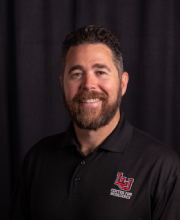
Matthew J. Hall is a Professor in the Department of Mechanical Engineering at the University of Texas at Austin , where he also holds the Louis T. Yule Fellowship in Engineering . He has been a faculty member since 1991 and is affiliated with the Cockrell School of Engineering . His research spans engine combustion processes , thermal fluids systems , engine controls , optical diagnostics , battery safety , and alternative fuels . He is particularly known for his work on cold-start emissions , spark ignition , engine friction reduction , and thermoelectric energy recovery . He teaches courses in Thermodynamics , including modeling of power cycles and HVAC systems , and has published over 150 technical articles. His recent work includes innovations in ammonia combustion , biomass gasification , and advanced engine diagnostics . Scientific Awards & Honors: Fellow of the Society of Automotive Engineers (SAE) Louis T. Yule Fellowship in Engineering Associate Editor, SAE International Journal of Engines Research Impact & Leadership: Prof. Hall leads multidisciplinary efforts in combustion science , energy systems , and sustainable propulsion . His lab has contributed to reducing engine friction by up to 40%, improving fuel efficiency at idle, and advancing the use of ammonia as a low-carbon fuel. He also explores thermoelectric generators for extending drone flight range and improving vehicle energy recovery systems.
Professor Ahmed F. Ghoniem is the Ronald C. Crane (1972) Professor of Mechanical Engineering at MIT, directing the Center for Energy and Propulsion Research and the Reacting Gas Dynamics Laboratory. He holds a B.Sc. and M.Sc. from Cairo University and a Ph.D. from the University of California, Berkeley. His research focuses on computational methods in fluid-thermal sciences, turbulent combustion, energy conversion systems, and CO2 capture technologies. He has authored over 500 publications and mentored over 100 students, many of whom are leaders in academia and industry. His research interests include multiscale simulations of turbulent reactive flows, clean energy systems, and advanced combustion technologies. He has pioneered work on oxy-fuel combustion, gasification processes, and ion transport membrane reactors. Ghoniem’s contributions span fundamental science and applied engineering, addressing challenges in sustainable energy and environmental sustainability. Honors: ASME James Harry Potter Gold Medal (2015), AIAA Propellant and Combustion Award (2016), Fellowships from ASME, APS, and The Combustion Institute. Service: Leadership roles in MIT’s Energy initiatives, KAUST collaborations, and advisory boards for energy research centers. Extensive contributions to curriculum development and graduate education in mechanical engineering. Labs/Teams: Directs the Reacting Gas Dynamics Lab and leads the Center for Energy and Propulsion Research, focusing on integrated energy systems and CO2 capture innovations.
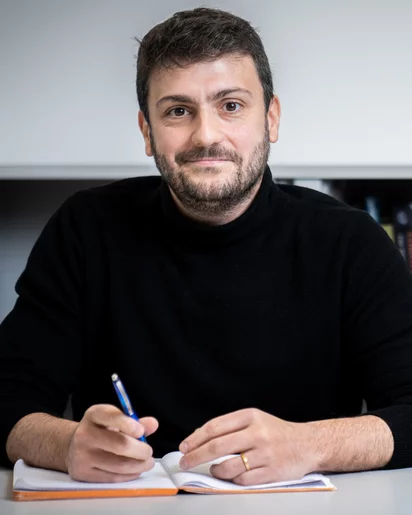
Olav Bolland is the Dean of the Faculty of Engineering at the Norwegian University of Science and Technology (NTNU) and holds the academic rank of Professor of Thermal Power Engineering. His research focuses on carbon capture and storage (CCS), thermal power systems, and CO2 emission management in power generation. He leads the ECCSEL initiative, an international laboratory infrastructure for CCS research and innovation. Bolland teaches courses such as TEP4185 (Gas Process Technology) and FLYT2202 (Aerodynamics). His research emphasizes techno-economic assessments of CO2 capture technologies, including chemical looping reforming, gas switching reforming (GSR), and pressure swing adsorption (PSA). He has published extensively on topics like pre- and post-combustion CO2 capture, power plant optimization, and hydrogen production integration. His work bridges academic research with practical applications in energy systems, aiming to advance sustainable energy solutions. Notable contributions include a textbook on CO2 emission management and collaborative efforts in international CCS infrastructure development. His projects often involve large-scale plant analysis and validation using real-world data from facilities like the CO2 Technology Center Mongstad.
Lee S Friedman, PhD , is a Research Professor in the Department of Environmental and Occupational Health Sciences at the School of Public Health, University of Illinois at Chicago (UIC). His research is centered on three principal areas: injury prevention in the workplace, violence across the lifespan, and the role of conflicts of interest in public health research. He employs advanced methodologies, specializing in the analysis of large population-based datasets, longitudinal cohorts, and data linkage from multi-center projects. His work on injury prevention uniquely integrates risk factors from the environment, home/community, and workplace, recognizing their interconnected impact. His current research projects, funded by NIOSH-CDC, focus on improving workplace hazard reporting for precarious workers, identifying risk factors for civilian injuries during law enforcement contact, understanding the health needs of people experiencing homelessness, and examining the opioid epidemic's impact on high-risk groups. His recent publications (2023-2025) reveal a strong trend in applying epidemiological methods to pressing public health crises. Key themes include the opioid epidemic's disparities and trends, the health and safety of vulnerable workers (e.g., coal miners, farmworkers, rideshare drivers), the intersection of community violence and public health, and the refinement of surveillance systems for occupational and environmental diseases. Dr. Friedman is the Principal Investigator of the Illinois Occupational Surveillance Program, a significant NIOSH-CDC grant, highlighting his leadership in federally funded research. His research team actively investigates a broad range of issues, including occupational injury prevention and surveillance, the long-term impact of injuries on both documented and undocumented workers, the role of social support in preventing elder neglect, and the influence of financial conflicts of interest on research in environmental and occupational health.
Xiaotao Bi is a Professor in the Department of Chemical and Biological Engineering at the Faculty of Applied Science, University of British Columbia. He is a Fellow of The Canadian Academy of Engineering, recognized for his significant contributions to the field of chemical engineering, particularly in biomass energy systems and environmental technologies. Dr. Bi's research focuses on developing environmental systems analysis and life cycle assessment tools to model and evaluate biomass energy systems. His work encompasses Canadian wood pellets, animal wastes, agricultural residues, and integrated impacts assessment of various biomass conversion processes including combustion, gasification, torrefaction, and pelletization. Current research interests include electrostatic charging of dielectric particles in gas-solids fluidized beds, dual fluidized bed for biomass steam gasification, and novel i-CFB reactors for catalytic NOx reduction. His extensive publication record demonstrates expertise across multiple domains of sustainable energy and environmental engineering. Recent work shows a strong emphasis on biomass conversion technologies, particularly microwave-assisted processes, fluidized bed systems, and waste valorization. There's a clear trend toward developing more efficient and environmentally friendly processes for converting various biomass feedstocks into energy and valuable products, with particular attention to addressing technical challenges like tar formation in gasification and electrostatic issues in particle handling. Dr. Bi has been recognized with the prestigious honor of being named a Fellow of The Canadian Academy of Engineering, which acknowledges his significant contributions to engineering research and practice in Canada. As a research leader, Dr. Bi has supervised numerous graduate students and secured funding for his research team to investigate innovative approaches to biomass conversion and environmental engineering challenges. His work bridges fundamental research with practical applications for sustainable energy systems. Dr. Bi leads a research team focused on developing advanced technologies for biomass conversion and environmental protection. His laboratory facilities likely include specialized equipment for fluidized bed operations, biomass processing, and analytical tools for characterizing biofuels and byproducts.
Prof. Feridun Boylu is a Professor in the Department of Mineral Processing Engineering at Istanbul Technical University (ITU), affiliated with the Faculty of Mines. His research focuses on mineral processing techniques, coal technology, and industrial raw materials. He holds a PhD in Ore Coal Preparation and Evaluation from ITU and has extensive experience in academic leadership roles, including Head of Department and Advisor to the Rector at ITU. His work spans over 30 years, with contributions to coal flotation, dense medium cyclones, and bentonite characterization. Prof. Boylu has supervised numerous theses and leads projects funded by national and international grants, including EU initiatives like FineFuture. His research emphasizes sustainable mining practices and advanced separation technologies. Education: PhD (Ore Coal Preparation and Evaluation, ITU, 2004), MSc (Ore Coal Preparation, ITU, 1998), BSc (Mining Engineering, ITU, 1993) Key Roles: Professor at ITU, Former Head of Department (2021–2021), Erasmus Coordinator (2020–present), and International Student Coordinator (2021–present) Research Interests: Chemical-biological recovery techniques, coal water slurries, flotation optimization, and mineral beneficiation. His work addresses challenges in fine particle flotation, coal preparation, and sustainable utilization of industrial raw materials. Recent Projects: Includes the EU-funded FineFuture project (2019–2023) and studies on three-product dense medium cyclones and machine learning for mill liner wear prediction. His research bridges theoretical modeling and industrial applications in mineral processing.
Leteng Lin is a Senior Lecturer at the Department of Built Environment and Energy Technology, Faculty of Technology, Linnaeus University. He holds a PhD in Chemical Engineering (2013), Master's (2005), and Bachelor's (2002) degrees from the same field. His research focuses on energy technology, chemical engineering, and sustainable resource utilization, particularly in combustion, gasification, and pyrolysis processes for biomass and waste feedstocks.
Maciej Thomas is an Assistant Professor at the Department of Environmental Technologies, Faculty of Environmental Engineering and Energy, Cracow University of Technology. He holds a PhD in environmental engineering and has been actively researching since 2016. His work focuses on wastewater treatment technologies, heavy metal remediation, and environmental sustainability. Key areas include advanced oxidation processes (e.g., Fenton reagent), adsorption using metal-organic frameworks, and resource recovery from industrial byproducts. Dr. Thomas has published 74 articles, achieving a Scopus h-index of 15 and a WoS h-index of 13. His research also addresses challenges in groundwater quality assessment, particulate matter prediction via machine learning, and environmental risk management. Education: PhD in Environmental Engineering (2016). His research integrates chemical engineering principles with ecological sustainability, emphasizing practical solutions for industrial wastewater and soil contamination. He has contributed to projects involving cerium-based oxidation, poultry manure utilization in soil reclamation, and PFAS contamination in marine ecosystems. His recent work highlights optimization studies for hybrid treatment processes (e.g., ferrate/trithiocarbonate systems) and recovery of rare earth elements from mine waters. Collaborations span environmental chemistry, toxicology, and geosciences. Notably, he explores the intersection of machine learning with environmental monitoring, enhancing predictive capabilities for air and water quality. Dr. Thomas leads interdisciplinary projects addressing both technical and societal dimensions of environmental challenges, with a focus on industrial waste valorization and sustainable resource management.
Jeanne VanBriesen is the Duquesne Light Company Professor at Carnegie Mellon University, affiliated with the Department of Civil and Environmental Engineering and the Department of Engineering and Public Policy. She serves as director of the Center for Water Quality in Urban Environmental Systems (Water QUEST) and focuses on environmental systems, urban water sustainability, and the energy-water nexus. Ph.D., Civil Engineering, Northwestern University (1996) M.S., Civil Engineering, Northwestern University (1993) B.S., Education, Northwestern University (1990) Her research explores interactions between water infrastructure, energy systems, and urban environments, with particular attention to disinfection byproducts, bromide dynamics, and climate change resilience. She has secured funding from the National Science Foundation, Department of Defense, and other foundations. VanBriesen has supervised 21 Ph.D. students and 6 M.S. theses, while serving on influential boards including the U.S. EPA Science Advisory Board and the Consortium of Universities for the Advancement of Hydrologic Sciences (CUAHSI). Fellow of ASCE and EWRI 2015 Margaret S. Peterson Woman of the Year (ASCE) 2013 Philip L. Dowd Fellowship 2015 Barbara Lazarus Award for Mentoring 2009 ASCE Pittsburgh Chapter Professor of the Year Her recent work examines climate change hazard indexes, bromide transport from power plants, and innovative water treatment technologies. VanBriesen also contributes to national discussions about hydrologic science education and research policy.