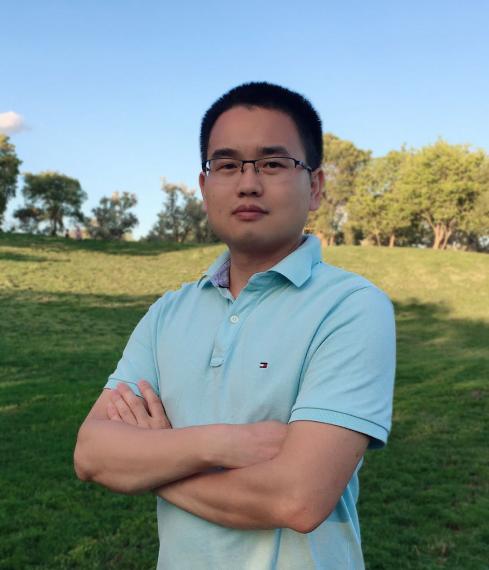
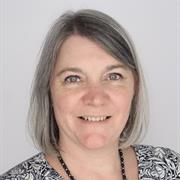
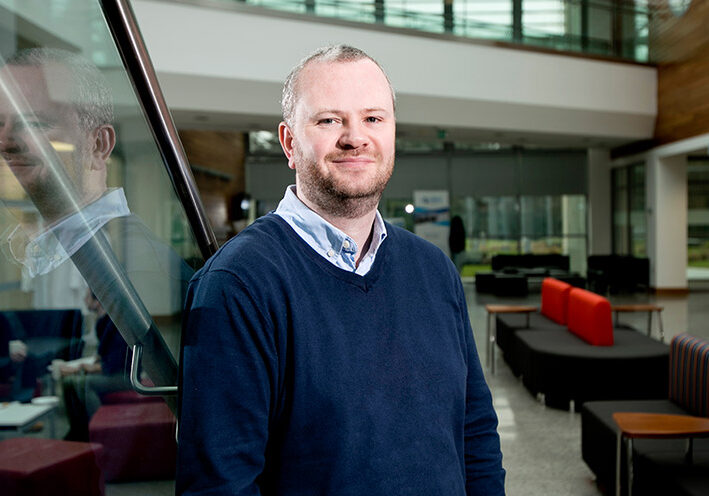
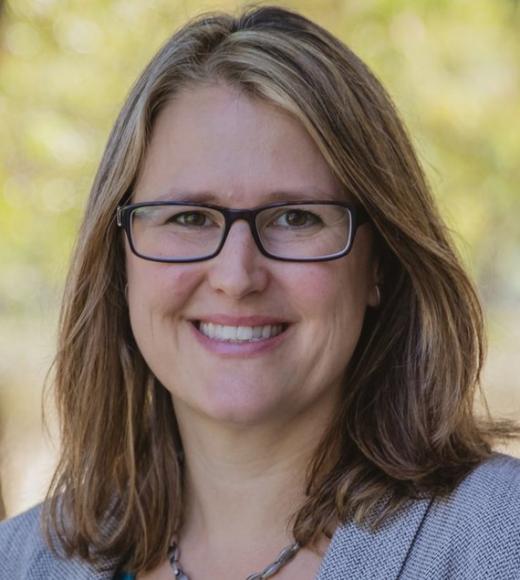
Dr. Sheng Yang is an Assistant Professor in the School of Engineering at the University of Guelph. He leads the Design Innovation and Intelligent Manufacturing (DIIM) lab, focusing on advancing additive manufacturing, generative design, and smart manufacturing technologies. His research integrates IoT, big data analytics, and bio-inspired design to address challenges in aerospace, green energy, and healthcare. Key areas include computational design for additive manufacturing, data-driven mass customization, and digital twin-based optimization. Education: Ph.D. in Mechanical Engineering from McGill University (2019), followed by a Postdoctoral Fellowship at McGill (2019–2020). Joined University of Guelph in 2020. Research interests span energy efficiency, complex system optimization, and personalized healthcare products. Recent work emphasizes digital twin synchronization in robotics, machine learning for quality prediction, and sustainable additive manufacturing processes. Notable awards include the 2019 Association of Commonwealth Universities Blue Charter Fellowship and 2018 ASME Best Paper Award. His lab actively seeks partnerships in personalized healthcare, product design, and smart manufacturing. Grants and collaborations focus on advancing manufacturing technologies and sustainability. No formal advisees listed, but active in graduate training through lab projects. The DIIM lab explores cutting-edge solutions for industrial and societal challenges through interdisciplinary approaches.
Ulrich Tallarek serves as Professor of Analytical Chemistry in the Faculty of Chemistry at Philipps University of Marburg, where he has held a W3 professorship since 2011. He also serves on the Board of Directors for the Materials Science Center at the university, a position he has held since 2007. His research group focuses on the fundamental understanding of transport phenomena in porous media with applications spanning chromatography, battery technology, and microfluidic systems. The group maintains strong collaborations with institutions worldwide and secures substantial research funding for advanced computational and experimental work. Professor Tallarek's research interests center on functional porous solids, with specific focus on morphology-transport-performance relationships. His work bridges multiple scales from molecular dynamics simulations of solute behavior in nanopores to macroscopic transport in chromatographic columns and battery electrodes. Key research areas include diffusion in hierarchical porous media, electrokinetic phenomena in microfluidic systems, molecular simulation of chromatographic processes, and advanced characterization of porous materials using tomography and other techniques. His group has pioneered multiscale simulation approaches that connect molecular-level surface chemistry to macroscopic transport properties. The research output demonstrates consistent focus on understanding fundamental transport mechanisms in porous systems, with recent publications emphasizing multiscale simulation techniques, molecular dynamics studies of solvent effects in chromatography, advanced characterization of mesoporous structures, and applications to separation science and energy storage. The work shows strong integration of computational modeling with experimental validation across multiple length scales. 2003: Desty Memorial Prize for Innovation in Separation Science, The Royal Institution of Great Britain, London 2006: Young Scientist Award from DECHEMA e.V. 2011: Named Discussion Leader at the 2011 Gordon Research Conference on Physics & Chemistry of Microfluidics 2011–2012: Chairman of the German Chemical Society (GDCh), Marburg 2013: Finalist, World Technology Awards, for category Environment 2013: Named as one of the 100 most influential analytical scientists in the world (The Analytical Scientist Power List) 2017: Recipient of the Silver Jubilee Medal 2017, The Chromatographic Society, UK Professor Tallarek's research has been supported by numerous grants enabling high-performance computing resources, advanced instrumentation, and international collaborations. His group maintains strong ties with industry partners in separation science and analytical instrumentation. The Tallarek Research Group includes postdoctoral researchers, PhD students, and technical staff working across experimental and computational domains. Current projects focus on molecular simulation of chromatographic processes, advanced characterization of porous battery electrodes, and development of novel separation methodologies. The Tallarek Research Group operates state-of-the-art facilities for computational modeling, including access to high-performance computing resources at Forschungszentrum Jülich. The group also maintains experimental capabilities for chromatographic analysis, materials characterization, and microfluidic device development. Their work on physically reconstructed porous media has established new standards for connecting microstructure to transport properties in complex materials systems.
Professor Karin Verspoor is the Dean of the School of Computing Technologies at RMIT University in Melbourne, Australia. She previously held roles as Director of Health Technologies and Deputy Head of the School of Computing and Information Systems at the University of Melbourne, and as Scientific Director of Health and Life Sciences at NICTA's Victoria Research Laboratory. Her research focuses on applying artificial intelligence methods to biomedical discovery and clinical decision support, particularly through natural language processing of clinical texts and biomedical literature. Affiliations: RMIT University (STEM College), Australian Alliance for Artificial Intelligence in Health (Victorian Node Lead) Industry Experience: Intelligenesis/Webmind Corp., Applied Semantics, Los Alamos National Laboratory, National ICT Australia Research Interests: Artificial Intelligence in Medicine Biomedical Natural Language Processing Health Informatics Computational Biology Cheminformatics Her work emphasizes cross-modal data integration, EHR analytics, and AI-driven clinical tools to address challenges in healthcare outcomes, musculoskeletal disorders, and infectious disease surveillance. Advising & Grants: Supervises research on AI-based decision-making frameworks, EHR data quality, and chemical knowledge extraction. Leads projects funded by initiatives like CANAIRI (Collaboration for Translational AI in Healthcare). Labs & Collaborations: Co-founder of the Australian Alliance for AI in Health, advancing national AI healthcare policy and translational research.
Dr. Jonathan Bones is an Associate Professor in the School of Chemical and Bioprocess Engineering at University College Dublin (UCD) and Principal Investigator of the Characterisation and Comparability Group at NIBRT. His research focuses on analytical methods for biopharmaceuticals, including liquid chromatography-mass spectrometry (LC-MS) for protein characterization, glycomics, and process optimization. He holds a BSc and PhD in Analytical Chemistry from Dublin City University. His work has been recognized through inclusion in the Medicine Maker Power List. He leads a team of 18 researchers, supported by SFI, EI, and industry partnerships. Education: BSc in Analytical Science (Chemistry), Dublin City University PhD in Analytical Chemistry, Dublin City University Research Interests: Development of advanced LC-MS platforms for glycomics, proteomics, and bioprocess analysis. Key areas include: Quantitative proteomics/metabolomics for bioprocess monitoring Liquid phase separations for complex bioanalysis Process analytical technology (PAT) His group collaborates with ThermoFisher Scientific on analytical workflows for biopharmaceutical characterization. Articles Trends: Recent work emphasizes analytical methods for AAV vector characterization, biosimilar comparability via MAM/iMAM, and process clearance of excipients. Over 126 publications highlight his contributions to biopharmaceutical quality control and process understanding. Awards: Medicine Maker Power List (2023): Top 100 influential scientists in biopharmaceutical manufacturing and analysis Advising & Grants: Supervises PhD students in bioprocessing and analytical chemistry Funding from Science Foundation Ireland (SFI), Enterprise Ireland (EI), and EU FP7 Industry collaborations with ThermoFisher Scientific and Bristol Myers Squibb Labs & Teams: Leads the Characterisation and Comparability Lab at NIBRT, focused on cutting-edge analytical tools for bioprocess development and product quality assurance.
Brett Smith is an Associate Professor in the UWA Business School at the University of Western Australia, affiliated with the School of Social Sciences and the Planning and Transport Research Centre (PATREC). His research focuses on transport planning, land use analysis, and choice modeling, with emphasis on autonomous vehicles, public transport policy, and gig economy workers' rights. He holds roles including UWA Research Representative on PATREC's Research Committee and Centre of Business Data Analytics Research Fellow. Education details are not explicitly listed in the text, but his professional roles and research output demonstrate advanced expertise. His research interests span micro-economic analysis, experimental design, and policy evaluation, with notable contributions to Perth's transport modeling and strategic planning. He has led over AU$2 million in industry-funded grants, including projects on e-rideables, working-from-home impacts, and land use-transport integration. His research has influenced state policies, such as public transport fare restructuring and strategic transport modeling updates. Awards include the Lyndsay Oxlad Best Paper Award and Eric Pas Dissertation Prize. He supervises students in areas like blockchain in food transparency and AV adoption, and teaches courses in business analytics and data-driven decision-making. Key Projects: Transport Mode Choice Development (PATREC, $80k) Impacts of e-Rideables (PATREC, $92k) Working from Home Transport Demand Modeling (i-Move CRC, $260k) Labs/Teams: PATREC, Centre of Business Data Analytics, and collaborations with global institutions like Leeds University and Czech Republic’s Transport Research Centre.
Dae-Jin Lee is an Assistant Professor at IE University’s School of Science and Technology, specializing in statistical modeling and data science. Previously, he served as a Research Line Leader at the Basque Centre for Applied Mathematics (BCAM) and coordinated the Knowledge Transfer Unit in Data Science/AI. His academic background includes a Ph.D. in Mathematical Engineering (2010) from Universidad Carlos III de Madrid and postdoctoral research at CSIRO (Australia). His research focuses on statistical methods for complex data, including penalized splines, tensor product smooths, and applications in biomedicine, epidemiology, environmental science, and sports analytics. He has led multidisciplinary projects funded by public and industry grants, collaborating globally with experts across fields like engineering, medicine, and biology. Key research themes include predictive modeling for health outcomes (e.g., SARS-CoV-2 pneumonia severity), sports injury prevention, and AI in healthcare. His work integrates machine learning with traditional statistical techniques, addressing real-world challenges like pedestrian dynamics simulations and automated medical diagnostics. He is actively involved in scientific organizations, including the Spanish Biostatistics Society and the Statistical Modelling Society. His recent publications highlight innovations in growth curve modeling, AI ethics, and spatiotemporal data analysis, reflecting his commitment to advancing both theoretical and applied statistics.
Barbara Linke is a Professor in the Department of Mechanical and Aerospace Engineering at the University of California Davis, affiliated with the College of Engineering. She leads the Laboratory for Manufacturing and Sustainable Technologies Research (MASTeR) and serves as Principal Investigator at the Advanced Highway Maintenance and Construction Technology (AHMCT) Research Center. Her research focuses on sustainable manufacturing processes, abrasive machining, and smart manufacturing technologies, with applications in aerospace, biomedical, and automotive sectors. Dr. Linke holds a Dr.-Ing. habil. and has been recognized with the UC Davis Chancellor’s Fellow (2021-2022) and the Outstanding Junior Faculty Award from the College of Engineering. She advises the UC Davis Student Chapter of the Society of Manufacturing Engineers (SME) and the Women Machinists’ Club. She collaborates with the Fire Research Group at UC Berkeley and the Wildfires Research Working Group at UC Davis, integrating sustainability into wildfire-related infrastructure projects. Her research interests include energy-efficient manufacturing systems, lifecycle assessments, and the integration of Industry 4.0 technologies. Notable contributions include developing frameworks for sustainable additive and subtractive manufacturing, analyzing residual stresses in aluminum alloys, and advancing mobile 3D printing for disaster response. Her work bridges engineering education with cutting-edge research, emphasizing hands-on projects like the Shigley Hauler design competition. Dr. Linke’s labs and affiliations include the Materials Decarbonization and Sustainability Center and the UC Davis AI Center in Engineering, reflecting her commitment to interdisciplinary innovation. She has authored over 50 peer-reviewed articles, with recent focus on smart manufacturing systems, renewable energy integration in machining, and sustainable biomedical implant production.
Dr. Jiseong Kim serves as a Visiting Assistant Professor in the Department of Mathematics at the University of Mississippi, affiliated with the College of Liberal Arts. His research focuses on Analytic Number Theory , exploring advanced topics such as divisor functions, Hecke eigenvalues, and Goldbach conjectures. He teaches core courses including Unified Calculus & Analytic Geometry I, III, IV, and Elementary Differential Equations. His recent work emphasizes applications of zero-free regions, shifted sums, and ergodic averages in number-theoretic contexts. Research Interests: Analytic Number Theory with specializations in additive problems, distribution of arithmetic functions, and L-functions. His studies often involve advanced techniques from modular forms and automorphic representations. His publications (2021–2024) reveal a focus on primes in short intervals, divisor function behavior, and Hecke eigenvalue distributions. While no awards are explicitly listed, his active publication record indicates strong scholarly engagement. Teaching responsibilities include foundational calculus and differential equations courses. No grants or student advisees are currently documented.
Professor Anne Verhoef is a leading academic at the University of Reading, specializing in environmental and hydrological sciences. Her research focuses on soil-plant systems, climate change impacts, groundwater dynamics, and remote sensing applications in ecological modeling. She collaborates internationally on projects like GEWEX and AMMA, advancing understanding of global hydrological cycles and land-atmosphere interactions. Key Research Areas: Hydrological modeling and prediction Climate change adaptation in semi-arid regions Soil health and pedotransfer functions Evapotranspiration dynamics in tropical ecosystems Remote sensing for biodiversity and water resource assessments Her work integrates field observations, satellite data, and numerical models to address challenges in water resource management, flood mitigation, and sustainable agriculture. She has published widely in top journals such as Reviews of Geophysics , Water Resources Research , and Nature Reviews Earth & Environment . Professor Verhoef contributes to interdisciplinary initiatives, including climate adaptation strategies in transboundary regions and improving land surface models for global Earth system simulations. Her research emphasizes bridging gaps between observational data and predictive frameworks to inform policy and environmental decision-making.
Dr. Edoardo Bertone is a Senior Lecturer at Griffith University's School of Engineering and Built Environment - Architecture and Design. He holds a PhD in Water Resources Engineering from Griffith University and Bachelor/Master degrees in Civil Engineering from the Polytechnic University of Turin. His research focuses on data-driven modeling, Bayesian Networks, and System Dynamics applied to water resources management, climate change adaptation, and the water-energy nexus. He is affiliated with Griffith's Cities Research Institute and Australian Rivers Institute, collaborating on projects with water utilities, governments, and private entities. Dr. Bertone has received awards such as the 2024 PVC Science Excellence in Teaching and the JSPS Fellowship (2022). He supervises doctoral and master's students in areas like water quality management and climate change impacts. Education: PhD in Engineering (Griffith University, 2015); MEng and BEng in Civil Engineering (Polytechnic University of Turin, 2009-2011). Research Interests: Water quality modeling, drinking water optimization, data-driven prediction, climate change adaptation, and sustainable development goals. He leads over 25 funded research projects, including initiatives on reservoir water quality management in Thailand, real-time nutrient monitoring, and cyanobacteria bloom modeling. Dr. Bertone’s work integrates advanced sensors, machine learning, and Bayesian networks to address environmental challenges. Awards: Listing includes PVC Excellence Awards (2024, 2017), JSPS Fellowship, and recognition as a Rising Star in Queensland Science (2015). Grants & Supervision: Principal supervisor for 10+ doctoral candidates and collaborator on projects funded by Seqwater, CSIRO, and the Ian Potter Foundation. Key grants include $745k for biofertilizer combatting eutrophication and $269k for coagulation optimization models. Dr. Bertone’s contributions extend to urban sustainability, co-editing the book *SeaCities: Urban Tactics for Sea-Level Rise* and developing frameworks for integrating SDGs into architectural education.
Shabaz Mohammed is an Associate Professor of Proteomics at the University of Oxford, holding joint appointments in the Departments of Chemistry and Biochemistry. Since 2020, he has served as Head of the Mechanistic Proteomics research programme at the Rosalind Franklin Institute. His research focuses on advancing proteomics technologies to study protein post-translational modifications and their roles in cellular processes, with applications in viral infections and disease mechanisms. Education: BSc in Chemistry, UMIST (now The University of Manchester), 1999 PhD in Biological Mass Spectrometry, University of Manchester, 2003 Postdoctoral Research, University of Southern Denmark (with Ole Jensen), 2005-2008 Postdoctoral Research, Utrecht University (with Albert Heck), 2008 Professor Mohammed's research centers on developing novel mass spectrometry approaches for large-scale characterization of protein post-translational modifications (PTMs). His group innovates in chromatographic techniques for single-cell proteomics, creates materials for PTM enrichment (glycosylation/phosphorylation), and applies these tools to study viral infections (SARS-CoV-2), cell cycle regulation, and signaling pathways. His work bridges chemistry, biochemistry, and cell biology to understand dynamic protein functions in health and disease. His recent publications (2023-2025) demonstrate strong emphasis on viral proteomics, particularly virus-host RNA-binding protein interactions, and innovations in mass spectrometry fragmentation techniques and chromatography. Key themes include viral remodeling of host cells, new labeling strategies for PTMs, and advancements in single-cell proteomics, with significant implications for understanding viral pathogenesis. Scientific Awards: No specific awards or fellowships were detailed in the source material. Advising and Grants: Information regarding graduate students supervised or specific research grants was not provided in the available text. As an active research group leader, Professor Mohammed likely mentors PhD students and secures competitive funding for proteomics research. Laboratories and Collaborations: Professor Mohammed leads a research group at Oxford focused on proteomics technology development. He collaborates extensively with the Ben Davis group on PTM detection materials and across the university on biochemical applications. At the Rosalind Franklin Institute, he heads the Mechanistic Proteomics programme to unravel protein functions through advanced proteomic methods.
Joey Yang is a Professor of Civil Engineering at the University of Alaska Anchorage (UAA), serving as Associate Director of the Alaska University Transportation Center and Director of the Geotechnical and Frozen Ground Engineering Research Laboratory. His expertise spans geotechnical and earthquake engineering with a focus on cold regions, including permafrost dynamics, infrastructure resilience, and de-icing technologies. He holds a Ph.D. from the University of California, Davis, and a B.S. from Chengdu University of Science and Technology. Education: Ph.D., Civil and Environmental Engineering, University of California, Davis B.S., Hydraulic Engineering, Chengdu University of Science and Technology Research Interests: Dr. Yang's work addresses geotechnical challenges in cold regions, including permafrost thaw, seismic site response, frozen soil-pile interaction, and fungal mycelium-based biofoams for insulation. His research is funded by NSF EPSCoR, USGS, USDOT, and others. Professional Contributions: Chief Editor, ASCE Journal of Cold Regions Engineering Editorial Board Member, Cold Regions Science and Technology Keynote/Theme Session Speaker at International Permafrost and Earthquake Conferences Awards: Arctic Kicker Prize (2015) Outstanding Reviewer Awards (2010, 2014) ASTM Technical Editors Award (2014) Advising & Grants: Dr. Yang has advised over 20 visiting scholars and secured multi-million-dollar grants for cold regions infrastructure research. His lab focuses on advancing technologies for permafrost engineering, seismic resilience, and sustainable construction. Labs/Teams: Leads the Geotechnical and Frozen Ground Engineering Research Laboratory, collaborating with global partners on cold regions challenges.
Aileen Nielsen is a Ph.D. Candidate at ETH Zurich's Center for Law & Economics and a Fellow in Law & Tech. She holds a J.D. from Yale Law School, a B.A. in Anthropology from Princeton University, and advanced degrees in Applied Physics (Columbia) and Comparative Human Development (University of Chicago). Her research focuses on regulatory and judicial responses to technological innovation, particularly in AI governance, data privacy, and medical technology. She has practiced law in NYC and worked in tech startups across healthcare and political organizations. Education: Ph.D. Candidate (ETH Zurich), J.D. (Yale), M.S. Applied Physics (Columbia), M.A. Comparative Human Development (Chicago), B.A. Anthropology (Princeton) Her work combines empirical and experimental methods to address challenges like algorithmic fairness, AI liability in medicine, and public perceptions of data markets. Recent findings explore regulatory frameworks for AI systems and the ethical implications of algorithmic surveillance. She teaches courses on algorithms and fairness, law & tech research, and authentication security. Publications span law journals, cybersecurity white papers, and AI ethics conferences, with a focus on balancing innovation with societal accountability. Her books Practical Fairness and Practical Time Series Analysis further bridge technical and legal domains.
Francesco Cellarosi is an Associate Professor in the Department of Mathematics and Statistics at Queen's University, within the Faculty of Arts and Science. His research focuses on the intersection of dynamics, probability theory, ergodic theory, number theory, and mathematical physics. He investigates how classical number-theoretic objects exhibit random features, employing dynamical methods such as spectral theory of group actions and analysis of flows on homogeneous spaces. Educational Background: PhD in Mathematics (2011), Princeton University MSc in Mathematics (2007), Princeton University Laurea Magistrale (Master's) in Mathematics (2006), Università degli Studi di Bologna Research Interests: Dr. Cellarosi explores probabilistic phenomena in number theory, including theta sums, quadratic Weyl sums, and k-free integers. His work bridges ergodic theory and quantum mechanics, analyzing autocorrelation functions and spectral properties of physical systems. Key themes include limit theorems, random processes of number-theoretic origin, and applications to statistical mechanics. Professional Profile: He teaches advanced courses such as MATH 892 and MATH/MTH 328. His office is Jeffery Hall 506, and he maintains a Google Scholar profile and personal website. No awards are explicitly listed, but his extensive publication record reflects scholarly contributions. Labs/Teams: While no specific labs are mentioned, his collaborations span pure mathematics and mathematical physics, often involving interdisciplinary dynamics and probability.
Theodora Varvarigou is a Professor in the Department of Electrical and Computer Engineering at the National Technical University of Athens (NTUA). She holds a B.Eng. from NTUA and M.Eng. and Ph.D. degrees from Stanford University. Her career includes research at AT&T Bell Labs and roles at the Technical University of Crete. From 2008-2012, she served as director of NTUA's 'Technoeconomic Systems' postgraduate program. Her research focuses on Cloud Computing, Multimedia Content Processing, Social Networking Technologies, and emerging areas like blockchain, edge computing, and cybersecurity. She has published over 200 papers and led numerous European research projects, emphasizing scalable systems, data management, and smart infrastructure applications. Her work spans technical innovations such as intrusion detection systems, edge resource optimization, and blockchain-based solutions for IoT, healthcare, and smart cities. Recent publications highlight advancements in AI-driven resource allocation, privacy-preserving blockchain designs, and predictive analytics for edge computing environments. Professor Varvarigou has contributed to interdisciplinary initiatives, including cohort data harmonization in biomedical research and social media analytics for urban planning. Her teaching includes courses on digital systems, network programming, and fault-tolerant systems.