Justin Joque is an Adjunct Lecturer in the Department of American Culture at the University of Michigan, part of the College of Literature, Science, and the Arts. His office is located at 260C Hatcher. His research interests span interdisciplinary fields such as digital humanities, cybersecurity, library science, and multiculturalism. He focuses on topics like data visualization in academic settings, the philosophical underpinnings of technology, and the intersection of cultural studies with digital scholarship. His work frequently bridges theory and practice, addressing challenges in information security, historical web data analysis, and the role of librarians in grant-driven interdisciplinary projects. Notable contributions include exploring cybersecurity pedagogy, sonification techniques, and the representation of cultural narratives in museums. While no awards are explicitly listed, his publications reflect a commitment to advancing methodologies in data analysis and library services. His advising and grants involvement is evident through collaborative projects documented in his 2017 article on librarian roles in grant initiatives. He contributes to the American Culture department’s mission through teaching and research that integrates technology with humanities.
Dr. Shawn Bodden is a Research Fellow at the University of Edinburgh with a focus on social geography, civic innovation, and emergent forms of place-based activism. His work bridges community engagement and academic research through projects like Living with SAD and Rebuilding the Tool Library , collaborating with institutions such as the Edinburgh Tool Library, Transition Scotland, and the Scottish Communities Climate Action Network. Research Interests include energy demand reduction, low-carbon public infrastructure, public sector and civil society data economies, and evolving concepts of 'the public good' in historical and cross-cultural contexts. His methodology combines long-term ethnography with interaction analysis to explore how communities negotiate environmental and social challenges. The articles reflect trends in Human Geography , Mental Health , Urban Studies , and Political Activism . Topics range from biosocial solidarity in SAD experiences to political practices in Hungarian community centers and interspecies dynamics in urban spaces. Collaborative Projects span community-led initiatives like the Wintering Well workshop series, tool library innovations, and interdisciplinary work with geography, psychiatry, and the arts. He is also developing online resources and toolkits for seasonal mental health support, including partnerships with the NHS and Glasgow City Council.
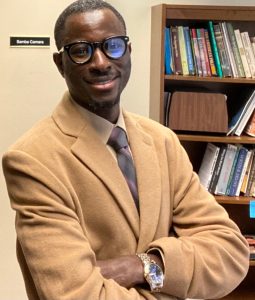
Samba Camara is a Teaching Assistant Professor in the Department of African, African American, and Diaspora Studies at the University of North Carolina at Chapel Hill. He holds a Ph.D. in Interdisciplinary Arts from Ohio University, M.A. degrees in African Studies (Ohio University) and English & African American Studies (Université Cheikh Anta Diop de Dakar), and a B.A. in English from the same university in Dakar. His research focuses on African literature, global Black popular cultures, decolonial studies, and the cultural digitization of endangered manuscripts. Camara is currently working on a monograph exploring Islam and ethical personhood in Senegalese popular music, co-editing a volume on African languages and modernity, and completing a British Library-funded digitization project preserving Pulaar Islamic manuscripts from Senegal and Mali. His publications span music ethnography, film criticism, and postcolonial theory, with recent emphasis on intersections between Islam, gender, and cultural production. He teaches courses on African film, literature, Wolof language, and Islamic Africa's cultural dynamics. Camara’s Fulbright experience drives his commitment to international educational partnerships and curricula globalization. Key Projects: Digitization of Pulaar manuscripts, co-editing African Languages, Literatures, and Modernity Grants: British Library funding for cultural preservation Awards: Former Fulbright Scholar His work bridges academic rigor with community engagement, emphasizing decolonial methodologies and cultural preservation.
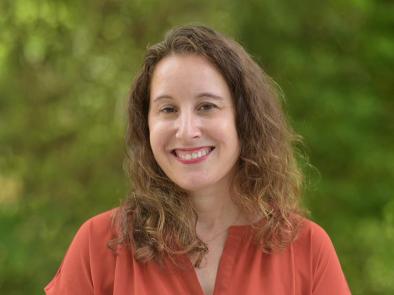
Dr. Alexandra Chassanoff is an Assistant Professor at the University of North Carolina at Chapel Hill's School of Information and Library Science (SILS). Her research focuses on born-digital cultural heritage, digital curation, and community-driven preservation strategies. She holds a PhD in Information Science from UNC Chapel Hill and previously served as a DLF/CLIR postdoctoral fellow in Software Curation at MIT. Education: BA, Brandeis University MS in Information Science, UNC Chapel Hill PhD in Information Science, UNC Chapel Hill Research Interests: Chassanoff explores digital preservation workflows, software curation in academic libraries, and the intersection of cultural heritage with emerging technologies. Her work emphasizes collaborative frameworks for ensuring long-term accessibility of digital materials, particularly through projects like the OSSArcFlow Guide and the BitCurator initiative. Awards: 2021 Society of American Archivists Preservation Publication of the Year for The OSSArcFlow Guide to Documenting Born-Digital Workflow Professional Contributions: She has led workshops on digital preservation pedagogy and contributed to initiatives like the DLF Born Digital Access Working Group. Her scholarship bridges technical preservation practices with community engagement strategies in cultural heritage institutions.
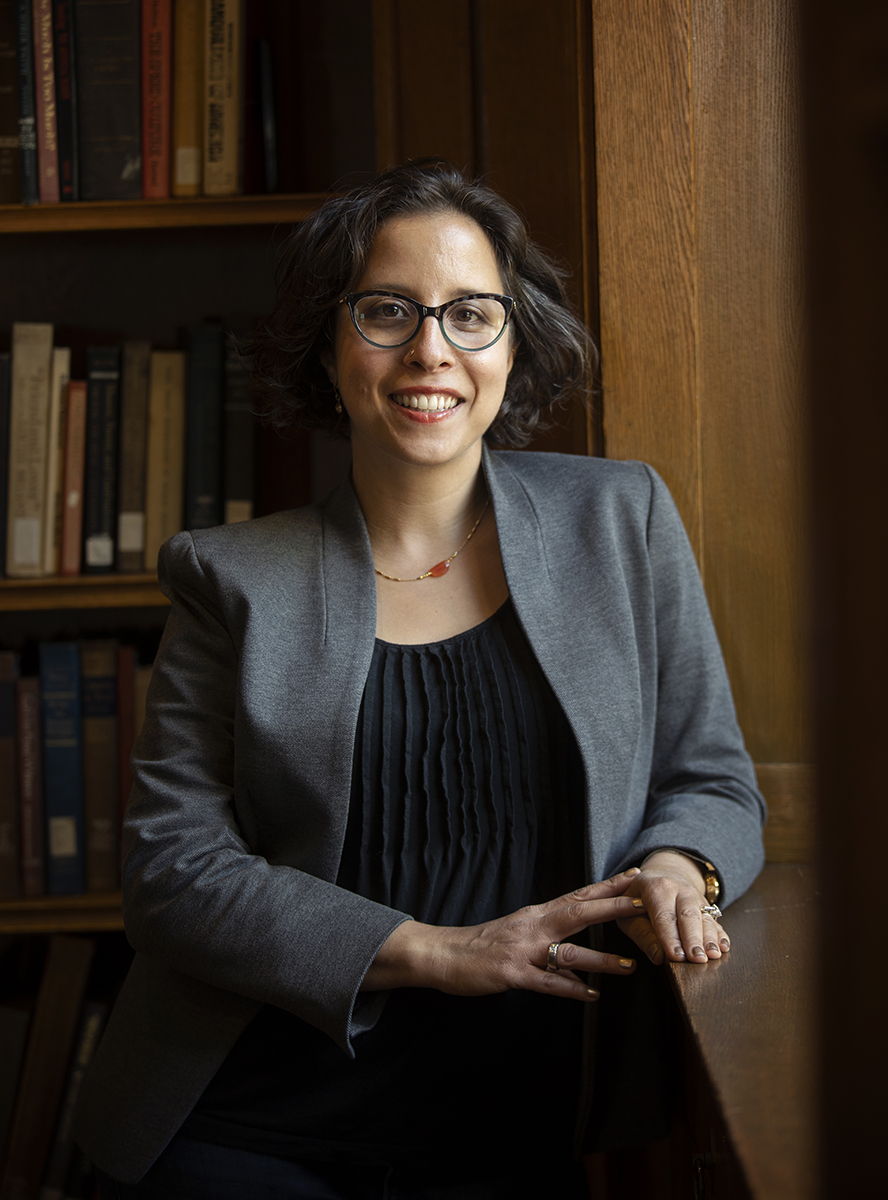
Nora Rubel is the Jane and Alan Batkin Professor in Jewish Studies and Associate Professor of Religion at the University of Rochester's School of Arts & Sciences, Department of Religion and Classics. She chairs the department and holds affiliations with the Susan B. Anthony Institute for Gender, Sexuality, and Women’s Studies, and the Frederick Douglass Institute for African and African American Studies. Rubel earned her PhD in American Religions from the University of North Carolina at Chapel Hill (2005), with a dissertation on ultra-Orthodox Jewish imagery in American culture. Her research focuses on American religion, race/ethnicity, and religion-food intersections. Notable works include Doubting the Devout (2009) and Religion, Food, and Eating in North America (2014, co-edited). She has held leadership roles in the American Academy of Religion, steering committees on religion-food studies, and academic service roles at multiple institutions. Rubel’s scholarship bridges historical and contemporary topics, examining Jewish identity through foodways, media representation, and communal practices. Her articles and lectures address topics like cookbooks as cultural artifacts, Yom Kippur rituals, and Black-Jewish religious movements. She has received grants from the American Academy of Religion, Schlesinger Library, and others. Beyond academia, she engages public audiences through media commentary on Jewish communities and cultural issues.
Eva Pfanzelter is an Associate Professor at the Institute of Contemporary History, University of Innsbruck, where she also serves as Deputy Director. She is a leading scholar in digital humanities, Holocaust studies, migration history, and cultures of remembrance. Her international academic engagement includes visiting professorships at Leiden University and the University of New Orleans. She leads the Research Center for Digital Humanities at the University of Innsbruck and is actively involved in major interdisciplinary research projects such as NewsEye (H2020) and optionMUDI. Her research interests span contemporary European and regional history, with a focus on transcultural memory, digital history, and public history. She has made significant contributions to understanding Holocaust memory in digital spaces, migration narratives, and the politics of commemoration. Her work integrates historical scholarship with digital methodologies, emphasizing interdisciplinary collaboration. The most recent publications highlight a strong trend in digital humanities, particularly the analysis of Holocaust memory in online and social media environments, the use of digital newspaper archives, and methodological innovations in historical research. Her work bridges traditional historical inquiry with computational tools, exploring how digital platforms shape collective memory and historical discourse. Europa Nostra Heritage Award 2024 (NewsEye project) Lehreplus! Prize 2014 (University of Innsbruck) Global Ambassador Award 2012 (Eastern Illinois University) Funding commitment 2010 (University of Innsbruck) Research scholarship 1997–1999 (Association for South Tyrolean Scholars) Pfanzelter is deeply involved in academic service, including thesis supervision, editorial work (co-editor of historia.scribere ), and leadership roles in academic governance. She has led significant research projects on return migration, digital interfaces for historical newspapers, and the memory of the South Tyrol Option. She collaborates with institutions across Europe and North America and is a respected voice in digital history and Holocaust studies. She is a key figure in the digital humanities community at the University of Innsbruck, leading the DH@Innsbruck initiative and promoting digital literacy in historical research. Her work on public history and online commemoration has influenced how institutions and scholars engage with digital memory practices.
Dr. Andrew Cox is a Senior Lecturer at the University of Sheffield's School of Information, Journalism and Communication. He holds a PhD from Loughborough University and has expertise in information science, artificial intelligence, and research data management. Cox is affiliated with the Digital Societies Research Group and previously led the SCONUL Transformation Group project on future academic libraries. Education: BA (Open) MA (TVU) MSc (UWA) MA (Open) MEd (Sheffield) PhD (Loughborough) Research Interests: Dr. Cox focuses on the societal impacts of AI, datafication, and managerialism on information professions. He explores how libraries and information professionals adapt to technological trends, including AI ethics, health data journeys, and community-driven knowledge preservation. His work integrates practice theory and qualitative methods, often involving visual research techniques. Publications: His recent work includes studies on AI's role in libraries, generative AI in education, and health data ethics. Key themes include library strategic responses to AI, algorithmic literacy, and the intersection of technology and well-being. Awards: University of Sheffield Senate Teaching Award (2009-10) Senior Fellow of the Higher Education Academy CILIP Fellowship (2013) Grants & Projects: Cox leads/funded initiatives such as the Xochimilco placemaking project (£6,800), the RDMRose OER initiative (£60,000), and studies on library space design. He collaborates internationally on topics like AI in academic writing and mental health support. Supervision: He supervises PhD students on topics ranging from AI in libraries to international student transitions. Completed students include experts in Thai cultural heritage management and health data flows. Professional Roles: Cox is a former external examiner for LIS programs at UCL Qatar and Swedish universities. He sits on editorial boards for Information Research and contributes to CILIP policy reports on AI and librarianship.
Scott Harris Podolsky, M.D., is a Professor of Global Health and Social Medicine at Harvard Medical School (HMS) and serves as the Director of the Center for the History of Medicine at the Countway Medical Library. He is also an affiliate of the Department of History of Science within Harvard University's Faculty of Arts & Sciences. A practicing primary care physician at Massachusetts General Hospital, Dr. Podolsky holds dual degrees from Harvard: a B.A. summa cum laude in History and Science from Harvard College, and an M.D. magna cum laude from Harvard Medical School. His research interests focus on the intersection of medical history, global health policy, and ethical dimensions of healthcare delivery. As director of the Center for the History of Medicine, he leads initiatives exploring the historical contexts of medical innovation, public health systems, and the social determinants of health. His work integrates historical analysis with contemporary challenges in global health equity and medical ethics. Affiliations include leadership roles in HMS's Department of Global Health and Social Medicine and collaborations with the Faculty of Arts & Sciences. His academic contributions emphasize translating historical insights into actionable strategies for improving healthcare access and quality in underserved populations.
Dr. Say Yen Teoh is a Senior Lecturer in the Department of Accounting, Info Sys & Supply Chain at RMIT University. Her research focuses on digital sustainability, AI, blockchain, and health information systems, with a growing emphasis on ESG principles and AI integration. She holds a PhD from the National University of Singapore and has collaborated internationally across sectors like healthcare, manufacturing, and fashion. Her work emphasizes real-world impact, addressing challenges in supply chain traceability, preventive care systems, and SME digital transformation. Notable achievements include the AI-powered ESG artifact and contributions to eHealth systems in value-based healthcare. Dr. Teoh has supervised projects on sustainable AI for SMEs, blockchain in food supply chains, and public library data management. Her awards include the 2017 SAP Academic of the Year and NUS PhD Scholarship. Teaching interests span digital innovation, enterprise systems, and digital strategy. Education: PhD (National University of Singapore), Honours Degree (Monash University) Collaborations: Australia, China, Malaysia, Singapore, Thailand, USA Key Research Themes: Sustainable AI, Blockchain in Supply Chains, Health Informatics
Oksana Zavalina is a Professor at the University of North Texas, specializing in information organization, metadata standards, and digital library systems. She holds a Ph.D. and M.L.I.S. from the University of Illinois (Urbana-Champaign) and a B.S. in Library and Information Science from Kiev State Institute of Culture. Her work focuses on metadata quality evaluation, digital language archives, and interdisciplinary collaboration in cultural heritage preservation. Her research interests include information retrieval systems, semantic web technologies, and the application of metadata standards in diverse contexts. Notable projects include the LAMlang Arc Training Project and studies on AI-generated metadata accuracy. She has also explored metadata practices in Arabian Gulf academic libraries and audiovisual resources in Kuwaiti institutions. Zavalina has published extensively on metadata change analysis, digital library infrastructure, and user interactions with digital collections. Her work bridges library science, linguistics, and technology to address challenges in knowledge representation and preservation. She actively contributes to workshops on historical linguistic datasets and digital archive stewardship, emphasizing education and community engagement in archival practices.
Savannah L. Kelly is Associate Head and Associate Professor in the Scholar Support and Data Services (SSDS) Department at the University Libraries of the University of Mississippi. She plays a key role in advancing data and statistical literacy among students, faculty, and librarians through research, instruction, and collaboration. Her educational background includes a PhD in Higher Education with an Interdisciplinary Minor in Applied Statistics, a Master of Library and Information Science, and a Bachelor of Science in Psychology with a minor in Philosophy. Dr. Kelly's research focuses on promoting data science and statistical competencies in higher education, interdisciplinary research collaborations, and understanding students’ perceptions of STEM majors and careers. She is passionate about improving quantitative research skills and supporting learners through innovative pedagogical approaches. Her recent publications and presentations highlight a strong trend in statistical education, research data services, information literacy, and academic librarianship. She emphasizes accessible data science training, the use of tools like R and Zotero, and the importance of aligning library services with student needs. IRDL Scholar (2016) IRDL Mentor (2018–2020) ACRL Immersion Program (Teacher Track, 2010; Assessment Track, 2012) Excellence in Assessment Award, Westmont College (2012) People’s Choice Award, EBLIP 2017 Dr. Kelly actively mentors students and collaborates across disciplines. She has led workshops and developed programming such as an R workshop series for graduate students. Her work is supported by professional development grants and institutional programs like IRDL. She is a Certified Instructor for The Carpentries, reflecting her commitment to open, reproducible research practices. She contributes to library-led research through projects on student research challenges, faculty-librarian collaboration, and service loads in academic librarianship. Her work helps shape library instruction, research support services, and data science initiatives at the institutional and national levels.
Jaena Alabi is a faculty member at Auburn University, affiliated with the University Libraries. Her expertise spans library science, academic librarianship, and diversity initiatives, with a focus on transforming racial climates in academic libraries and enhancing collaborative educational practices. Research interests include: Diversity and inclusion strategies in library environments Peer review systems for librarian teaching Mentoring frameworks addressing psychosocial factors Racial microaggressions in academic settings Interdisciplinary collaboration between libraries and writing centers Her publications from 2012-2020 emphasize racial climate transformation, mentorship, and curriculum development. While no formal awards are listed, her work has been cited in significant LIS publications and she maintains active research guides covering psychology, literature, and technical communication.
Lukasz (Luke) Ziarek serves as Associate Dean for Academic Affairs and Associate Professor in the Department of Computer Science and Engineering at the University at Buffalo's School of Engineering and Applied Sciences. His work bridges theoretical computer science with practical systems engineering, focusing on real-time capabilities in distributed environments and safety-critical applications. His educational foundation includes a PhD in Computer Science from Purdue University (2011) and a BS in Computer Science from the University of Chicago (2003). Ziarek's research centers on formal verification of distributed protocols , real-time systems engineering , and mobile/embedded computing . He pioneers session type theory for IoT security, develops real-time variants of Android (RTDroid) and Standard ML (RTML), and investigates UAV software reliability. His work consistently addresses the tension between theoretical guarantees and practical system constraints in concurrency, timing, and security. Recent publications (2022-2025) reveal three dominant trajectories: formal methods for rate-based session types in IoT protocols, performance analysis of visual SLAM systems for robotics, and security vulnerabilities in embedded platforms like ARM TrustZone. These threads converge on ensuring correctness and timeliness in resource-constrained distributed systems. His scientific accolades include the IEEE Region One Technological Innovation Award (2023) and NSF CAREER Award (2018), reflecting dual excellence in research and education. IEEE Region One Technological Innovation (Academic) Award, 2023 President Emeritus and Mrs. Meyerson Award for Distinguished Undergraduate Teaching and Mentoring, 2022 NSF CAREER Award, 2018 SEAS Early Career Teacher of the Year, 2016 Halstead Award for Outstanding Research in Software Engineering, 2009 Intel Fellowship, 2008 GAANN Fellowship, 2004 Ziarek directs significant research initiatives including a $900K NSF UAV infrastructure project (as PI) and a $1.7M MRI grant for connected vehicle testing. His funding portfolio spans real-time systems, compiler design, and pocket-scale data management, emphasizing collaborative, interdisciplinary approaches to software reliability. CRI:CI-New UAV Infrastructure ($900K, PI 31%) NSF CAREER: Real-time Object-Oriented Systems ($500K, PI 100%) MRI: iCAVE2 Vehicle Testing ($1.7M, co-PI 14%) III: Just-in-Time Data Structures ($499K, co-PI 50%) II-EN: MLton Compiler Research ($606K, PI 63%) He leads an open-source ecosystem including RTDroid (real-time Android), Multi-MLton (parallel SML compiler), and BlueSeal (Android security analyzer), fostering community-driven advances in systems software.
Julie Myre Bisaillon est chercheuse en éducation à l'Université de Sherbrooke, spécialisée dans le développement de la littératie précoce, l'éveil à la lecture et à l'écriture, et les pratiques éducatives en milieux ruraux et défavorisés. Ses travaux explorent les interactions entre les familles, les éducateurs et les communautés pour améliorer les résultats scolaires des jeunes enfants. Doctorat en Éducation (2004), Université de Sherbrooke Ses recherches couvrent: Les approches éducatives contextualisées La didactique du français Les troubles du langage écrit et oral La littératie familiale Les transitions préscolaire-scolaire Les méthodes inclusives pour enfants vulnérables Ses projets récents incluent: Implantation d’ateliers de lecture interactive en milieux ruraux défavorisés (2022-2023, CRSH: 94,257$) Programmes de littératie familiale pour organismes communautaires (2021-2023, FRQSC: 189,716$) Études sur l’inclusion en services de garde en milieu familial Ses publications analysent: L’impact des albums jeunesse sur le développement global Les stratégies pédagogiques pour élèves en difficulté Les synergies entre école, famille et communauté Elle a organisé plusieurs colloques internationaux sur la littératie, notamment à l'ACFAS (2013-2022) et des congrès en France, Suisse, Brésil et Afrique du Sud. Ses collaborations incluent des équipes interdisciplinaires (psychologues, enseignants, bibliothécaires) et des partenariats avec des ministères québécois.
Christopher J. Renz, OP is a Professor of Liturgical Studies at the Dominican School of Philosophy & Theology (DSPT). He also serves as Director of Institutional Research and Director of Blackfriars Gallery & Library. His academic career bridges scientific inquiry with theological reflection, emphasizing the intersection of beauty, spirituality, and human flourishing. PhD, Northwestern University MA, Graduate Theological Union MDiv, Dominican School of Philosophy & Theology BS, St. Peter’s College Renz’s research explores: (1) the theological implications of beauty and creative intuition in Catholic culture and worship, (2) the integration of science and religion in understanding the human person, and (3) sustainable practices in food production informed by Catholic anthropology. His work connects liturgical studies with healthcare, environmental ethics, and sacred arts. His recent publications focus on the role of artistic imagination in clergy well-being, liturgical adaptation in the Anthropocene era, and the theology of vestments and hymnography. These reflect interdisciplinary interests in aesthetics, ecology, and sacramental practice. Scientific awards include a Templeton Foundation grant for his course 'Poetry & Creative Intuition.' He collaborates with national initiatives like the 'Science for Seminaries' Project, promoting science-theology dialogue. Renz oversees Blackfriars Gallery & Library, fostering connections between Dominican artistic heritage and contemporary theological inquiry. His work emphasizes the Order’s motto, Veritas , through integrating truth, goodness, and beauty in academic and liturgical contexts.