About
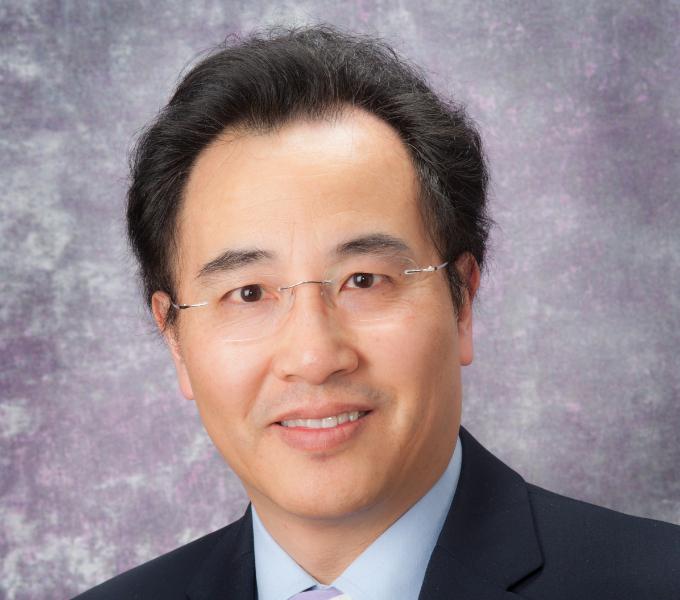
Dr. Yan Xu serves as Vice Chair for Basic Sciences in the Department of Anesthesiology and Perioperative Medicine at the University of Pittsburgh School of Medicine, holding the distinguished Peter Winter Professorship in Anesthesiology. He additionally maintains professorial appointments in Pharmacology & Chemical Biology, Physics & Astronomy, and Structural Biology, reflecting his highly interdisciplinary research approach. His educational background includes a BS and MS in Physics and Physical Chemistry from the University of Science and Technology of China, a PhD in Physical Chemistry from State University of New York at Stony Brook, and a Postdoctoral Research Fellowship in Pharmaceutical Chemistry and Anesthesiology at the University of California, San Francisco.
Dr. Xu's research spans multiple cutting-edge domains:
- Molecular mechanisms of anesthesia and consciousness
- Structural biology of membrane proteins and ion channels
- Neurogenesis and angiogenesis in adult brain
- Gene and stem cell therapy for cerebral ischemia after cardiac arrest
- Computational modeling of protein structures and drug interactions
His laboratory employs a sophisticated multidisciplinary approach combining NMR spectroscopy, molecular dynamics simulations, and functional assays to investigate how anesthetic agents interact with neuronal receptors at atomic resolution. Recent publications (2021-2025) demonstrate his continued leadership in elucidating structural mechanisms of receptor modulation, including work on SARS-CoV-2 spike protein interactions with neuronal receptors and development of novel receptor modulators. His research bridges fundamental molecular mechanisms with potential clinical applications in anesthesia, pain management, and neurological disorders.
Dr. Xu has established a robust research program with over 178 publications documented in the NCBI bibliography, spanning from the 1980s to the present. His work on anesthetic binding sites in ion channels has significantly advanced understanding of the molecular basis of anesthesia. His laboratory (Xu Lab) continues to produce high-impact research with numerous publications in top-tier journals through 2025, reflecting sustained scientific productivity and relevance.