
About
Dr. Stuart Lipton is an Adjunct Professor of Neurology at Yale School of Medicine, renowned for his expertise in dementia and neurodegenerative disorders. With an active clinical neurology practice and a basic-science laboratory, Dr. Lipton has made significant contributions to understanding Alzheimer's disease mechanisms and developing therapeutic approaches. His work bridges clinical neurology with molecular neuroscience, focusing particularly on NMDA receptor function and protein modifications in neurodegeneration.
Dr. Lipton received his education from prestigious institutions:
- BA in Neurobiology and Immunology from Cornell University (1971)
- MD and PhD in Biochemistry & Biophysics from University of Pennsylvania (1977)
- Internship in Medicine at Beth Israel Deaconess Medical Center, Harvard Medical School (1978)
- Residency and Chief Residency in Neurology at Brigham & Women's Hospital, Beth Israel Deaconess Medical Center, Boston Children's Hospital (1981)
- Research Fellowship at Harvard Medical School, Dept. of Neurobiology (1983)
Dr. Lipton's research focuses on the molecular mechanisms of neurodegenerative diseases, particularly Alzheimer's disease. His work centers on NMDA receptor function, protein S-nitrosylation, and synaptic damage pathways. He is best known for describing the mechanism of action of memantine (Namenda®), an FDA-approved Alzheimer's drug, and for discovering protein S-nitrosylation. More recently, he developed NitroSynapsin, a novel drug showing disease-modifying activity in Alzheimer's models. His laboratory also investigates HIV-related neuronal damage, NMDA receptor subunits, neuroprotective pathways involving Erythropoietin, and the transcription factor MEF2C in neurogenesis.
Analysis of Dr. Lipton's recent publications reveals a consistent focus on Alzheimer's disease mechanisms, particularly the role of protein S-nitrosylation in synaptic dysfunction. His work spans from basic molecular mechanisms to therapeutic development, with a strong emphasis on translating basic science discoveries into potential treatments. Recent publications highlight his work on NMDA receptor modulation, redox regulation, metabolic pathways in neurodegeneration, and novel drug development targeting the Nrf2 pathway.
Dr. Lipton has received numerous prestigious awards for his contributions to neuroscience and medicine:
- Ernst Jung Prize in Medicine (2004)
- Elected Fellow, American Association for the Advancement of Science (2011)
- NIH Director's Grant Award (2016)
- Alpha Omega Alpha Honor Medical Society
- Phi Beta Kappa Honor Society
- Michael J. Fox Foundation Grant
- Alzheimer's Disease Association Award
Dr. Lipton has maintained a productive research program with significant grant funding from major organizations including the NIH, Michael J. Fox Foundation, and Alzheimer's Association. His laboratory has produced numerous high-impact publications and trained many researchers in the field of neurodegenerative diseases. He collaborates extensively with other leading researchers at Yale and beyond, as evidenced by his frequent co-authorship with scientists like Hal Blumenfeld, Jeffery Kocsis, and Kaya Bilguvar.
Dr. Lipton leads a research laboratory focused on molecular mechanisms of neurodegeneration, with particular emphasis on protein modifications and synaptic dysfunction in Alzheimer's disease. His team employs a range of techniques from molecular biology to electrophysiology and proteomics to investigate disease mechanisms and develop novel therapeutics. Current projects include studying the role of MEF2C in neurodegenerative disorders, developing new compounds like NitroSynapsin, and exploring the relationship between metabolic dysfunction and synaptic loss in dementia.
Find Stuart Lipton elsewhere
Related Searches
You Might Also Like
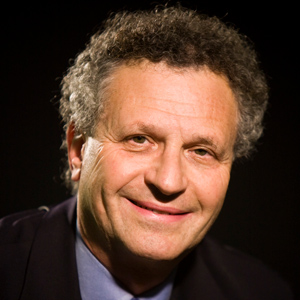 Stuart A. LiptonIrell and Manella Graduate School of Biological Sciences · Professor
- MMikhail KostylevYale University · Researcher
- MMurat DurakoglugilUniversity of Texas Southwestern Medical Center · Researcher
 AnggonoUniversity of Queensland · Researcher
 Antonio Sanz-ClementeDrexel University · Associate Professor
- GGuido HermeyUniversity Medical Center Hamburg-Eppendorf · Research Professor