
About
Simone Häberlein is a zoologist and molecular biologist working as a group leader for 'Helminth Cell Biology and Biophysics' at the Institute of Parasitology, Biomedical Research Center Seltersberg, Justus Liebig University Giessen since 2022. She completed her Habilitation in 'Molecular Parasitology and Zoology' at JLU Giessen in 2021 and previously served as a Project leader (Wissenschaftliche Assistentin) from 2016-2022. Her academic journey includes a PhD in Biology from the University Erlangen-Nürnberg (2011), followed by postdoctoral positions at University Clinic Erlangen (2012) and Leiden University Medical Center in the Netherlands (2012-2015).
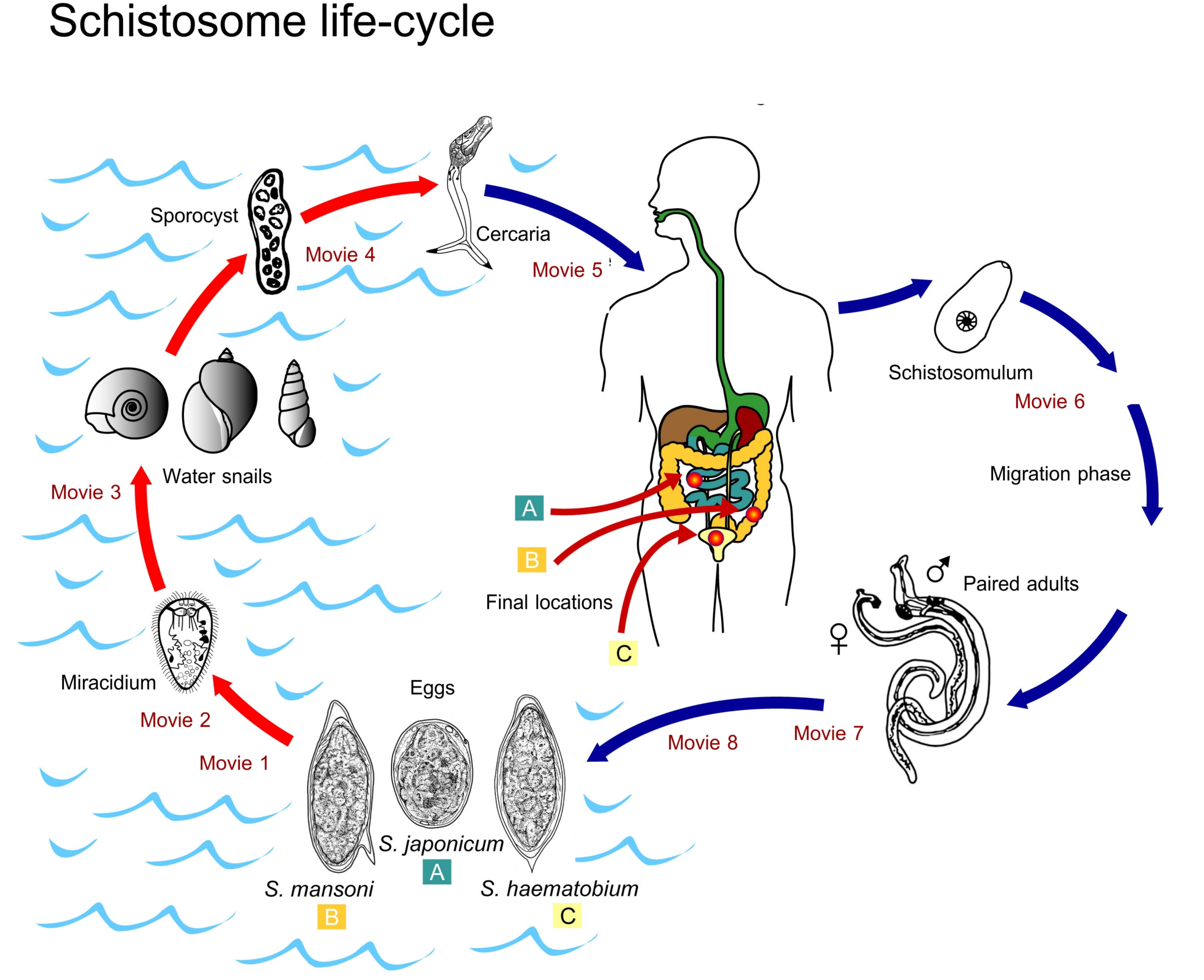
Dr. Häberlein's research focuses on understanding the cell biology and host-parasite interactions of parasitic flatworms, particularly Fasciola hepatica (liver fluke) and Schistosoma mansoni (blood fluke). Her multidisciplinary approach combines single-cell transcriptomics to generate flatworm cell atlases, RNA-based gene silencing for therapeutic target identification, confocal laser scanning microscopy, and in vitro-culture systems. She's pioneering the use of insects as a natural source for antiparasitic drugs and employs traction force microscopy to study mechanical forces exerted by parasites on host tissues as part of Project 10 of the SPP 2332 PoP.
Her publication record reveals a strong focus on drug discovery against parasitic flatworms, with particular attention to molecular characterization of parasite biology, drug imaging techniques, and innovative approaches to identifying therapeutic targets. The research spans from basic molecular characterization to translational applications, with a growing emphasis on advanced techniques like spatial transcriptomics and single-cell analysis in recent years.
- Karl-Asmund-Rudolphi Medal of the German Society of Parasitology (2020) for outstanding contributions in parasitology
- University Award for Scientific Achievements from Justus Liebig University (2024) for 'New avenues in drug target discovery against parasitic flatworms'
Dr. Häberlein's research is supported through her involvement in major collaborative initiatives including the LOEWE center DRUID (Novel Drug Targets against Poverty-related and Neglected Tropical Infectious Diseases), which received additional funding for three more years as of December 2021. She also participates in the Flatworm Functional Genomics Initiative (FUGI), an international consortium focused on developing research tools for studying parasitic flatworms. Her multidisciplinary lab combines expertise from biologists, veterinarians, bioinformaticians, and biophysicists to tackle the complex challenges of parasitic diseases.
She leads research within the SPP 2332 PoP (Physics of Parasitism) initiative, specifically Project 10 on the biomechanics of adhesion, motion and reproduction in platyhelminths. Her work contributes to the broader effort against neglected tropical diseases that affect over one billion people worldwide, with schistosomiasis being second only to malaria in medical significance among parasitic diseases.
Find Simone Häberlein elsewhere
Related Searches
You Might Also Like
- CChristoph G. GreveldingJulius-Maximilians-Universität Würzburg · Professor
- MMarkus EngstlerJulius-Maximilians-Universität Würzburg · Professor
 Karl HoffmannAberystwyth University · Professor
 Toni AebischerJulius-Maximilians-Universität Würzburg · Professor
- RRaquel Álvarez VelillaUniversity of León (ULE) · Researcher
- FFriedrich FrischknechtJulius-Maximilians-Universität Würzburg · Professor