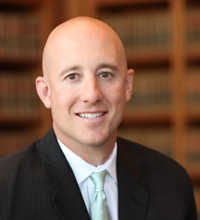
About
Paul R. Gugliuzza is a Professor at the University of Texas at Austin School of Law, where he has established himself as a leading scholar in patent law and civil procedure. With 41 scholarly publications to his name, his research has appeared in prestigious law journals including Duke Law Journal, Vanderbilt Law Review, and Virginia Law Review. He has testified before both the House Committee on Energy and Commerce and the Senate Judiciary Committee on patent-related matters, demonstrating his influence in shaping patent policy.
Professor Gugliuzza's research focuses on the intersection of patent law and civil procedure, with particular expertise in Federal Circuit operations, venue selection, judicial behavior in patent cases, and mandamus practice. His work consistently examines how procedural mechanisms affect substantive patent rights, with recent scholarship exploring judge shopping, gender and racial inequality in patent litigation, and the evolving relationship between the Supreme Court and the Federal Circuit in patent matters. His research combines doctrinal analysis with empirical insights to reveal systemic patterns in patent adjudication.
An analysis of his 15 most recent publications reveals a clear trajectory toward examining equity issues within patent law while maintaining his foundational focus on procedural mechanisms. His recent work increasingly addresses gender and racial disparities in patent litigation while continuing to analyze the structural aspects of patent adjudication. The scholarship demonstrates sophisticated methodology, often combining quantitative analysis with traditional legal scholarship to produce insights relevant to both practitioners and policymakers.
Professor Gugliuzza has established significant collaborative relationships with leading scholars including Mark A. Lemley, Jonas Anderson, and Rachel Rebouché. His scholarship has been cited by courts and has influenced congressional hearings on patent reform. His testimony before congressional committees on patent demand letter practices and patent eligibility demonstrates the practical impact of his academic work on legislative processes.