

About
Muhammad R. Hajj is the George Meade Bond Professor, Chair of the Department of Civil, Environmental and Ocean Engineering, and Director of the Davidson Laboratory at Stevens Institute of Technology. With a distinguished career spanning over three decades, his expertise lies in nonlinear dynamics, fluid-structure interactions, and energy harvesting, applying these to ship hydrodynamics, biomimetic flight/underwater vehicles, and coastal resilience. He has mentored 32 PhD students and authored over 170 journal publications.
Education
- PhD (1990), MS (1985), Civil Engineering, University of Texas at Austin
- BE (1983), Civil Engineering (with Distinction), American University of Beirut
Research Interests
Dr. Hajj’s work bridges nonlinear dynamics and fluid mechanics to address challenges in structural/aeroelastic stability, bio-inspired design, and renewable energy systems. His fluid-structure interaction studies focus on ship hydrodynamics, transonic flutter, and storm surge prediction, while his energy harvesting research explores piezoelectric systems, self-powered sensors, and biomimetic energy conversion.
Recent Trends in Publications
His 2022-2021 publications emphasize coastal extreme weather resilience via AI-driven storm surge modeling, bio-inspired robotic fish for underwater energy harvesting, and nonlinear aeroelastic systems to enhance renewable energy extraction. Themes include high-efficiency piezoelectric designs, vortex-induced vibration control, and ultrasonic contactless power transfer, reflecting his commitment to integrating nonlinear dynamics with practical engineering applications.
Scientific Honors
- Fellow, Engineering Mechanics Institute, ASCE
- Distinguished Civil Engineering Alumni (AUB, 2019)
- Dean’s Award for Excellence in Research (VT, 2016)
- Distinguished Leader in Research (VT, 2016)
- Excellence in Research Award (VT, 2015)
Advising and Grants
Dr. Hajj has supervised 32 PhD students, many of whom hold prestigious roles in academia and industry. He has secured major grants, including $1.8M from the Department of Energy for floating wave energy converters, $4.94M from the Port Authority for storm surge forecasting, and $200K from the NSF for bio-inspired telemetry energy harvesting.
Find Muhammad R. Hajj elsewhere
Related Searches
You Might Also Like
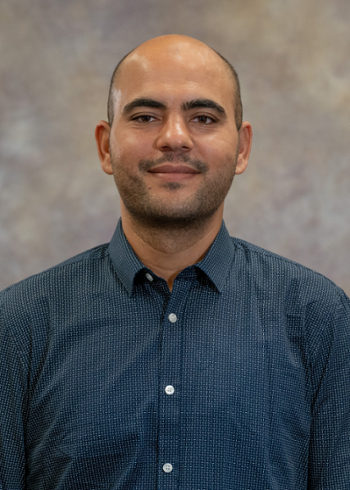 Abdessattar AbdelkefiNew Mexico State University · Professor
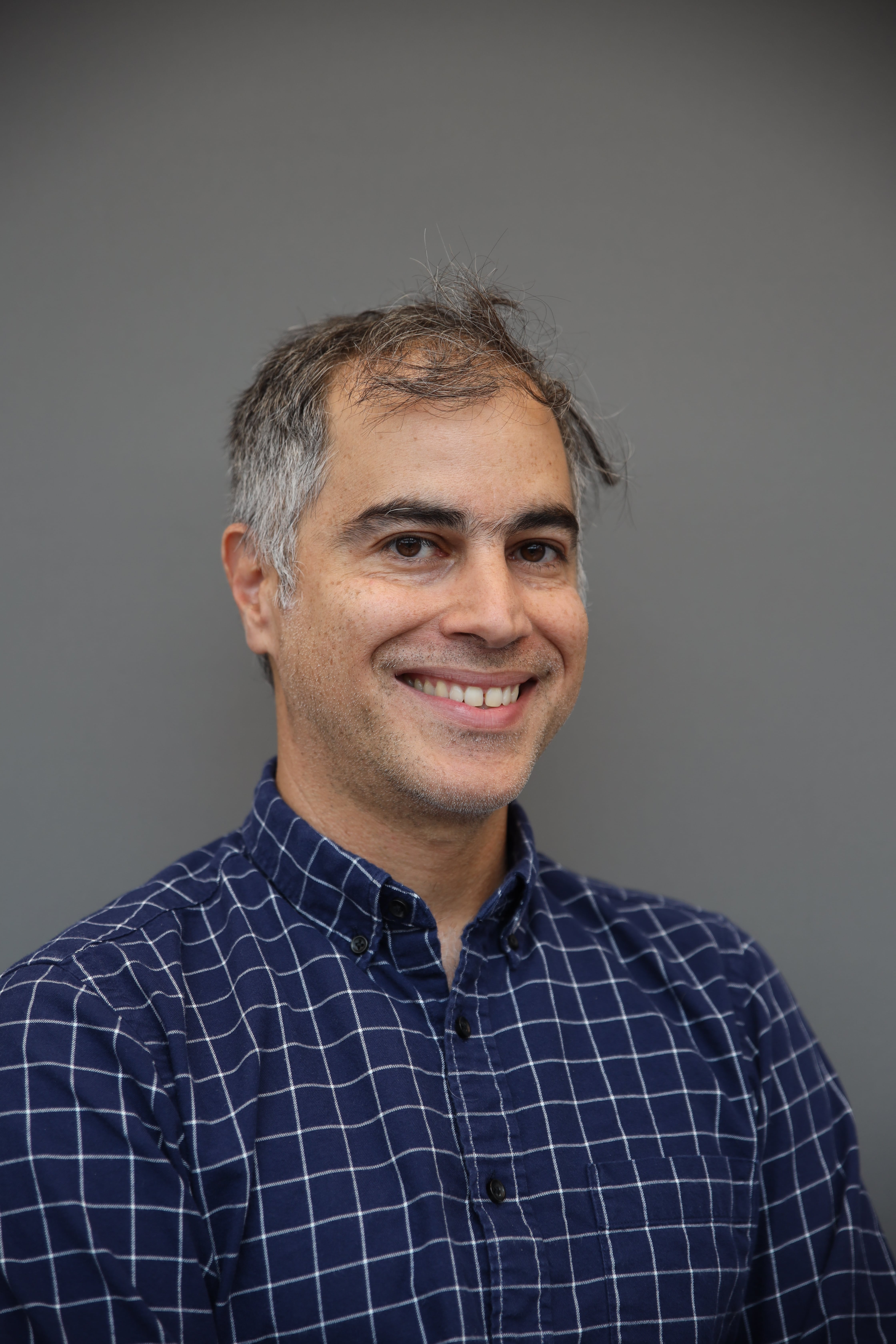 Oscar M. CuretFlorida Atlantic University - Boca Raton · Associate Professor
- MMahmoud AyyadStevens Institute of Technology · Researcher
 Hilary Bart-SmithUniversity of Virginia · Professor
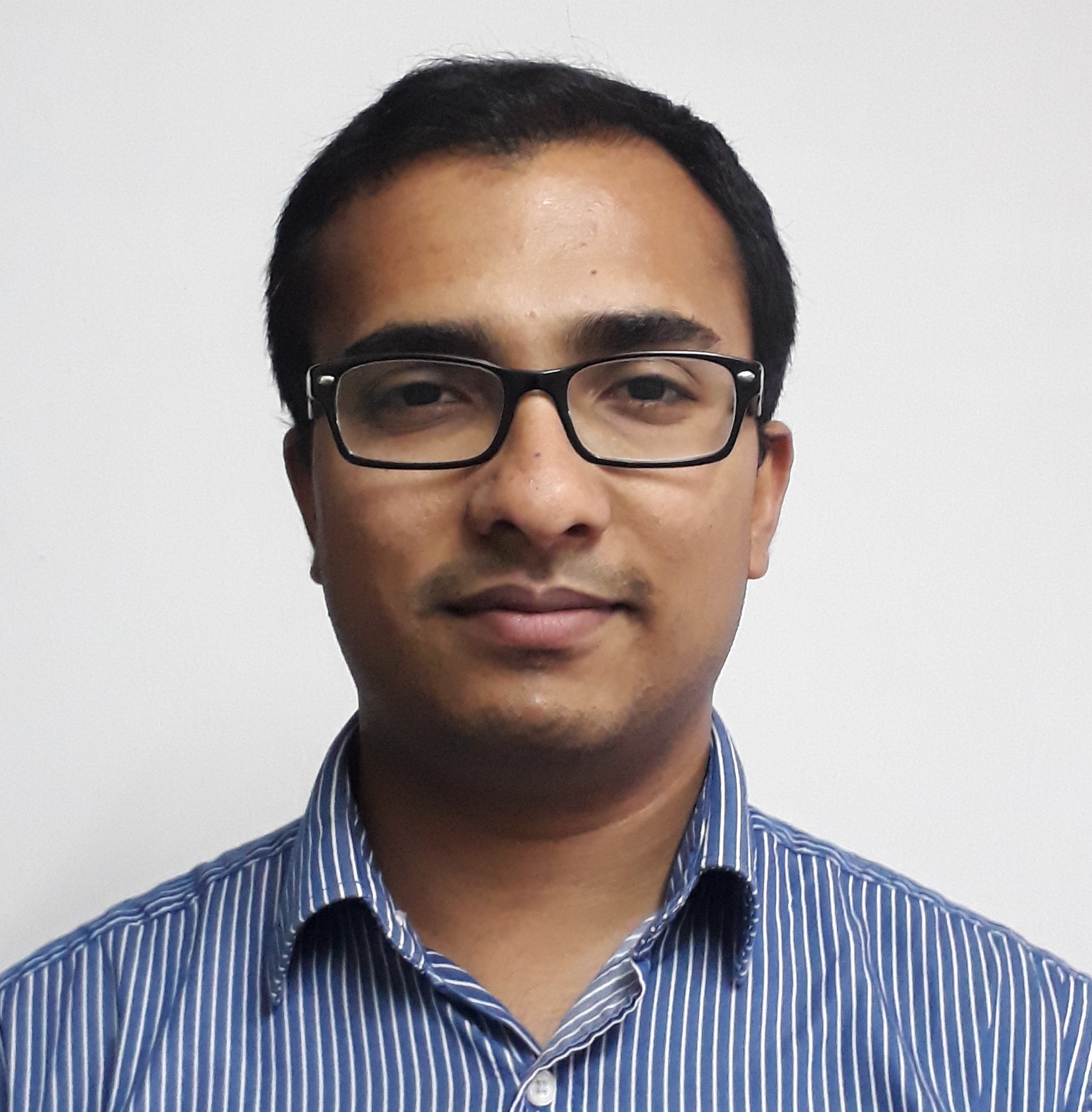 Wrik MallikUniversity of Glasgow · Lecturer
 Chandan BoseUniversity of Birmingham · Assistant Professor