
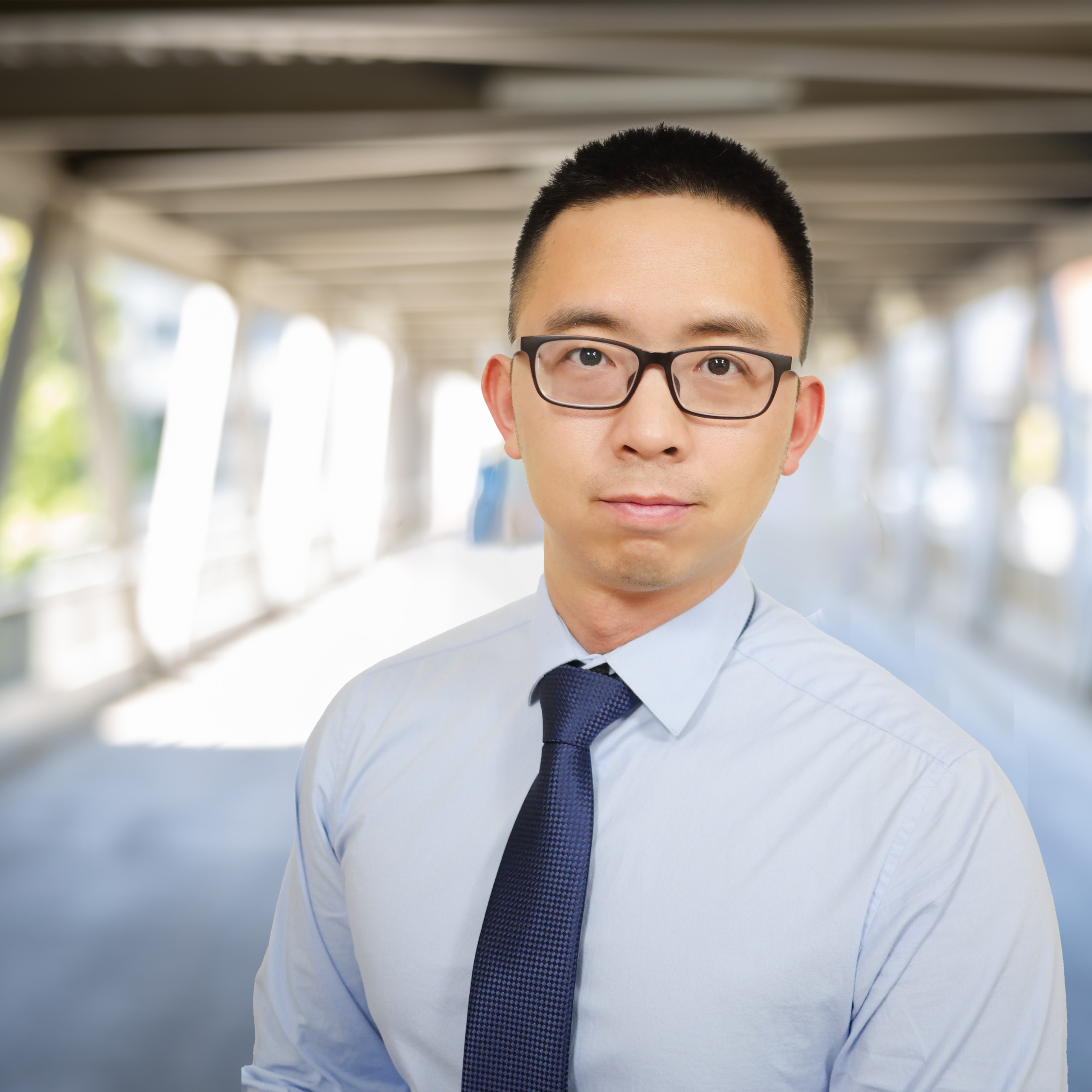
About
Li-Ming Hsu is a Research Assistant Professor in the Department of Radiology at the UNC School of Medicine. His work focuses on neuroimaging techniques, particularly functional MRI (fMRI), to study brain networks and their roles in behavior, disease, and addiction. He specializes in translating rodent models to human applications, developing machine learning tools for neuroimaging analysis, and investigating the neurobiological mechanisms underlying brain functions.
His research emphasizes understanding addiction mechanisms through rodent models, such as nicotine and cocaine studies, while advancing imaging methodologies like SORDINO and U-Net-based segmentation. He has pioneered techniques like optogenetic fMRI and chemogenetic stimulation to map therapeutic brain circuits. His work bridges fundamental neuroscience with clinical applications, aiming to improve diagnostic tools and therapies for neurological disorders like Alzheimer’s disease and depression.
- Key Areas: Neuroimaging, functional MRI, addiction models, network neuroscience, machine learning
- Awards: ISMRM Magna Cum Laude Merit Awards (2020, 2016)
- Methodologies: Optogenetics, deep learning, rodent-human translation, network redundancy analysis
Publications reveal a focus on brain network dynamics in health and disease, with contributions to Alzheimer’s early detection, addiction circuitry, and fMRI methodological improvements. His work emphasizes translational potential, seeking to advance both basic science and clinical outcomes.
Find Li-Ming Hsu elsewhere
Related Searches
You Might Also Like
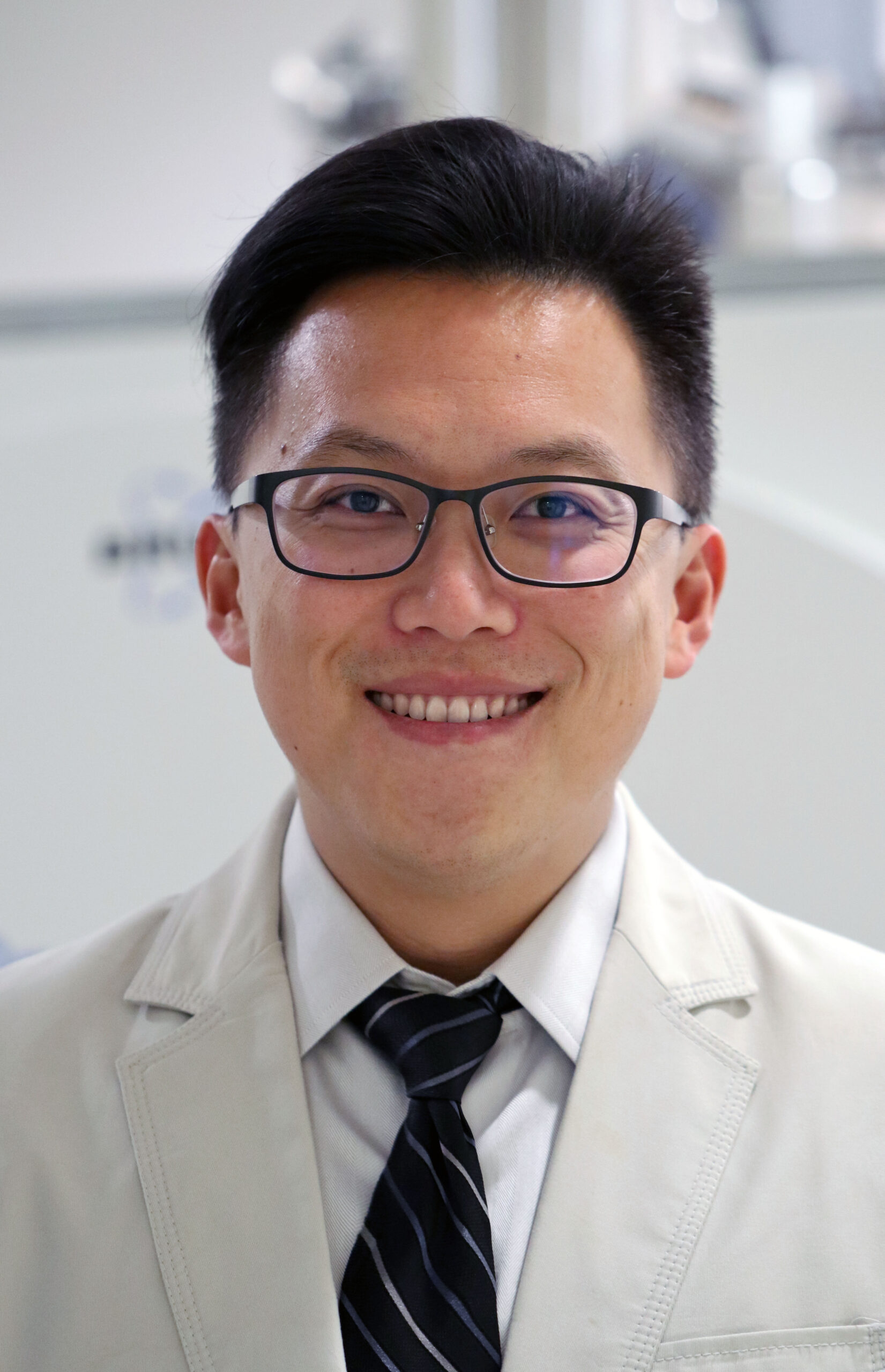 Yen-Yu Ian ShihUniversity of North Carolina at Chapel Hill · Professor
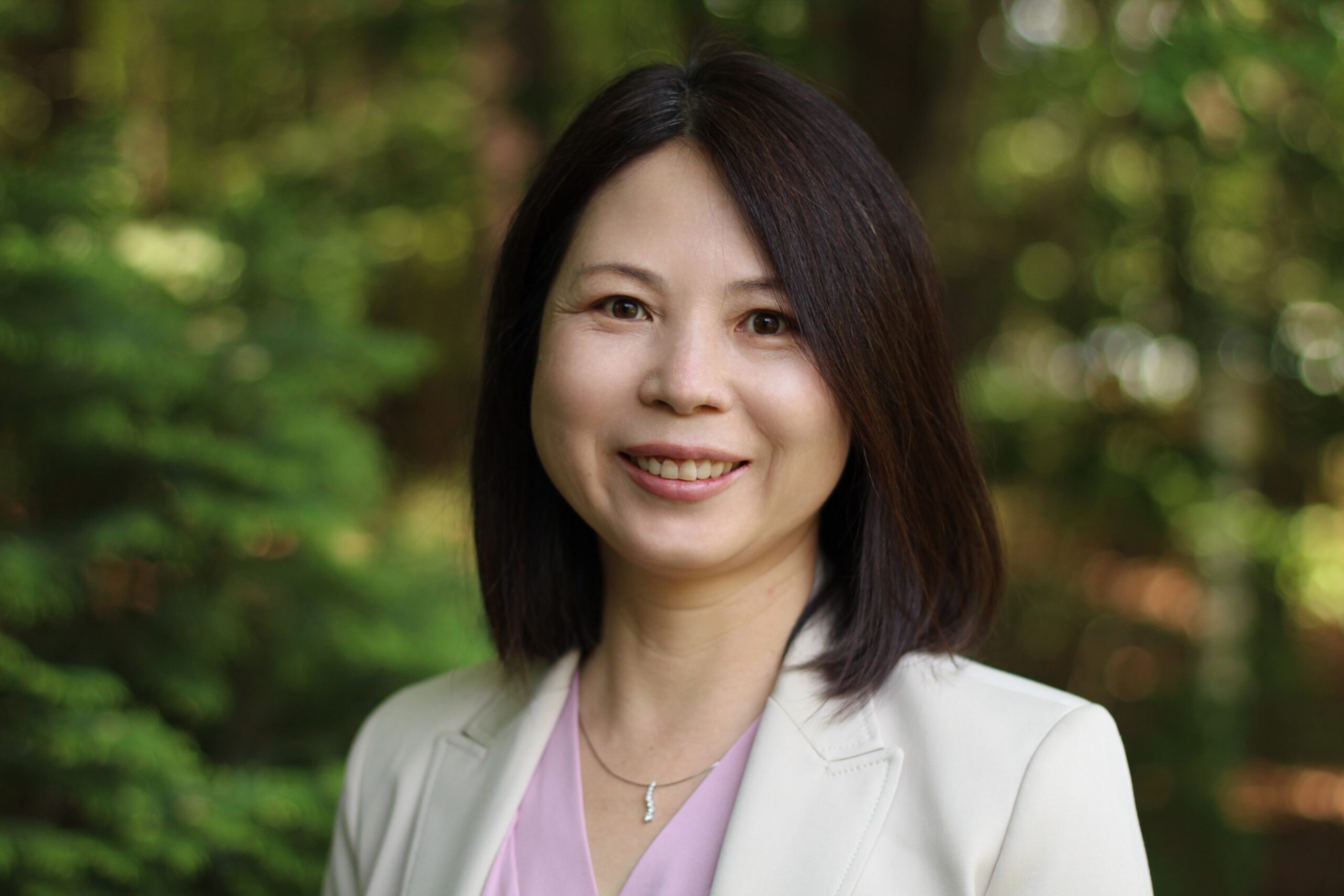 Weiting ZhangUniversity of North Carolina at Chapel Hill · Assistant Professor
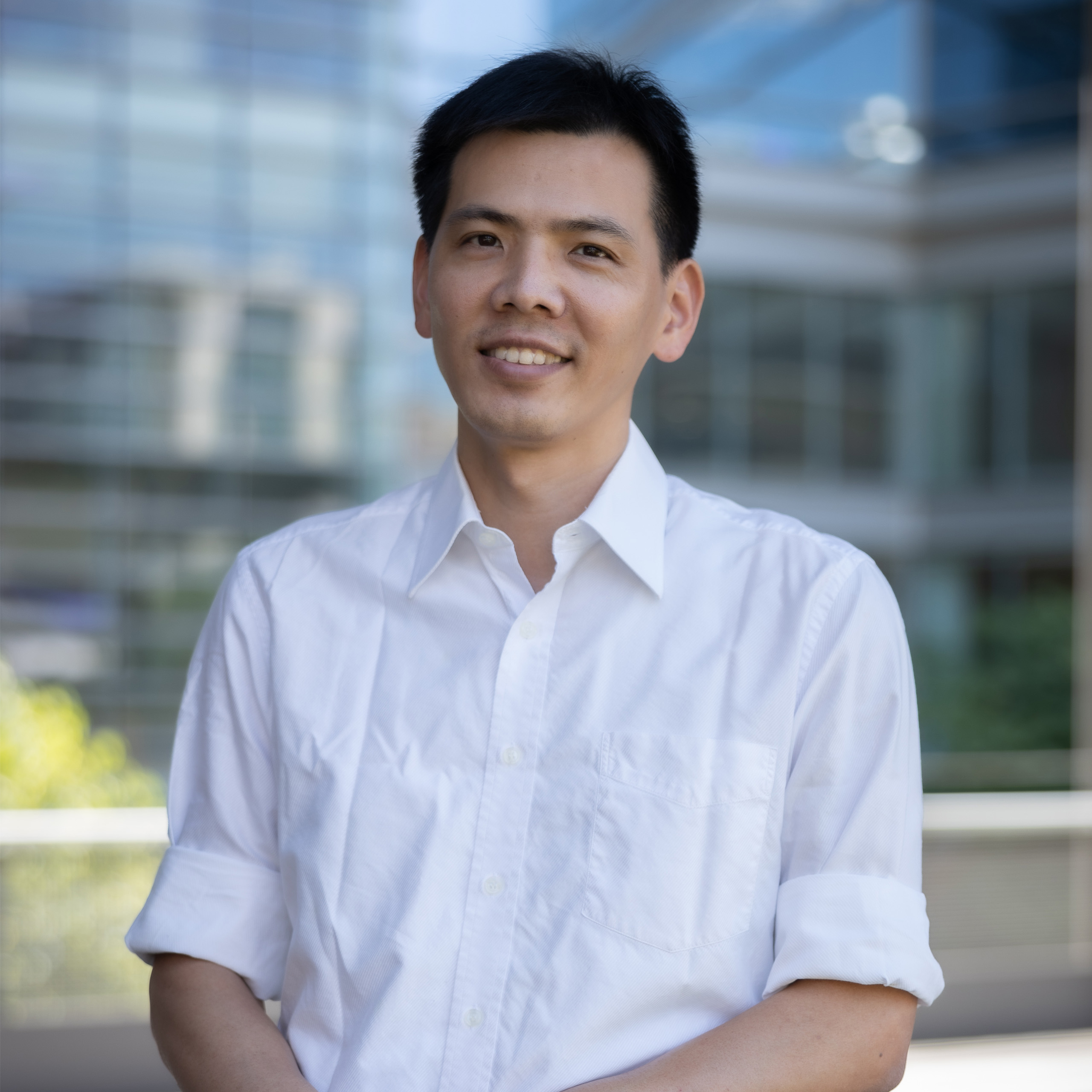 Wei-Tang ChangUniversity of North Carolina at Chapel Hill · Assistant Professor
 Na ZhangPennsylvania State University · Researcher
- BBharat BiswalNew Jersey Institute of Technology (NJIT) · Professor
 Luis Colon-PerezUniversity of North Texas Health Science Center · Assistant Professor