
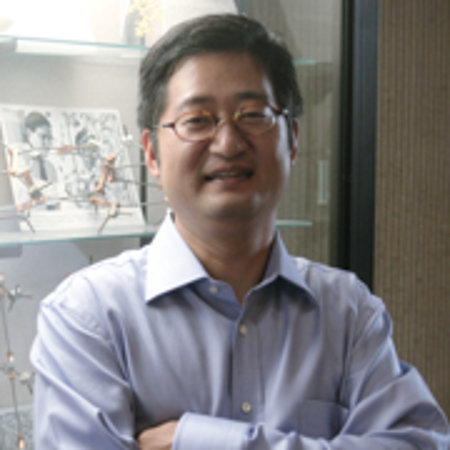
About
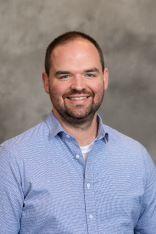
Heedeok Hong is an Associate Professor in the Department of Biochemistry & Molecular Biology and Department of Chemistry at Michigan State University, where he investigates fundamental mechanisms of membrane protein folding and degradation. His work addresses critical quality control processes relevant to Alzheimer's disease, cystic fibrosis, and cancer through biochemical and biophysical approaches.
Education:
- Ph.D. in Biochemistry, University of Virginia (2006)
- M.S. in Biochemistry, Yonsei University (1998)
- B.S. in Biochemistry, Yonsei University (1996)
Dr. Hong's research centers on membrane proteostasis, with two primary projects: (1) chaperone-assisted folding via YidC/Oxa1/Alb3 systems, examining substrate interaction forces and folding facilitation mechanisms; (2) FtsH-mediated degradation, probing substrate recognition features, transmembrane domain roles, and cofactor modulation. His lab employs advanced biophysical techniques including HDX-MS, steric trapping, and lipid bilayer reconstitution to quantify conformational dynamics and energy landscapes.
Recent publications (2021-2025) reveal consistent focus on lipid bilayer effects—demonstrating how membranes contract denatured state ensembles, strengthen side-chain networks, and modulate degradation kinetics. Key methodologies like steric trapping have enabled unprecedented observation of folding intermediates, while FtsH studies dissect ATP-dependent unfolding mechanics at molecular resolution.
Scientific Awards:
- Leukemia and Lymphoma Society Postdoctoral Fellowship (2008-2011)
Dr. Hong mentors doctoral candidates through CEM 999 dissertation research and teaches physical chemistry courses (CEM 383, CEM 998). His sustained publication output indicates active grant support, though specific awards aren't detailed. The Hong Lab operates within MSU's Protein Structure and Molecular Biophysics research area, collaborating extensively across campus to bridge biophysical mechanisms with disease pathology.
Housed in the Biochemistry Building (Room 210), the Hong Lab maintains specialized equipment for membrane protein reconstitution and dynamics analysis. Current work combines computational modeling with single-molecule techniques to map energy landscapes of membrane protein folding—a critical frontier for therapeutic targeting of misfolding diseases.
Find Heedeok Hong elsewhere
Related Searches
You Might Also Like
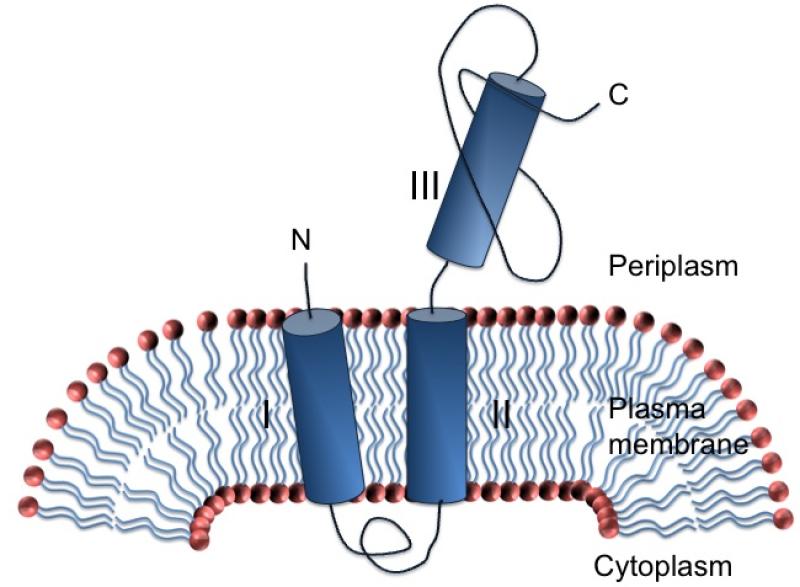 Ross DalbeyOhio State University · Professor
 Eunyong ParkUniversity of California, Berkeley · Associate Professor
 Karen FlemingJohns Hopkins University · Professor
- AAna Rosa VigueraMax Planck Institute of Colloids and Interfaces · Researcher
 Ryan BaldridgeUniversity of Michigan-Ann Arbor · Assistant Professor
 Alexander SteinUniversity of Göttingen · Researcher