
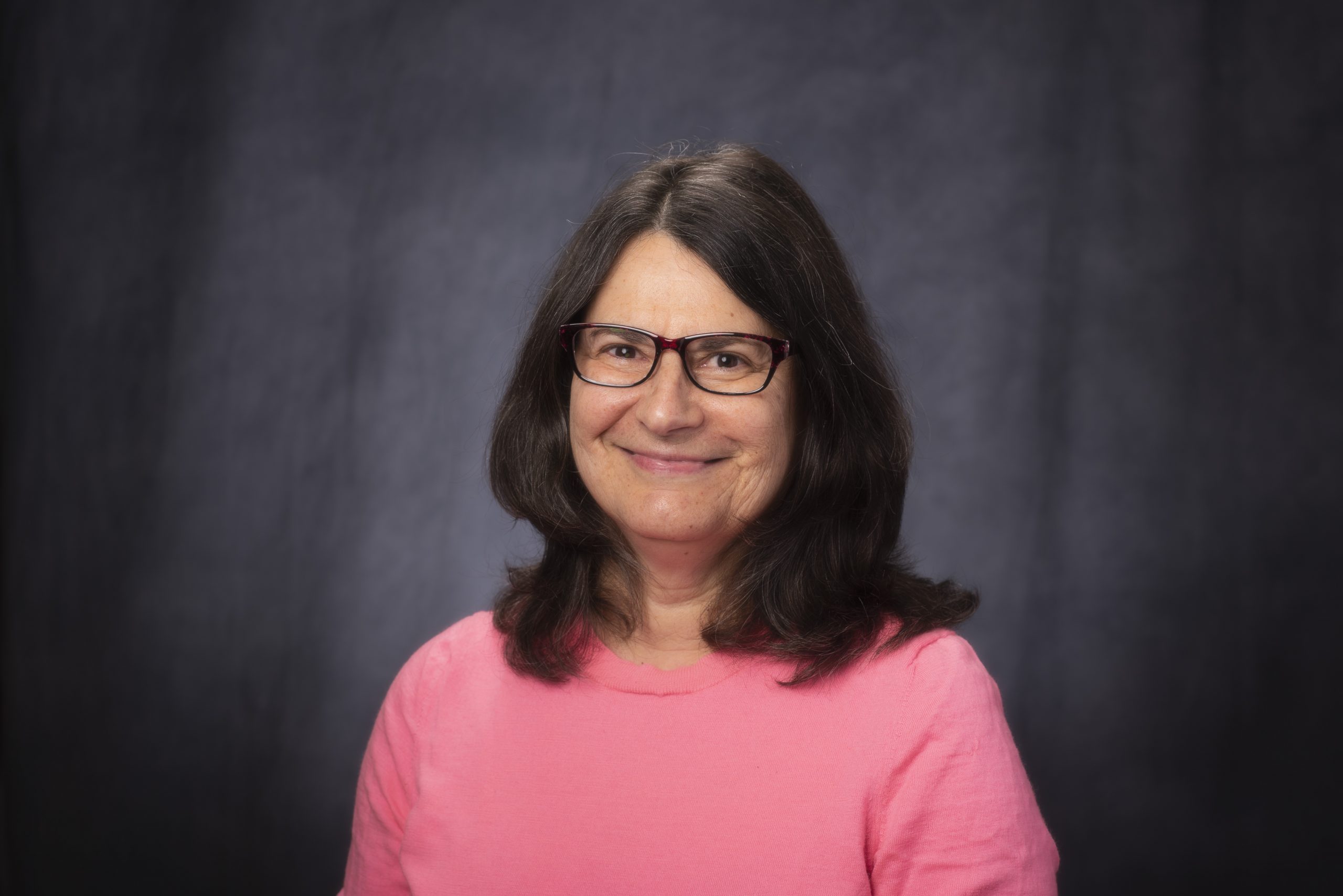
About
Adrienne D. Cox, PhD is a Professor of Pharmacology and Radiation Oncology at the University of North Carolina at Chapel Hill School of Medicine, where she also serves as Vice Department Chair of Pharmacology. She is a member of the UNC Lineberger Comprehensive Cancer Center, focusing her research on molecular mechanisms of cancer biology with particular emphasis on the Ras superfamily of proteins.
Dr. Cox's laboratory investigates several key areas in cancer biology: the control of subcellular localization of small GTPases to precise cellular membrane regions; the disruption of lipid modifications (particularly farnesyl isoprenoid) for cancer treatment; the contribution of novel Rho proteins to cellular transformation; and understanding how Ras family proteins influence cellular responses to ionizing radiation. Her research has revealed that different subpopulations of GTPases traffic to different subcellular membranes where they interact with distinct downstream effectors, and that correct attachment of Ras proteins to cell membranes requires unusual lipid modifications that have become targets for novel anticancer agents.
Analysis of Dr. Cox's recent publications (2014-2025) reveals a strong focus on KRAS signaling pathways in cancer, with particular attention to pancreatic cancer therapeutics. Her work spans multiple approaches including transcriptomics, phosphoproteomics, and combination therapy strategies targeting the RAS-MAPK pathway. A consistent theme across her research is overcoming resistance mechanisms in KRAS-mutant cancers through novel therapeutic combinations and understanding the molecular basis of drug resistance.
Dr. Cox's laboratory has made significant contributions to understanding how small GTPases function in cancer development and treatment resistance. Her team has identified multiple pathways involved in Ras-mediated radioresistance, including the PI3K/Akt survival pathway, autocrine EGFR family ligand pathways, and novel Ras/Raf pathways that diverge from the canonical MEK/ERK cascade. This work has important implications for developing radiosensitizers that could differentially affect cancerous versus healthy cells.
Find Adrienne D. Cox elsewhere
Related Searches
You Might Also Like
 Adrienne CoxUniversity of North Carolina at Chapel Hill · Professor
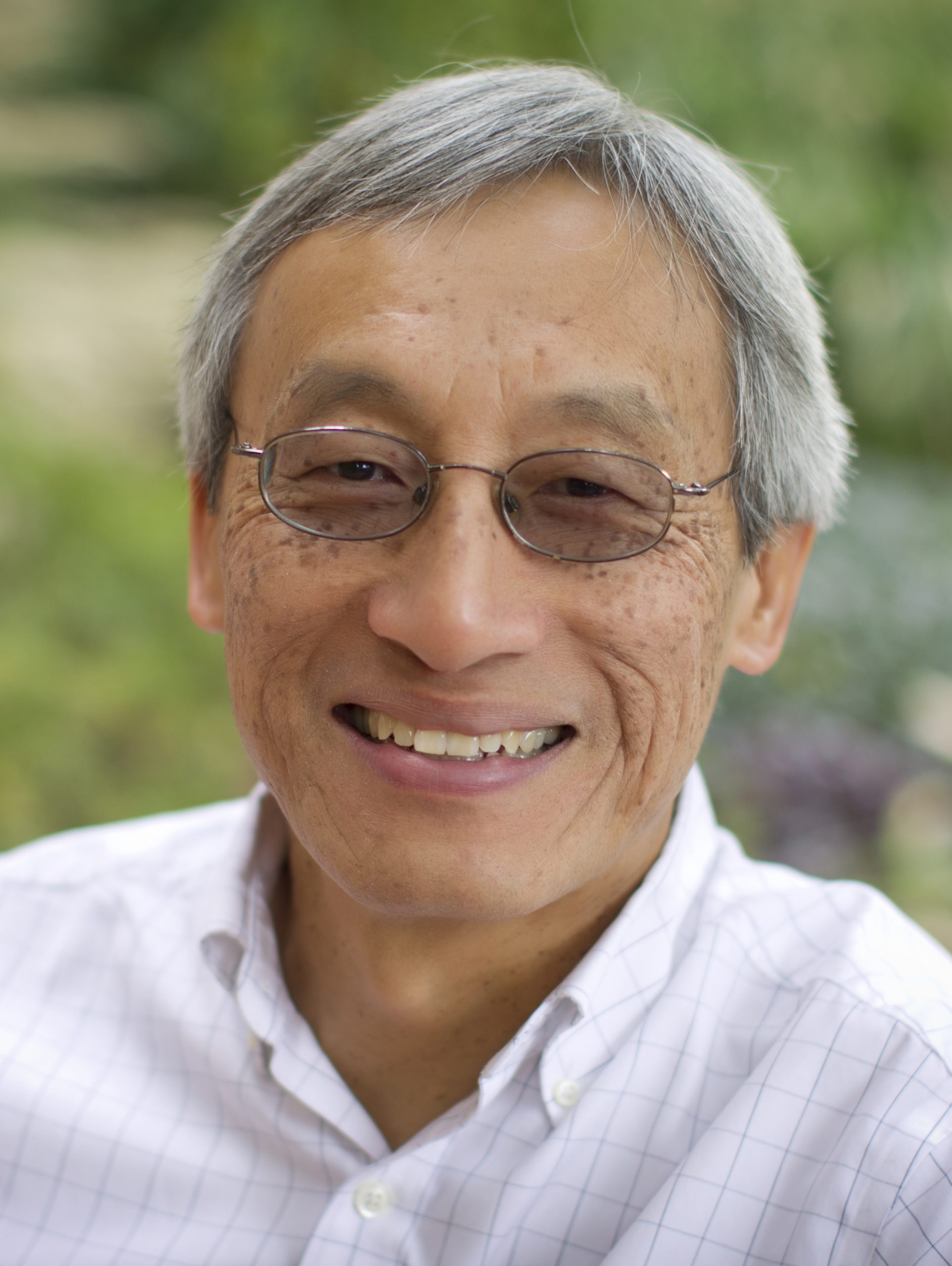 Channing J. DerUniversity of North Carolina at Chapel Hill · Professor
 Channing DerUniversity of North Carolina at Chapel Hill · Professor
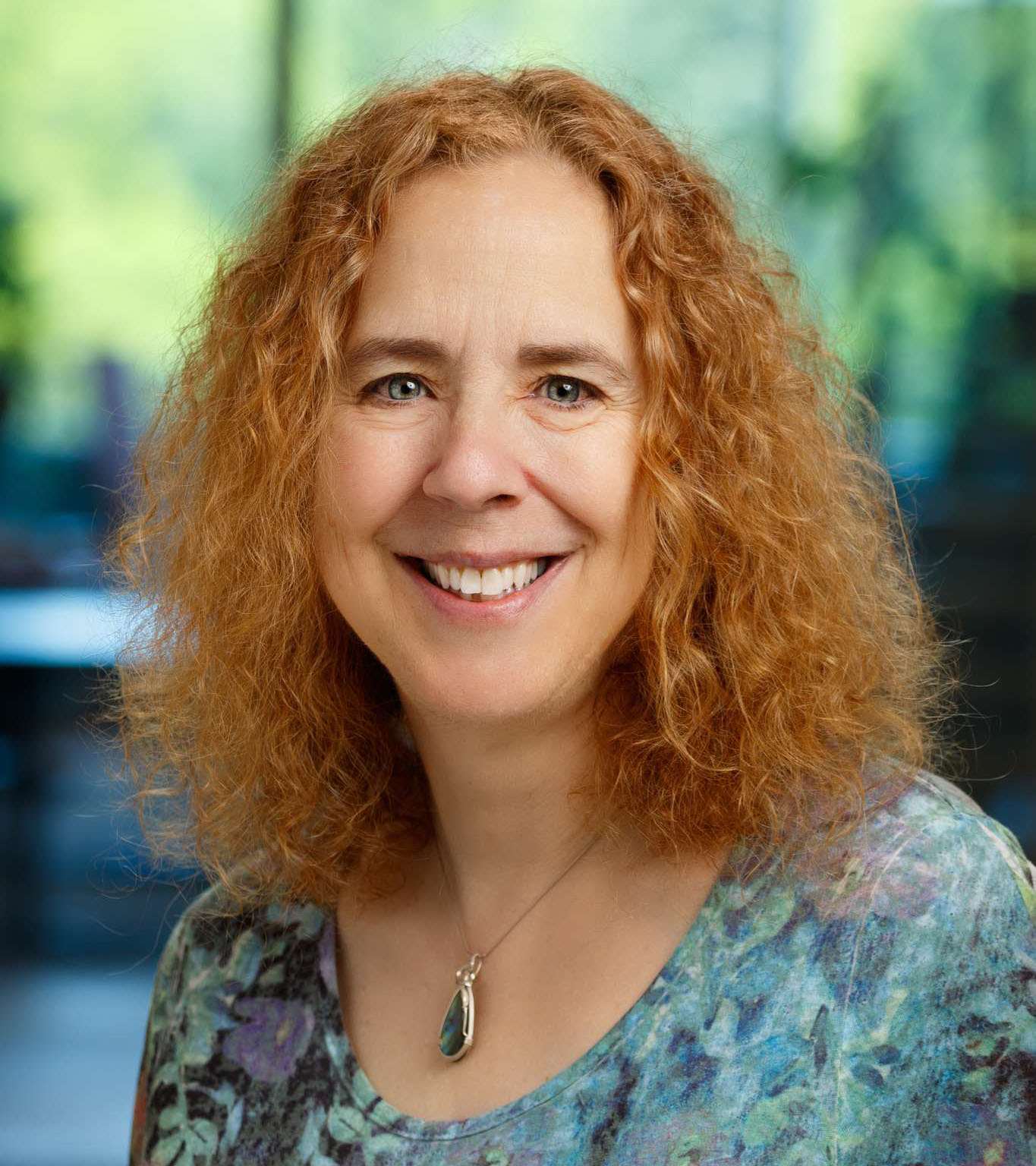 Carol L. WilliamsMedical College of Wisconsin · Professor
- KKent RossmanUniversity of North Carolina at Chapel Hill · Assistant Professor
- HHyunkoo KangYale University · Research Fellow