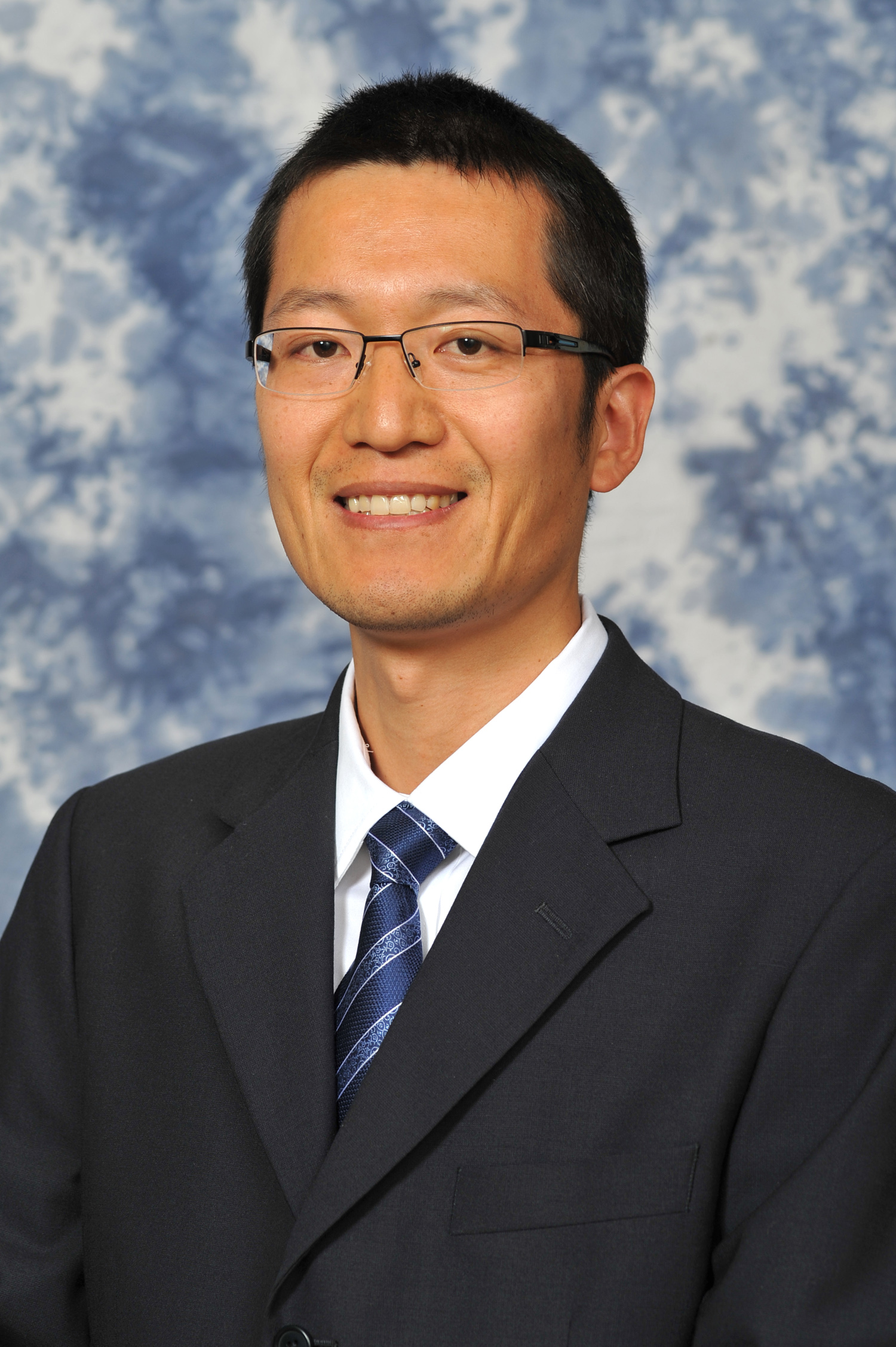
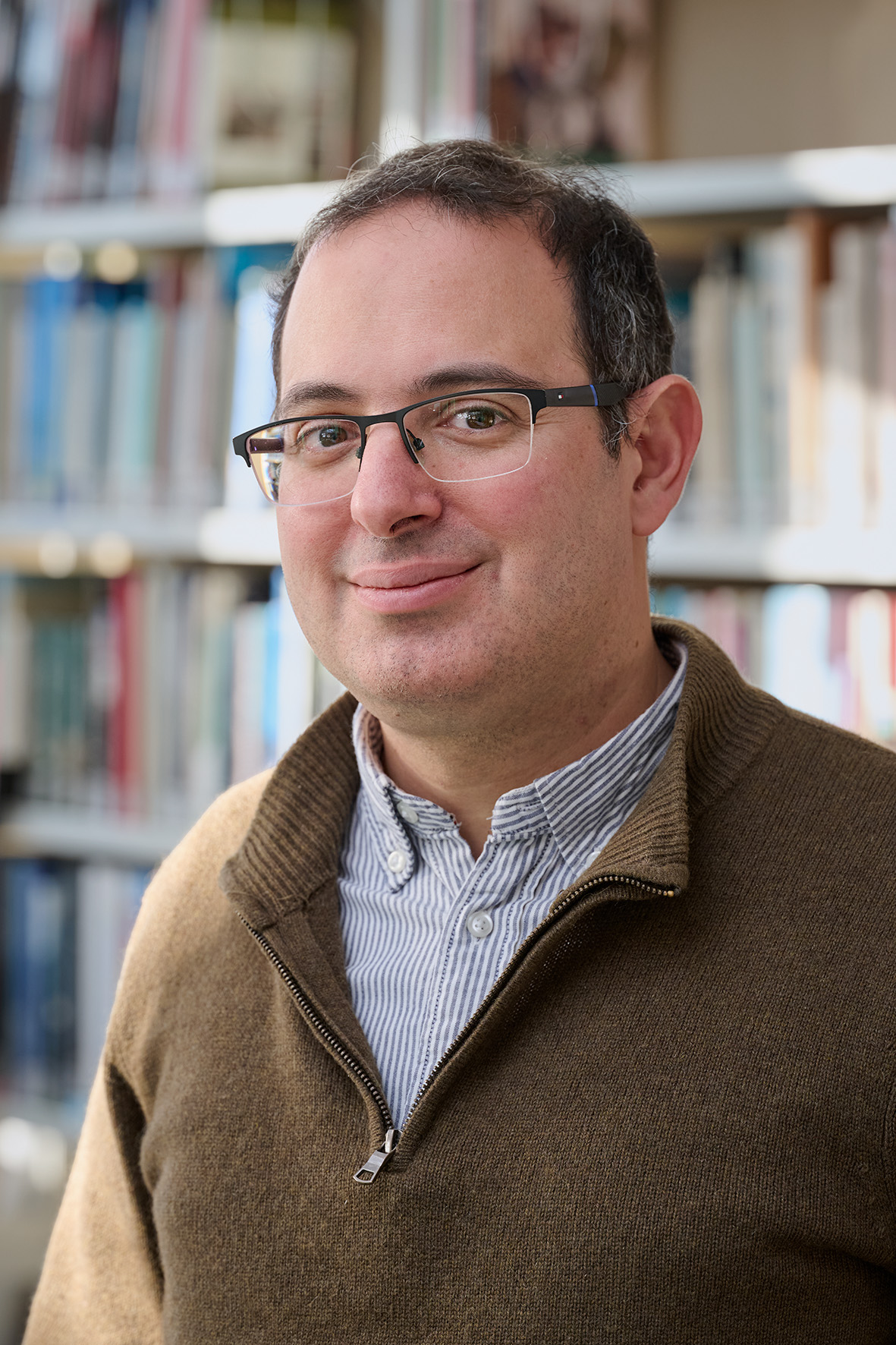
Dr Zhe Wang is a Senior Lecturer at the School of Information and Communication Technology, Griffith University, focusing on artificial intelligence, knowledge graphs, and semantic technologies. He earned his PhD in Computer Science from Griffith University (2011) and previously worked as a Research Fellow at the University of Oxford (2011-2013) on ontology-based systems. Research: Specializes in knowledge graph construction, rule mining for explainable AI, and integrating machine learning with logical reasoning. Led development of the scalable RLvLR rule-mining system and contributed to the HermiT ontology reasoner. Teaching: Instructs undergraduate and postgraduate courses including Introduction to Artificial Intelligence, Secure Development Operations, and Software Engineering Fundamentals. Grants: Funded by Australia's Economic Accelerator Ignite Grant (2025) for AI-driven marine life survey systems and Office of National Intelligence projects (2021-2022). Publications: Active in top venues like AAAI, ICASSP, and ISWC, with recent work on temporal knowledge graph reasoning, auction design algorithms, and neurosymbolic AI systems.
Shweta Yadav is an Assistant Professor in the Department of Computer Science at the University of Illinois Chicago (UIC). Prior to this, she was a Bridge to the Faculty (B2F) fellow at UIC and a postdoctoral research fellow at the U.S. National Library of Medicine, NIH. She holds a Ph.D. in Computer Science from the Indian Institute of Technology Patna, India. Education: Ph.D. in Computer Science, Indian Institute of Technology Patna, India Research Interests Her research focuses on the intersection of Natural Language Processing (NLP), Healthcare Informatics, Biomedical Text Mining, and Computational Social Science. She develops machine learning algorithms to advance AI applications in healthcare, particularly in medical document summarization , disease progression modeling , and health outcome prediction using electronic health records and social media data. Her work emphasizes interdisciplinary collaboration to address real-world healthcare challenges. Recent Publications Her recent publications highlight advancements in Multimodal Mental Health Analysis , Perspective-aware Healthcare Summarization , and Biomedical Relation Extraction . She employs techniques like Transformer models , Contrastive Learning , and Attention Frameworks to tackle low-resource settings and extract insights from complex data sources.
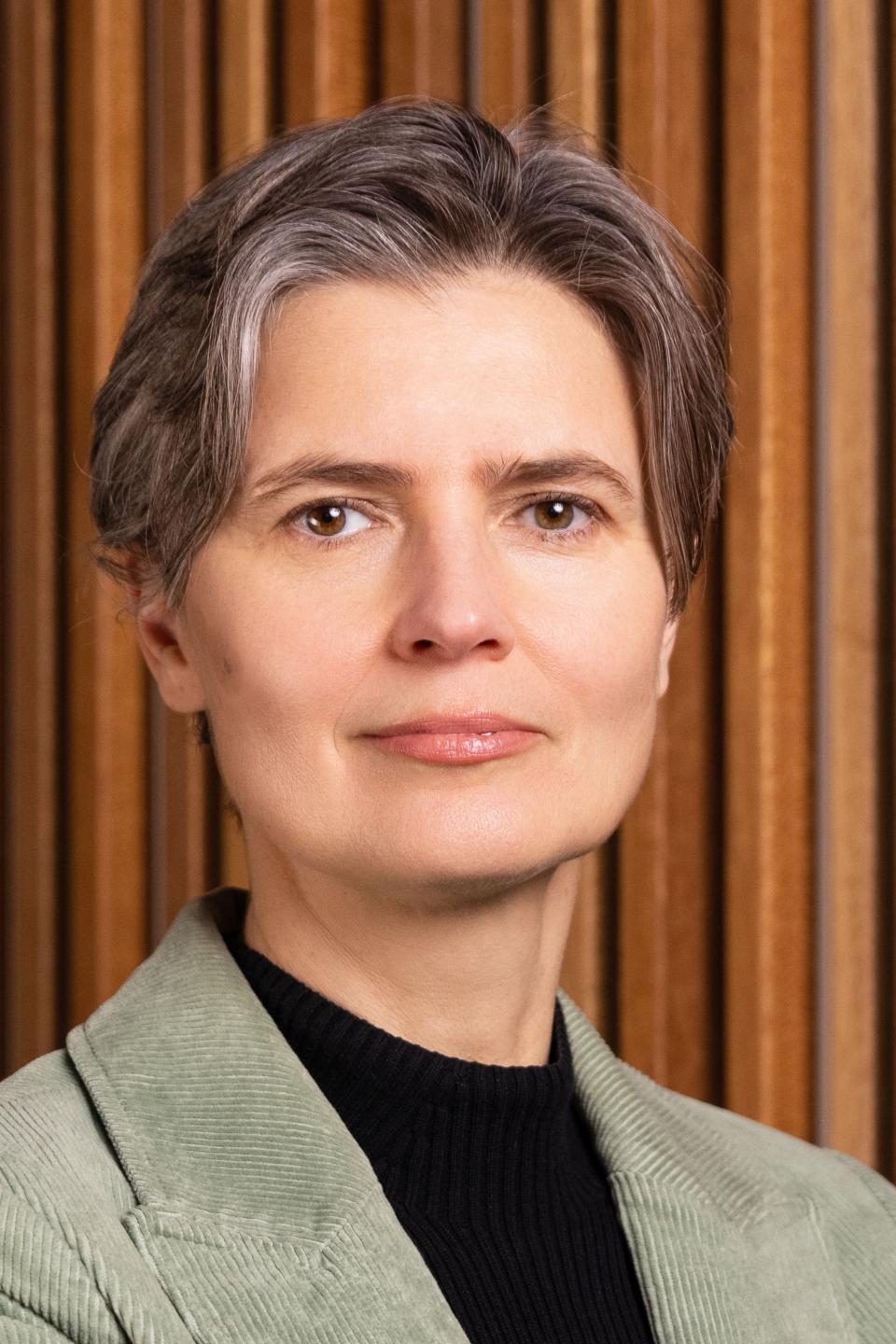
Dr. Summer Han serves as Associate Professor of Medicine, Neurosurgery, and Epidemiology at Stanford University School of Medicine. She leads research through the Quantitative Sciences Unit (QSU) in the Biomedical Informatics Research Division of the Department of Medicine and maintains joint appointments in the Department of Neurosurgery. Her work bridges statistical methodology development with clinical applications in cancer screening and neuroscience. Her research program focuses on statistical genetics, molecular epidemiology, and risk prediction modeling for complex diseases. Key areas include developing novel methods for analyzing high-dimensional genomic data, creating dynamic risk prediction models under competing risks, and establishing evidence-based cancer screening strategies. Her team integrates genetic, environmental, and clinical factors to improve early detection of lung cancer and second primary malignancies, with particular attention to reducing racial disparities in screening outcomes. Dr. Han's scientific contributions have been recognized through prestigious awards including the NCI R37 MERIT Award for Early-Stage Investigators and the Department of Medicine Teaching Award in Biomedical Informatics Research. Her team has developed impactful tools such as the SPLC-RAT for second primary lung cancer risk assessment and RAMBO for brain metastasis prediction in lung cancer patients. She actively mentors PhD students and postdoctoral fellows, with several former trainees securing faculty positions at institutions including Cornell University and IIT Roorkee. Current research initiatives include the Oncoshare-Lung database integrating EHRs from Stanford Health Care and 23+ Sutter Health sites across Northern California, and the Cancer Data Science Shared Resources Core which she co-directs at the Stanford Cancer Institute. NCI R37 MERIT Award (Early-Stage Investigator) 2022 Department of Medicine Teaching Award in Biomedical Informatics 2024 SCI Equity Impact Research Grant 2024 Neurosurgery Research Seed Grant Award Multiple NCI R01 grants (CA226081, CA282793) Her laboratory collaborates extensively across Stanford Medicine, working with thoracic oncologists, neurosurgeons, and epidemiologists to translate statistical innovations into clinical practice. Current projects address socioeconomic factors in cancer risk stratification, real-time physical activity monitoring in spine surgery recovery, and machine learning approaches for genomic data analysis.
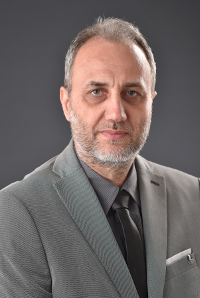
Bekir Taner Dincer is a Professor at Muğla Sıtkı Koçman University, Faculty of Engineering, Department of Computer Engineering. He has been actively teaching courses including Web Development and Programming, Artificial Intelligence, Data Mining, Natural Language Processing, and Senior Design Projects for multiple academic years including the upcoming 2025-2026 term. Dr. Dincer earned his Bachelor's degree in Statistics from Middle East Technical University (1988-1993), followed by a Master's degree in Statistics and Computer Science from Muğla Sıtkı Koçman University (1996-1998), and completed his Doctorate in Computer Science from Ege University's International Computer Institute (1998-2004). His research focuses on Information Retrieval, Natural Language Processing (particularly for Turkish language), and related computational linguistics areas. His work addresses challenges in Turkish language processing including morphological analysis, constituent chunking, information retrieval systems, and term weighting methods. He has made significant contributions to adapting information retrieval techniques for agglutinative languages like Turkish, which presents unique challenges compared to Indo-European languages. His publication record shows a consistent research trajectory with recent work (2013-2018) focusing on risk-sensitive evaluation methods, learning to rank, entity recognition in big data, and specialized approaches for Turkish language processing. His research often bridges theoretical information retrieval concepts with practical applications for Turkish text processing. Dr. Dincer has served as editor for prestigious publications including the International ACM SIGIR Conference proceedings and ACM Transactions on Information Systems journal, demonstrating recognition of his expertise by the international research community. He has supervised numerous graduate students, guiding PhD and Master's theses on topics including unsupervised syntactic disambiguation for Turkish, statistical analysis of word roots and affixes, and information retrieval system design. His research has been supported by TÜBİTAK projects including the Design of a Statistics-Driven Selective Information Retrieval System (2015-2018) and the Design of a Statistical Information Access System (2011-2014).
Davide Cassi serves as Associate Professor of Physics of Matter at the University of Parma's Department of Mathematical, Physical and Computer Sciences since 2001, following his appointment as Researcher in Theoretical Physics (1995-2001). With over 30 years of academic service, he teaches Condensed Matter Physics, Soft Matter Physics, and Physics Applied to Gastronomy across undergraduate and graduate programs in Physics and Gastronomic Science. His educational background includes: Ph.D. in Physics, University of Parma (1988-1992) Master’s degree in Materials Science and Technology, University of Parma (1986-1988) Degree in Physics, University of Parma (1982-1986) Cassi's research integrates statistical mechanics with real-world applications through two primary lenses: complex network theory for ecological and social systems, and soft matter physics applied to culinary processes. His work on biodiversity loss prediction in agricultural networks and food preservation technologies demonstrates exceptional interdisciplinary reach. Recent publications reveal a strategic pivot toward AI-driven biodiversity conservation and network robustness modeling. Analysis of his 15 most recent publications (2023-2025) shows dominant themes in network vulnerability analysis (68% of works) and food-physics applications (27%), with emerging focus on machine learning integration for ecological modeling. His research bridges theoretical physics with practical solutions in food safety and ecosystem management. Key recognitions include: Grand Prix de la Science de l'Alimentation from Académie Internationale de la Gastronomie (2012-2013) Dual National Scientific Qualifications for Full Professorship (2022) in Theoretical Physics of Fundamental Interactions and Matter Cassi's academic contributions extend beyond publications to two international patents in food preservation technology and editorial leadership since 2007 for World Scientific's Series on Advances in Statistical Mechanics . His research program demonstrates consistent translation of theoretical physics into practical applications across gastronomy and ecology, with growing emphasis on AI-enhanced network analysis for sustainability challenges.
Adriana Iamnitchi is a Full Professor and Key Domain Chair for Computational Science at Maastricht University's Faculty of Science and Engineering, affiliated with the Department of Advanced Computing Sciences. Her research focuses on computational social science, social media dynamics, and misinformation detection. Her primary research interests include: Analysis of coordinated information campaigns across social platforms Development of LLM-based synthetic data generation for social media research Polarization quantification in multi-community networks Policy compliance frameworks for digital regulation (e.g., EU's Digital Services Act) Ethical AI applications for content moderation and transparency Her recent publications (2023-2025) demonstrate strong focus on: Cross-platform disinformation detection using multimodal embeddings Generative AI for synthetic social media datasets Quantitative analysis of toxicity monetization in creator economies Regulatory compliance automation for content transparency
Roberto Giorgi is an Associate Professor of Computer Engineering at the Department of Information Engineering, University of Siena, Italy. He has held this position since October 1, 2006, following his tenure as an Assistant Professor since March 15, 1999. His educational background includes a Ph.D. in Computer Engineering from the University of Pisa (1999) with a thesis on coherence protocols for shared-memory multiprocessors, and an Electronic Engineering degree (1995) with a thesis on trace-driven performance evaluation of multiprocessors. Giorgi's primary research focuses on Computer Architecture , particularly on multiprocessor/multicore issues including processor design, coherence protocols, programmability, and energy efficiency. His work spans both theoretical and practical aspects of computer architecture, with emphasis on real-world implementations and educational tools. He has coordinated significant EU-funded projects including AXIOM (2014-2018) on Smart Cyber-Physical Systems and TERAFLUX (2009-2014) on Many-Cores. His recent publications (2022-2025) demonstrate a strong progression toward practical applications of computer architecture research, with particular emphasis on RISC-V architecture, FPGA-based acceleration, dataflow computing models (especially DF-Threads), and graph processing. Many of his papers address educational tools for computer architecture education, real-time object detection on embedded platforms, and novel execution paradigms for edge computing and HPC. IEEE Senior Member ACM Lifetime Member Coordinator of EU-funded AXIOM project (2014-2018) on Smart Cyber-Physical Systems Coordinator of EU-funded TERAFLUX project (2009-2014) on Many-Cores Giorgi has been actively involved in securing research funding and building collaborations, particularly in high-performance computer architecture research with emphasis on scalable architectures and embedded systems. He leads the Computer Architecture Lab (ROOM 223) at the University of Siena, which was established in 2007, and has been instrumental in developing practical implementations of architectural concepts including the AXIOM platform for cyber-physical systems.
Professor Steven J. Murdoch is a faculty member at the University College London (UCL) in the Department of Computer Science . He holds a Royal Society University Research Fellow position and leads the Information Security Research Group . He is affiliated with Christ’s College as a bye-fellow, and is a Fellow of the Institution of Engineering and Technology (IET) and the BCS . His work bridges security engineering , privacy-enhancing technologies , and legal-technical intersections . Academic Leadership : Program chair and general chair for major conferences like Privacy Enhancing Technologies Symposium and Financial Cryptography . Research Contributions : Notable for exposing vulnerabilities in EMV protocols , designing blockchain-based fair exchange protocols , and analyzing malware delivery ecosystems . Scientific Awards : Received the IRTF Applied Networking Research Prize 2020 for internet-wide scanning methodologies. Professional Impact : Active in Tor Project and critical infrastructure analysis, including the Post Office Horizon scandal . Email: s.murdoch@ucl.ac.uk .
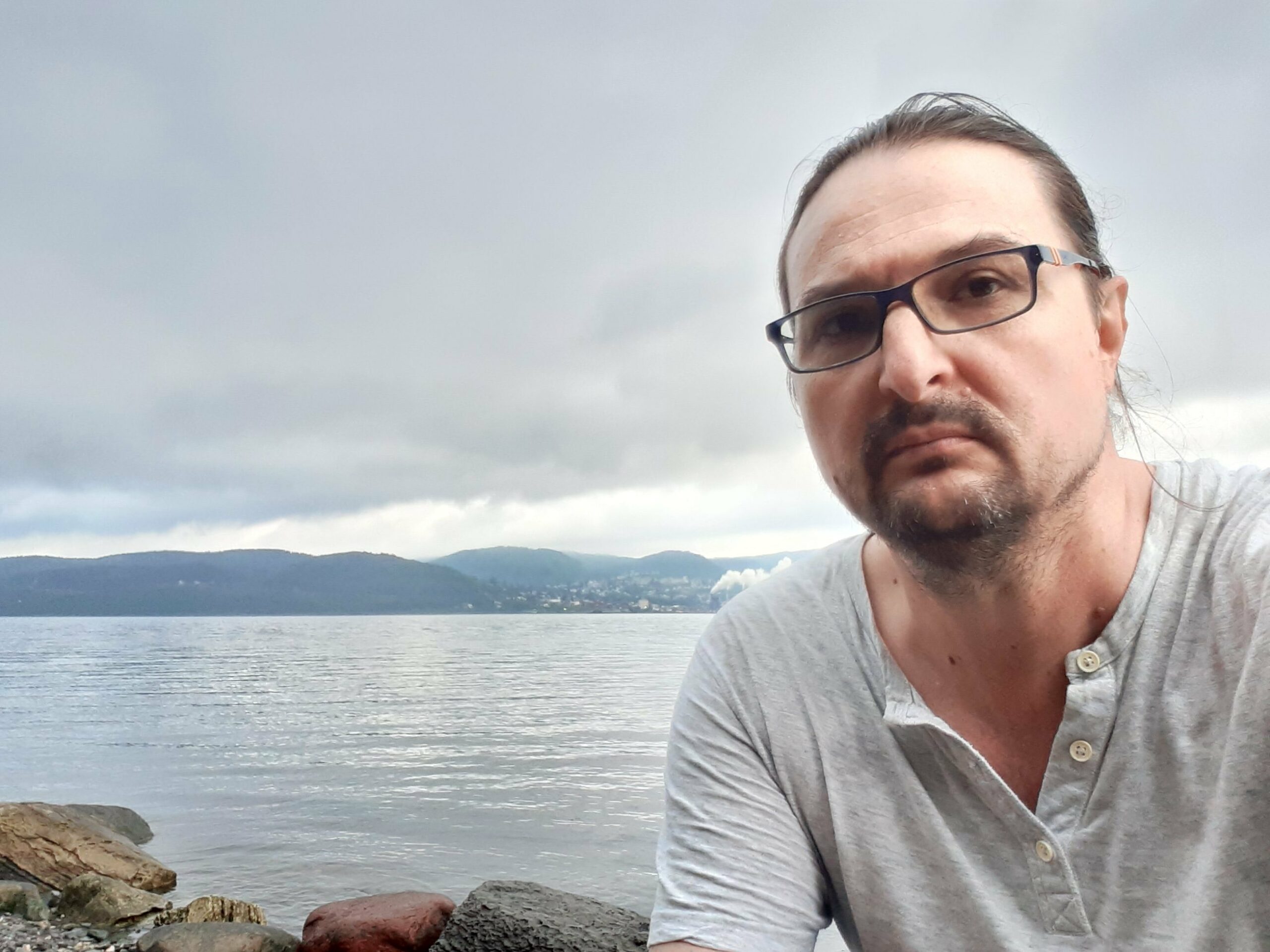
Dr. Antony McCabe is a Lecturer in Computer Science who divides his time between academia and the Computational Biology Facility. His work focuses on bridging artificial intelligence with biomedical challenges through software development, data analysis, and user interface design. Lecturer in Computer Science Member of Computational Biology Facility Research Interests McCabe specializes in applying AI techniques like neural networks and large language models to biomedical problems. His contributions include: Developing the lcmsWorld 3D visualization software for mass spectrometry Advancing the Allele Frequency Net Database for HLA diversity analysis Creating immunoinformatics tools for ethnicity-specific vaccine design Building infrastructure for biomedical data processing and storage Research Trends His publications reveal a consistent focus on computational biology infrastructure (4/6 papers), AI applications in immunology (3/6), and software development for proteomics (2/6). Key themes include data standardization, ethnic diversity considerations, and visualization techniques. Current Projects He is currently tuning large language models to analyze biological literature through a Biotechnology & Biological Science Research Council (BBSRC) grant (2024-2026). Teaching McCabe co-ordinates the COMP222 module on computer game design while also teaching algorithmic game theory, programming languages, and human-centric computing.
Miloš Racković serves as a full Professor in the Department of Mathematics and Informatics at the University of Novi Sad, Serbia. He maintains active academic engagement through the Laboratory for the development of information systems, with his office located in the Information technologies and systems office (DMI&DF) on the second floor, room 49. Contact is available via telephone (485)-2868 or email rackovic@dmi.uns.ac.rs, and his personal website (http://www.is.pmf.uns.ac.rs/rackovicm/) provides additional resources. His research spans foundational and applied computer science, with seminal contributions in fuzzy database systems including PFSQL query language development and prioritized fuzzy logic for relational databases and XML. He has pioneered deep learning methodologies through innovative classification techniques using negative and missing features in convolutional neural networks. Additional expertise includes high-performance computing implementations of Lattice Boltzmann methods using OpenCL, robotics (symbolic modeling and trajectory planning), and blockchain applications for Industry 4.0 production processes. His sports analytics work applies neural networks to basketball player and referee movement analysis. Analysis of his 2012-2025 publications reveals a strategic evolution toward interdisciplinary applications, particularly in industrial transformation (blockchain-enabled traceability) and sports analytics. His work consistently bridges theoretical computer science with practical implementations, demonstrating increasing focus on real-world problem solving while maintaining strong foundations in database theory and computational methods. Professor Racković leads the Laboratory for the development of information systems, which focuses on advancing information system methodologies through formal modeling extensions (including Petri net innovations) and practical implementations for uncertainty management. The laboratory's work spans from foundational research in fuzzy logic systems to applied projects in high-performance computing and blockchain integration, fostering innovation in information technology development.
Weiqing Sun is a Professor in the Computer Science and Engineering Technology Program within the Department of Engineering Technology at the College of Engineering, University of Toledo. He serves as the Program Director for the Master's Programs in Cyber Security and is also the Cyber Security Faculty Fellow for UT DTAS (Division of Technology and Advanced Solutions). His office is located in NE 1627 at the University of Toledo. Dr. Sun earned his Ph.D. degree from the Computer Science Department at Stony Brook University (SUNY at Stony Brook) in 2008. He completed his undergraduate and master's education in China, holding both B.E. and M.E. degrees in Computer Science and Engineering from Tongji University, Shanghai. Dr. Sun's primary research focuses on computer and network security, with particular emphasis on malware defense and detection, security policy development, security testbed creation, and intrusion detection systems. His work extends to enhancing security across various critical infrastructure systems including smart grids, cloud computing environments, software-defined networks, unmanned aerial vehicles, healthcare information systems, and transportation networks. His research approach combines theoretical foundations with practical implementations, often developing simulation testbeds to evaluate security solutions in realistic scenarios. Analysis of Dr. Sun's publication record reveals a consistent focus on practical cybersecurity solutions across multiple domains. His work shows evolution from foundational security mechanisms toward specialized applications in emerging technologies like UAV networks, smart grids, and connected vehicles. A notable trend is his development of simulation testbeds for security evaluation, demonstrating his commitment to bridging theoretical security concepts with real-world implementation challenges. His research increasingly incorporates machine learning and deep learning techniques for intrusion detection and anomaly identification. Dr. Sun has been actively involved in mentoring students and developing curriculum in cybersecurity. His teaching portfolio includes advanced courses in computer and network security, software engineering, programming languages, and web services. He has contributed to cybersecurity education through the development of hands-on lab environments that provide practical security experience for students. His research has received support from the Ohio Department of Transportation and the University of Toledo, enabling his work on critical infrastructure security. Dr. Sun leads research initiatives focused on creating secure environments for emerging technologies and critical systems. Dr. Sun directs the Cyber Security Research Lab at the University of Toledo, where his team works on developing innovative security solutions for various platforms and systems. The lab focuses on practical security implementations, often creating simulation environments to test security mechanisms before real-world deployment.
Adrian Unc is a Professor at Memorial University of Newfoundland's School of Science and the Environment, with affiliations at McGill University and University of Leeds. His research focuses on northern agriculture under climate change, boreal soil health, waste re-valorization, and microbiological drivers of soil fertility. B.Sc. in Agronomy (Timisoara, Romania) M.Sc. & PhD in Soil Science (University of Guelph) Postdoc in Environmental Microbiology (University of Ottawa, Medicine) Research spans climate change impacts on boreal soils, biochar applications for soil fertility, microbial transport dynamics, and permafrost-affected soil systems. He established Canada's first graduate program for northern agriculture (Boreal Ecosystems and Agricultural Sciences - BEAS) and co-founded the Canadian Soil Biodiversity Observatory. His 15 most recent articles address soil carbon cycling, microbial ecology in reclaimed mines, fertilizer source effects on nutrient dynamics, biochar's role in boreal agriculture, and geophysical methods for soil moisture mapping. These works emphasize interdisciplinary approaches to food security, environmental quality, and climate adaptation strategies. Senior Cheney Fellow (2014) Top 3% Cited in Soil Use and Management (2024) Scientific Reports Top 100 Earth Science Article (2018) Top 1% Cited in Applied Soil Ecology (2000 paper) As Deputy Editor of Soil Use and Management and former Associate Editor of Algal Research , he has shaped scientific discourse in soil and algal sciences. His work integrates field studies (e.g., Pye Farm, Labrador) with global collaborations on boreal climate impacts.
Eythan Levy serves as Senior Assistant in Digital Archaeology at the University of Zurich's Institute of Classical Archaeology within the Faculty of Arts and Social Sciences. Previously, he led an SNSF SPARK project at the University of Bern (2024) and conducted postdoctoral research on stamp seals from the Southern Levant (2022-2023). His research interests focus on computational approaches to archaeological problems, particularly: Computer applications and quantitative methods in archaeology Ancient chronology of the Iron Age Levant Northwest Semitic epigraphy and paleography Archaeology of the Southern Levant Ancient Egyptian archaeology and epigraphy His work bridges computer science and archaeology through innovative methodological frameworks. Levy's publication trends demonstrate consistent interdisciplinary output combining computational methods with archaeological analysis. Recent work focuses on chronological modeling tools, epigraphic analysis of Hebrew seals, multispectral imaging of ostraca, and computational approaches to ceramic typology. His research shows strong emphasis on developing formalized schemes for synchronizing archaeological data and creating specialized software solutions. Levy has developed several significant archaeological software tools : ChronoLog : For computer-assisted chronological modeling Scrypt : Web application for computer-assisted decipherment of ancient inscriptions TPQ Composer : For displaying stratigraphic termini post quem Artifacts Analyzer : For analyzing archaeological artifact datasets These tools represent his commitment to creating practical computational solutions for archaeological challenges. His academic background uniquely combines computer science and archaeology: PhD in Archaeology (Tel Aviv University, 2017-2021) PhD in Computer Science (Université Libre de Bruxelles, 2003-2009) Multiple MA degrees in Archaeology and Ancient Oriental Languages Teaching certificate for higher education This dual expertise enables his innovative approach to digital archaeology.
Peter Long is a Senior Lecturer in Ecology and Conservation at the University of Oxford Brookes, School of Biological and Medical Sciences . His research integrates satellite remote sensing, environmental modeling, and biodiversity assessment to address ecological and conservation challenges at landscape and global scales. Key research themes include: Developing algorithms for satellite data analysis Quantifying biodiversity and ecosystem services Building web-based ecological assessment tools Studying climate-agriculture interactions Assessing deforestation drivers in Madagascar Recent publications (2023–2025) focus on regenerative agriculture carbon impacts , Madagascar deforestation policy , and climate-induced habitat changes . He specializes in GIS, high-performance computing, and stakeholder engagement for environmental monitoring. Collaborations span Guatemala , Madagascar , and Europe , with tools like LEFT (web-based ecological value estimator) and BioTIME 2.0 (biodiversity time series database).
Kalina Bontcheva is a Senior Researcher in the Natural Language Processing Group within the Department of Computer Science at the University of Sheffield. She holds an EPSRC Career Acceleration Fellowship (working part-time since October 2015) focused on personalized summarization of social media content. Her research spans multiple EU-funded projects including PHEME (computing veracity of social media), TrendMiner, DecarboNet, and uComp, with significant contributions to the GATE (General Architecture for Text Engineering) open-source NLP infrastructure since 1999. Dr. Bontcheva's research interests focus on the intersection of natural language processing and social media analysis. Her work encompasses NLP for social media, semantic search, information extraction from social platforms, crowdsourcing of NLP corpora, collaborative text annotation, semantic technologies, and text mining and analytics. She has particular expertise in developing methods for personalized, abstractive multi-document summarization across different social media platforms, addressing the challenges of noisy, jargon-filled and dynamic content. Her interdisciplinary approach combines machine learning, semantic technologies, and social dimension analysis to create systems that adapt to individual users' information seeking goals. Analysis of her recent publications reveals a strong focus on social media processing challenges, with emphasis on Twitter analysis, temporal expression recognition, and handling noisy text. Her work consistently addresses the unique characteristics of social media content and develops specialized techniques for information extraction, sentiment analysis, and user geolocation within these platforms. The GATE framework serves as the foundation for much of her tool development, demonstrating her commitment to creating reusable, open-source NLP infrastructure. Her most significant award is the EPSRC Career Acceleration Fellowship, which supports her work on personalized social media summarization. This prestigious fellowship includes a substantial budget of £560k and involves collaborations with industry partners including The Press Association, British Telecom, and Fizzback. Dr. Bontcheva has led numerous major research projects throughout her career. She was Principal Investigator on three EU-funded projects (MUSING, TAO, and ServiceFinder) between 2006-2009, coordinating the TAO consortium with seven partner institutions. She currently leads the PHEME EU project and serves as PI for TrendMiner and DecarboNet European projects, while also contributing as Co-I on the uComp project. Her project portfolio demonstrates consistent success in securing competitive research funding across multiple domains within NLP and semantic technologies. She works within the Natural Language Processing Group at the University of Sheffield, which has been central to the development of the GATE infrastructure. Her work connects with various initiatives including the GATE Cloud platform and the TextVRE project for e-humanities textual studies. She has established collaborations with organizations including the Press Association, British Telecom, Oxford Internet Institute, and Sheffield's Department of Journalism to ensure her research addresses real-world needs across different user communities.