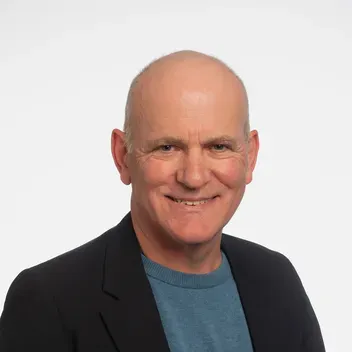
Shaul Yogevمشاهده پروفایل
دانشیار
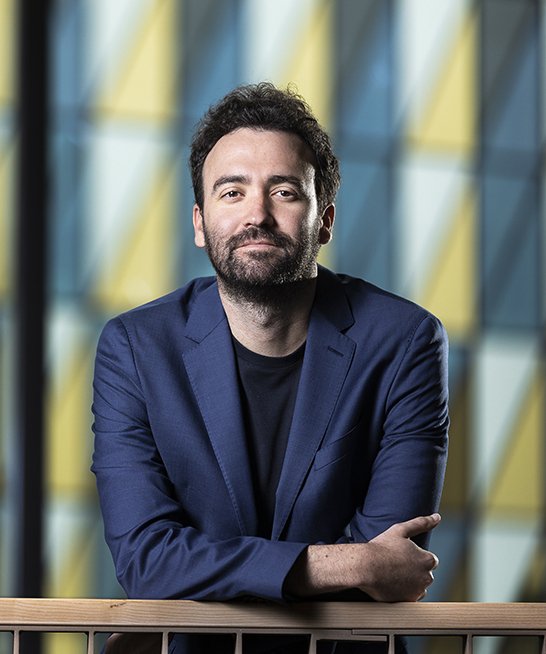
Shaul Yogev is an Associate Professor in the Department of Neuroscience and the Department of Cell Biology at Yale School of Medicine. He is affiliated with the Interdepartmental Neuroscience Program and the Wu Tsai Institute, reflecting his interdisciplinary research in neuronal cell biology. PhD, Weizmann Institute of Science, Molecular Genetics Postdoctoral Training, Stanford University with Kang Shen BSc and MSc, Paris VII University, France Dr. Yogev's research focuses on the fundamental mechanisms governing neuronal architecture and transport. His lab investigates how the neuronal cytoskeleton, particularly microtubules, is organized and how this organization enables polarized cargo transport essential for synaptic maintenance over long distances. Using C. elegans as a model system, his team employs advanced live imaging and genetic tools to study microtubule nucleation, motor protein navigation, and organelle distribution. Their work has significant implications for understanding neurodegenerative diseases where axonal transport is compromised. His recent publications reveal a consistent focus on microtubule dynamics, motor-cargo interactions, and organelle transport, with key contributions to understanding mitochondrial trafficking, spectrin transport, and ER stress in neurons. These studies employ cutting-edge imaging and quantitative analysis techniques, positioning his lab at the forefront of cellular neuroscience. Human Frontiers Fellowship Haim Holzman memorial prize for academic excellence and scientific accomplishments Dr. Yogev leads an active research program with strong collaborative ties, particularly with Marc Hammarlund and Pietro De Camilli. His lab has developed novel imaging methodologies and contributed significantly to understanding how neurons maintain their complex structure and function. He is involved in graduate education through the Biological and Biomedical Sciences Program and the Interdepartmental Neuroscience Program at Yale. Dr. Yogev's work is conducted within the vibrant neuroscience community at Yale, including the Wu Tsai Institute and the Kavli Institute for Neuroscience, where his research on cytoskeletal dynamics contributes to broader efforts in understanding brain function and disease.