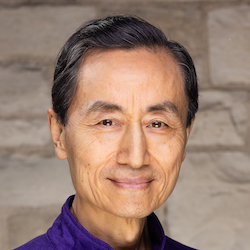
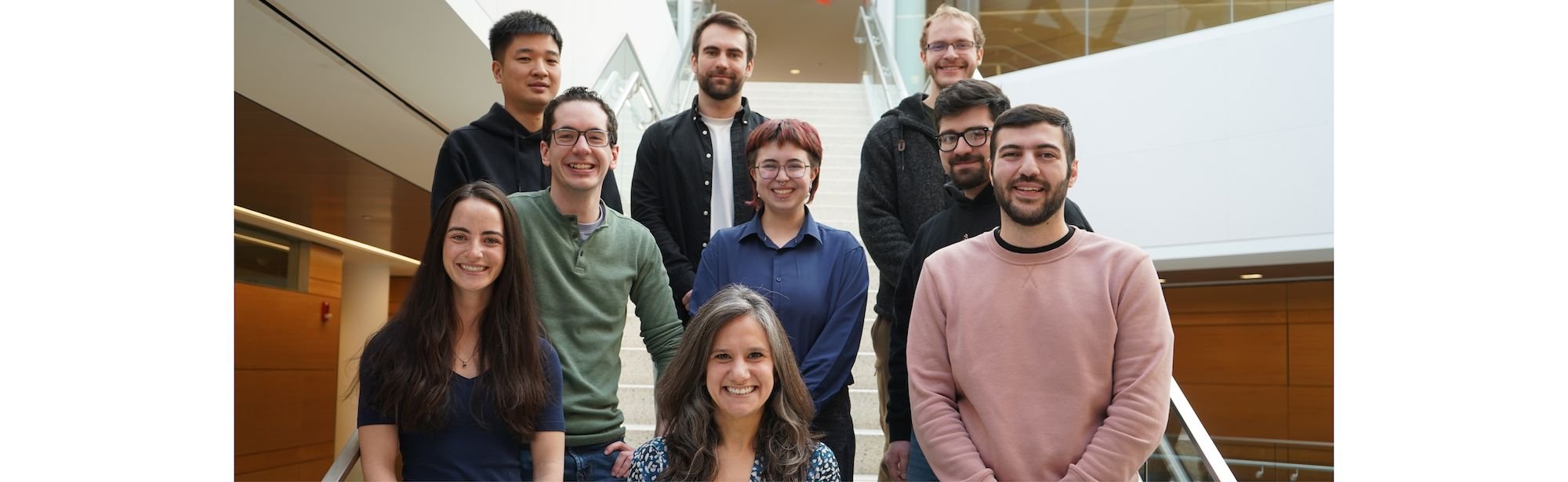
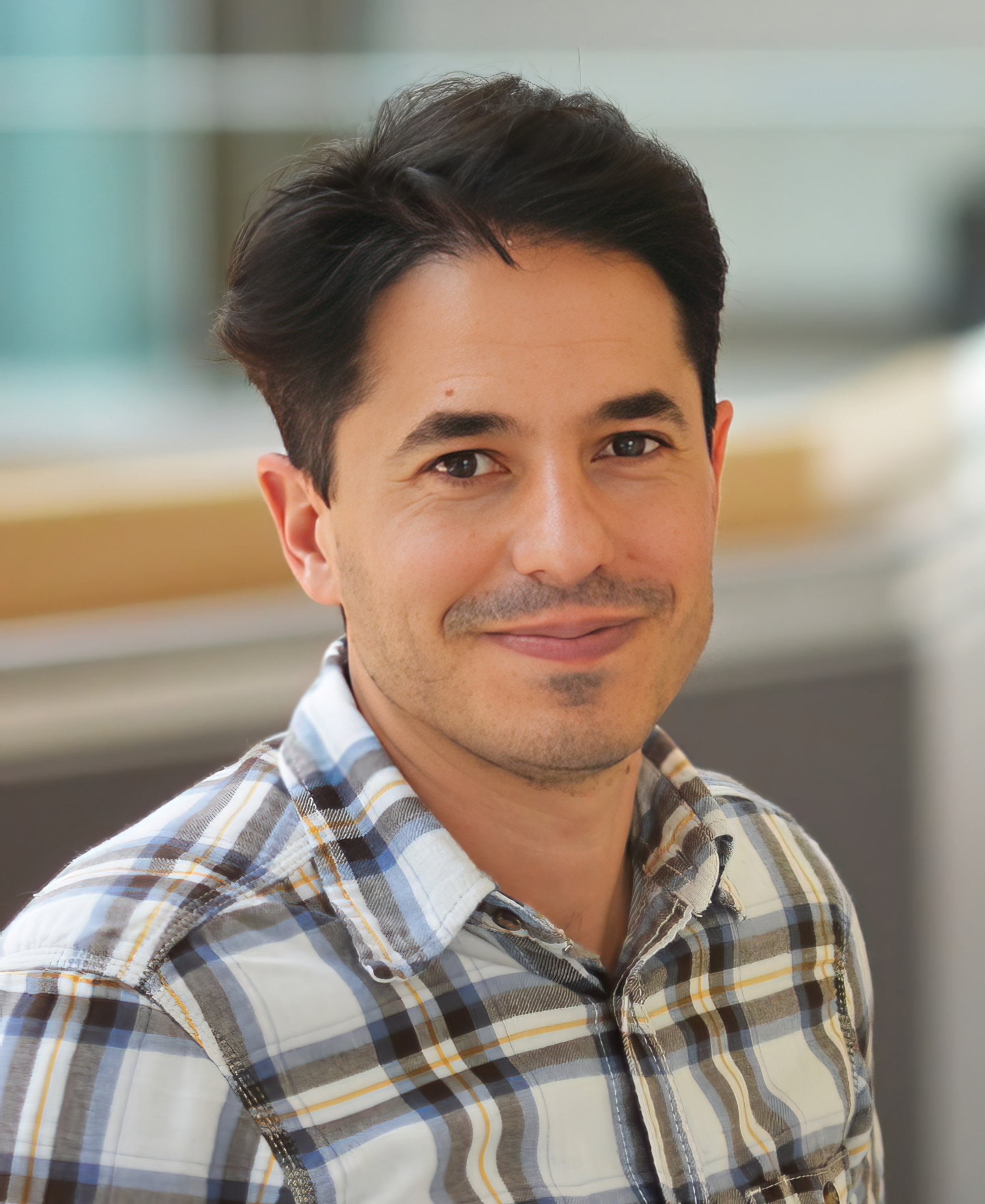
Shu Q. Liu is a Professor of Biomedical Engineering at Northwestern University’s McCormick School of Engineering. His research focuses on cell protective engineering, particularly in cardiovascular and neuroprotective contexts, addressing ischemic disorders like heart attacks and strokes. He holds affiliations with the PhD Program in Interdisciplinary Biological Sciences. Education: Ph.D. in Bioengineering (University of California San Diego), M.S. and B.M. in Physiology (Medical School of Neimengu, China). Research Interests: Developing engineering strategies to understand and mitigate cell damage in ischemic conditions. Key areas include vascular smooth muscle cell behavior, biomaterials for arterial reconstruction, and liver-mediated organ protection mechanisms. Scientific Awards: Includes the 1994 Melville Medal (ASME), 1998 Established Investigator Award (American Heart Association), and multiple best paper awards. Advising & Grants: While specific grants are not listed, his work emphasizes translational research bridging engineering and medicine. Students advised are listed in his CV. Labs/Teams: Collaborations focus on biomaterials, cardiovascular engineering, and systems biology approaches to organ protection.
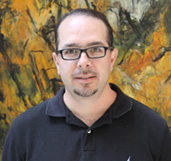
Can Chen is an Assistant Professor in the School of Data Science and Society at the University of North Carolina at Chapel Hill, with adjunct appointments in the Department of Mathematics (College of Arts & Sciences) and the Department of Biostatistics (Gillings School of Global Public Health). He holds core faculty status in the Carolina Health Informatics Program and is affiliated with the Computational Medicine Program and Carolina Center for Interdisciplinary Applied Mathematics. Education: B.S. in Mathematics (UC Irvine, 2016), M.S. in Electrical & Computer Engineering (UMichigan, 2020), Ph.D. in Applied & Interdisciplinary Mathematics (UMichigan, 2021), followed by a postdoc at Brigham and Women’s Hospital/Harvard Medical School (2021–2023). Research interests span control theory, network science, tensor algebra, numerical analysis, machine learning, computational biology, and hypergraph learning. Notable contributions include theoretical frameworks for ecological systems stability, tensor-based dynamical systems, and hypergraph learning applied to genome-scale metabolic networks. Recent work includes a Physics Reports review on ecological stability, a Springer book on tensor algebra, and a Nature Communications paper introducing CHESHIRE for metabolic network analysis. His lab focuses on developing computational tools for systems biology and translational medicine. Key collaborations involve proteogenomic approaches to cancer biomarker discovery, E3 ligase-based targeted therapy, and signal transduction pathways in oncology. He currently oversees research on protein degradation mechanisms, immune-oncology, and systems-driven drug development.
Kevin Myles is a Professor in the Department of Entomology at Texas A&M University's College of Agriculture & Life Sciences. His research investigates mosquito antiviral immunity and genetic control strategies for arbovirus vectors. With a Ph.D. in Microbiology from Colorado State University, his work integrates molecular virology, genomics, and bioinformatics to develop novel vector control methods. Research focuses on RNA interference pathways in mosquito defense, CRISPR-based gene drives for population control, and temperature effects on vector competence. Current projects engineer self-eliminating transgenes and characterize tissue-specific antiviral responses. Analysis of 15 publications reveals emphasis on genetic control technologies (53% of articles), mosquito immunity (27%), and climate-vector interactions (13%). Recent work increasingly addresses safety mechanisms for field applications. Leads development of computational tools like MGDrivE for simulating gene drive efficacy. Research has produced multiple genetic systems for precise modification of mosquito populations, with applications in dengue, Zika, and chikungunya control.
Ken Yamada, PhD , is an Assistant Professor at the UMass Chan Medical School and affiliated with the RNA Therapeutics Institute . He holds a doctorate from the Tokyo Institute of Technology . His research focuses on Molecular Biology , RNA Therapeutics , and Gene Silencing , with a particular emphasis on developing extended nucleic acid backbones and dual-targeting siRNA scaffolds to enhance therapeutic efficacy in neurodegenerative diseases like ALS and Huntington's disease. Publications from 2025 to 2005 highlight innovations in RNAi , oligonucleotide formulation , and immune response modulation . The majority of his work falls within Molecular Biology and Neuroscience , with subfields including RNAi Therapy , Neurodegenerative Diseases , and Oligonucleotide Engineering . He collaborates extensively with researchers like Anastasia Khvorova , Neil Aronin , and Matthew Hassler .
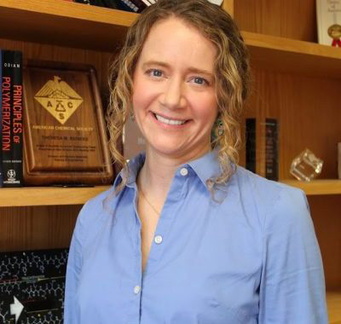
Theresa Reineke is a Distinguished McKnight University Professor in the Department of Chemistry at the University of Minnesota, with additional appointments as Graduate Faculty in the Department of Pharmaceutics and Graduate Faculty Advisor in the Department of Chemical Engineering and Materials Science within the College of Science and Engineering. She also serves as Associate Editor for ACS Macro Letters. PhD in Chemistry, University of Michigan MS in Chemistry, Arizona State University BS in Chemistry/Physics, University of Wisconsin-Eau Claire NIH Post-Doctoral Fellow, California Institute of Technology, Division of Chemistry and Chemical Engineering Professor Reineke's research focuses on the development of novel polymeric materials for biomedical applications, particularly in the areas of gene delivery and therapeutic nucleic acid delivery. Her work bridges polymer chemistry, biomaterials science, and pharmaceutical sciences, with an emphasis on creating nonviral delivery systems that can effectively transport genetic material to target cells. Her research group explores the design, synthesis, and characterization of cationic glycopolymers and other advanced polymeric systems for therapeutic applications. Analysis of Professor Reineke's recent publications reveals a strong focus on polymeric delivery systems for nucleic acids, with particular emphasis on nonviral gene delivery vectors. Her work spans fundamental polymer chemistry to applied biomedical research, with recent publications covering topics from radical ring-opening polymerization of sustainable monomers to blended block polycation micelles for antisense oligonucleotide delivery. The research demonstrates a consistent trajectory toward developing more efficient and targeted delivery systems for genetic therapies. Distinguished McKnight University Professor Professor Reineke maintains an active research program with numerous publications in high-impact journals. She serves in editorial roles, including as Associate Editor for ACS Macro Letters, and appears to be actively mentoring students and postdoctoral researchers through her research group. Her interdisciplinary approach connects chemistry, chemical engineering, and pharmaceutical sciences to address challenges in therapeutic delivery. Professor Reineke leads the Reineke Research Group, which focuses on developing innovative polymeric materials for biomedical applications, particularly in the area of gene therapy and nucleic acid delivery. The group employs a multidisciplinary approach combining synthetic chemistry, materials science, and biological evaluation to create next-generation delivery systems.
Daniel J. Siegwart holds the W. Ray Wallace Distinguished Chair in Molecular Oncology Research and serves as Professor at the University of Texas Southwestern Medical Center. He maintains dual appointments in the Department of Biomedical Engineering and Department of Biochemistry, and is affiliated with the Simmons Comprehensive Cancer Center. Dr. Siegwart directs both the Program in Genetic Drug Engineering and the Drug Delivery Program in Biomedical Engineering, while also serving as Co-Director of the Chemistry and Cancer Program. Dr. Siegwart's research focuses on developing advanced lipid and polymer-based systems with precise control over structure and responsiveness for applications in drug delivery, imaging, genetic diseases, and cancer. His work spans nano-based drugs, personalized medicine, and cancer immunology, with particular emphasis on creating targeted delivery systems for nucleic acid therapeutics. His laboratory pioneers innovations in lipid nanoparticle technology, selective organ targeting (SORT) systems, and novel approaches to overcome delivery barriers for genetic medicines. Analysis of Dr. Siegwart's recent publications reveals a strong focus on advancing lipid nanoparticle technology for organ-specific delivery of nucleic acids. His research group has made significant contributions to understanding structure-activity relationships of ionizable lipids, developing multi-organ targeting strategies, and creating solutions for repeated administration of mRNA therapeutics. Current work emphasizes expanding delivery capabilities beyond the liver to target lungs, spleen, skeletal muscle, and skin for treating genetic diseases and cancer. National Academy of Inventors (NAI) Fellow (2024) National Academy of Medicine (NAM) Emerging Leaders in Health and Medicine (ELHM) Scholar (2024) Controlled Release Society (CRS) College of Fellows (2023) American Institute for Medical and Biological Engineering (AIMBE) College of Fellows (2022) Howard Hughes Medical Institute (HHMI) Gilliam Fellowship for Advanced Study (2021) Dr. Siegwart has secured significant research funding including the American Cancer Society Research Scholar award, CPRIT Scholar Award, and NIH funding. He has co-founded multiple biotechnology companies including Signify Bio, Jumble Therapeutics, and ReCode Therapeutics, translating his academic research into clinical applications. His laboratory maintains active collaborations with leading institutions and pharmaceutical companies to advance nucleic acid delivery technologies. The Siegwart laboratory operates as a multidisciplinary research team at the intersection of chemistry, materials science, and biomedical engineering. The group maintains state-of-the-art facilities for nanoparticle formulation, characterization, and in vivo testing, with particular expertise in lipid chemistry, polymer synthesis, and nucleic acid delivery. Current research directions include developing next-generation delivery systems for CRISPR-based gene editing, creating tissue-specific mRNA vaccines, and engineering novel approaches to treat genetic disorders and cancer.
Dr. Joe Altin is an Honorary Group Leader in the Division of Biomedical Science and Biochemistry at the Australian National University's Faculty of Science. His research focuses on developing innovative liposome-based technologies for cancer immunotherapy and vaccine development, with particular expertise in tumor targeting and immunological response enhancement. Dr. Altin's educational background includes: BSc and Graduate Diploma in Science (1985) from ANU PhD (1988) from ANU Post-doctoral position at University of California, Irvine (1988-1990) Research Fellowship at JCSMR (ANU) Dr. Altin's laboratory specializes in tumour immunology and liposome targeting , with research focused on overcoming two major limitations in liposome therapeutics: reducing non-specific uptake by phagocytes and enhancing tumor penetrability. His patented technology enables the development of stealth liposomes as targeted nanoparticles for delivering antigens, drugs, and nucleic acids. The lab has demonstrated that engraftment of ligands targeting antigen-presenting cells can elicit more effective antigen-specific anti-tumor responses, while peptides targeting tumor vasculature enhance therapeutic efficacy of drug-loaded liposomes. Analysis of Dr. Altin's publication record reveals consistent innovation in liposome engineering, with emphasis on chelator lipid-anchored targeting molecules, flagellin-related peptide adjuvants, and strategies for improving tumor penetration. His work bridges immunology, nanotechnology, and cancer biology, showing how targeted delivery systems can significantly enhance immune responses and therapeutic outcomes in tumor models. Dr. Altin actively supervises student research projects in tumour immunology and liposome targeting, welcoming inquiries from prospective students. His laboratory, the Altin Group, operates within the Research School of Biology's infection and immunity research theme, contributing to ANU's strength in biomedical research. The group maintains active collaborations with researchers including Thomas Herringson, Abdus Faham, and Chris Parish, focusing on translating basic research into potential therapeutic applications.
Pouya Dehghankelishadi is a Research Fellow at Monash University's Department of Drug Delivery, Disposition and Dynamic. His work focuses on developing multi-functional drug delivery systems using porous silicon nanoparticles and gold nanoclusters for cancer treatment, particularly glioblastoma and breast cancer. He holds a PhD from the University of South Australia (2022) and a Doctorate of Pharmacy (PharmD) from Tehran University of Medical Sciences (2014). Education: PhD in Nanomedicine, University of South Australia (2022) Doctorate of Pharmacy (PharmD), Tehran University of Medical Sciences (2014) Research Interests: Targeted drug delivery systems for cancer therapy Nanoparticle engineering (porous silicon, gold nanoclusters) Theranostics and biomedical applications of nanomaterials Radiosensitiser delivery to tumour microenvironment Article Trends: His publications emphasize nanoparticle-based drug delivery systems, with recent work focusing on aptamer-targeted carriers, implantable biosensors, and stimuli-responsive nanocarriers for brain cancer treatment. Themes include nanomedicine design, cancer therapeutics, and biomedical imaging. Advising/Grants: No formal advisees listed. Research is conducted under Prof. Nicolas Voelcker's lab, with a focus on translational nanomedicine. Labs/Teams: Active member of Prof. Voelcker's lab at Monash University, contributing to interdisciplinary research in drug delivery and biomedical engineering.
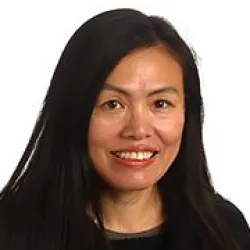
Associate Professor Jean (Jiayu) Wen holds positions at The Australian National University (ANU), including Group Leader of The Wen Group, ARC Future Fellow, and Deputy Director of The Shine-Dalgarno Centre for RNA Innovation. She specializes in computational and molecular biology, focusing on RNA regulation, gene expression, and cancer genomics. Her affiliations include ANU’s Division of Genome Sciences and Cancer, and the Centre for Computational Biomedical Sciences. Education: BEng in Electronic Engineering (Beijing), MSc in Computer Science (Lakehead University), PhD in Computational Biology (ANU). Postdoctoral training at Copenhagen University and Memorial Sloan-Kettering Cancer Center. Research interests span RNA structures, microRNA biogenesis, transcriptome dynamics, and epigenetic regulation. Her work addresses intragenomic conflicts, cancer mechanisms, and neural development. Notable projects include RNA-based machine learning models for RNA-RNA interactions and immune cell differentiation studies. Publications highlight contributions to RNA interference pathways, tumor development, and Drosophila genetics. Awards include the ARC Future Fellowship. She leads interdisciplinary teams advancing computational and experimental approaches in genomics and systems biology.
Julia Alterman, PhD, is an Assistant Professor at the RNA Therapeutics Institute within UMass Chan Medical School. Her research focuses on developing novel therapeutic oligonucleotides for genetically defined diseases, with particular expertise in siRNA technology and chemical optimization for extrahepatic tissue delivery. Dr. Alterman's lab works on expanding siRNA applicability to diverse tissues including skin, heart, muscle, bone, joint, eye, and inflammation targets. Her research integrates oligonucleotide chemistry and synthesis, chemical biology, and in vitro/ex vivo/in vivo pharmacology to understand structure-activity relationships of therapeutic oligonucleotides. Current projects focus on creating novel chemical architectures enabling whole-body siRNA delivery, with applications ranging from neurodegenerative disorders to inflammatory conditions. Recent publications demonstrate strong focus on CNS delivery optimization, allele-specific silencing strategies, novel scaffold development for tissue-specific delivery, and toxicity mitigation approaches. Therapeutically, her work spans neurodegenerative diseases (Huntington's, prion diseases), muscular dystrophy, ocular pathologies, and inflammatory conditions.
Annalisa Tirella serves as Associate Professor in the Department of Industrial Engineering at the University of Trento, specializing in biomaterials and tissue engineering. Her research focuses on developing advanced 3D models for cancer microenvironments and regenerative medicine applications, with particular expertise in hydrogel engineering and bioprinting technologies. Her primary research interests include Tissue Engineering , Biomaterials Design , and Cancer Microenvironment Modeling , with emphasis on creating physiologically relevant in vitro systems. She investigates how mechanical properties of biomaterials influence cellular behavior in breast and prostate cancer models, develops sustainable biomaterials from circular economy sources, and engineers drug delivery systems using nano-in-micro technologies. Her TERM (Tissue Engineering and Regenerative Medicine) work bridges fundamental biophysical principles with clinical translation. Dr. Tirella teaches advanced courses including Biotechnology Engineering for the Department of Cellular, Computational and Integrative Biology, where she covers TERM applications, biomaterials characterization, and additive manufacturing techniques. Her educational focus emphasizes problem-solving skills for designing biomedical technologies and understanding cell-biomaterial interactions. Her recent publications (2023-2025) reveal strong trends in cancer microenvironment modeling (particularly breast and prostate cancers), hydrogel engineering with alginate and natural polymers, and advanced drug delivery systems . Key research directions include deciphering invasive cancer phenotypes through data-driven approaches, developing tumor-mimetic scaffolds with tunable mechanical properties, and creating sustainable biomaterials for precision medicine applications. The work consistently integrates biomechanical analysis with biological validation. Dr. Tirella actively develops innovative methodologies including microfluidic fabrication, response surface methodology for hydrogel optimization, and nano-in-micro encapsulation techniques. Her research has significant implications for understanding cancer metastasis mechanisms and developing targeted therapeutic approaches.
Ileana M. Cristea is the Henry L. Hillman Professor of Molecular Biology and an Associate Professor in the Department of Molecular Biology at Princeton University. She serves as the Director of Graduate Studies and leads the Cristea Lab, which focuses on the interplay between virology and proteomics. Her research aims to understand cellular defense mechanisms against viruses and viral strategies for immune evasion. Dr. Cristea's research interests lie at the interface of virology, proteomics, and molecular biology. Her lab investigates dynamic host-virus interactions, including protein-protein and protein-nucleic acid interactions during infection, DNA sensing in the nucleus, innate immune responses to herpesviruses, the role of deacetylases (HDACs and SIRTs) in viral infections, and global remodeling of cellular organelles. She develops and applies advanced proteomic tools integrated with genomics, microscopy, and bioinformatics to study these processes. Her recent publications demonstrate a strong focus on herpesviruses and human cytomegalovirus (HCMV), exploring mechanisms of viral immune evasion, host defense via DNA sensors like IFI16, organelle remodeling, and targeted proteomic assays. The research leverages cutting-edge mass spectrometry and multi-omics approaches to uncover fundamental biological insights with therapeutic implications. Her scientific achievements have been recognized with several awards: Bordoli Prize, British Mass Spectrometry Society (2001) NIDA Avant-Garde Director Pioneer Award (2008) Human Frontiers Science Program Young Investigator Award (2009) Early Career Award in Mass Spectrometry, ACS NJ Section (2011) American Society for Mass Spectrometry Research Award (2012) Molecular & Cellular Proteomics Lectureship (2013) Mallinckrodt Scholar Award (2015) Dr. Cristea is actively involved in mentoring and education. She advises PhD students, including Ji Woo Park. She is a head instructor for the summer Proteomics Course at Cold Spring Harbor Laboratory and has taught workshops at major conferences (ASMS, HUPO). She holds leadership roles in professional organizations, serving on the Executive Board of US-HUPO and chairing the Infectious Disease initiative of HUPO World. She also serves on the editorial boards of several high-impact journals, including Molecular & Cellular Proteomics , Proteomics , and Journal of Proteome Research . The Cristea Lab operates as a multidisciplinary research team, fostering collaborations with groups worldwide. Their work is supported by partnerships with organizations like the CHDI Foundation (Huntington's disease) and the Paul G. Allen Family Foundation (organelle remodeling). The lab continues to develop innovative proteomic and computational tools, such as machine-learning pipelines for predicting protein interactions.
Professor Alfredo Castello is a Professor in Systems Virology at the MRC-University of Glasgow Centre for Virus Research within the Institute of Infection, Immunity and Inflammation at the University of Glasgow's College of Medical, Veterinary and Life Sciences. With an active research program and numerous recent publications, he leads the Castello Lab which focuses on understanding RNA-binding proteins in virus infection. Castello's research interests center around the critical role of cellular RNA-binding proteins (RBPs) in viral infections. His work reveals how viruses exploit host RBPs for replication while cells utilize RBPs as part of their antiviral defense. His lab employs innovative approaches to discover cellular proteins that interact with viral RNA during infection, combining cell and molecular biology, RNA biology, virology, and 'omic' technologies to understand host-virus interactions at a systems level. Analysis of Castello's recent publications shows a strong focus on RNA-protein interactions in viral infections across multiple viral systems including alphaviruses, HIV-1, SARS-CoV-2, and other RNA viruses. His work spans from fundamental RNA biology to translational applications, with particular emphasis on identifying host factors that could serve as targets for broad-spectrum antivirals. ERC consolidator Grant: Towards the discovery of cellular RNA-binding proteins with master regulatory roles in virus infection (2021-2026) MRC Career Development Award: Proteome-Wide Identification of RNA-Binding Proteins Playing Critical Roles in Virus Infection (2021-2022) Marie Curie postdoctoral fellowship: Structural basis of TRIM25 and RIPLET mediated antiviral response (2023) Castello actively supervises multiple PhD students and postdoctoral researchers in the Castello Lab, including Rozeena Arif, Namah Raut, Innes Jarmson, and others. His research group receives substantial funding through multiple grants including RBP-ReguNet (2023-2027) and Understanding the Roles of Cellular RNA-Binding Proteins in HIV-1 Infection (2023). The lab maintains active collaborations both within the University of Glasgow and with external institutions worldwide. The Castello Lab operates as a multidisciplinary research unit combining expertise in molecular virology, cellular biology, RNA biology, and computational approaches. The group has developed innovative methods for identifying RNA-binding proteins in cells, representing significant breakthroughs in understanding protein-RNA interactions during viral infection.
Rupali Rajendra Bhadane is a postdoctoral researcher at Åbo Akademi University's Pharmaceutical Science Laboratory (PSL) and Structural Bioinformatics Laboratory (SBL), contributing to interdisciplinary science under the Faculty of Natural Sciences and Technology. Her work spans computational biology, drug design, and sustainable material development. PhD in Pharmacy 8 years of undergraduate teaching experience Her research integrates virtual screening , molecular dynamics simulations , and DFT calculations to advance drug discovery (e.g., Glycomimetic SGLT2 inhibitors , HDAC-2 modulators ), while also applying computational methods to analyze bio-based adhesive materials and virus-mimetic nanoparticles . Recent publications highlight her work on Covid-19 spike protein mutations , g-quadruplex targeting , and core/shell nanostructures for siRNA delivery. She actively contributes to datasets through the Finnish National Protein Crystallography Consortium and European Synchrotron Radiation Facility . Current projects include D2V: From Dust to Value (2023-2026), focusing on circular bio-based residues with Business Finland funding. Her work aligns with UN SDGs for health innovation and environmental sustainability.
Priti Kumar is an Associate Professor of Infectious Diseases and Microbial Pathogenesis at Yale University School of Medicine , with affiliations in Cancer Immunology, Immunology, and Virology Laboratories. She leads the Yale-UPR Integrated HIV Basic and Clinical Sciences Initiative and directs the Yale Predoctoral Training Program in Virology and BBS Microbiology Track Graduate Admissions. Education: PhD in Immunology (2002) from Indian Institute of Science; Postdoctoral training (2005) at Harvard Medical School. Research Interests: Focus on RNA viruses , gene therapy , and siRNA delivery platforms , particularly for HIV-1, West Nile virus, Japanese encephalitis, dengue, and SARS-CoV-2. Key innovations include transvascular CNS delivery of siRNAs and humanized mouse models for HIV pathogenesis. Recent Work: Her lab explores CRISPR-based HIV cure strategies , picomolar NNRTIs , and metabolic disease interventions using RNA therapeutics. Articles highlight SARS-CoV-2 vaccines, Fc-effector mechanisms, and HIV transmission pathways in macrophages. Collaborations: Key partnerships with Yale labs (Mothes, Saltzman, Anderson) and NIH workshops on humanized mouse models. Her work spans translational medicine , vaccine development , and antiviral pharmacology .