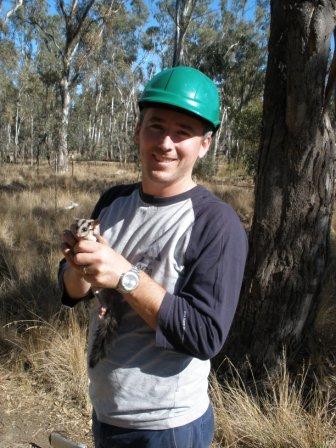
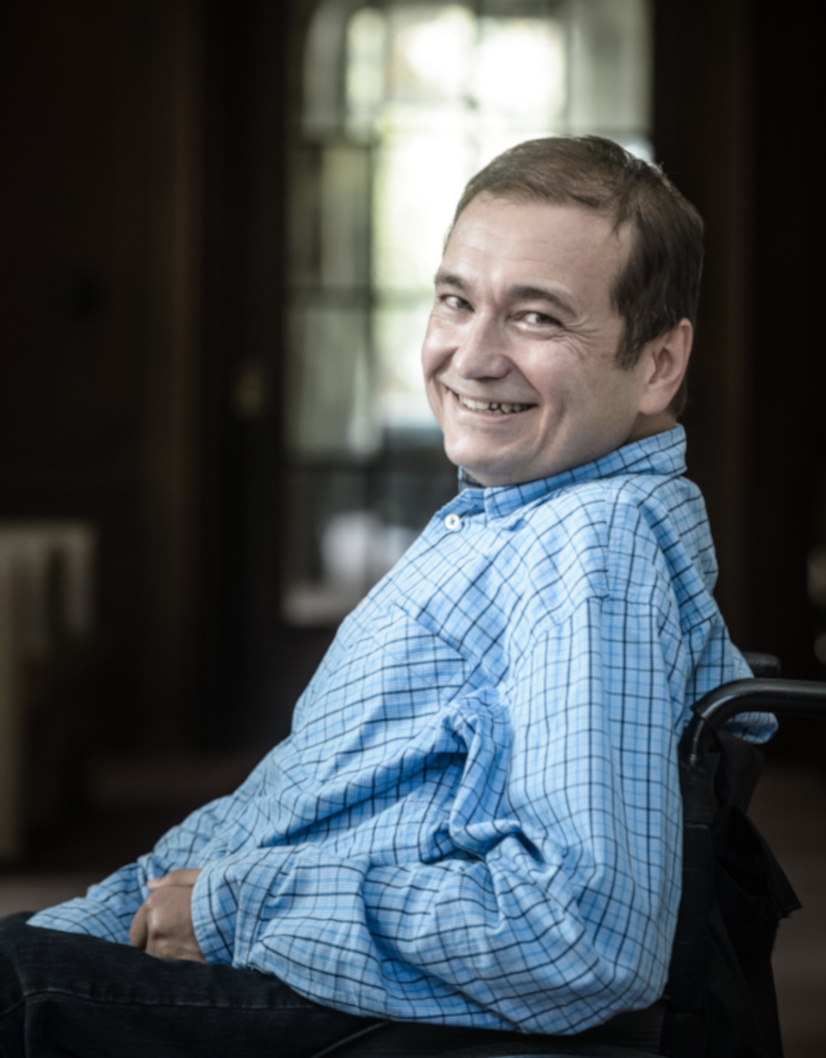
Grant Palmer is a Senior Lecturer in Environmental Science at Federation University's Institute of Innovation, Science and Sustainability (IISS). He holds a PhD from Deakin University and specializes in ecological research, consultancy, and teaching in environmental management. His roles include Discipline Co-ordinator for the Environmental Management program and Editor of the journal Australian Field Ornithology (focusing on bush birds, parrots, and general ecology). Research interests center on fire ecology, biodiversity in urban/agricultural landscapes, and fauna responses to environmental changes. He actively contributes to committees such as the Corangamite Catchment Management Authority and the FedUni Animal Ethics Committee. Teaching includes courses like Fire Ecology, Wildlife Ecology & Conservation, and Research Design. His consultancy work has produced over 70 specialist reports, emphasizing practical ecological solutions.
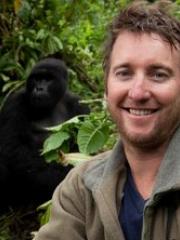
Professor James Watson is a leading conservation scientist and biogeographer at The University of Queensland , affiliated with the Centre for Marine Science and Centre for Biodiversity and Conservation Science. As a Professor of Conservation Science, he specializes in biodiversity policy, climate change impacts, and species recovery strategies. PhD from University of Oxford (Rhodes Scholar) Co-leader of Green Fire Science and RARES research groups Over 400 peer-reviewed publications His research focuses on ecosystem integrity , protected area effectiveness , and conservation economics , with recent work addressing mining impacts on biodiversity, climate change adaptation, and the global 30x30 initiative. He advocates for evidence-based strategies to save Australia’s rarest species. 2025-2024 research trends show expertise in tropical forest regeneration, climate-species interactions, and policy implementation gaps. Collaborative projects span scientific modeling , GIS analysis , and international conservation frameworks . International Panel on Biodiversity and Ecosystem Services (IPBES) Task Force member Research Fellow, United Nations Environment Program Senior Technical Expert, UNDP’s Nature for Development Program Founding Chair, IUCN Climate Change Specialist Group Supervision includes 12 current PhD candidates working on topics such as night parrot conservation , ecological corridors , and urban biodiversity . Completed students have addressed threatened species recovery and climate adaptation planning . He leads lab teams at Green Fire Science (www.greenfirescience.com) and RARES (https://raresgroup.com.au), focusing on applied conservation solutions.
Rui Duan is an Assistant Professor in the Department of Computer Science and Information Technology at the University of Missouri-Kansas City (UMKC), within the School of Science and Engineering. He leads the SAIM Lab (Secure AI & Intelligent Media), focusing on trustworthy and human-centered multimedia AI. Research Interests: His research lies at the intersection of AI Security, Machine Learning, and Human-Computer Interaction. He investigates adversarial audio attacks in real-world applications, their human impact, and mitigation strategies. His work extends to Network Security, Internet of Things (IoT), and Federated Learning, aiming to build robust and secure AI systems. Publication Trends: His recent publications demonstrate a strong focus on adversarial attacks in multimedia systems, particularly targeting audio and music copyright detection, speaker recognition, and federated learning frameworks. These works are published in top-tier venues like IEEE S&P, NDSS, ACM CCS, CVPR, and ICML, reflecting high impact in both security and machine learning domains. Scientific Awards: Student Travel Grant from IEEE S&P 2024 Student Travel Grant from ACM CCS 2022 Advising and Grants: Dr. Duan is actively recruiting self-motivated Ph.D. students interested in trustworthy ML & AI, IoT design, and human-computer interaction. While specific grants are not listed, his publication record and lab activities suggest active research funding, particularly in AI security and trustworthy systems. Labs and Teams: He leads the SAIM Lab (Secure AI & Intelligent Media) at UMKC, which focuses on developing secure and intelligent multimedia AI technologies. The lab is actively engaged in cutting-edge research on adversarial attacks, federated learning, and IoT security.
Professor David Macdonald CBE, FRSE is a leading academic in wildlife conservation, currently serving as the Professor of Wildlife Conservation at the University of Oxford and founding director of the Wildlife Conservation Research Unit (WildCRU). He holds a visiting professorship at Imperial College and chairs key committees including the Darwin Advisory Committee and Natural England’s Science Advisory Committee. His research integrates behavioral ecology with interdisciplinary approaches, addressing human-wildlife conflict through ecological, economic, and social science lenses. Notable areas include carnivore conservation (e.g., lions, tigers, and Ethiopian wolves) and the impacts of resource distribution on social structures. Awards include the CBE and FRSE. His work emphasizes policy-relevant science, leveraging long-term datasets and innovative tools like CARACAL acoustic monitoring. He advises on global conservation strategies, including responses to illegal wildlife trade and habitat loss. Education details are not explicitly stated, but his academic trajectory reflects advanced training in biological sciences. Research interests span from felid behavior to the socio-economic dimensions of conservation. Key collaborators include Earthwatch and the Wildfowl and Wetlands Trust. Students include Adjany Costa (Graduate Student). His contributions extend to policy via roles in advisory boards and advocacy for evidence-based conservation.
Anna Pidgeon is Professor in the Department of Forest and Wildlife Ecology at University of Wisconsin-Madison. Her research addresses habitat requirements of vertebrate species, particularly birds, within human-modified landscapes. Pidgeon investigates conservation challenges through habitat suitability modeling, landscape connectivity analysis, and remote sensing applications. Research integrates field surveys with satellite-derived metrics like Dynamic Habitat Indices to predict biodiversity patterns across scales. Current studies examine how climate change and land-use alter habitat resilience, with projects spanning Wisconsin forests, Patagonian ecosystems, and tropical regions. Methodological innovations include texture analysis of satellite imagery to quantify habitat heterogeneity. Educational background includes PhD in Wildlife Ecology from UW-Madison (2000), MS from Central Washington University (1995), and BS degrees from University of Minnesota in Life Science Education (1989) and Wildlife Management (1983).
Dr Rachel Grant is a Senior Lecturer and Course Director in Bioscience at London South Bank University (LSBU), affiliated with the Bioscience and Bioengineering Research Centre within the School of Human Sciences. She joined LSBU in 2020 after academic roles at Oxford, Cambridge, Anglia Ruskin, and Northampton Universities. Senior Lecturer, LSBU (2020–present) Course Director, Bioscience Research focus: behavioural and evolutionary ecology Her educational background includes: BSc (Hons) Biology (1986–1990) PG Dip Animal Behaviour (2000–2003) PhD (2003–2010) PG Cert LTHE (2012) Rachel's research spans behavioural and evolutionary ecology , with a focus on amphibians, reptiles, and birds. She investigates the influence of geophysical variables on animal behaviour—work relevant to conservation and hazard forecasting. A significant portion of her recent work centers on psittacine bird welfare and personality models, as well as exotic pet welfare models like the Five Domains. She also explores human behavioural ecology , particularly the evolutionary origins of patriarchy and deimatic displays in humans. Her expertise supports the UN Sustainable Development Goals in education and planetary protection. The recent publication trends highlight her interdisciplinary approach, combining zoology, conservation, animal welfare, and evolutionary theory . Her work frequently intersects with public policy, media, and ethical considerations in pet ownership and research inclusivity. Articles from 2024 demonstrate her engagement with both scientific journals and public-facing platforms, addressing topics from reptile expos to disabled researchers' career progression during the pandemic. Scientific engagement and recognition include: Media contributor: Channel 5's "Tsunami", Discovery Channel, NASA Unexplained Files News and radio interviews on animal behaviour and conservation Public engagement through documentaries and outreach Rachel leads curriculum development as Course Director and teaches modules such as Aetiology of Disease, Foundation Biology, Employability, and Level 6 Project. She mentors student research and integrates research methods and statistics into her teaching. While no formal grants or students are listed, her leadership in the DISCOVerY Project indicates involvement in equity-focused research initiatives. She is actively contributing to academic discourse through peer-reviewed publications and public science communication. She is associated with the Bioscience and Bioengineering Research Centre , where her work contributes to understanding animal-environment interactions, improving welfare standards, and promoting inclusive research practices. Her team collaborates on interdisciplinary projects linking biology, geophysics, and social sciences, particularly in risk forecasting and conservation applications.
Jochen Wolf is Chair of the Evolutionary Biology Division at Ludwig-Maximilians-Universität München (LMU) and a Max Planck Fellow of the Max Planck Institute for Biological Intelligence since 2022. His research integrates evolutionary biology, genomics, and ecology to address fundamental questions about speciation, adaptation, and biodiversity across multiple biological systems. Dr. Wolf's research program applies an integrative approach to understand microevolutionary processes and genetic mechanisms underlying species divergence. His work combines large-scale genomic analyses with laboratory and field experiments to characterize genomic divergence across populations and species. Key empirical systems include natural populations of birds (particularly corvids, swallows, and cuckoos), marine mammals (pinnipeds and killer whales), plant communities, and experimental evolution in fission yeast. His research spans multiple scales from immediate microevolutionary processes to broader evolutionary patterns across time. His recent publications reveal a sophisticated integration of genomic, epigenetic, and ecological perspectives. A notable trend shows increasing focus on structural genomic variation, chromosomal rearrangements, and epigenetic mechanisms as drivers of evolutionary processes. His work demonstrates how these molecular mechanisms interact with ecological factors to shape patterns of biodiversity and adaptation. Dr. Wolf's research has gained significant recognition through publications in top-tier journals including Nature, Science, and Nature Ecology & Evolution. His groundbreaking studies on crow hybrid zones, killer whale ecotypes, and experimental evolution of speciation have been featured in prominent media outlets such as The New Yorker, The Guardian, Scientific American, and Der Spiegel, demonstrating the broad impact of his work. As Principal Investigator, Dr. Wolf actively mentors doctoral students and postdoctoral researchers, fostering the next generation of evolutionary biologists. His lab maintains strong international collaborations, particularly through affiliations with SciLifeLab in Uppsala. Research in his group is supported by multiple funding sources including German Research Foundation grants and European Union programs, enabling both fundamental research and applications to conservation biology. The Wolf lab operates within LMU's Division of Evolutionary Biology, which provides access to state-of-the-art facilities including the Leibniz Supercomputing Centre. The lab maintains strong connections with the Max Planck Institute for Biological Intelligence and SciLifeLab in Uppsala, creating a rich collaborative environment for interdisciplinary research in evolutionary genomics. This network enables comprehensive studies spanning from molecular mechanisms to ecological and evolutionary consequences across diverse biological systems.
Taras K Oleksyk is an Associate Professor in the Department of Biological Sciences at Oakland University, where he maintains an active research program in genomics and evolutionary genetics. His work spans both human and conservation genomics, with particular focus on understudied populations and endangered species. Dr. Oleksyk's research interests center on genomics, evolutionary genetics, and comparative genomics, with specific focus on mechanisms of genome evolution and their implications for adaptation and human disease. His work has involved genome diversity studies of admixed populations, analysis of candidate genes from GWAS and admixture scans, and pioneering population genomic studies in Eastern Europe and Ukraine. He has organized and published population genomic studies in regions not previously addressed in global genome surveys. His recent publications demonstrate a strong focus on Ukrainian population genomics, conservation genetics of endangered species (particularly parrots), and the genetic basis of type 1 diabetes. His research group has sequenced genomes of numerous parrot species and conducted significant work on the Puerto Rican parrot conservation effort. Dr. Oleksyk leads several major projects including the European Commission 2SOFT/1.2/48 Partnership for Genomic Research in Ukraine and Romania and the Helmsley Foundation study of T1DM exomes in Ukraine. His work bridges computational genomics with field research, particularly in conservation contexts. In addition to his research, Dr. Oleksyk teaches Evolutionary Biology (BIO 3340) and Topics in Evolutionary Biology (BIO 4342/5382). His laboratory is located in Dodge Hall room 368 at Oakland University.
Dr. Danny John Norrey serves as a Tutor for Biology at Manchester Metropolitan University, specializing in ecological and conservation research. He provides academic support for student skills development in data analysis and research design for both undergraduate and postgraduate programs. His research focuses on: Ecology and evolutionary biology Biodiversity conservation Wildlife ecology and behavioral studies Field-based ecological research methodologies Norrey's publications demonstrate strong interdisciplinary engagement across conservation biology, wildlife ecology, and ecological monitoring. Recent work frequently examines human-wildlife interactions, trade impacts on biodiversity, and conservation strategies across diverse ecosystems from African savannahs to Amazonian markets. His international collaborations span multiple continents with research outputs contributing to wildlife policy and conservation practice.
Martina Carrete is an Associate Professor in the Department of Physical, Chemical and Natural Systems at Universidad Pablo de Olavide, while also maintaining an active research position at CSIC (Spanish National Research Council) in Conservation Biology. Her academic career spans over two decades since earning her doctorate from Universidad de Murcia in 2002 with a thesis focused on eagle conservation in Mediterranean environments. Universidad Pablo de Olavide: Faculty member in Ecology CSIC: Post-Doctoral Researcher in Conservation Biology Research Group: ORGSIS Organismos y Sistemas Former Affiliation: ESTRUCTURA Y FUNCIÓN EN ECOSIS Carrete's research focuses on conservation ecology, particularly avian species with emphasis on scavengers and invasive birds. Her work spans multiple critical areas including vulture conservation, parrot ecology, invasive species management, and human-wildlife conflict resolution. She has made significant contributions to understanding population dynamics, species reintroduction strategies, and the ecological impacts of human activities on bird populations. Her publication record demonstrates consistent research output across high-impact journals, with recent work examining transcontinental migration patterns, pharmaceutical contamination in scavengers, and the hidden dimensions of wildlife poaching. Carrete's research often combines field observations with advanced analytical techniques to address pressing conservation challenges. Conservation Biology: Vulture population management, reintroduction strategies Ornithology: Raptor ecology, parrot behavior, urban adaptation Human Dimensions: Wildlife trade, human-wildlife conflict, policy implications Dr. Carrete has contributed significantly to understanding the ecological services provided by scavengers and the consequences when these are disrupted by human policies. Her work on the greenhouse gas emissions resulting from replacing natural carcass removal by vultures with mechanical processing has provided important evidence for conservation policy.
Nancy Jacobs is a Professor of History at Brown University, affiliated with the Department of History in the School of Humanities. Her research spans environmental history, colonial and contemporary African history, the history of science, and animal studies, with a particular focus on human-animal relations and knowledge production in southern Africa. Her research interests center on the intersections of power, race, class, and gender in colonial and postcolonial Africa, with a unique emphasis on the more-than-human world. She employs microhistory and biography to explore how scientific knowledge, particularly in ornithology, was shaped by colonial dynamics and local African expertise. Her work challenges traditional boundaries between nature and culture, emphasizing interspecies relationships and the role of animals in historical processes. The 15 most recent publications reflect a consistent trajectory in African environmental and scientific history, with increasing focus on animal agency, communication, and the Anthropocene from subaltern perspectives. Her work integrates Actor-Network Theory and transnational approaches, particularly evident in her studies of birders, parrots, and ecological networks across Africa and the diaspora. Hutchins Family Fellow, Harvard University (2023) Affiliated Scholar, Max Planck Institute for the History of Science (2022) Richard B. Salomon Faculty Research Award, Brown University (2022-23) Carson Fellow, Rachel Carson Center (2018) National Humanities Center Fellow (declined, 2022) American Society for Environmental History Alice Hamilton Prize (2002) Fulbright-Hays Fellowship (1990-91) Dr. Jacobs has been an active mentor, receiving the Mellon Mays Outstanding Mentors Award in 2004, and has secured significant research funding from institutions such as the American Council for Learned Societies, the Rockefeller Foundation, and Brown University. She has taught a wide range of courses at Brown, including African Environmental History, Southern African Entanglements, and Animal Histories. Her current research project, 'The African Grey Parrot: A Global History,' continues her innovative exploration of interspecies relations across evolutionary, colonial, and contemporary contexts. She is involved in collaborative research, notably with Jennifer Johnson of Brown University on a sourcebook for African history. Her lab and intellectual community include the Animal Studies Working Group at the Pembroke Center, which she led as a Seed Grant PI in 2016.
Dr. Anna Głowa serves as Assistant Professor in the Department of Art History at the Institute of Art Sciences, Faculty of Humanities, John Paul II Catholic University of Lublin (KUL), with active research continuing through 2025. Her institutional profile lists her office at Al. Racławickie 14, Lublin, and she maintains scholarly visibility through ORCID (0000-0002-0478-7563) and peer-reviewed publications. Primary research interests focus on Late Antique textiles from Egypt , avian iconography (eagles, parrots), and provenance studies of Polish museum collections. She examines cultural syncretism through motifs in mosaics and fabrics, connecting Byzantine, Roman, and early Christian contexts. Specific expertise includes Władysław Czartoryski's collection , Robert Forrer's textile trade , and spolia practices in Constantine-era architecture. Analysis of her 15 most recent articles reveals obsessive attention to Egyptian textile fragments in Central European collections, particularly Polish institutions like the Jagiellonian University Museum. She consistently identifies iconographic motifs (eagles, parrots) across mosaics and textiles to demonstrate cultural fluidity, while her architectural work challenges decadence narratives about Late Antique spolia through empirical provenance research. No scientific awards, prizes, or medals were documented in the provided texts. Głowa leads major NCN-funded projects including SONATA BIS (2021) for 'Common Threads: Late Antique Egyptian Textiles at Jagiellonian University Museum and Their European Links', OPUS (2019) on 'Scattered Heritage: Provenance of 19th-Century Late Antique Textile Collections', and MINIATURA (2018) for Egyptian textile provenance research. She secured a 2021 Research Grant from Staatliche Museen zu Berlin. Supervision of diploma theses is noted without specific student names. She actively participates in the international Textiles from the Nile Valley Study Group and serves as thematic editor for early Christian art history in the journal 'Vox Patrum'. Głowa co-organizes the Kazimierz Symposia on Late Antiquity and Early Christianity, and delivered lectures at the University of Silesia and Lublin Art Secondary School on textile symbolism and weaving techniques.
Professor Stuart Marsden is a conservation ecologist at Manchester Metropolitan University, specializing in threatened species and the impacts of human activities on wildlife. He leads research on tropical birds, mammals, amphibians, and UK biodiversity, emphasizing conservation strategies and capacity building in developing countries. His work integrates field surveys, citizen science, and advanced technologies like acoustic monitoring. Key projects include studies on urban Stock Doves in Manchester and biodiversity assessments in Java's montane forests to inform protected area expansion. Collaborations with NGOs like Rainforest Trust and Chester Zoo highlight his commitment to applied conservation. Research Interests: Conservation of threatened taxa (birds, mammals, amphibians) Human impacts: land use change, wildlife trade Urban ecology and green infrastructure Tropical forest biodiversity and management Capacity building in conservation research Grants & Collaborations: Newton Fund Workshop on Dry Forests (Peru) Rainforest Trust project for Java's mountain wildlife Rainforest Trust and Chester Zoo funding Partnerships with Burung Indonesia and local communities His research group's blog documents fieldwork in Java, Peru, and Manchester, emphasizing interdisciplinary approaches to global conservation challenges.
Robert Coulson is a Professor in the Department of Entomology at Texas A&M University, serving as Director of the Knowledge Engineering Laboratory (KEL). He holds academic appointments within the College of Agriculture & Life Sciences and is affiliated with Texas A&M AgriLife Research and Extension. His expertise spans Forest Entomology, Insect Ecology, Landscape Ecology, and Landscape-use Management. Education: B.S. Biology, Furman University M.S. Entomology, University of Georgia Ph.D. Entomology, University of Georgia Post-Doctorate, Institute of Ecology, University of Georgia Research Focus: Dr. Coulson’s transdisciplinary research addresses ecological and landscape-scale challenges, including insect impacts on forests, prairies, and urban environments. He co-founded the Knowledge Engineering Laboratory to integrate computer applications with ecological science, focusing on decision support systems for environmental management. Key areas include monarch butterfly conservation, roadkill modeling, and invasive species management (e.g., hemlock woolly adelgid). Awards & Recognition: Former Student Association Faculty Achievement Award for Research Award of Merit from Texas Forestry Association A. D. Hopkins Award (Southern Forest Insect Work Conference) J. E. Bussart Award and Fellow of Entomological Society of America Teaching & Publications: Teaches undergraduate forest protection and graduate landscape ecology courses. Authored textbooks Forest Entomology (1984) and Basic Landscape Ecology (2010). Secured $10.5M in research funding, with a Google Scholar h-index of 42 and 133 citations. Labs & Collaborations: Directs the Knowledge Engineering Laboratory (KEL), which develops computational tools for environmental problem-solving. Collaborates on projects involving GIS, ecological modeling, and conservation planning.
Onur Güntürkün serves as Professor for Psychology at Ruhr University Bochum and holds a Permanent Fellowship at the Wissenschaftskolleg zu Berlin (Institute for Advanced Study). His academic career spans decades of pioneering research in comparative cognition, with a focus on evolutionary parallels between avian and mammalian cognitive systems. As a Permanent Fellow, he leads the "One Cognition" project investigating convergent evolution of cognitive abilities across species with vastly different neuroanatomies. Academic Background: Diploma in Psychology, Ruhr University Bochum Dr. phil. in Psychology, Ruhr University Bochum Güntürkün's research centers on the paradox of equivalent cognitive abilities emerging from radically different neural architectures—specifically how birds with tiny brains (3-25g) and no neocortex achieve cognitive feats matching chimpanzees. His work demonstrates that corvids and parrots exhibit identical cognitive capabilities to primates in working memory, problem-solving, and social cognition. He investigates whether algorithmic constraints or neural implementation bottlenecks drive this convergence, using working memory as a model system due to its well-defined parameters across species. His experimental approach integrates behavioral studies with neural circuit analysis to uncover universal principles of cognitive evolution. Analysis of his publication history reveals a consistent trajectory from foundational neuroanatomical studies toward theoretical frameworks for cognitive convergence. The most recent works (2021-2024) emphasize circuit-level homologies between avian pallium and mammalian neocortex, while earlier publications established birds as valid models for complex cognition. Key thematic clusters include neural lateralization mechanisms, sensory modality effects on cognition, and evolutionary constraints on information processing. His 2024 Trends in Cognitive Sciences paper synthesizes two decades of evidence showing birds solve mental problems using cognitive mechanisms nearly identical to mammals despite 300 million years of divergent evolution. Professional Recognition: Honorary Doctorate (Dr. h.c.) Güntürkün actively contributes to scientific discourse through invited colloquia, including an upcoming presentation at Wiko on November 25, 2025. While specific grant details aren't documented in the source material, his sustained research output and leadership in major projects indicate significant funding acquisition. His work bridges neuroscience, evolutionary biology, and cognitive psychology, fostering interdisciplinary collaborations evident in co-authored publications with researchers from diverse fields. As Principal Investigator of the "One Cognition" project, Güntürkün directs a research initiative examining why evolution repeatedly produces similar cognitive solutions across phylogenetically distant species. This work involves comparative analysis of neural circuits across avian and mammalian models, with particular focus on working memory constraints and neural implementation strategies. His laboratory at Ruhr University Bochum collaborates with international teams studying bird cognition, contributing to the growing paradigm shift recognizing avian intelligence as a powerful model for understanding universal cognitive principles.