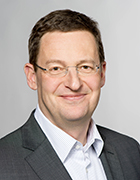
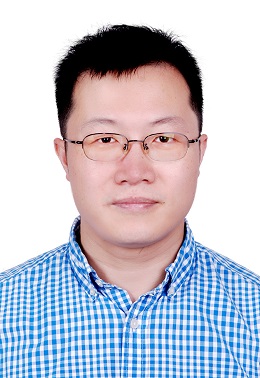
Prof. Dr. Nikolaus A. Adams is a full professor and Chair of Aerodynamics and Fluid Mechanics at the Technical University of Munich (TUM), affiliated with the TUM School of Engineering and Design. Born in 1963, he holds a doctorate from TUM (1993) and habilitation from ETH Zurich (1999). His research focuses on numerical methods, turbulent flows, microfluidics, and multiphase systems. He has held leadership roles, including Dean of the Faculty of Mechanical Engineering since 2023 and Vice Dean (2015–2016). Education: PhD from TUM (1993), habilitation from ETH Zurich (1999) Research interests include aerodynamics, fluid-structure interaction, and numerical techniques for compressible flows. His work spans high-speed aerodynamics and computational fluid dynamics (CFD). Awards include ERC Advanced Grants (GENUFASD 2023, NANOSHOCK 2015), the Gordon Bell Prize (2013), and Fellow of the American Physical Society (2011). Grants and leadership: Spokesperson of DFG SFB/TRR 40 (2008–2020), co-author of 'Large-Eddy Simulation for Compressible Flows' (2009), and editorial roles in J. Comput. Phys.
Dr. Praneet Prakash is a Researcher in the Department of Applied Mathematics and Theoretical Physics at the University of Cambridge, working under Prof. Raymond Goldstein. His research focuses on interdisciplinary approaches combining microfluidics, microscopy, and theoretical physics to study biological systems. Key areas include microbial motility, active matter dynamics, and the interplay between physics and living systems. He utilizes experimental techniques such as microfluidics and advanced microscopy to investigate phenomena like bacterial swimming, nutrient exchange in microbial communities, and growth oscillations in filamentous fungi. His work bridges Soft Matter Physics, Statistical Mechanics, and Biophysics, with applications ranging from understanding microorganism behavior to developing biosensor technologies. Recent studies explore phototactic algae behavior, ciliary surface interactions in animalcules, and adaptive motility in marine microorganisms. Publications highlight contributions to microbial ecology, active matter systems, and biophysical modeling. While no formal awards are listed, his research has been published in high-impact journals like Journal of the Royal Society Interface and Physical Review Fluids . He is affiliated with the Biological Physics and Mechanics research group and maintains an active presence on academic platforms like Twitter and LinkedIn.
Andre Levchenko is the John C. Malone Professor of Biomedical Engineering at Yale University, with secondary appointments in the Department of Neurosurgery and affiliations with the Cancer Signaling Networks, Immunology, and the Yale Program in Neurodevelopment and Regeneration. His research focuses on systems biology, signal transduction, and cell-cell communication, utilizing microfluidics and computational modeling to study cancer progression, stem cell behavior, and neurological disorders. PhD, Columbia University MEng, Moscow Institute of Physics and Technology Levchenko's work explores how cells process dynamic signals to make critical decisions, particularly in glioblastoma migration, organoid development, and cardiovascular tissue engineering. His lab develops innovative microfluidic platforms and mathematical models to dissect multicellular communication and signaling networks. Recent publications highlight his contributions to understanding YAP-driven cancer invasion , NOTCH signaling in angiogenesis , and metabolic regulation of hypoxia responses . He has pioneered methods for organoid modeling and single-cell analysis , advancing precision in biological signaling studies. Scientific Awards : Computational Molecular Biology Post-Doctoral Fellowship (Burroughs Wellcome Fund) National Academies Keck Futures Conference Invitee Distinguished Guest Lecturer, University of Virginia American Asthma Foundation Early Excellence Award Fellow, American Institute for Medical and Biological Engineering Levchenko leads the Levchenko Lab at the Yale Systems Biology Institute, collaborating with institutions like Mayo Clinic and Yale Cancer Center. His research has received recognition in Faculty of 1000 and multiple journal highlights.
Michael McAlpine is a Professor in the Mechanical Engineering department at the University of Minnesota . He also holds affiliations with the Biomedical Engineering and Electrical and Computer Engineering departments. His research focuses on 3D printing functional materials & devices , Nanoscale inks , Biomedical devices , Bioelectronics , and Flexible Microsystems . Research Interests : 3D Printing, Biomedical Engineering, Nanotechnology, Flexible Electronics, Microfluidics Labs : ME 361/363 Contact : mcalpine@umn.edu , (612) 626-3303, ME 117 Recent Research Trends include 3D Printed Biomedical Devices , Flexible Electronics , and Bioprinting Applications . His work spans from Spinal Organoid Formation to Programmable Drug Release Capsules . Scientific Award : Circulation Research 2020 Best Manuscript Award
Muhannad S. Bakir is the Dan Fielder Professor in the School of Electrical and Computer Engineering at Georgia Institute of Technology and serves as the Director of the 3D Systems Packaging Research Center. His research focuses on heterogeneous integration of microsystems, including 2.5D and 3D ICs and packaging technologies, with significant contributions to advanced cooling systems, electrical and photonic interconnects, and biosensor integration with CMOS. Dr. Bakir's research interests span heterogeneous microsystem design and integration, advanced cooling and power delivery for emerging architectures, electrical and photonic interconnect technologies, biosensor technologies, and nanofabrication. His work addresses critical challenges in next-generation electronics, enabling polylithic integration that concatenates heterogeneous ICs of various functionalities while mimicking monolithic-like densities. His research particularly focuses on co-design of thermal technologies, power delivery networks, and signaling networks for silicon nanoelectronic systems. His recent publications demonstrate strong trends in fused-silica stitch-chip technology for heterogeneous integration, with particular emphasis on RF and mm-wave applications, power delivery for AI accelerators, and thermal management solutions. His work bridges electrical engineering, materials science, and thermal management to solve critical bottlenecks in computing performance and efficiency. 2013 Intel Early Career Faculty Honor Award 2012 DARPA Young Faculty Award 2011 IEEE CPMT Society Outstanding Young Engineer Award 2012 National Academy of Engineering Frontiers of Engineering Symposium Invited Participant 2015 IEEE CPMT Society Distinguished Lecturer 2014 Best Paper of the IEEE Transactions on Components Packaging and Manufacturing Technology More than 25 conference and student paper awards Twelve issued US Patents Dr. Bakir leads the Integrated 3D Systems Lab (I3DS) at Georgia Tech, which is actively researching advanced packaging, interconnects, electrical and thermal design, and system integration. His team has received significant recognition for their work, including multiple best paper awards from major conferences like ECTC, IITC, and CICC. The lab is currently seeking postdoctoral researchers and research faculty to advance next-generation electronics through collaborative research. His lab focuses on enabling the next phase of Moore's Law through polylithic integration, which concatenates heterogeneous ICs of various functionalities (digital, analog, photonic, and mm-wave) using advanced off-chip '2.5D' and '3D' heterogeneous interconnects and packaging. This work impacts applications in high-performance computing, machine learning, edge intelligence, autonomous vehicles, augmented/virtual reality, and healthcare.
David Erickson is the SC Thomas Sze Director and Sibley College Professor at Cornell University's Sibley School of Mechanical and Aerospace Engineering. He also holds a joint professorship in the Division of Nutritional Sciences. His research focuses on global health technologies, medical diagnostics, microfluidics, photonics, nanotechnology, and energy systems. He previously served as Associate Dean of Engineering for Research and Graduate Programs. Erickson leads the NIH-funded PORTENT Center for Point-of-Care Technologies in Global Health and has co-founded companies like Dimensional Energy and VitaScan to commercialize diagnostic and energy technologies. Education: B.Sc., Mechanical Engineering, University of Alberta (1999) M.A.Sc., Mechanical Engineering, University of Toronto (2001) Ph.D., Mechanical Engineering, University of Toronto (2004) Postdoctoral Scholar, Electrical Engineering, California Institute of Technology (2005) Research Interests: Erickson’s work spans global health diagnostics , nanobio applications , and clean energy innovation . He develops portable medical devices for low-resource settings, including smartphone-integrated diagnostic tools for malaria, iron deficiency, and cancer. His lab also pioneers photothermal reactors for CO2 conversion into sustainable fuels. Key areas include: Point-of-care testing for infectious diseases and nutritional deficiencies Nanofluidic and optofluidic technologies for biomolecular analysis Solar-driven energy systems for carbon-neutral fuels Awards: Presidential Early Career Award for Scientists and Engineers (2011) Fellowships from the Optical Society, ASME, and Canadian Academy of Engineering Carbon X-Prize Finalist (2019) for Dimensional Energy’s CO2-to-fuel technology Grants & Industry Collaboration: Erickson’s research is funded by NIH, NSF, ARPA-E, DOE, and USAID. His lab’s innovations have spun off start-ups addressing global health and energy challenges. Notable projects include: - Portable cancer diagnostics in sub-Saharan Africa using mobile phone-based systems - Solar-powered CO2 conversion reactors tested in Wyoming and Arizona Labs & Teams: The Erickson Lab collaborates with the Cornell Atkinson Center for Sustainability and the McGovern Center for Entrepreneurship. Key initiatives include the PORTENT Center and the Dimensional Energy CO2-to-fuel project.
Swiss Federal Institute of Technology in LausanneSwitzerland
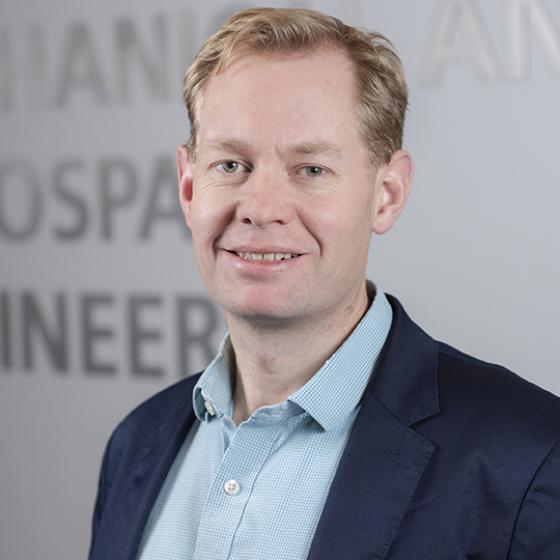
Danick Briand is a Senior Scientist at the Soft Transducers Laboratory within the Microsystems for Space Applications Group (LMTS) at École Polytechnique Fédérale de Lausanne (EPFL). His work focuses on MEMS and Microsystems for environmentally friendly technology , integrating flexible and printed electronics with applications in energy harvesting , smart sensing systems , and advanced gas sensing . Research Themes : Environmental sensors using microsystem technology Green microtechnologies and micromanufacturing Ultra-low energy MEMS Energy-saving and harvesting systems Recent Publications : Developed transient biodegradable sensors and microwave sensing technologies using printed and degradable materials Explored flexible piezoelectric systems and wearable sweat analyzers for biomedical applications Advanced inkjet-printed biosensors and eco-friendly fabrication methods Labs & Collaborations : Soft Transducers Laboratory (EPFL) Laboratory for Microsystems (LMTS)
Jan Madsen is a Professor at DTU Compute, Technical University of Denmark, and Head of the Embedded Systems Engineering section. His research focuses on system-level modeling and design of embedded computing systems, particularly cyber-physical systems, microfluidic biochips, and synthetic biology applications. Develops design automation tools and methodologies for embedded systems Supervises numerous PhD students and leads major research projects Research Interests Key areas include: Embedded systems-on-a-chip Cyber-Physical Systems (Internet-of-Things) Microfluidic Lab-on-Chip devices Synthetic biology with molecular computing Design, modeling, and optimization of complex systems Scientific Awards DATE Fellow (2019) IEEE CEDA Outstanding Recognition (2019) DTU Scientific Advise Award (2013) Best Paper Awards at MECO (2013) and CASES (2009) Jorck’s Foundation Research Award (1995) Publications His 14+ journal papers and 115+ conference papers demonstrate expertise in: SystemC-based modeling frameworks Energy-aware sensor networks Self-healing eDNA architectures Microfluidic biochip synthesis RTOS modeling and MPSoC exploration
Matthew L Becker is the Hugo L Blomquist Distinguished Professor of Chemistry at Duke University, with additional appointments in Mechanical Engineering and Material Science, and Biomedical Engineering. His research focuses on polymer chemistry, bioconjugate chemistry, molecular imaging, additive manufacturing, and degradable materials for bone, soft tissue, neural, and vascular tissue engineering. Education: B.S. from Northwest Missouri State University (1998), M.A. (2000) and Ph.D. (2003) from Washington University in St. Louis Research interests include developing tunable degradable polymers for flexible electronics, tissue engineering (bone, neural, vascular), and additive manufacturing. His group is pioneering 3D printing of bioresorbable medical devices and custom inks for biomaterials. Recent work explores stereochemistry-dependent polymer properties, mechanochromism, and machine learning-driven biomaterials design. Key applications: Drug delivery systems Biodegradable adhesives Tissue regeneration scaffolds Scientific honors include: Fellow, National Academy of Inventors (2022) Fellow, American Chemical Society (2020) Carl S. Marvel Award in Creative Polymer Chemistry (2019) Fellow, American Institute for Medical and Biomedical Engineering (2018) Fellow, Royal Society of Chemistry (2017) Biomacromolecules/Macromolecules Young Investigator Award (2015) He teaches advanced courses in mechanical engineering and polymer chemistry, with a focus on 3D printing and biomaterials. His group has developed novel medical devices including resorbable suture anchors, hernia mesh coatings, and neuroprosthetic scaffolds.
Dr. Zhu Lailai serves as Assistant Professor in the Department of Mechanical Engineering at the National University of Singapore (NUS), appointed in January 2020. His research bridges fundamental fluid mechanics with cutting-edge engineering applications through computational and theoretical approaches. Dr. Zhu holds a PhD from KTH Royal Institute of Technology (Sweden) and completed postdoctoral training at Princeton University. His research program centers on: Low-Reynolds-number fluid-structure interactions and bio-inspired adaptive systems Active matter dynamics (Janus colloids, active droplets, flagella/cilia) Intelligent fluids integrating machine learning for fluid dynamics Microrobotics with reinforcement learning-based chemotactic navigation Non-Newtonian/multiphase flows and microfluidics applications Analysis of his 2017-2025 publications reveals a clear trajectory toward AI-enhanced fluid mechanics, evolving from foundational theoretical models to machine learning integration. Recent work emphasizes foundation models for fluid dynamics prediction and topology-adaptive microrobotic navigation, demonstrating interdisciplinary convergence of physics, AI, and bionics. Scientific Awards: No major scientific awards specified in source materials Advising and Grants: While specific advisees and grants aren't detailed, his active publication record across high-impact journals (Nature Communications, Journal of Fluid Mechanics) indicates ongoing supervised research and likely grant funding through NUS and collaborative projects. Research Group: Dr. Zhu leads a computational/theoretical research team at NUS investigating active and intelligent fluids, with current projects on PCM thermal systems, microrobotic navigation, and active matter phase transitions, collaborating with experimentalists globally.
Massachusetts Institute of TechnologyUnited States
Martin Z. Bazant is the E. G. Roos (1944) Professor of Chemical Engineering and Professor of Mathematics at the Massachusetts Institute of Technology (MIT), holding the Digital Learning Officer role in the Department of Chemical Engineering. His research focuses on mathematical modeling of electrochemical systems, transport phenomena, and applied mathematics, with significant contributions to battery technology and electrochemical energy storage. He is affiliated with MIT’s Department of Mathematics and the MIT Energy Initiative (MITEI), leading initiatives like the Center for Battery Sustainability and D3BATT. Education: Ph.D. from Harvard University (1997), M.S. and B.S. from the University of Arizona (1993, 1992). His work bridges theory and application, addressing challenges in lithium-ion batteries, solid-state systems, and electrolyte dynamics. Notable achievements include pioneering studies on coupled ion-electron transfer mechanisms and phase separation in battery materials. He is an elected member of the National Academy of Engineering (2025) and a Fellow of the Electrochemical Society (2023). As an educator, he develops MOOCs on transport phenomena and contributes to digital learning initiatives. His research group explores advanced battery diagnostics, machine learning for materials science, and environmental applications of electrochemical processes. Key collaborations include startups like Lithios, Inc., and leadership roles in professional societies such as the International Electrokinetics Society.
Karen C. Cheung is a Professor in the Department of Electrical and Computer Engineering at the University of British Columbia, with cross-appointments in the Faculty of Medicine and the School of Biomedical Engineering where she serves as Director of the Graduate Program. She holds her office in KAIS 3064 and can be reached at (604) 827-4114. Dr. Cheung received her BSc and PhD degrees in Bioengineering from the University of California, Berkeley in 1998 and 2002, respectively. From 2002-2005, she was a postdoctoral researcher at the École Polytechnique Fédérale de Lausanne in Switzerland. She joined UBC in 2006 and has established herself as a leading researcher in biomedical microsystems. Her research spans multiple areas of biomedical engineering with particular focus on lab-on-a-chip systems for cell culture and characterization , inkjet printing for tissue engineering , and implantable neural interfaces . Her work integrates microfluidics, biosensors, and tissue engineering to create platforms that better mimic in vivo conditions for drug screening and disease modeling. Current projects include developing organ-on-a-chip models of the human airway for studying aerosol exposure effects, creating microscale tumor models for cancer research, and advancing silicon photonic biosensors for medical diagnostics. Dr. Cheung leads the Bio-Medical Micro Devices Laboratory at UBC, which houses multiple research teams working on cutting-edge biomedical technologies. Her lab has developed microfluidic platforms capable of precisely controlling oxygen levels around tumor spheroids to study cancer treatment responses under realistic physiological conditions. The lab also works on novel fabrication techniques for microelectrode arrays and tissue clearing protocols for 3D imaging of microtissues. As an educator, Dr. Cheung teaches several specialized courses including ELEC 361 (Molecules to Mechanisms), ELEC 464 (Nanotechnology and Nature), EECE 301 (Topics in Nanotechnology and Microsystems), ELEC 473 (Biological Micro-Electro-Mechanical Systems), and ELEC 521 (Biomedical Microdevices). She has supervised numerous graduate students through their MASc, PhD, and postdoctoral work, with many alumni now holding academic positions or working in the biomedical industry. Her research is supported through multiple funding sources and collaborations with industry partners. Dr. Cheung is affiliated with several research centers including the Airway Centre, Bionics Network, Centre for Blood Research, and the Institute for Computing, Information and Cognitive Systems (ICICS) at UBC.
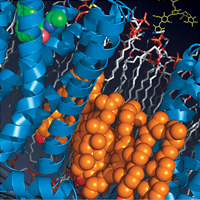
Vadim Cherezov, the Ester Dornsife Chair in Biological Sciences and Professor at the University of Southern California (USC), leads groundbreaking research in membrane protein structure and function. Affiliated with the Bridge Institute, Department of Chemistry, and Michelson Center for Convergent Bioscience, his work focuses on GPCRs, ion channels, and transporters—critical targets for drug discovery. His team leverages advanced techniques like Lipidic Cubic Phase (LCP) and Serial Femtosecond Crystallography (SFX) at XFEL facilities to solve high-resolution structures under physiological conditions. Institutional Affiliations: Bridge Institute, USC Michelson Center, Department of Chemistry, Department of Pharmacology and Pharmaceutical Sciences. Key Collaborations: Katritch Lab, Kuhn Lab, NIH, European XFEL. His research explores the role of lipids in modulating GPCR function, addressing diseases like Alzheimer’s, diabetes, and cancer. By solving the structure of the A 2A adenosine receptor via sulfur SAD phasing at XFEL, Cherezov’s lab demonstrated de novo phasing without heavy atoms. This breakthrough enables structural studies of previously intractable membrane proteins. Scientific Awards & Grants: NIH R01 GM108635, U54 GM094618, U54 GM094599, R01 GM095583 Science Signaling Breakthroughs of the Year (2014) Cherezov mentors a dynamic team, including postdocs (e.g., Dong-Gyun Kim), graduate students (e.g., Behnaz Davoudinasab), and alumni (e.g., Benjamin Stauch at Eli Lilly, Nairie Michaelian at Genentech). His lab’s publications span Nature , Science , and Cell , with recent work on Science Advances (2025) addressing ABEL-FRET for GPCR dynamics.
John M. Woodley is a distinguished Professor in the Department of Chemical and Biochemical Engineering at the Technical University of Denmark (DTU), where he leads research at the PROSYS - Process and Systems Engineering Centre and contributes to the DTU Microbes Initiative. With over 30 years of experience, he has established himself as a leading expert in biocatalysis and bioprocess engineering, with research spanning both theoretical and experimental work across multiple scales. His primary research interests focus on the interface of bioprocess engineering, process chemistry, and reaction engineering. Dr. Woodley's work encompasses multi-step biocatalysis (including systems biocatalysis and flow chemistry), downstream processing from biocatalytic reactors and fermentations (including ISPR), modeling tools for bioprocess assessment (thermodynamics, kinetics, process simulation, economic evaluation), and bio-oxidations (including oxygen supply methods). His enzymatic investigations particularly target alcohol oxidases, carbohydrate oxidases, cytochrome P450s, Baeyer-Villiger monooxygenases, and transaminases. His research portfolio demonstrates consistent innovation in sustainable chemical production, with particular emphasis on enzymatic synthesis of pharmaceuticals and chemicals from renewable resources. Analysis of his recent publications reveals a strong focus on overcoming industrial implementation challenges, particularly regarding enzyme stability in various reactor environments, optimization of multi-enzyme systems, and scale-up methodologies for biocatalytic processes. Dr. Woodley actively supervises multiple PhD students and leads several significant research projects, including 'P450-based biocatalytic processes for the pharmaceutical industry' (2025-2028), 'Integrated model for up- and downstream bioprocess intensification' (2024-2027), and 'ENFACE: A tool for prediction of enzyme stability at gas-liquid interfaces' (2024-2027). His work has resulted in an impressive publication record of 781 research outputs across various formats, including journal articles, book chapters, and conference proceedings. His research group operates within the Department of Chemical and Biochemical Engineering at DTU, utilizing advanced facilities for biocatalysis research, including specialized reactor systems for studying gas-liquid interfaces, computational modeling resources, and laboratories for enzyme characterization and bioprocess development. Through his leadership in the PROSYS center, he contributes to DTU's strategic focus on sustainable process technologies and systems engineering.
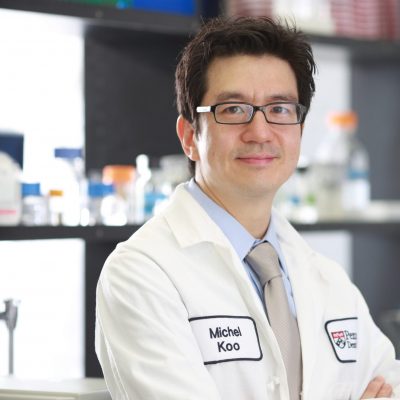
Hyun (Michel) Koo is a Professor at the University of Pennsylvania School of Dental Medicine , with affiliations in the Department of Orthodontics , Division of Community Oral Health , and Division of Pediatric Dentistry . As Co-Founder and Co-Director of the Center for Innovation & Precision Dentistry (CiPD) , he leads interdisciplinary efforts merging bioengineering, nanotechnology, and oral health research. Education : DDS and PhD Research Focus : Biofilms, bacterial-fungal interactions, and nanotechnology for oral disease prevention Leadership : Co-Director of CiPD; key roles in training programs like NIDCR-sponsored R90 and T90/R90 Dr. Koo’s research explores biofilm mechanisms in oral infectious diseases, particularly childhood caries, through engineering methods and microrobotics . His team developed micron-scale robots for automated biofilm eradication and FDA-approved nanoparticles for caries prevention. Collaborations with Penn Engineering, including Dr. Daeyeon Lee and Dr. Kacy Cullen, emphasize translational approaches. The 15 most recent publications highlight his work in nanorobotics , interkingdom biofilms , and precision diagnostics . Articles span 2025–2024 and address topics like adaptive micromotors , biofilm matrix degradation , and single-cell microbial interactions . These emphasize his focus on targeted therapies and biofilm microenvironment engineering . Key Awards : Elected Fellow, American Association for the Advancement of Science (AAAS) IADR Distinguished Scientist Award for innovative dental research Dr. Koo trains next-generation researchers through the CiPD NIDCR T90/R90 Postdoctoral Training Program , mentoring fellows like Smruti Nair (ACE2 Chewing Gum development) and Zhi Ren (K99 awardee). His work intersects with Penn Health-Tech, CT3N , and Penn Institute for Biomedical Informatics , fostering transdisciplinary innovation.