Prof. Dr. Ömer Faruk Bayrak is a leading academic at Yeditepe University , holding the position of Professor within the Faculty of Medicine, Department of Medical Genetics . His work bridges genetics, molecular biology, and stem cell research with a focus on cancer pathogenesis , particularly chordoma and glioblastoma . PhD in Medical Genetics (2010, Selçuk University) Master's in Medical Genetics (2006, Atatürk University) BSc in Biology (2002, Atatürk University) Bayrak's research centers on microRNA regulation, epigenetic mechanisms , and genomic instability in cancers . His recent work explores: Mitochondrial DNA dynamics in glioblastoma angiogenesis Role of transcription factors in tumor progression Nanoparticle-based gene silencing strategies Calorie restriction's impact on aging and cancer He has pioneered studies on chordoma cancer stem cells and DNA methylation patterns in neurodegenerative diseases. Recipient of Best Oral Presentation award (Turkish Society of Medical Genetics) Supervised numerous PhD/MSc theses on cancer genetics Keynote speaker at international cancer research congresses
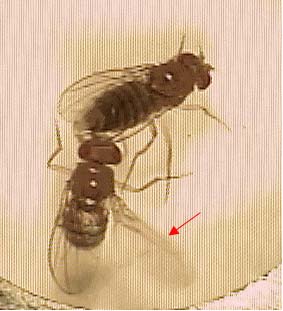
Daniel Eberl is a Professor in the Department of Biology at the University of Iowa , affiliated with the College of Liberal Arts and Sciences. His research focuses on the molecular and cellular mechanisms of hearing and auditory behavior using Drosophila and other insects. Research Areas : Genetics, Neurobiology, Auditory Neuroscience Model Systems : Drosophila melanogaster , mosquitoes, cicadas Research Highlights include: Investigating active hearing mechanisms through potassium/sodium channel studies Comparative analysis of mosquito auditory systems for conspecific recognition Identifying genetic correlations between insect and vertebrate deafness genes Developing genetically-encoded biosensors for neural activity monitoring Exploring evolutionary conservation of auditory molecular pathways Recent Publications (2024–2025) cover topics ranging from mosquito hearing systems to neurodevelopmental gene variants, with contributions to understanding human hearing loss through insect models. Lab News : Recent graduates Dylan Dolezal (medical school) and Eli (Carver College of Medicine) have advanced their research careers. The lab continues to publish first-author papers on auditory gene function and comparative sensory biology.
Jianhua Luo serves as Professor of Pathology and UPMC Endowed Chair of Molecular Carcinogenesis at the University of Pittsburgh, where he directs the High Throughput Genome Center within the Department of Pathology. He maintains active roles across multiple pathology divisions including Experimental Pathology, Molecular and Cellular Pathology, and Anatomic Molecular Pathology. Dr. Luo's research program centers on molecular carcinogenesis, with primary focus on prostate cancer and hepatocellular carcinoma. His laboratory identifies tumor suppressor genes and biomarkers through genomic and epigenomic approaches, aiming to translate discoveries into clinical diagnostics and targeted therapies. Key methodologies include copy number variation analysis, methylation profiling, and fusion transcript detection to elucidate cancer progression mechanisms. Analysis of his 2013-2015 publications reveals consistent emphasis on genomic alterations in prostate cancer, particularly copy number variations and epigenetic modifications with prognostic value. His work bridges molecular discoveries with clinical outcomes, demonstrating strong translational potential across 15+ high-impact studies. His primary recognition includes: UPMC Endowed Chair of Molecular Carcinogenesis Dr. Luo's grant activity is evidenced by sustained publication output and leadership of the High Throughput Genome Center, which facilitates collaborative research across departments. While specific student counts aren't documented, his frequent co-authorship with junior researchers suggests active mentorship in cancer genomics projects requiring interdisciplinary expertise. The High Throughput Genome Center under his direction provides advanced genomic infrastructure for cancer research, supporting investigations into tumor suppressor mechanisms, biomarker validation, and molecular diagnostics through state-of-the-art sequencing and analysis platforms.
Dr. Alexander Haslberger is a Professor at the University of Vienna's Faculty of Life Sciences, Department of Nutritional Sciences, with an extensive research career spanning from 1985 to present. His work focuses at the intersection of nutritional science, molecular biology, and epigenetics, with particular emphasis on how diet influences human health through epigenetic mechanisms. With 165 publications to his name and leadership of multiple research projects, Haslberger has established himself as a leading researcher in personalized nutrition and gut microbiota interactions. Faculty of Life Sciences, Department of Nutritional Sciences 165 publications across 38 years (1985-2023) 4 major research projects completed 27 academic activities including lectures and presentations 6 media appearances discussing his research Haslberger's research primarily explores the epigenetic effects of nutrition on human health, with particular focus on gut microbiota composition, DNA methylation patterns, and microRNA expression. His fingerprint analysis shows strong expertise in Epigenetics (100%), Intestine Flora (88%), Microflora (82%), Methylation (58%), Faecalibacterium prausnitzii (58%), Interleukin 6 (54%), Probiotic research (49%), and Periplasm biology (47%). His work bridges molecular mechanisms with practical nutritional interventions, particularly examining how fasting, probiotics, and specific dietary components influence health outcomes through epigenetic regulation. Analysis of Haslberger's recent publications (2022-2025) reveals a clear trajectory toward personalized nutrition approaches, with increasing focus on sex-specific responses, biomarker development (particularly miRNA-based), and the integration of gut microbiome data into nutritional recommendations. His work connects fundamental epigenetic mechanisms with practical applications for healthy aging, depression management, and cancer prevention. The research demonstrates how dietary interventions like fasting, probiotic supplementation, and specific nutraceuticals can epigenetically modify gut microbiota composition and inflammatory responses. Visiting Professor award (2017) Haslberger has secured research funding for multiple projects including ROS damage studies (2013-2016), PHGEN II (2009-2012), and Advice on taking probiotics (2008-2011). His research activities include numerous lectures and presentations on topics such as fasting mimetics, gut microbiota composition, age-related inflammation, senolysis, and DNA stability. Media coverage of his work includes appearances in Kurier.at and OKTO TV discussing epigenetics, fasting, and microbiota research. While specific laboratory details aren't provided in the available information, Haslberger's research network shows extensive collaborations across multiple countries, with particular focus on epigenetic mechanisms related to nutrition, gut health, and aging. His work integrates molecular biology techniques with clinical nutrition approaches to develop personalized dietary recommendations based on individual epigenetic and microbiome profiles.