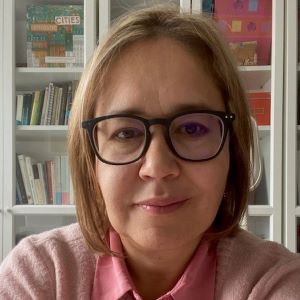
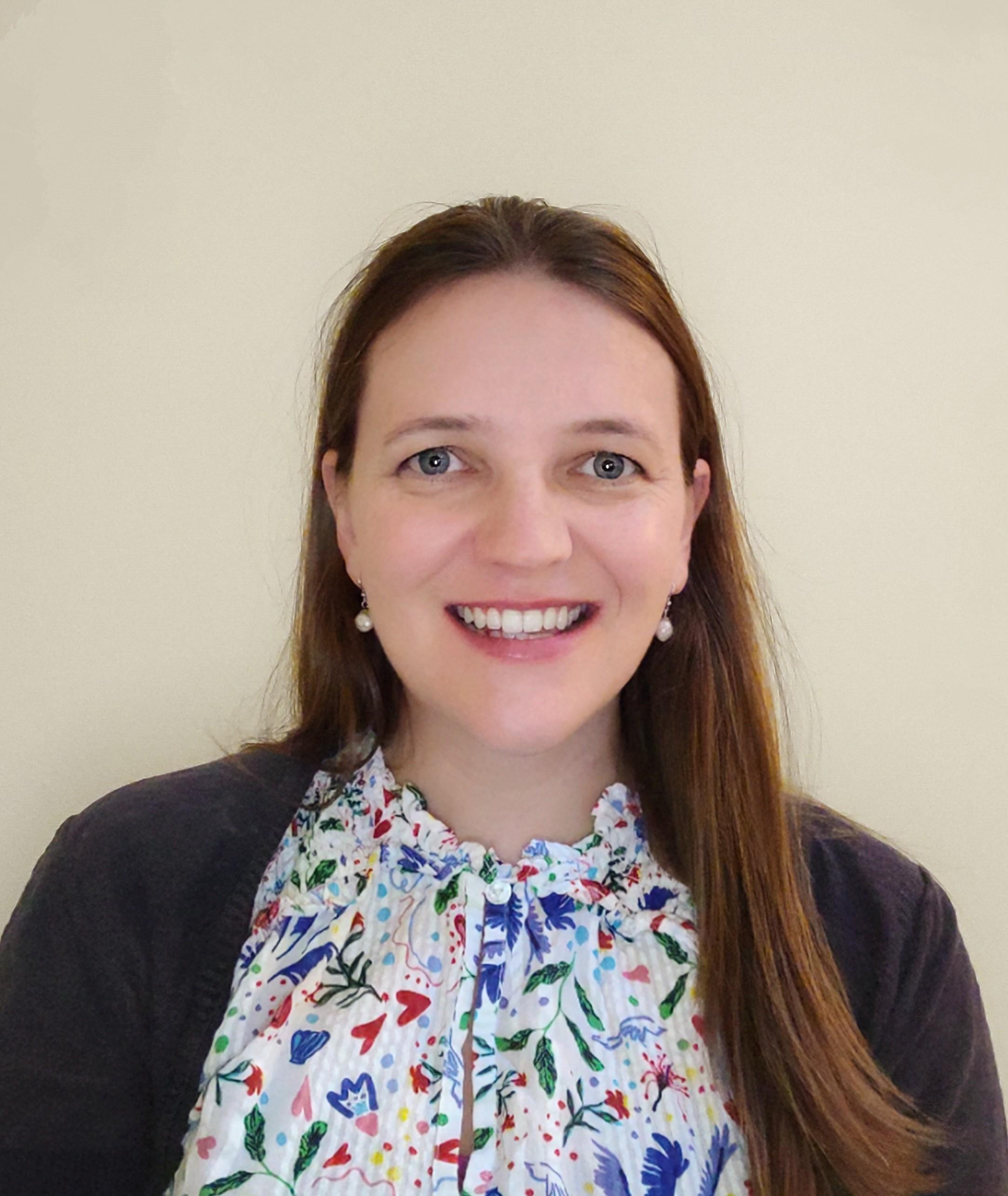
Qianru Sun is a Joint Research Fellow jointly appointed at National University of Singapore (NUS) and the Max Planck Institute for Informatics (MPI-INF) since April 2018. Previously she was a Post-doc Researcher at MPI-INF (2016–2018) supported by the prestigious Lise Meitner Award Fellowship. Education: Ph.D. in Computer Science, Peking University (PKU), 2010–2016 (top 10%) B.S. in Electronic Engineering, Nanjing University of Posts and Telecommunications (NUPT), 2006–2010 (rank 1/77) Exchange student, The University of Tokyo, Oct 2014 – Jan 2015 Research Interests: Dr Sun’s research lies at the intersection of computer vision and machine learning , with a strong focus on few-shot learning , meta-learning , transfer learning , image generation and image classification . She designs algorithms that enable machines to learn new visual concepts with minimal supervision, explores adversarial robustness, and develops transferable representations for cross-domain tasks. Scientific Awards & Honors: Lise Meitner Award Fellowship, Max Planck Institute for Informatics (2016) Professional Service & Community Contributions: Dr Sun actively contributes to the research community through program-committee memberships and editorial roles: Program Committee: ICCV 2019, CVPR 2018, ICCV 2017 Workshop PC: CV-COPS (CVPR 2018), CEFRL (ECCV 2018), WiCV (CVPR 2019, ECCV 2018) Editorial Board: CAAI Transactions on Intelligence Technology Reviewer: IEEE TPAMI, TMM, TCSVT, IJCV Invited speaker: Columbia University (DVMM), CVPR ODAR Workshop, Joint Lecture Series (MPI & Saarland University) Tutorial presenter: ICMR 2018 (Japan)
Dr. Shafi U. Bhuiyan is an Associate Professor and SBS Program Coordinator in the Division of Social and Behavioral Sciences at the University of Memphis, TN, USA. He holds a PhD from Osaka University, an MPH from Mahidol University, an MBBS from the University of Dhaka, and an MBA from Toronto Metropolitan University. His expertise lies in global public health, maternal and child health (MCH), and clinical public health education. He has pioneered initiatives such as the Maternal and Child Health Handbook (MCHHB) and co-founded the Clinical Public Health Certificate Program at the University of Toronto. Dr. Bhuiyan has authored over 55 peer-reviewed publications and mentored over 25 graduate students annually since 2015. His research focuses on MCH handbook utilization, global health equity, and digital health innovations. He has managed multi-million-dollar grants for community-based projects and serves on global health boards, including the Canadian Coalition for Global Health Research and the International Committee on MCH Handbook. His awards include the Lions International President’s Distinguished Leadership Award, Melvin Jones Fellowship, and Helen Keller Fellowship for community services. His work emphasizes improving healthcare access in low-resource settings and fostering global health partnerships.
André Bueno Gama is Assistant Professor in the Department of Plant Pathology and Crop Physiology at Louisiana State University's College of Agriculture. He specializes in applied and fundamental research on sugarcane diseases affecting Louisiana's agricultural industry. Education: PhD in Plant Pathology, University of Florida (2021) MSc in Plant Pathology, University of São Paulo (2017) BS in Agronomy, University of São Paulo (2015) Dr. Gama's research focuses on the etiology, epidemiology, and management of economically significant sugarcane diseases including red rot, smut, Sugarcane Yellow Leaf Virus, mosaic virus, and ratoon stunt disease. His program employs interdisciplinary approaches with breeders and entomologists to develop integrated disease management strategies. His recent publications (2008-2023) demonstrate expertise in disease management systems, fungicide efficacy, molecular diagnostics, and decision-support tools for crop protection. Research emphasizes practical applications for sugarcane, citrus, strawberry, and turfgrass production systems. Dr. Gama teaches PLHL 7083 (Epidemiology and Crop Loss Assessment), training graduate students in disease dynamics, prediction models, and management strategies. His extension program monitors disease outbreaks and delivers timely solutions to Louisiana growers.
Dr. Carlo Ferri Marini is an Assistant Professor at the Department of Human Movement Sciences, University of Groningen and University Medical Center Groningen. He holds a PhD cum laude from the University of Urbino, with additional studies at Colorado Mesa University and University College Dublin. His research focuses on optimizing exercise testing and prescription in healthy and clinical populations, particularly in aerobic and resistance exercise physiology. He collaborates internationally and serves as an Academic Editor for BMC Sports Science, Medicine and Rehabilitation and PeerJ . Key areas of research include exercise intensity methods, lifestyle interventions for breast cancer survivors, and cardiometabolic health. Notable projects include the MOVIS clinical trial on exercise and nutrition programs for cancer survivors and the TRIPL-A trial for type 2 diabetes management. His work emphasizes improving the benefit-to-risk ratio of physical activity through evidence-based approaches. Dr. Marini’s recent publications explore topics such as pedaling cadence effects on metabolic responses, gut microbiota changes in breast cancer survivors, and the validity of exercise intensity metrics. He also investigates the role of exercise in mitigating tumorigenic activity and enhancing quality of life in clinical populations. Collaborations span institutions globally, reflecting his commitment to interdisciplinary research. His research has been featured in journals like Scientific Reports , European Journal of Sport Science , and Frontiers in Oncology . Dr. Marini is affiliated with the SMART Movements research group, advancing knowledge in movement sciences and health. His work bridges clinical and applied research, aiming to translate findings into practical guidelines for improving public health outcomes.
Christine Tappolet is a Full Professor in the Department of Philosophy at Université de Montréal, affiliated with the Centre de recherche en éthique (CRE) . She specializes in ethics, meta-ethics, moral psychology, and the philosophy of emotion. Her research explores the intersection of emotions, values, and rationality, particularly focusing on emotional perception and their role in moral judgment. Her work examines the nature of emotions as perceptual experiences of evaluative properties, their relationship to attention and agency, and the implications for moral realism. Key projects include "Varieties of Valuings" (2023-2029) and leading the CRE strategic research group (2014-ongoing). She supervises numerous graduate students in ethics, moral psychology, and related fields. Her teaching includes courses on meta-ethics ( PHI-6525 ) and contemporary ethical theories ( PHI-2406 ). She contributes to programs in philosophy, bioethics, and ethics at both undergraduate and graduate levels. Her grants include funding from the SSHRC and Fonds de recherche du Québec. Research Highlights: Emotion modularity, emotional plasticity, value perception, and normativity. Awards: None explicitly listed, though her work has been widely cited and recognized in her field.
Nils Henninger, MD, PhD, is an Associate Professor of Neurology at the University of Massachusetts Chan Medical School (UMass Chan) and the T.H. Chan School of Medicine. He holds affiliations with the Neurology Department and multiple institutes including the NeuroNexus Institute and Psychiatry and Behavioral Sciences Department. His research focuses on the neurobiology of axonal injury in traumatic brain injury (TBI) and stroke, particularly targeting Sarm1-mediated Wallerian degeneration. He leads clinical trials investigating endovascular therapies and thrombectomy techniques for acute ischemic stroke, with a focus on medium vessel occlusions and cervical artery dissection. Education: MD from Johannes Gutenberg University (Germany), PhD in Biomedical Sciences from University of Massachusetts Medical School, residency in Neurology at Ruprecht-Karls-University Heidelberg and UMass Chan, and a cerebrovascular fellowship at Harvard Medical School. Awards: Includes NIH grants (R21NS131756, K08 NS091499), the PACE Award (UMass Chan), and fellowships from the American Neurological Association and World Stroke Organization. Research Interests: Axonal degeneration mechanisms, stroke treatment innovations, and translational neurology. His lab explores RNAi-based therapies for ALS and Sarm1 inhibition to prevent TBI-induced neurological deficits. Dr. Henninger’s clinical work involves stroke neurology and emergency neurology, with over 150 peer-reviewed publications on thrombectomy outcomes, anticoagulation strategies, and cerebral venous thrombosis. He leads multidisciplinary teams in translational research and mentors trainees in the MD/PhD Program at Morningside Graduate School of Biomedical Sciences.
Dr. Maria Ospina is an Associate Professor in the Department of Public Health Sciences at Queen's University, with cross-appointments in Obstetrics and Gynaecology. She holds the Canada Research Chair in Life Course, Health Development and is recognized for her innovative research in perinatal epidemiology. Her work focuses on social and environmental determinants of health across the life course. Her research program DMETRE investigates how exposures during pregnancy and early childhood impact long-term health outcomes using mixed-methods, GIS, and knowledge synthesis. Key areas include health inequalities, maternal-child health interventions, and environmental epidemiology. Dr. Ospina has secured over $5 million in research funding and has published extensively on perinatal outcomes and health services utilization. Her work demonstrates consistent focus on vulnerable populations and health equity. Awarded the Martha Cook Piper Research Prize in 2020, she is recognized for developing novel methodological approaches to study complex environmental exposures. She leads multidisciplinary teams examining geographic disparities in healthcare access.
Elizabeth C Thompson is Dean of Pembroke College and holds dual appointments as Assistant Professor of the Practice in Cognitive and Psychological Sciences and Assistant Professor of Psychiatry and Human Behavior (Research) at Brown University. She is a licensed psychologist in Rhode Island, with a Ph.D. in Clinical Psychology from the University of Maryland, Baltimore County, and postdoctoral training at Alpert Medical School and Brown University Health. Her research focuses on psychosis-spectrum disorders in adolescence, emphasizing risk factors, screening methods, and intervention strategies for mental health and safety risks. Dean, Pembroke College Assistant Professor of the Practice, Cognitive and Psychological Sciences Assistant Professor of Psychiatry and Human Behavior (Research) At Brown, Dr. Thompson operates within the Department of Cognitive and Psychological Sciences and the Department of Psychiatry and Human Behavior. She teaches clinical psychology courses and advises students pursuing psychology careers. Her clinical work centers on early psychosis through Bradley Hospital’s Stride Clinic, offering assessment and consultation services for Rhode Island youth and families. Her research includes pilot trials on family-oriented interventions for hospitalized adolescents with psychosis-spectrum symptoms and funded projects on sleep characteristics linked to psychosis-spectrum disorders, supported by the COBRE Center for Sleep and Circadian Rhythms. She collaborates extensively with researchers like Jennifer Wolff, Sarah Thomas, and Anthony Spirito. Dr. Thompson’s recent publications (2024–2019) span topics such as hallucinations and suicidal imagery, cannabis vaping effects, sleep disturbances, social media’s role in mental health, and trauma’s impact on psychosis. Her work often intersects with the Adolescent Mental Health Collaborative (AMHC) and utilizes interdisciplinary approaches, including actigraphy, biomarkers (e.g., interleukin-1 beta), and qualitative methods. She has secured NIH/NIMH, AFSP, and COBRE grants for studies like the LINC and Safety Net projects, reflecting her commitment to translating research into clinical practice. K23 MH119211 (NIH/NIMH): Treatment Engagement Protocol for Post-Discharge Psychosis Care YIG-1-167-19 (AFSP): Safety Planning for High-Risk Teens COBRE Center Grant: Sleep and Psychosis in Adolescents Her lab, SPARK Lab, partners with specialized clinics and emphasizes training opportunities in mental health research. She also contributes to policy discussions around early psychosis care quality and access, advocating for psychological expertise in healthcare synthesis. No scientific awards are explicitly mentioned, though her grant-funded research underscores her academic influence.
Mirte Boelens is a Researcher in the Department of Public Health at Erasmus MC. Her work focuses on systematic reviews, mental health outcomes, obesity prevention, and community-based interventions. She has published extensively on topics like lifestyle interventions, child development, and public health strategies. Recent research includes a 2024 study on health professional wellness programs and a 2023 meta-analysis on childhood obesity prevention. Her 2022 doctoral thesis explored child and adolescent health promotion at the local level. Key collaborations involve cross-disciplinary teams addressing public health challenges through mixed methods and community engagement. Her work emphasizes evidence-based approaches to improving health outcomes across diverse populations.
Peter A. Wyman, PhD is a Professor at the University of Rochester School of Medicine and Dentistry, Department of Psychiatry, Child and Adolescent Services. He serves as Director of the Network Health and Prevention Program and Co-Director of the Center for Study and Prevention of Suicide. Dr. Wyman's research focuses on using natural social networks to deliver interventions for suicide, depression, and substance use prevention. His Connect Program suite of interventions has been implemented in diverse settings including the US Air Force (Wingman-Connect), police departments (Police-Connect), and predominantly Black churches (HAVEN-Connect). Columbia University - A.B. in Psychology, 1982 University of Rochester - M.A. in Clinical Psychology, 1984 University of Rochester - Ph.D. in Clinical Psychology, 1987 University of Rochester - Postdoctoral Fellowship, University Health Service, 1986-1988 Dr. Wyman's research centers on developing and implementing network-based suicide prevention interventions. His work examines how natural social networks can be leveraged to build social bonds and shared healthy norms to sustain intervention impacts. His research spans multiple settings including schools, military contexts, workplaces, and community organizations. He investigates how peer leadership, social integration, and network structure influence mental health outcomes, particularly among adolescents and high-risk populations. His work integrates implementation science, social network analysis, and prevention research to develop scalable, evidence-based interventions. His recent publications demonstrate a consistent focus on suicide prevention through social networks, with increasing emphasis on digital health approaches, implementation science methodology, and attention to equity in suicide risk screening. His work spans multiple disciplines including psychiatry, public health, social network analysis, and implementation science, reflecting the interdisciplinary nature of modern prevention research. Action Partner Award, National Association of School Psychologists (NASP). 2016 Excellence in Suicide Prevention Award, Suicide Prevention Center of New York State. 2012 Distinction for Ph.D. Comprehensive Examinations, University of Rochester. 1985 NIMH Research Fellowship (merit-based). 1982 - 1983 Magna Cum Laude, Columbia College, Columbia University, New York, NY. 1982 Cleveland Foundation Research Award (merit based). 1979 Dr. Wyman's research has been funded by major national agencies including the National Institutes of Health, Department of Defense, and Centers for Disease Control and Prevention. He has led significant clinical trials, including a current study testing peer-led network interventions to prevent adolescent vaping. Beyond his research, he has held influential policy positions, having co-chaired the New York State Governor's Task Force on Suicide (2017-2019) and serving as a member of the Community Prevention Services Task Force, an independent advisory group appointed by the CDC Director. Dr. Wyman leads the Network Health and Prevention Program, which develops and tests network-based interventions across multiple settings. His Connect Program suite represents a significant contribution to suicide prevention, with adaptations for military personnel, police officers, and faith communities. His work bridges research and practice, translating scientific findings into real-world interventions that address critical public health challenges.
Blerta Abazi is an Associate Professor at the South East European University (SEEU), Faculty of Business and Economics, where she has been employed since 2008. She holds a PhD in Economic Sciences (2017) from SEEU, an MSc in Information Systems (2007) from Indiana University, and a BA in Business Administration (2005) from SEEU. Her research focuses on Information Systems in Higher Education , including ERP implementation challenges, digital transformation, and AI in education. She has also investigated the impact of public spending on North Macedonia’s GDP and the efficacy of managerial skills in SMEs. Research Highlights: Dr. Abazi has authored over 50 publications, including studies on ERP systems in universities, the role of AI in educational outcomes, and the digitalization of libraries. She co-authored a 2025 Springer publication tracing the evolution of enterprise systems and led a 2024 analysis of public sentiment toward digital transformation. Her work often bridges technology adoption and institutional effectiveness. Professional Roles: As Program Coordinator for the ISM Dual Degree Program (2009–2013), she managed student admissions and academic partnerships with the University of London. Her teaching spans economics, information systems management, and e-commerce. She has held roles as a Systems Analyst at Indiana University and Advisor to the Macedonian Ministry of Economy. Languages: Albanian (native), Macedonian (C2), English (C2), Turkish (B1), Spanish (A2).
Dr. Sumeyra N. Tayfur is a Research Fellow at the Department of Psychiatry , Yale School of Medicine , and serves as an Early Detection and Assessment Coordinator (EDAC) for the Specialized Treatment for Early Psychosis (STEP) Program , overseeing the Southwest region of Connecticut. Education Ph.D. in Psychology from Queen Margaret University, Edinburgh, UK B.Sc. in Counseling Psychology from Bogazici University, Istanbul, Turkey M.Sc. in Clinical Psychology (institution not specified) Dr. Tayfur's research focuses on early risk and protective factors in youth mental health trajectories, emphasizing preventive strategies and early interventions for psychosis and depression. Her work spans interdisciplinary teams and clinical settings, utilizing quantitative methods to assess treatment efficacy, suicide risk, and the role of insight in psychosis management. She has contributed to statewide initiatives like the STEP program and Mindmap campaigns for early detection of first-episode psychosis. Recent publications highlight trends in AI-driven mental health tools , duration of untreated psychosis , and suicidality mechanisms in early psychosis. Her clinical experience includes working with adolescents, young adults, and families in diverse therapeutic environments.
Dr. Atakelty Hailu is an Associate Professor at the UWA School of Agriculture and Environment, University of Western Australia. He serves as Graduate Research Coordinator and Coordinator of the Master of Agricultural Economics program. His educational background includes a BSc in Agricultural Economics from Alemaya University (1990) and PhD from University of Alberta (1998), with postdoctoral research at the Canadian Sustainable Forest Management Network. Research Expertise: Hailu's research spans productivity and efficiency analysis, environmental policy design, whole-farm bioeconomic modeling, agent-based computational economics, and non-market valuation. His current projects examine marine recreation valuation, economic-hydrologic modeling, China's carbon abatement costs, and human development indicators. Publication Focus: Hailu's recent publications reflect his interdisciplinary approach, addressing technical efficiency in agriculture across multiple countries (Vietnam, Pakistan, Kenya, Bangladesh), sustainable intensification practices, fisheries management innovations, and economic valuation methods. His work consistently integrates econometric methods with environmental policy applications. Awards and Recognition: Outstanding Doctoral Thesis Award (Canadian Agricultural Economics Society) Chancellor's Gold Medal for undergraduate achievements Publication of Enduring Quality Award (CAES, 2018) Graduate Supervision: Hailu has supervised numerous PhD students on projects including marine reserve effectiveness, agricultural efficiency in Vietnam and Ethiopia, conservation valuation in national parks, and fisheries management systems. Current PhD advisees focus on topics ranging from no-take marine reserves to efficiency in Kenyan agriculture. Research Funding: Hailu has secured multiple grants including projects on natural hazard economics (Bushfire CRC), marine conservation strategies (Australian Marine Conservation Society), environmental service policies (AgriFutures Australia), and conservation tender optimization (Dept of Agriculture).
Alana Fisher is a Research Fellow and Consumer Engagement Manager at Macquarie University, working with the eCentreClinic and MindSpot digital mental health services. Her research focuses on consumer decision-making in online mental health treatment, integrating qualitative and quantitative methods to design patient-centered resources. She holds a PhD from the University of Sydney (2015–2018) and is an Honorary Associate at the University of Sydney’s Matilda Centre and School of Psychology. Education: PhD in Psychology, University of Sydney (2015–2018) Research Interests: Her work spans shared decision-making, patient decision aids, depression/anxiety treatment, co-occurring substance use, digital interventions, and mixed-methods research. She explores how to enhance evidence-based care aligned with individual needs. Projects: Leading initiatives on loneliness in chronic conditions (2024–2028) Developing perinatal mental health programs (2023–2025) Addressing health literacy barriers in digital mental health (2024–2025) Integrating physical/psychological care for low back pain (2024–2025) Labs/Teams: She collaborates with MQ Health’s MindSpot and Macquarie’s eCentreClinic, advancing scalable mental health solutions.
Kazuaki Negishi is a Professor of Medicine and Head of the Discipline of Medicine at Sydney Medical School Nepean, University of Sydney's Faculty of Medicine and Health. He holds adjunct professorships at the University of Tasmania and is a board-certified cardiologist in Japan and Australia. His expertise spans cardio-oncology, air pollution-cardiovascular links, space medicine, and advanced imaging. Clinically, he practices at Nepean Hospital and previously led the Echo lab at Royal Hobart Hospital. He completed his MD and PhD in Japan, with additional training at Cleveland Clinic, USA. Research interests include cardiovascular imaging, subclinical myocardial insults, and health policy. He leads a team of 1 Senior Research Fellow, 2 Post-Doctoral fellows, and supervises PhD students across multiple institutions. Awards include the National Heart Foundation Future Leader Fellowship and international society recognitions (FACC, FESC, FAHA). Key collaborations include NASA, Gunma University (Japan), and the ANZACT Network. His work on SUCCOUR trials and REDUCE trial (sonothrombolysis) aims to improve cardiovascular outcomes in oncology patients. He chairs editorial boards for JACC: Cardiovascular Imaging and Journal of the American Society of Echocardiography .