Prof. Waldemar Kolanus leads the Molecular Immunology and Cell Biology department at the University of Bonn's Life & Medical Sciences Institute (LIMES) . His research bridges immunoregulation , stem cell dynamics , and metabolic stress responses in immune cells. Unit 2 member at LIMES Principal investigator in SFB 704 and ImmunoSensation Cluster Leads a multidisciplinary lab with postdocs, PhD students, and technical staff His work focuses on intracellular signaling pathways connecting immune activation to tissue homeostasis, particularly through: Cytohesin proteins in integrin-mediated adhesion and migration TRIM71 in stem cell regulation and congenital hydrocephalus High-salt environments affecting macrophage function Publication trends show expertise in immune cell migration , genetic models , and chemical inhibition , with frequent use of mice and zebrafish for in vivo studies. Key articles explore: TRIM71's dual role in auditory development and germ cell maintenance Cytohesin family's Golgi regulation and insulin signaling Ruxolitinib's off-target migration inhibition of dendritic cells Contact details: Address: LIMES Institute, Carl-Troll-Straße 31, Bonn Email: kolanus.sekretariat@uni-bonn.de Phone: +49 228 73-62788
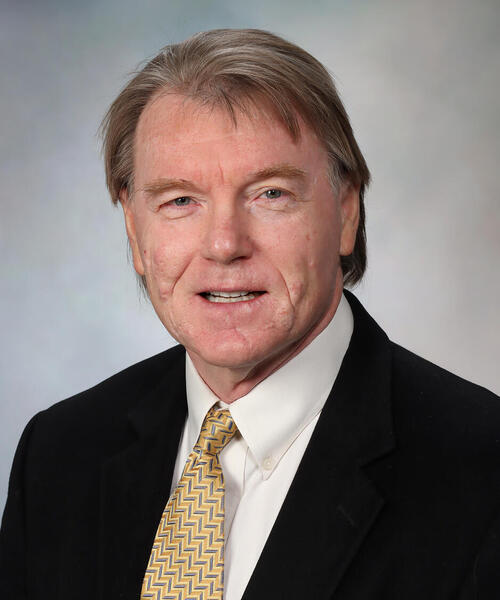
Dr. John A. Copland III is a Professor of Cancer Biology and Biochemistry & Molecular Biology at Mayo Clinic in Jacksonville, Florida. He leads the Cancer Biology and Translational Research Laboratory, focusing on molecular mechanisms of carcinogenesis, tumor progression, and development of targeted cancer therapies. Education: PhD in Physiology & Endocrinology (Medical College of Georgia), MS in Endocrinology (Medical College of Georgia), BS in Chemistry (Columbus College), with postdoctoral training at University of Texas Medical Branch. Research interests center on: Identifying tumor suppressor genes (e.g., RhoB, TBR3, GATA3) and oncogenes (e.g., FOXO3a, SCD1, NPTX2). Developing patient-derived xenografts and live cell models for personalized medicine. Designing SCD1 inhibitors via in silico modeling for clinical trials. Recent publications highlight his work on SCD1 inhibition in leukemia and thyroid cancer ImmunoPET imaging of thyroid tumors CRISPR-identified drug synergies in cholangiocarcinoma Patient-specific combination therapies using xenograft models
Christopher E. Nelson is an Assistant Professor in the Department of Biomedical Engineering at the University of Arkansas, College of Engineering. His lab focuses on developing biologically inspired strategies for controlled drug and gene delivery, particularly in the context of gene therapy and regenerative medicine. He is actively supported by the NIH, DoD, and Arkansas Bioscience Institute. Education: Postdoctoral Fellow – Duke University Ph.D. – Vanderbilt University B.S. – University of Arkansas Research Focus: Dr. Nelson’s lab integrates genome editing technologies with targeted delivery systems to address challenges in treating genetic diseases and promoting tissue regeneration. Major themes include CRISPR/Cas9 delivery , gene regulation in wound healing , and safe-harbor genome integration in skeletal muscle. His work spans viral and non-viral delivery vehicles , including lipid nanoparticles and AAV vectors, with a strong emphasis on preclinical validation in models of Duchenne muscular dystrophy and inflammatory disease. Scientific Awards: Controlled Release Society Postdoctoral Fellowship The Hartwell Foundation Postdoctoral Fellowship NIH Pathway to Independence Award (K99/R00) Funding & Support: The Nelson Lab is currently funded by: NIH NIGMS R35 DoD CDMRP DMD IDEA Award Arkansas Bioscience Institute University of Arkansas Engineering & Honors Colleges Lab & Team: The Nelson Lab is a dynamic, interdisciplinary team working at the intersection of gene editing, biomaterials, and regenerative medicine. They regularly present at national conferences such as ASGCT and NCUR, and mentor undergraduate researchers through SURF and Honors College grants.
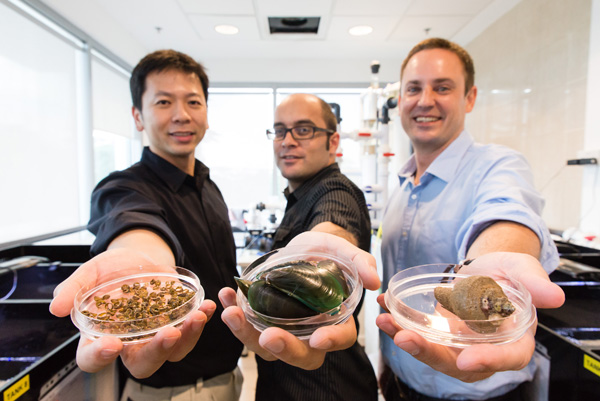
Professor Ali Gilles Tchenguise Miserez holds a joint appointment as Professor in the School of Materials Science and Engineering and the School of Biological Sciences at Nanyang Technological University (NTU) in Singapore. He is also the President's Chair in Materials Science and Engineering. His research group, the Biological and Biomimetic Materials Laboratory (BBML), is highly interdisciplinary, bringing together molecular biologists, chemists, bio-physicists, and materials scientists to study natural materials with unique properties not found in man-made materials. Prof. Miserez's research interests span multiple areas including bioelastomeric membranes & coiled-coil engineering, mechanisms of biofouling adhesion & anti-adhesive coatings, molecular biomimetics of non-mineralized hard tissues, biomineralized structures with graded properties, and liquid-liquid phase separation. His work focuses on understanding the molecular, physico-chemical, and structural principles of biological materials and translating these designs into novel biomimetic synthesis strategies. His laboratory emphasizes "green chemistry" approaches that mimic nature's energy-efficient synthesis methods under ambient conditions. Prof. Miserez's publication record demonstrates significant impact across multiple disciplines, with work appearing in top journals including Science, Nature Materials, Nature Biotechnology, Nature Chemical Biology, and Advanced Materials. His recent research has particularly focused on peptide coacervates for intracellular delivery of therapeutics, with applications in cancer treatment, mRNA delivery, and nucleic acid therapeutics. This work represents a convergence of materials science, biochemistry, and medicine with significant translational potential. Singapore National Research Foundation (NRF) Fellowship (2011) - $3 Million individual research grant for early career scientists Prof. Miserez has mentored numerous PhD students and postdoctoral researchers, many of whom have gone on to successful careers in academia and industry. His laboratory has developed strong international collaborations and has secured significant research funding. Current projects include developing peptide-based delivery systems for cancer therapeutics, understanding marine biofouling mechanisms, and creating biomimetic materials inspired by natural systems. The BBML laboratory is actively recruiting talented researchers interested in interdisciplinary work at the interface of biology and materials science.
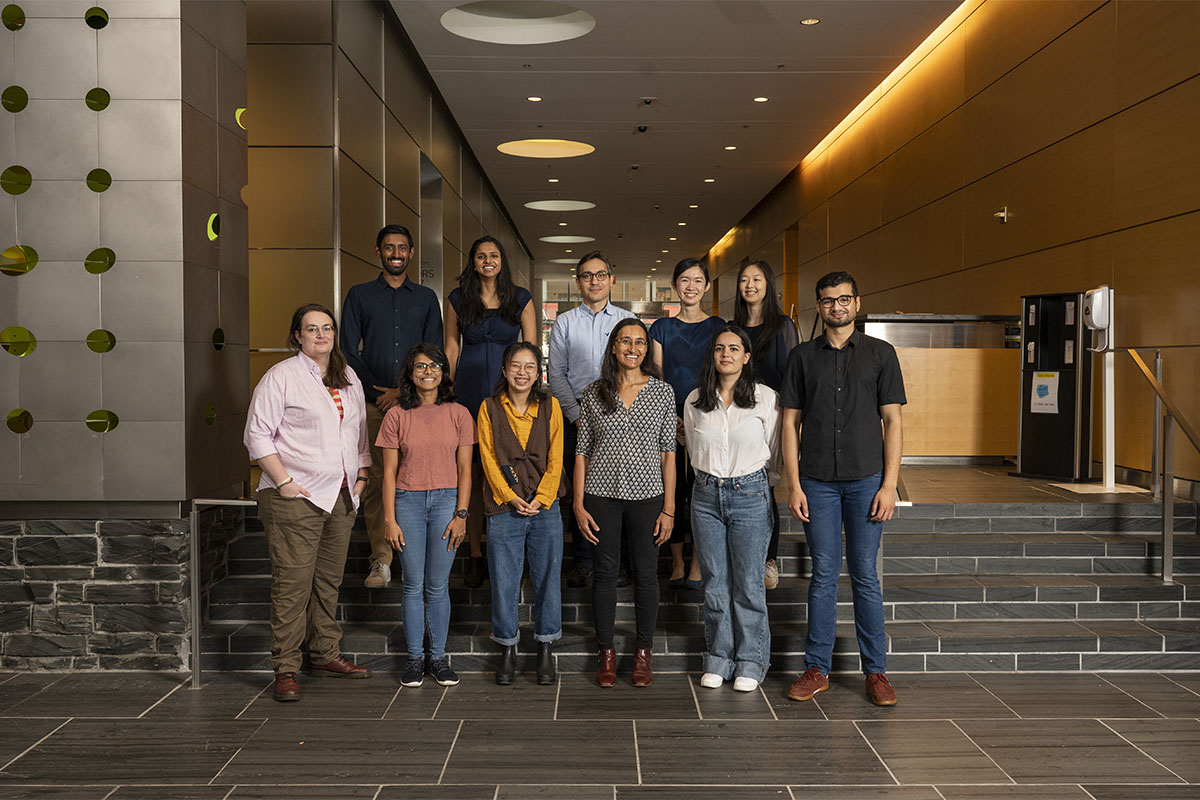
Dr. Christina Leslie is a Research Professor and Member of the Computational & Systems Biology Program at Memorial Sloan Kettering Cancer Center (MSK). She leads an active research laboratory focused on developing computational approaches to understand complex biological systems. Dr. Leslie earned her PhD from the University of California, Berkeley and has established herself as a leading computational biologist in cancer research and immunology. Computational & Systems Biology Program, Memorial Sloan Kettering Cancer Center Gerstner Sloan Kettering Graduate School of Biomedical Sciences Dr. Leslie's research focuses on developing novel computational methods to study cellular biological systems from a global and data-driven perspective. Her lab exploits diverse high-throughput functional and genomic data to understand molecular networks underlying fundamental cellular processes, including transcription regulation, pre-mRNA processing, signaling, and post-transcriptional gene silencing. Her algorithmic methods draw heavily on machine learning to build accurate predictive models from noisy and high-dimensional biological data. Key areas of interest include modeling cell-type specific transcriptional programs and dissecting co- and post-transcriptional regulation, particularly microRNA-mediated gene regulation. Analysis of Dr. Leslie's publication record over the last five years reveals a strong focus on computational approaches to cancer genomics, immunology, and epigenetics. Her work bridges multiple disciplines, with a particular emphasis on developing machine learning methods to interpret complex biological data. The publications demonstrate increasing sophistication in integrating multiple data types (genomic, transcriptomic, epigenomic) to understand cancer biology and immune responses. Recent work shows a growing emphasis on single-cell technologies and spatial analysis of tumor microenvironments. Introduction of string kernel methodology for SVM classification of biological sequences Development of algorithms for predictive modeling of gene regulation First systems-level analyses of competition between microRNAs and between target transcripts Dr. Leslie actively mentors numerous graduate students and research associates, with current lab members including Vianne Gao, Alireza Karbalaghareh, Erik Ladewig, and several others. Her lab has received significant research funding to support their work on computational approaches to cancer biology and immunology. The Leslie Lab maintains close collaborations with multiple experimental groups at MSK, facilitating the translation of computational insights into biological understanding. The Leslie Lab operates within the Computational & Systems Biology Program at MSK, with strong ties to both the research and clinical missions of the institution. The lab maintains state-of-the-art computational infrastructure for analyzing large-scale genomic and proteomic datasets and collaborates extensively with wet-lab researchers to validate computational predictions experimentally.
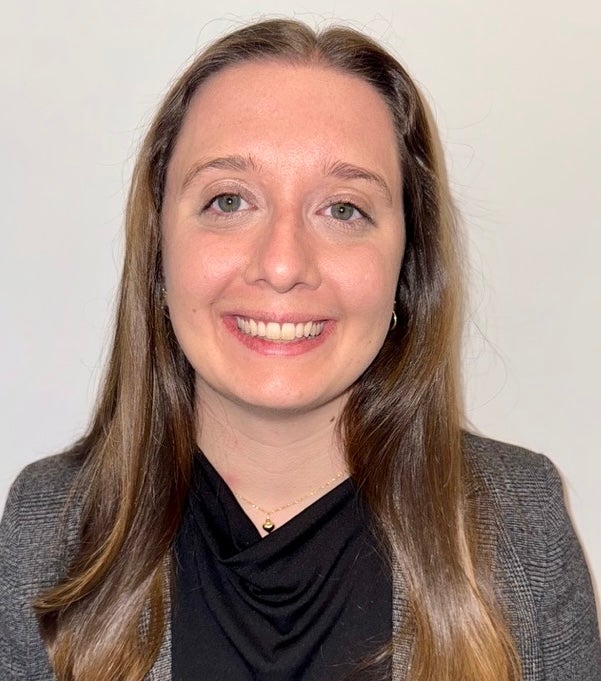
Kelsey Swingle is an Assistant Professor of Bioengineering at Rice University, where she leads the Swingle Lab at the intersection of biomaterials science, immune engineering, and reproductive biology. Her research focuses on engineering therapeutic and vaccine technologies with translational potential. Ph.D. in Bioengineering from the University of Pennsylvania B.S.E. in Biomedical Engineering from Case Western Reserve University Dr. Swingle’s research explores the design of lipid nanoparticles (LNPs) and nucleic acid therapeutics for women’s health applications, including pre-eclampsia, preterm birth, and gynecologic cancers. Her work integrates bioengineering principles with immune modulation strategies to develop targeted therapies. The trends in her publications highlight advancements in LNP elasticity optimization for placental mRNA delivery, targeted systemic RNA delivery to the brain, and in utero gene editing applications. Her lab prioritizes interdisciplinary approaches to overcome biological barriers in women’s health. 2025 Solomon R. Pollack Award for Excellence in Graduate Bioengineering Research 2024 Muriel Joan Drew Hege Award for Women in Cellular Immunotherapy Research 2024 Penn Engineering Outstanding Teaching Award 2023 Gordon Research Conference Travel Award 2022 Society for Biomaterials STAR Award 2020 NSF Graduate Research Fellowship The Swingle Lab collaborates with the Texas Medical Center to develop precision nanomedicines. Her team employs in vitro, ex vivo, and in vivo models to study biomaterial interactions with female-specific tissues, emphasizing translational research and inclusive scientific communication.
Prof. Dr. Ralph Bock serves as Director of Department 3: Organelle Biology, Biotechnology and Molecular Ecophysiology at the Max Planck Institute of Molecular Plant Physiology in Potsdam, Germany, where he also leads the Organelle Biology and Biotechnology research group. Previously, he held positions as C4 Professor for Plant Biochemistry and Biotechnology at the University of Münster (2001-2004) and Group Leader at the Institute of Biology III, University of Freiburg (1996-2001). His academic credentials include: Habilitation: University of Freiburg, 1999 Doctorate: University of Freiburg, 1996 Diploma: University of Halle, 1993 Prof. Bock's research focuses on plant molecular biology with particular emphasis on chloroplast biology, organelle biotechnology, and molecular ecophysiology. His work spans genetic engineering of plastids, photosynthesis research, plant biotechnology applications, and understanding organelle-nucleus communication. He has made significant contributions to developing chloroplast transformation systems and applying them to molecular farming, metabolic engineering, and understanding fundamental processes in plant cell biology. His research has important implications for sustainable agriculture, bioenergy, and pharmaceutical production, particularly through the development of plant-based systems for producing vaccines and therapeutic proteins. Analysis of Prof. Bock's recent publications (2023-2025) reveals a strong focus on chloroplast biology, genetic engineering, and molecular farming applications. His work spans fundamental research on organelle genetics, photosynthesis, and stress responses, as well as applied research on using plant and algal systems for biopharmaceutical production. A notable trend is the increasing use of advanced genetic engineering techniques, including CRISPR-based approaches, to manipulate organelle genomes. His research also shows growing interest in algal systems as alternative expression platforms for molecular farming, particularly red algae like Porphyridium for producing viral antigens and glycoproteins.
Dr. Alexandra Piotrowski-Daspit is an Assistant Professor in the Biomedical Engineering department and Internal Medicine – Pulmonary and Critical Care Medicine at the University of Michigan Medical School. She is a chemical/biological engineer with expertise in polymeric biomaterials for gene therapies, focusing on in vivo behavior of delivery vehicles and strategies to optimize biodistribution. Education: Ph.D. in Chemical/Biological Engineering Her research bridges polymer chemistry, gene delivery, and translational medicine, emphasizing in utero interventions and pulmonary targeting. Key areas include nanoparticle surface engineering, macrophage decoys, and computational pharmacokinetic modeling. Recent publications highlight systemic in utero gene editing for cystic fibrosis, poly(amine-co-ester) nanoparticle tunability, and mucosal vaccination platforms. She also explores miRNA therapies for congenital diaphragmatic hernia and triplex-forming PNAs for CFTR correction. PhRMA Foundation Awardee (2024) Her work involves interdisciplinary collaborations, DEI initiatives, and translational projects from postdoc foundations in W. Mark Saltzman’s lab. Labs like Saltzman and SCGE teams support her research.
Ulrich Lächelt is an Assistant Professor in the Department of Pharmaceutical Sciences at the Faculty of Life Sciences. His research focuses on nanoparticle technology, drug delivery systems, and gene therapy, with a particular emphasis on CRISPR/Cas9 genome editing and RNA-based therapeutics. He leads a project on nanoformulations of prime editing ribonucleoproteins (2025–2029), aiming to advance precision medicine. His work contributes to UN Sustainable Development Goals, particularly in health and innovation. Research Interests: Nanoparticle design and material science CRISPR/Cas9 delivery systems siRNA and mRNA therapeutic formulations Cancer-targeted drug delivery Biomedical engineering applications Publications (2025–2023): Highlighted studies include dual pH-responsive CRISPR delivery systems and accelerated endosomal escape mechanisms. His work spans 40+ peer-reviewed articles, with recent trends focusing on xenopeptide carriers and tumor-targeted therapies. Grants & Projects: Current research funding includes a nanoformulations project (2025–2029). He actively collaborates on international initiatives, with recent presentations at global conferences on CRISPR delivery and gene editing strategies. Labs/Teams: Involved in interdisciplinary teams developing novel drug delivery platforms and screening tools for prime editor RNPs.
Mikhail Gelfand is a Full Professor and Director of the Center for Molecular and Cellular Biology at Skolkovo Institute of Science and Technology (Skoltech), where he also serves as Vice President for Biomedical Research. His distinguished career spans multiple prestigious institutions including Lomonosov Moscow State University and the Higher School of Economics. His educational background includes: 1985: MSc in mathematics (functional analysis) 1993: PhD in physics-mathematics (biophysics) 1998: DSc in biology (molecular biology) 2007: full professor (bioinformatics) Professor Gelfand's research focuses on molecular evolution, comparative genomics, systems biology, and metagenomics. His work examines eukaryotic processes including alternative splicing, mRNA editing, and chromatin structure, as well as bacterial genome evolution and transcription regulation. His lab combines data on three-dimensional chromatin structure, epigenetic states, and gene expression to obtain an integrated view of genome functioning across diverse organisms from humans to amoebae. One major research direction focuses on the evolution of transcript splicing and editing, while comparative analysis of bacterial genomes yields functional annotations of novel enzymes, transporters, and transcription factors. His recent publications demonstrate a strong focus on RNA editing in cephalopods, bacterial genome analysis, and computational approaches to understanding chromatin structure. The work spans molecular biology, evolutionary biology, and bioinformatics, with particular emphasis on how RNA editing contributes to adaptation and molecular evolution across metazoans. His research shows how edited adenines are more frequently substituted with guanine in evolution than their unedited counterparts, suggesting RNA editing may enhance adaptation. His notable awards include: The President of Russian Federation's Award for Young Doctors of Science (2000) The "Best Scientist of the Russian Academy of Sciences" award (2004) A. A. Baev Prize in Genomics and Genoinformatics (2007) Member of Academia Europaea (2010) As Director of the Center for Molecular and Cellular Biology, Professor Gelfand leads a research group that combines computational and experimental approaches to study genome function and evolution. His lab's work has significant implications for understanding molecular mechanisms of evolution and adaptation across diverse biological systems, from bacteria to complex eukaryotes. His research on metagenomics extends to practical applications in areas including coral disease, aphids, and oil wells.
Michael J. Mitchell is an Associate Professor in the Department of Bioengineering at the University of Pennsylvania. His research focuses on overcoming biological barriers to drug delivery through biomaterials science, nanotechnology, and cellular engineering. Key areas include mRNA lipid nanoparticle development for cancer therapy, immunotherapy, genome editing, and regenerative medicine. His lab has pioneered placental-targeted drug delivery for in utero treatments and developed scalable microfluidic manufacturing processes for vaccines. Education: PhD in Bioengineering (University of Pennsylvania) Postdoctoral Training in Nanomedicine Research Interests: Dr. Mitchell’s work integrates biomaterials with biological systems to improve drug delivery efficiency. Current projects include: Design of lipid nanoparticles for mRNA and CRISPR delivery Targeted therapies for cancer metastasis and cardiovascular disease Placenta-specific drug delivery systems for maternal-fetal health Bioengineered immune cell therapies using mRNA Recent Achievements: In 2021, his lab published breakthrough work on lipid nanoparticles improving mRNA vaccine stability, featured in Penn Today and MIT Technology Review . Collaborations with CHOP and Penn Medicine have advanced in utero mRNA delivery for congenital diseases. Awards & Grants: Recipient of NIH grants for nanomedicine research and industry partnerships for vaccine development. Active in translational projects with startup companies for clinical nanotechnology applications. Labs & Teams: Lead of the Mitchell Lab at Penn Engineering, which includes over 20 researchers focusing on nanomedicine, biomaterials, and clinical translation.
Dorota Kawa is an Assistant Professor at the Faculty of Science, Utrecht University , specializing in Plant Stress Resilience and Experimental and Computational Plant Development . Her research focuses on plant-microbiome interactions, root development under stress, and bioinformatics approaches to enhance crop sustainability. Education : PhD in Plant Physiology and Cell Biology (2017, University of Amsterdam) MSc in Plant Biotechnology (2011, Warsaw University of Life Sciences) BSc in Biotechnology (2010, Warsaw University of Life Sciences) Research Interests span plant adaptation to abiotic stresses, microbiome-driven root cell modifications, and computational modeling of development. She investigates how microbial communities and genetic pathways regulate root metabolomes and cellular traits, particularly under salt and drought stress. Publication Trends show her work centers on Striga resistance in cereal crops, stress-induced root architecture changes , and microbiome-root interactions . She explores auxin-independent signaling and mRNA decay mechanisms to improve multi-stress resilience. Teaching includes courses on plant development and research design at Utrecht University. Her work contributes to Pathways to Sustainability and Future Food initiatives.
David Suter is an Associate Professor at École Polytechnique Fédérale de Lausanne (EPFL), affiliated with the School of Life Sciences (SV) and the Institute of Bioengineering (IBI-SV), leading the UPSUTER research unit focused on Gene Regulation & Cell Identity. He is based in the AI building at Station 19, Lausanne, and holds active teaching and leadership roles across multiple departments, including Life Sciences Engineering. He serves as Director of the Doctoral Program in Molecular Life Sciences (EDMS), and is a member of the Doctoral School Committee and the PhD Program Committee for Computational and Quantitative Biology. His research centers on the quantitative analysis of gene expression dynamics and cell identity, employing cutting-edge techniques such as ultrasensitive bioluminescence imaging, fluorescent protein timers, genome editing, and high-throughput genomics (ChIP-seq, ATAC-seq, CUT&RUN). His lab investigates transcriptional memory, proteostasis, transcription factor search dynamics, and cell fate decisions using embryonic stem cells and cancer cells as model systems. These approaches enable real-time, single-cell resolution studies of transcription factor behavior, mRNA production, and protein turnover across cell divisions. The publication trends in his work emphasize live-cell imaging, quantitative molecular biology, and systems-level understanding of gene regulation. His articles reflect a strong focus on visualizing and quantifying biological processes in living cells, particularly around transcription factors like Sox2 and their role in pluripotency and differentiation. The integration of biophysical tools with molecular biology allows his team to decode the mechanisms underlying cell identity maintenance and fate transitions. He actively supervises PhD students, both current and past, contributing significantly to doctoral education at EPFL. His leadership in the EDMS program underscores his commitment to training the next generation of scientists in molecular and quantitative life sciences. While no specific grants are mentioned in the text, his lab's advanced technological development (e.g., bioluminescence imaging tools) suggests strong funding support. David Suter leads the Suter Lab, a multidisciplinary research group combining molecular and cell biology with computational and biophysical methods. The lab fosters close collaborations and maintains a strong technical core in imaging and genomics, enabling innovative research on the fundamental principles of gene regulation during development and disease.
Dr. Athma A Pai is an Associate Professor at UMass Chan Medical School, holding primary appointments in the RNA Therapeutics Institute and the T.H. Chan School of Medicine. She maintains extensive secondary appointments across multiple departments including Genomics and Computational Biology, Systems Biology, and several graduate programs at the Morningside Graduate School of Biomedical Sciences, reflecting the highly interdisciplinary nature of her work. Education: BS in Biochemistry/Anthropology from University of Pennsylvania PhD in Human Genetics from University of Chicago Postdoctoral training in RNA Genomics from MIT Dr. Pai's research program centers on RNA biology with particular emphasis on RNA processing, splicing mechanisms, and the regulation of gene expression. Her work investigates how environmental factors influence RNA processing through biochemical, molecular, and genetic mechanisms. She employs cutting-edge genomic and transcriptomic approaches to study alternative polyadenylation, mRNA transcript initiation and termination, and the spatial organization of RNA processing events within cells. Her research has significant implications for understanding fundamental gene regulation mechanisms and their roles in disease processes. Analysis of Dr. Pai's recent publications reveals a strong focus on developing high-resolution profiling methods for understanding transcriptional and translational regulation. Her work increasingly integrates computational approaches with experimental biology to investigate how RNA processing events are coordinated across the transcriptome. A notable trend is her exploration of how RNA processing contributes to inflammatory responses and cellular defense mechanisms, with implications for therapeutic development. Dr. Pai actively mentors students through multiple graduate programs at UMass Chan Medical School, including Biochemistry and Molecular Biotechnology, Biophysical Chemical and Computational Biology, Interdisciplinary Graduate Program, MD/PhD Program, RNA Therapeutics and Biology Program, and Systems Computational and Quantitative Biology. She maintains an active laboratory (Pai Lab) that welcomes postdoctoral researchers interested in RNA biology. Her laboratory website provides additional information about ongoing research projects and opportunities for collaboration and training, and she maintains a professional presence through her Twitter account (@athmapai).
Silvia Monticelli is a Group Leader in Molecular Immunology at the Institute for Research in Biomedicine (IRB) in Bellinzona, Switzerland. She earned her Ph.D. from the University of Milan and has held research positions at San Raffaele Scientific Institute, King’s College London, and Harvard Medical School. Her research focuses on transcriptional and post-transcriptional regulation of immune responses, particularly in T lymphocytes and mast cells. Education: Ph.D. – University of Milan, Italy Postdoctoral training – San Raffaele Scientific Institute, Milan Research training – Randall Institute, King’s College London Research training – Center for Blood Research, Harvard Medical School Research Interests: Silvia Monticelli’s lab investigates the molecular mechanisms that control gene expression in immune cells. Her work spans epigenetic regulation , microRNA function , transcription factor networks , and RNA methylation in T cells and mast cells. A central theme is understanding how these mechanisms shape immune cell identity and function in health and disease. Publication Trends: Her recent publications (2020–2024) reflect a strong emphasis on RNA biology , epigenetic control , and immune regulation . She has contributed to high-impact journals such as Nature , Nature Immunology , and Science Advances , with work ranging from microRNA-mediated control of T cell activation to epigenetic regulation in mast cells and cancer immunity. Scientific Recognition: While no formal awards are listed, her work has been highlighted by editorial commentary and co-corresponding authorships in high-impact journals, indicating recognition within the immunology community. Labs & Affiliations: She leads a research group at the IRB in Bellinzona, focusing on immune cell regulation at the molecular level. Her lab is part of a broader European research network and collaborates with institutions like Harvard and the University of Milan.