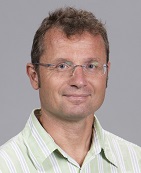
Dr. Nan Zhang is a research leader at the UCD School of Mechanical and Materials Engineering , focusing on precision manufacturing technologies for micro/nano-scale devices. His work bridges lab-scale prototyping and industrial mass production, with applications in medical devices, microfluidics, and functional surfaces. Research Keywords : Precision Manufacturing, Microfluidics, Nanotechnology, Materials Science, Medical Devices, Advanced Manufacturing Research Trends : Recent publications highlight advancements in digital light processing (DLP) 3D printing, machine learning-optimized microfabrication, liquid metal antenna technologies, and scalable nanocomposite mold development. His work emphasizes industrial feasibility, biocompatibility, and surface engineering. Scientific Awards : Smurfit Kappa Newman Fellowship Award ERC Grants (contextual institutional affiliation) Labs & Collaborations : Based at the UCD Engineering and Materials Science Centre, Dr. Zhang’s research involves partnerships with industry and academic networks, focusing on precision tooling, microfluidic scale-up, and novel material applications (e.g., bulk metallic glasses, bio-plastics).
Benjamin Wolozin is a Professor at the Boston University Chobanian & Avedisian School of Medicine in the Department of Pharmacology , with an adjunct position in Neurology. He specializes in neurodegenerative diseases, particularly Alzheimer's , Parkinson's , and ALS . MD/PhD, Albert Einstein College of Medicine Past Associate Professor at Loyola University Medical Center (1996-2004) Current affiliations: Alzheimer's Disease Center, Boston University Graduate Program for Neuroscience His research investigates RNA binding proteins (RBPs) , stress granules , and liquid-liquid phase separation in neurodegenerative disease. Key projects include the role of TIA1 and HNRNPA2B1 in tauopathy, m6A RNA methylation in Alzheimer's pathology, and development of 3D iPS-neuron/astrocyte assembloids to model dementia. His lab has identified disease-linked circRNA changes and explores nanobodies targeting stress granule components. Recent awards include the Donald B. Lindsley Prize (Society for Neuroscience) and A. E. Bennett Award . He serves on NIH CDIN study sections and editorial boards for Journal of Biological Chemistry and Neurodegenerative Diseases . Grants include multiple NIH R01 and U01 awards for AD/tauopathy research.
Ciaran Seath is an Assistant Professor of Chemistry at Scripps-UF (The Wertheim Scripps UF Institute) in Jupiter, Florida, where he leads the Seath Research Chemistry Lab. His research focuses on using chemical biology methods to discover new therapeutically relevant protein-biomolecule interactions that contribute to disease. Dr. Seath completed his PhD in chemistry from the University of Strathclyde in 2017 under the supervision of Dr. Allan Watson, studying chemoselective transition-metal catalysis. He then conducted postdoctoral research at Emory University with Professor Nathan Jui, developing novel reductive photoredox methodologies, and at Princeton University with Professors David MacMillan and Tom Muir, exploring photocatalytic methods for proximity labeling in cancer biology. His research interests span several critical areas in chemical biology: New Therapeutic Strategies: Using proximity labeling methods to understand how mutations and post-translational modifications lead to diseased phenotypes Understanding Transcription in Disease: Investigating "undruggable" proteins that control transcriptional activation with the goal of finding new cancer therapies PhotoChemical Biology: Developing new chemical reactions in cells driven by visible light irradiation to modify proteins and biomolecules Dr. Seath's laboratory focuses on using state-of-the-art methods in chemical biology to discover new protein-biomolecule interactions relevant to disease, with particular interest in pediatric brain tumors, biochemistry and cell biology, and clinical and translational science. His recent work demonstrates a strong trend toward developing and applying proximity labeling techniques, particularly photoproximity labeling methods with varying activation wavelengths and spatial resolution, to study protein interactions in complex biological systems. His research bridges chemistry, biology, and medicine, with a clear translational focus on developing new therapeutic approaches for challenging diseases. Dr. Seath has secured multiple research grants as Principal Investigator from prestigious sources including Pfizer Inc, the National Institutes of Health (NIGMS, NCI), and the American Chemical Society Petroleum Research Fund. These grants support his innovative work in chromatin chemical biology, photocatalysis, and epigenetic drug discovery. He is actively involved in translational research at Scripps-UF to understand human disease, with his laboratory (The Laboratory of Subcellular Technologies) focusing on developing new chemical tools to address fundamental biological questions with therapeutic implications.
Professor Sir Michael Ferguson is the Regius Professor of Life Sciences at the University of Dundee and an Interim Dean of the School of Life Sciences. He is a Fellow of the Royal Society (FRS), Royal Society of Edinburgh (FRSE), Academy of Medical Sciences (FMedSci), and Royal Society of Biology (FRSB). Education : BSc in Biochemistry, University of Manchester (1976-1979) PhD in Biochemistry, University of London (1979-1982) His research focuses on the biochemistry of protozoan parasites causing tropical diseases such as human African Sleeping Sickness, Chagas' disease, and leishmaniasis. He emphasizes the Biology/Chemistry interface and translational research, co-founding the Drug Discovery Unit and directing the Dundee Proteomics Facility . His work on glycosylphosphatidylinositol (GPI) membrane anchors has transformed understanding of eukaryotic biology. Recent publications highlight advancements in antimicrobial resistance , serology standards for SARS-CoV-2 , and mechanochemical drug formulation . He contributes to UN Sustainable Development Goals in Health and Life Sciences . Scientific Awards : Royal Society Leeuwenhoek Medal (2025) Biochemical Society Morton Lecture (2024) Knight Bachelor (2019) Colworth Medal (1991) Howard Hughes International Scholar (1993) He serves on the boards of UK Biobank , Medicines Discovery Catapult , and chairs PhaSER Bio . During the pandemic, he advised the UK government on antibody testing and national core studies.
Associate Professor Timothy Bredy is a leading figure in cognitive neuroepigenetics at the Queensland Brain Institute (QBI) , focusing on how epigenetic modifications and RNA dynamics regulate fear-related memory and psychiatric disorders like PTSD. His research explores the interplay between environmental experiences and genomic activity, particularly through non-coding RNA and DNA methylation. University: University of Queensland School: Faculty of Health, Medicine and Behavioural Sciences Role: Professorial Research Fellow and Group Leader Research Interests span epigenetic mechanisms in memory formation, RNA modifications in synaptic plasticity, and therapeutic applications for anxiety disorders. He pioneered discoveries linking dynamic DNA structures (e.g., G-quadruplexes) and RNA methylation to memory stability. Recent Work includes studies on RNA-based therapeutics, stress-induced epigenetic inheritance, and synaptic long noncoding RNA activity. His scientific awards encompass NHMRC and ARC grants for neuroepigenetics research. Key Collaborators: Paul Marshall, Esmi Zajaczkowski Labs: Bredy Laboratory at QBI
Scott W. Stevens is an Associate Professor and Associate Chair for Undergraduate Education in the Molecular Biosciences department at the University of Texas at Austin, College of Natural Sciences. His research focuses on understanding the structure and function of ribonucleoprotein (RNP) complexes, particularly the spliceosome. Dr. Stevens' research interests center on RNA processing and splicing mechanisms. His laboratory investigates how RNA and protein assemble into large RNP complexes, how these complexes function, and how they are rearranged during their action. His work has significant implications for understanding human diseases caused by RNP malfunction. His research methodology combines yeast genetics, biochemistry, cryo-electron microscopy, and X-ray crystallography. More recently, his lab has expanded into mammalian systems by designing human cells and mice to study splicing reactions in these model organisms. Dr. Stevens has published extensively on spliceosome structure and function, with research spanning from fundamental molecular mechanisms to potential therapeutic applications. His publication record shows consistent productivity from the early 2000s through 2023, demonstrating sustained research impact in the field of RNA biology. His collaborative work extends across disciplines, as evidenced by publications in medical physics and environmental science alongside his primary molecular biology research.
Aykut Shen holds a PhD and is a Researcher affiliated with the RNA (epi)Genetics Lab at the University of East Anglia (UEA), specifically within the School of Biological Sciences. His work focuses on molecular mechanisms underlying RNA processing and aging, with a strong emphasis on epigenetic regulation and developmental biology. Recent research includes studies on insulin signaling's role in reproductive aging and the critical function of U6 snRNA m6A modifications in RNA splicing accuracy. His publications span Aging Cell and Nucleic Acids Research, demonstrating contributions to both basic biology and translational insights into aging. No scientific awards or grants are explicitly listed, but his research has garnered citations and social media engagement across platforms like Bluesky and Mendeley. Shen collaborates internationally, with projects involving institutions in multiple countries, as indicated by his network map. His lab's work bridges model organisms (C. elegans) and human systems, highlighting translational potential in genetic and epigenetic research.
Daniel J. Siegwart holds the W. Ray Wallace Distinguished Chair in Molecular Oncology Research and serves as Professor at the University of Texas Southwestern Medical Center. He maintains dual appointments in the Department of Biomedical Engineering and Department of Biochemistry, and is affiliated with the Simmons Comprehensive Cancer Center. Dr. Siegwart directs both the Program in Genetic Drug Engineering and the Drug Delivery Program in Biomedical Engineering, while also serving as Co-Director of the Chemistry and Cancer Program. Dr. Siegwart's research focuses on developing advanced lipid and polymer-based systems with precise control over structure and responsiveness for applications in drug delivery, imaging, genetic diseases, and cancer. His work spans nano-based drugs, personalized medicine, and cancer immunology, with particular emphasis on creating targeted delivery systems for nucleic acid therapeutics. His laboratory pioneers innovations in lipid nanoparticle technology, selective organ targeting (SORT) systems, and novel approaches to overcome delivery barriers for genetic medicines. Analysis of Dr. Siegwart's recent publications reveals a strong focus on advancing lipid nanoparticle technology for organ-specific delivery of nucleic acids. His research group has made significant contributions to understanding structure-activity relationships of ionizable lipids, developing multi-organ targeting strategies, and creating solutions for repeated administration of mRNA therapeutics. Current work emphasizes expanding delivery capabilities beyond the liver to target lungs, spleen, skeletal muscle, and skin for treating genetic diseases and cancer. National Academy of Inventors (NAI) Fellow (2024) National Academy of Medicine (NAM) Emerging Leaders in Health and Medicine (ELHM) Scholar (2024) Controlled Release Society (CRS) College of Fellows (2023) American Institute for Medical and Biological Engineering (AIMBE) College of Fellows (2022) Howard Hughes Medical Institute (HHMI) Gilliam Fellowship for Advanced Study (2021) Dr. Siegwart has secured significant research funding including the American Cancer Society Research Scholar award, CPRIT Scholar Award, and NIH funding. He has co-founded multiple biotechnology companies including Signify Bio, Jumble Therapeutics, and ReCode Therapeutics, translating his academic research into clinical applications. His laboratory maintains active collaborations with leading institutions and pharmaceutical companies to advance nucleic acid delivery technologies. The Siegwart laboratory operates as a multidisciplinary research team at the intersection of chemistry, materials science, and biomedical engineering. The group maintains state-of-the-art facilities for nanoparticle formulation, characterization, and in vivo testing, with particular expertise in lipid chemistry, polymer synthesis, and nucleic acid delivery. Current research directions include developing next-generation delivery systems for CRISPR-based gene editing, creating tissue-specific mRNA vaccines, and engineering novel approaches to treat genetic disorders and cancer.
Lydia Herzel is an Assistant Professor in the Department of Biochemistry at the Freie Universität Berlin, affiliated with the Department of Biology, Chemistry, Pharmacy. Her research focuses on RNA dynamics, particularly mRNA regulation in fungi and bacteria, combining biochemistry, bioinformatics, and molecular biology. She leads the Herzel Group, which explores co-transcriptional RNA regulation and its impact on gene expression outcomes. The group employs advanced RNA sequencing and biochemical techniques to study transcriptome diversity and regulatory mechanisms. Her work spans topics such as RNA splicing, mRNA decay, and the interplay between transcription and post-transcriptional processes. Key areas include understanding how regulatory mechanisms influence fungal pathogenesis (e.g., Candida albicans) and bacterial gene expression. She collaborates on projects involving synthetic biology, codon usage, and functional genomics. Recent studies highlight her group’s contributions to understanding spliceosome function in morphogenesis and the development of novel clathrin inhibitors. She actively mentors students, including Javier Callís Creus, a former bachelor’s thesis student. The lab seeks motivated researchers interested in integrating biochemistry, microbiology, and bioinformatics. Her research has been published in high-impact journals such as Nature Reviews Molecular Cell Biology , Nucleic Acids Research , and mBio . Her work bridges fundamental biology with biomedical applications, aiming to translate regulatory insights into therapeutic strategies.
Associate Professor Jean (Jiayu) Wen holds positions at The Australian National University (ANU), including Group Leader of The Wen Group, ARC Future Fellow, and Deputy Director of The Shine-Dalgarno Centre for RNA Innovation. She specializes in computational and molecular biology, focusing on RNA regulation, gene expression, and cancer genomics. Her affiliations include ANU’s Division of Genome Sciences and Cancer, and the Centre for Computational Biomedical Sciences. Education: BEng in Electronic Engineering (Beijing), MSc in Computer Science (Lakehead University), PhD in Computational Biology (ANU). Postdoctoral training at Copenhagen University and Memorial Sloan-Kettering Cancer Center. Research interests span RNA structures, microRNA biogenesis, transcriptome dynamics, and epigenetic regulation. Her work addresses intragenomic conflicts, cancer mechanisms, and neural development. Notable projects include RNA-based machine learning models for RNA-RNA interactions and immune cell differentiation studies. Publications highlight contributions to RNA interference pathways, tumor development, and Drosophila genetics. Awards include the ARC Future Fellowship. She leads interdisciplinary teams advancing computational and experimental approaches in genomics and systems biology.
Julia Alterman, PhD, is an Assistant Professor at the RNA Therapeutics Institute within UMass Chan Medical School. Her research focuses on developing novel therapeutic oligonucleotides for genetically defined diseases, with particular expertise in siRNA technology and chemical optimization for extrahepatic tissue delivery. Dr. Alterman's lab works on expanding siRNA applicability to diverse tissues including skin, heart, muscle, bone, joint, eye, and inflammation targets. Her research integrates oligonucleotide chemistry and synthesis, chemical biology, and in vitro/ex vivo/in vivo pharmacology to understand structure-activity relationships of therapeutic oligonucleotides. Current projects focus on creating novel chemical architectures enabling whole-body siRNA delivery, with applications ranging from neurodegenerative disorders to inflammatory conditions. Recent publications demonstrate strong focus on CNS delivery optimization, allele-specific silencing strategies, novel scaffold development for tissue-specific delivery, and toxicity mitigation approaches. Therapeutically, her work spans neurodegenerative diseases (Huntington's, prion diseases), muscular dystrophy, ocular pathologies, and inflammatory conditions.
Elizabeth Arnold is a Professor at The University of Arizona, holding appointments in the School of Plant Sciences, Department of Ecology & Evolutionary Biology, and the Graduate Interdisciplinary Program in Genetics. She serves as Curator of the Robert L. Gilbertson Mycological Herbarium. Dr. Arnold earned her Ph.D. in Ecology and Evolutionary Biology from The University of Arizona in 2002, followed by an NSF Postdoctoral Fellowship at Duke University. She advanced through the ranks from Assistant Professor (2005-2010) to Associate Professor (2010-2015) to her current Professor position (2015-present). Dr. Arnold's research centers on community ecology, evolutionary ecology, mycology, tropical biology, and microbial ecology. Her work primarily investigates plant- and lichen microbiomes with emphasis on fungal symbioses across wild and agricultural ecosystems. The Arnold Lab explores microbial richness across scales, examining how niche differentiation shapes fungal endophyte communities and their functional roles in plant health. Recent research has focused on metabolomic profiles in sorghum-microbiome interactions, tropical seed-fungal dynamics, and endohyphal bacteria like Luteibacter species. Her publication record demonstrates expertise in fungal endophytes, seed-microbe interactions, and plant-microbe symbioses across diverse ecosystems. Analysis of her recent articles (2023-2025) reveals consistent focus on endophytic communities, their ecological functions, and applications to both natural and agricultural systems. Her work spans from molecular-scale interactions (mRNA modifications, metabolite profiles) to landscape-level patterns (biodiversity hotspots, biome connectivity). 2017 Warren Herb Wagner Lecturer in Plant Evolution, University of Michigan 2016 William H. Weston Award for Outstanding Teaching, Mycological Society of America 2016 Fellow, Bart Cardon Academy of Teaching Excellence, The University of Arizona 2014 Outstanding Seminar Speaker, Rancho Santa Ana Botanic Garden Graduate Student Association 2013 1885 Distinguished Scholar, The University of Arizona 2013 Staff Award for Excellence, Women in Science and Engineering 2012 Alexopoulos Prize, Outstanding Early Career Mycologist, Mycological Society of America 2011 Buller Medal, Outstanding Young Mycologist in North America, International Mycological Association 2011 David E. Cox Teaching Award, College of Agriculture and Life Sciences, The University of Arizona Dr. Arnold serves as Executive Editor of Mycologia, Co-editor of Frontiers in Ecology and Evolution, Associate Editor of American Journal of Botany, and Subject Editor of Biotropica. Her research has been supported by multiple NSF grants including projects on seed-fungal interactions and macrofungal distributions. She has mentored numerous graduate students through interdisciplinary programs at The University of Arizona. The Arnold Lab maintains active research programs investigating microbial ecology across scales, with current projects examining microbiome roles in plant invasion success (particularly Lehmann Lovegrass), seed-fungal interactions in tropical forest regeneration, and applications of microbial ecology to agricultural systems, especially sorghum's response to drought stress. The lab emphasizes both fundamental ecological questions and practical applications for ecosystem management.
Andrew B. Ward is a Professor in the Department of Integrative Structural and Computational Biology at The Scripps Research Institute. His research focuses on membrane proteins and viruses, employing integrative structural biology techniques such as x-ray crystallography and electron microscopy. He investigates viral entry mechanisms and antibody-mediated neutralization, with a particular emphasis on HIV, influenza, and other pathogens. Ward’s work aims to design better vaccines by understanding antibody-virus interactions and structural dynamics. Education: Ph.D., The Scripps Research Institute, 2008 B.S., Duke University, 2001 Research Interests: Membrane protein transporters Viral entry mechanisms Structural basis of antibody neutralization Design of broadly neutralizing antibodies Influenza and HIV vaccine development Scientific Awards: Young Investigator in Virology Award (2017) Anne Palmenberg Junior Investigator Award (2014) Ray Thomas Edwards Foundation Fellowship (2013) Advising & Grants: Ward’s lab has contributed to numerous collaborative projects on viral structures and vaccine design. Grants include funding from NIH and the National Science Foundation. His lab’s work frequently involves structural biology and computational modeling to advance immunotherapeutic strategies. Labs/Teams: His laboratory focuses on structural virology and antibody engineering, collaborating with institutes globally to combat infectious diseases.
Dr. Laura Leighton is a Postdoctoral Research Fellow in the mRNA Sciences group at the Australian Institute for Bioengineering and Nanotechnology (AIBN), The University of Queensland. Her research focuses on RNA biology, particularly the functional characterization of RNA molecules and their roles in cancer therapy and neurological processes. She leads the development of mRNA-based therapeutics for liver cancer, leveraging lipid nanoparticle (LNP) delivery systems to target intracellular cancer proteins. Dr. Leighton holds a PhD from the Queensland Brain Institute (2021), where her work, supported by the Westpac Future Leaders Scholarship, explored small noncoding RNAs in fear-related learning and memory. She completed her postdoctoral training under Dr. Seth Cheetham at AIBN in 2023. Her educational background includes a Bachelor of Science and Bachelor of Science (Honours) from The University of Queensland. Her research interests integrate molecular biology, neuroscience, and translational medicine, with a focus on RNA modifications (e.g., m6A), long noncoding RNAs, and the epigenetic regulation of memory processes. Key themes in her work include fear extinction mechanisms, synaptic plasticity, and the application of mRNA therapeutics in cancer treatment. Dr. Leighton’s articles consistently explore RNA-driven mechanisms in memory and disease. Recent work highlights the role of DNA G-quadruplex structures in memory regulation, the interplay between stress hormones and sperm RNA dysregulation, and the synthesis of novel long noncoding RNAs (e.g., ADRAM) that drive fear extinction. Her findings bridge basic neuroscience and clinical applications, emphasizing RNA’s dynamic role in health and disease. Awards: Westpac Future Leaders Scholarship (2017) Grants: TdC Mid Career Grant (Targeting liver cancer with mRNA therapies), Prader Willi Syndrome Research Grant (2022–2024) She is actively involved in supervising research students and contributes to the development of advanced drug delivery systems targeting liver cancers. Her lab is part of AIBN’s mRNA Sciences team, collaborating on projects that translate RNA-based discoveries into clinical solutions.
Prof. Dr. Dario Leister is a Chair of Plant Molecular Biology/Botany at the Ludwig-Maximilians-University Munich (LMU) , where he leads research on photosynthesis regulation, retrograde signaling, and bio-hybrid systems for photovoltaics. His lab focuses on chloroplast functions, stress responses, and synthetic biology to enhance photosynthetic efficiency. Education: Diploma in Biochemistry (University of Tübingen, 1993); PhD in Genetics (Max-Planck-Institute, 1995); Habilitation in Genetics (University of Tübingen, 2003). Recent research trends include optimizing photosynthesis under fluctuating light, engineering cyanobacterial systems for stress tolerance, and exploring chloroplast-mitochondria interactions. His work spans molecular genetics, RNA biology, and nanotechnology-based applications. Scientific Awards: Top Author Award (ASPB, 2015); Karl-Lohmann-Prize (2003); Heisenberg Scholarship (DFG, 2003-2005); EMBO Long-Term Fellowship (1997-1998). He chairs the Transregio 175 consortium ( The Green Hub ) and serves on the Faculty Board of LMU's Faculty of Biology. His lab investigates chloroplast development, redox signaling, and adaptive evolution in plants.