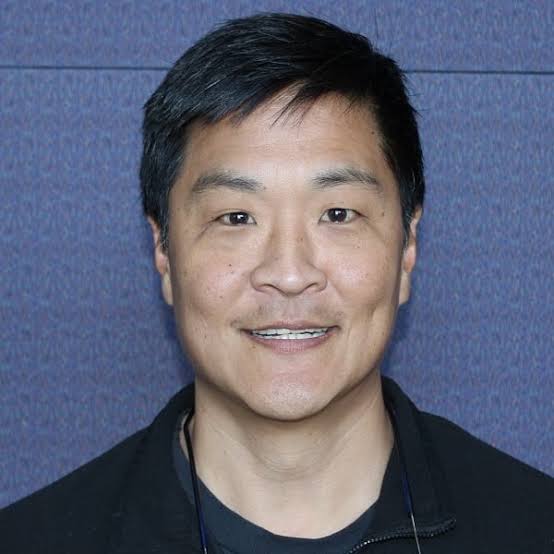
Edward S. Awh is a Professor in the Department of Psychology at the University of Chicago, affiliated with The Institute for Mind and Biology and the Grossman Institute for Neuroscience, Quantitative Biology and Human Behavior. His research focuses on behavioral and neural studies of memory and attention, employing psychophysics, EEG, and functional MRI. His lab investigates neural mechanisms underlying cognitive processes and their interrelationships. Research interests include tracking the contents of online memories and the locus of covert attention using neural decoding techniques. The lab collaborates on projects involving attention and memory studies, as detailed on their website: Awh/Vogel Lab . The lab currently seeks postdoctoral researchers to join ongoing projects using behavioral, EEG, and fMRI methodologies. Contact via awhvogellab@gmail.com .
Jonathan Winawer is an Associate Professor of Psychology and Neural Science at New York University (NYU). He leads the Winawer Laboratory for Human Visual Perception and Neuroscience, which is affiliated with the NYU Psychology Department, NYU Center for Neural Science, NYU Neuroscience Institute, and collaborates with the NYU Comprehensive Epilepsy Center and Stanford University's Human Intracranial Cognitive Program. Ph.D., Massachusetts Institute of Technology (2007) M.S., City College of the City University of New York (2005) A.B., Columbia University (1995) His research focuses on the biological basis of visual perception, including computational models of the visual pathways using fMRI, EEG, ECoG, and psychophysics. Key areas include: Encoding of visual stimuli in neural pathways Perceptual memory's influence on cognition Neural circuit properties underlying imaging signals Individual differences in visual perception Publications highlight interdisciplinary approaches spanning computational neuroscience, neuroimaging, and psychophysics, with recent work on population receptive fields, spatial frequency tuning, and memory-related cortical dynamics. He has mentored numerous students and postdocs, many of whom have advanced to academic and research roles at institutions like Stanford, Columbia, and the University of Amsterdam. Department of Psychology, NYU Center for Neural Science, NYU Neuroscience Institute, NYU Comprehensive Epilepsy Center, NYU Stanford University collaborations
Christopher Thomas Sege, PhD is an Assistant Professor in the Department of Psychiatry and Behavioral Sciences at the Medical University of South Carolina (MUSC) College of Medicine. His research focuses on the neurophysiological mechanisms underlying anxiety disorders, particularly examining escape, avoidance, and approach behaviors in the anxiety disorder spectrum. Dr. Sege's primary research interests include: Anxiety Disorders and Emotional Processing Defensive Behaviors and Coping Mechanisms Neurophysiological Correlates of Emotional Anticipation Startle Response and Autonomic Nervous System Functioning Transcranial Magnetic Stimulation (rTMS) Applications His work bridges clinical psychology with neuroscience to understand how individuals with anxiety disorders process and respond to emotional stimuli. Dr. Sege leads the research study "Modeling and Modulating Mechanisms of Escape, Avoidance, and Approach in the Anxiety Disorder Spectrum" which investigates whether repetitive transcranial magnetic stimulation (rTMS) can alter how people with anxiety cope with emotional situations. This study involves measuring brain activation while participants view emotional pictures and undergo rTMS procedures. His publication record demonstrates expertise across multiple domains: Neurophysiological mechanisms of defensive behaviors Emotional anticipation and perception Startle modulation in anxiety disorders Borderline personality disorder research Development of experimental paradigms for emotional processing studies His research employs multiple methodologies including psychophysiology, event-related potentials, and neurostimulation techniques. Dr. Sege collaborates with researchers including Lisa McTeague, Bernadette Cortese, Carla Danielson, Thomas Uhde, and Aicko Schumann. His work appears in journals such as Biological Psychiatry: Cognitive Neuroscience and Neuroimaging, Biological Psychology, and Psychophysiology.
Joe Kable, PhD, serves as the Baird Term Associate Professor of Psychology at the University of Pennsylvania, where his research investigates the neurophysiological basis of human decision-making through integrative approaches from experimental economics, cognitive neuroscience, and judgment psychology. His laboratory specializes in fMRI studies examining how subjective value representations guide choices involving immediate versus delayed rewards. Education: B.S. in Chemistry, Emory University PhD in Neuroscience, University of Pennsylvania Dr. Kable's research program centers on neural mechanisms of temporal discounting, risk assessment, and individual differences in choice behavior. His work demonstrates how socioeconomic status, aging, and clinical conditions modulate decision processes, with particular emphasis on hippocampal-prefrontal interactions during value computation. Recent studies reveal how time perception alterations affect neural activity in reward circuits and how social factors influence trust decisions across the lifespan. Analysis of his 15 most recent publications shows a strong methodological focus on fMRI and lesion studies, with growing clinical translation in depression, addiction, and dementia. Key thematic trends include the neural encoding of effort costs in social contexts, structural brain markers for impulsivity, and the dissociable roles of frontal subregions in persistence behaviors. His work consistently bridges basic decision neuroscience with real-world applications in mental health. Scientific Awards: No scientific awards mentioned in source material Dr. Kable leads an active research laboratory at Penn but the source text provides no details about graduate student advising or specific grant funding. His publications indicate collaboration with clinical researchers at the Penn Memory Center, particularly in aging-related decision studies. The laboratory employs multimodal neuroimaging techniques including resting-state fMRI, TMS, and lesion mapping to investigate decision circuits, with recent work extending to computational modeling of value representation and social cognition mechanisms.
Dr. Cassandra Sampaio Baptista is a Lecturer at the University of Glasgow's School of Psychology & Neuroscience. Her research focuses on brain plasticity in adulthood, particularly exploring how experiences like skill learning or rehabilitation influence structural and functional changes in the brain. She employs neuroimaging techniques such as fMRI neurofeedback and MRI to investigate mechanisms of myelin and white matter plasticity. Her work emphasizes translational applications, including stroke rehabilitation and promoting healthy aging. Key contributions include demonstrating myelin's role in motor learning and developing MRI protocols for white matter analysis. She collaborates on projects funded by the BIAL Foundation (2025–2026) and has supervised multiple postgraduate students. Recent publications highlight studies on oligodendrocyte dynamics, neurofeedback interventions for stroke survivors, and cross-species neuroscience approaches. While no specific awards are listed, her extensive publication record reflects her leadership in neuroplasticity research.
Andrea Reiter is a Professor at the Universitätsklinikum Würzburg, holding the W1-Professur für Lernprozesse in der Entwicklungspsychiatrie, Psychotherapie und Prävention. Her research focuses on decision-making processes in clinical populations, lifespan changes, and the impact of stress/social influences. She employs computational modeling combined with fMRI and EEG. Education: Dr. rer. nat. (summa cum laude, 2016) from University of Leipzig, Master of Advanced Studies in Cognitive Behavioral Therapy (University of Bern), and Diploma in Psychology from Julius-Maximilians-Universität Würzburg (2012). She also studied Literature and Educational Sciences alongside Psychology. Professional Experience includes a research position at TU Dresden (since 2015), guest research at Max Planck Institute for Human Cognitive and Brain Sciences (since 2015), and PhD work at IMPRS NeuroCom (2012-2015). She has clinical experience as a Psychologist at Kreiskrankenhaus Tauberbischofsheim. Research Awards: Austrian Academy Grant (2016), Poster Award (2014), DZ Banken Career Prize (2013), and IMPRS PhD stipend (2012-2015). Her publications (2013-2016) emphasize neuroimaging studies on decision-making deficits in disorders like binge eating and alcohol dependence, with methodological strengths in computational modeling and EEG/fMRI integration.
Susanne Weis is a Research Professor and Group Leader of the 'Variability of the Brain' group at the Department of Brain and Behavior (INM-7), part of the Institute of Neuroscience and Medicine (INM) at Research Center Jülich GmbH. Her work focuses on understanding brain variability through advanced neuroimaging techniques and machine learning, with particular emphasis on sex differences, hormonal influences, and clinical applications in mental health. Her research interests include neuroimaging methodologies, machine learning applications in cognitive neuroscience, and the structural-functional relationships underlying brain variability. She investigates how factors like sex hormones and naturalistic stimuli (e.g., movies) affect brain connectivity and cognitive performance, aiming to improve diagnostic and predictive tools for disorders such as schizophrenia and Alzheimer’s disease. Publications highlight her contributions to developing datasets (e.g., SpEx), analyzing confound leakage in ML models, and exploring meta-analytic networks during naturalistic viewing. Her work bridges basic science and clinical impact, addressing challenges in interpreting neuroimaging data and advancing personalized medicine approaches. In her role as a group leader, Weis oversees research projects and collaborates with interdisciplinary teams. She is affiliated with the Helmholtz Association and contributes to the broader scientific community through her research in neuroimaging and computational neuroscience.
Dr. Liam Mannion is a Senior Lecturer in Therapeutic Radiography and Oncology at City St George’s, University of London, where he leads key modules in radiotherapy techniques, oncology, and radiobiology. He is an HCPC-registered Therapeutic Radiographer with clinical experience in both NHS and private sectors. He also serves as the Practice Education Lead for Therapeutic Radiography and is a Senior Fellow of the Higher Education Academy. PhD, King's College London MSc, London South Bank University PGCert, City, University of London BSc (Hons), University College Dublin His research focuses on optimizing treatments for muscle-invasive bladder cancer, patient-centered care, and radiobiology. He employs methodologies such as discrete choice experiments to understand patient preferences in treatment decisions. His educational interests include gamification, debriefing, and student well-being in radiography training. His recent publications reveal a strong trend in patient-centered oncology research, particularly in bladder cancer decision-making, alongside innovations in radiotherapy education. He frequently collaborates with institutions like King's College London and Guy's and St Thomas' NHS Foundation Trust. Dr. Mannion is actively involved in peer review for the Journal of Radiotherapy in Practice and served as an External Examiner at Cardiff University. He has also held leadership roles such as Joint Programme Director at City, University of London. He has contributed to research on compassion fatigue among students, leadership in radiography during the pandemic, and functional imaging in glioblastoma. His work bridges clinical practice, education, and patient-centered outcomes. Dr. Mannion is affiliated with professional organizations including the Health and Care Professions Council (HCPC) and the Society of Radiographers. He teaches across undergraduate modules in radiotherapy and oncology, with a focus on practical and theoretical integration.
Tim Q. Duong, Ph.D., is a Professor at Albert Einstein College of Medicine, affiliated with the Departments of Radiology, Biochemistry, Ophthalmology & Visual Sciences, and Neuroscience. His research focuses on medical imaging, MRI, image analysis, machine learning, and predictive modeling for studying diseases like COVID-19 , neurodegeneration (Alzheimer's, multiple sclerosis), brain injuries , and breast cancer . Develops AI-driven MRI techniques for early disease detection Investigates neuroplasticity in glaucoma and diabetic retinopathy Leads grants from NIH and National Eye Institute Research Trends : Recent publications emphasize AI integration in medical imaging, long-term effects of SARS-CoV-2, and advanced MRI applications for ocular and neurological disorders. Grants include multiple R01 awards for diabetic retinopathy and glaucoma studies. Training Opportunities : Actively recruits postdocs, research coordinators, and faculty. Offers research positions for graduate, medical, and high school students, including Regeneron Scholar programs. Labs & Teams : Leads the Duong Lab at Montefiore Medical Center, focusing on translational research for clinical imaging solutions.
Jack J. Blanchard, Ph.D., is an Associate Provost for Enterprise Resource Planning and Professor in the Department of Psychology at the University of Maryland, College Park. He is affiliated with the Brain and Behavior Institute and serves as Academic Director of the Master of Professional Studies program in Clinical Psychological Science. Previously, he held roles as Department Chair and Director of Clinical Training. Education: Ph.D. in Clinical Psychology, State University of New York at Stony Brook (1991) B.S. in Psychology, Arizona State University (1984) NIMH Postdoctoral Fellow at Medical College of Pennsylvania (1990-1992) Research Interests: Dr. Blanchard’s work focuses on emotion-behavior interactions in psychotic disorders, particularly schizophrenia. His laboratory (LEAP) employs fMRI, smartphone-based ecological assessments, and actigraphy to study: Social affiliation deficits and paranoia Neural correlates of motivation and reward processing Impact of sleep on symptom severity Clinical and behavioral assessment innovations Publication Trends: Recent articles (2020-2025) demonstrate a strong emphasis on transdiagnostic approaches, integrating neuroimaging with real-world behavioral tracking to examine social reward processing, pandemic-related mental health impacts, and sleep-psychosis comorbidities. Methodological themes include fMRI, smartphone assessments, and longitudinal designs. Awards and Honors: Joel and Kim Feller Professorship (2016) Excellence in Teaching Mentorship Award Fellow, Association for Psychological Science Mentoring and Grants: Actively trains graduate/undergraduate researchers through LEAP lab. Secured major funding including: NIMH grants for neural correlates of social affiliation/paranoia University of Maryland Brain and Behavior Initiative awards for wearable tech integration Laboratory and Collaborations: Directs the Laboratory of Emotion and Psychopathology (LEAP), collaborating with psychiatry departments and neuroscientists. Focuses on minority-representative samples and integrates clinical, behavioral, and technological methodologies.
Professor Guy Williams is a leading academic at the University of Cambridge with a focus on imaging science and clinical neurosciences, affiliated with Downing College and the Wolfson Brain Imaging Centre . Holding a PhD in Physics from his initial Natural Sciences degree, he specializes in nuclear magnetic resonance (NMR) and MRI techniques for brain imaging. Education: BA, PhD in Physics His research centers on non-invasive imaging of brain structure and function, particularly in traumatic brain injury (TBI) and dementia. His work involves developing novel MRI pulse sequences and advanced data analysis algorithms, including AI-based diagnostic tools. He leads studies on white matter integrity post-trauma, longitudinal dementia assessment, and applications of MRI in disorders of consciousness and addiction. Recent publications highlight collaborations in traumatic brain injury outcomes, AI-guided dementia prediction, and neuroimaging of post-COVID cognitive deficits. His team's work on ultra-high field laminar fMRI and distortion correction methods has advanced clinical neuroscience applications. Key techniques include diffusion tensor imaging (DTI), 7 Tesla MRI, and positron emission tomography (PET/MR). His research spans from basic NMR physics to clinical translation, with a strong emphasis on multi-site studies and real-world diagnostic implementation.
Dr. Camilla Nord serves as Assistant Professor of Cognitive Neuroscience at the University of Cambridge's Department of Psychiatry and is Programme Leader at the MRC Cognition and Brain Sciences Unit. She holds dual appointments as Co-Director of Postgraduate Education & Director of the MPhil in Cognitive Neuroscience at the MRC CBU, and as Fellow and Director of Studies at Christ's College Cambridge. Nord directs the Mental Health Neuroscience Lab (nordlab.co.uk), which focuses on translating neuroscience into improved mental health treatments through innovative pharmacological, psychological, and neurostimulation interventions. Her research spans three interconnected streams: Discovery Science investigates brain-body interactions including interoception, circadian rhythms, and metabolism as neglected sources of mental health information; Experimental Medicine employs pharmacological manipulation, brain stimulation, and psychological interventions to establish causal relationships between physiological mechanisms and mental health conditions; and Translational Neuroscience develops clinical trials for neuroscience-based interventions, particularly 'acute augmentations' that enhance psychological therapy efficacy. Her lab has demonstrated how gut states cause disgust avoidance and how psychological therapy techniques alter negative learning processes. Analysis of Nord's publication record reveals a strong emphasis on computational approaches to mental health, with particular focus on depression treatment mechanisms. Her work increasingly integrates brain-body interactions, especially gut-brain and metabolic pathways, into mental health frameworks. Recent publications show growing emphasis on patient-centered research, interoception, and transdiagnostic approaches that cut across traditional psychiatric categories. Wellcome Career Development Award (£1.5 million) Wellcome Mental Health Award (£4.3 million, jointly awarded with Prof. Sarah Garfinkel) Sunday Times Book of the Year (2023) for 'The Balanced Brain: The Science of Mental Health' Financial Times Book of the Year (2023) for 'The Balanced Brain: The Science of Mental Health' Nord actively mentors PhD students and postdoctoral researchers, with her trainees receiving prestigious awards including the British Association of Psychopharmacology (BAP) Poster Prize, BAP Hannah Steinberg Bursary, and Alwyn Lishman Prize. Her lab is currently funded by MRC intramural funding, a Wellcome Career Development Award, and a Wellcome Mental Health Award, supporting innovative research at the intersection of neuroscience and mental health treatment. The Mental Health Neuroscience Lab operates within the MRC Cognition and Brain Sciences Unit, collaborating extensively with researchers across Cambridge and internationally. The lab maintains strong connections with clinical services and patient groups, ensuring research remains grounded in real-world mental health challenges. Current work focuses on transcranial ultrasound stimulation, gut-brain axis interventions, and computational modeling of mental health mechanisms.
Professor Emily S. Cross is a cognitive and social neuroscientist holding dual appointments at the University of Glasgow's School of Psychology & Neuroscience (UK) and Western Sydney University's MARCS Institute (Australia). She directs the Social Brain in Action Laboratory (SoBA), specializing in how embodied experiences shape social perception. Cross earned a BA in psychology and dance from Pomona College, MSc from University of Otago as a Fulbright Fellow, and PhD in cognitive neuroscience from Dartmouth College, followed by postdoctoral training at University of Nottingham and Max Planck Institute. Her research explores experience-dependent plasticity through dance, robotics, and neuroimaging techniques (fMRI, TMS), focusing on four key areas: neural signatures of embodied expertise, neuroaesthetics, visual learning across lifespan, and social engagement with robots. This interdisciplinary work bridges neuroscience, performing arts, and robotics. Cross's research shows strong focus on human-robot interaction dynamics, cultural perceptions of robotics, and the neural correlates of aesthetic experiences. Recent work investigates how social experience shapes human-robot interaction, cross-cultural differences in robot acceptance, and computational approaches to movement analysis. Publications consistently demonstrate methodological innovation through VR, economic games, and large-scale motion capture libraries. Honors & Awards: Jacob Brownowski Award (British Science Association, 2017) Philip Leverhulme Prize in Psychology (2018) World's 50 Most Renowned Women in Robotics (2020) Elected member: Young Academy of Europe Elected member: Royal Society of Edinburgh's Young Academy of Scotland Her ERC Starting Grant funds groundbreaking work on human-robot interaction. Cross leads the Social Brain in Action Lab with focus on mentoring next-generation scientists and research ethics training. The lab employs neuroimaging, training paradigms, and diverse methodologies to study action observation across dance, music, and robotics domains.
Professor Dirk Bernhardt-Walther is an academic at the University of Toronto, serving as Program Director of the Cognitive Science Program and Department of Psychology . He investigates neural and computational mechanisms underlying high-level sensory perception, focusing on real-world scenes, mid-level vision, and visual aesthetics. Education: PhD in Computation and Neural Systems (Caltech, 2006), M.Phil (University of Cambridge) Research Focus: His lab employs fMRI, MEG, EEG , and GAN-generated stimuli to study scene categorization, perceptual organization, and aesthetic processing. Recent work explores curvature perception, emotion representation in scenes, and neural dissociations between computational and subjective visual metrics. Laboratory Members: The Bernhardt-Walther Lab includes PhD students like Gaeun Son (scene perception), Charlotte Leferink (scene representation), and Dela Farzanfar (aesthetic processing), alongside postdocs and collaborators. Advising: Supervises graduate students in projects combining computational modeling, psychophysics, and neuroimaging, particularly those with backgrounds in computer science or cognitive neuroscience.
Gaetano Valenza is an Associate Professor of Bioengineering at the University of Pisa, Italy, where he leads the Neuro-Cardiovascular Intelligence Lab at the Enrico Piaggio Research Centre. He holds affiliations with the Neuroscience Statistics Research Laboratory at MIT and has served as a Research Fellow at Harvard Medical School and Massachusetts General Hospital. His academic work spans bioengineering, computational physiology, and affective computing. His research focuses on statistical and nonlinear biomedical signal and image processing , cardiovascular and neural modeling , and physiologically interpretable artificial intelligence . He develops wearable systems for physiological monitoring, with applications in autonomic nervous system assessment, brain-heart interactions, and mental health. His work has led to novel metrics such as the Sympathetic and Parasympathetic activity indices derived from ECG. The 15 most recent publications reflect a consistent trend in brain-heart interplay , complexity analysis of physiological signals , explainable AI in healthcare , and virtual reality applications in mental health . His work integrates advanced signal processing, nonlinear dynamics, and machine learning to decode emotional and cognitive states from physiological data. Dr. Valenza is a Senior Member of IEEE and serves on several technical committees. He is an active editorial leader, currently serving as Associate Editor for IEEE-EMBC , Plos One , Complexity , and Scientific Reports , and has guest-edited special issues in Philosophical Transactions of the Royal Society A and IEEE Journal of Biomedical and Health Informatics . He has led or participated in numerous international research projects, including FP7 and H2020 initiatives such as NEVERMIND and EXPERIENCE. He teaches courses in Biostatistics, Probability & Biostatistics, and Advanced Image Processing at the University of Pisa. As lab head and project coordinator, he leads a multidisciplinary team working on neuro-cardiovascular intelligence, wearable systems, and AI-driven mental health interventions.