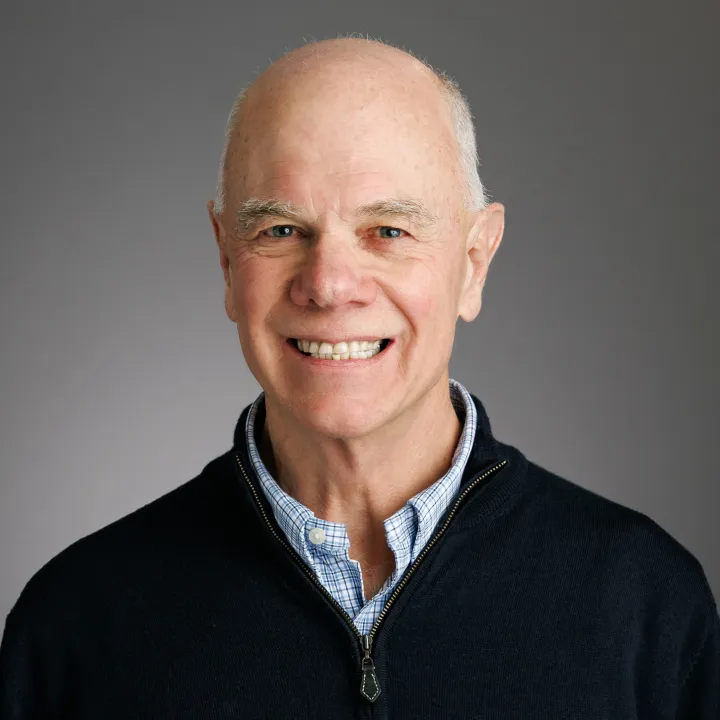
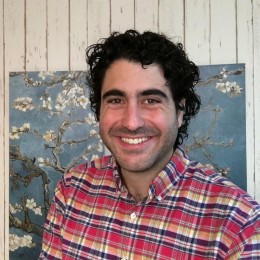
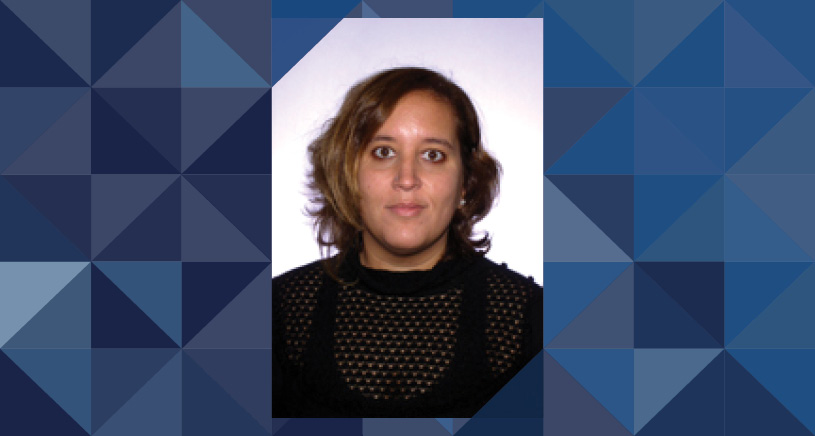
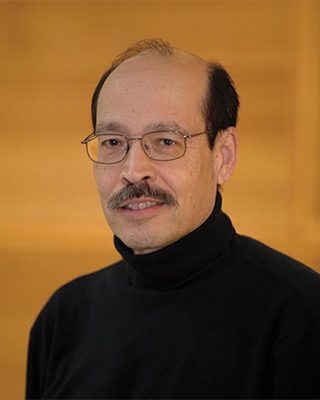
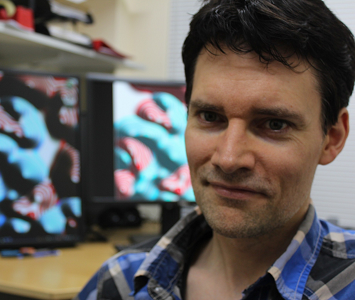
James S. Duncan is the Ebenezer K. Hunt Professor of Biomedical Engineering at Yale University, with additional appointments in Electrical & Computer Engineering and Radiology & Biomedical Imaging. His research focuses on biomedical image processing, quantitative image analysis using geometrical models, and applications in cardiac function and neuro-structure analysis. He has pioneered image-guided interventions and developed computational frameworks for medical imaging challenges. He holds a Ph.D. from the University of Southern California. His work integrates AI, deep learning, and statistical decision-making to advance medical imaging technologies. Notable contributions include advancements in 3D image segmentation, deformable models, and MRI-based tumor response assessment. Dr. Duncan has received prestigious awards, including IEEE Fellow (2001) and induction into the American Institute for Medical and Biological Engineering (2000). His recent research spans AI-driven hemodynamics modeling, trustworthy healthcare AI guidelines, and molecular MRI innovations in immunotherapy monitoring. He collaborates across disciplines to address challenges in cardiovascular, neuroimaging, and oncological applications.
Tom Mitchell is the Fredkin Professor of AI and Learning and Director of the Center for Automated Learning and Discovery (CALD) at Carnegie Mellon University's School of Computer Science. His research focuses on machine learning, computational neuroscience, and their applications in neuroimaging and natural language processing. He is renowned for pioneering work in developing algorithms to decode brain activity and for contributions to foundational machine learning theory, including co-training and explanation-based learning. Mitchell authored the seminal textbook *Machine Learning* (McGraw Hill, 1997) and has led projects like Never-Ending Learning (NELL), an AI system that autonomously learns from web content. His work bridges computer science and cognitive science, exploring how machines can learn from data and human interaction. Notable research interests include brain-computer interfaces, automated knowledge extraction, and ethical AI. Mitchell's publications span influential journals like *Science* and *Nature*, and he has been recognized for advancing interdisciplinary research in AI and neuroscience. He has advised numerous students and contributed to initiatives like the AAAI Presidential Address on AI and brain sciences. Mitchell's current projects include studying the neural basis of language and developing AI tools for education and healthcare.
Sveta Zinger is a Full Professor in context-informed dynamic image analysis for clinical decision support at Eindhoven University of Technology (TU/e). She holds affiliations with the Biomedical Diagnostics Lab, NeuroPlatform, and EAISI Health. Her research focuses on medical image/video analysis, temporal data analysis, and machine learning for clinical applications. She has led projects funded by ZonMw, NWO, Philips, and others. She is also Co-Editor-in-Chief of Computer Methods and Programs in Biomedicine and serves on the Vidi committee for NWO. Education: MSc (2000) from Dnepropetrovsk State University; PhD (2004) from École Nationale Supérieure des Télécommunications, France. Postdoctoral roles at the French Atomic Agency and University of Groningen. Research Projects: Includes FORSEE (video monitoring for adverse events in healthcare) and NEUROTREND (fMRI biomarkers for depression). Awards: Second place in the CAMELYON17 challenge for metastases detection. Her teaching includes courses on DSP fundamentals, medical image processing, and cognitive neuroscience. She collaborates with clinical and industrial partners to advance biomedical diagnostics and healthcare technology.
Dr. Burkhard Maess is a Research Professor and Group Leader at the Max Planck Institute for Human Cognitive and Brain Sciences, leading the Methods and Development Group Brain Networks. His research focuses on auditory and language processing, signal analysis, and dynamic modeling of neuronal networks. He holds a Diploma in Physics (University of Leipzig, 1987) and a PhD in Physics (University of Leipzig, 1990). His career includes postdoctoral positions at the Academy of Sciences of the GDR and the Free University of Berlin before joining the MPI in 1995. Since 2000, he has led research groups on MEG/EEG signal analysis and cortical network dynamics. His work integrates advanced neuroimaging techniques like MEG and EEG to study sensory processing, neural network dynamics, and the effects of aging on auditory attention. Key contributions include developing high-resolution BEM-FMM methods for source localization and analyzing cross-frequency coupling in neuroscience data. His group also explores spinal cord electrophysiology and the neural underpinnings of perceptual decision-making. Dr. Maess’ research spans cognitive neuroscience, biomedical engineering, and computational modeling, with a focus on bridging empirical findings with theoretical frameworks in neuroscience.
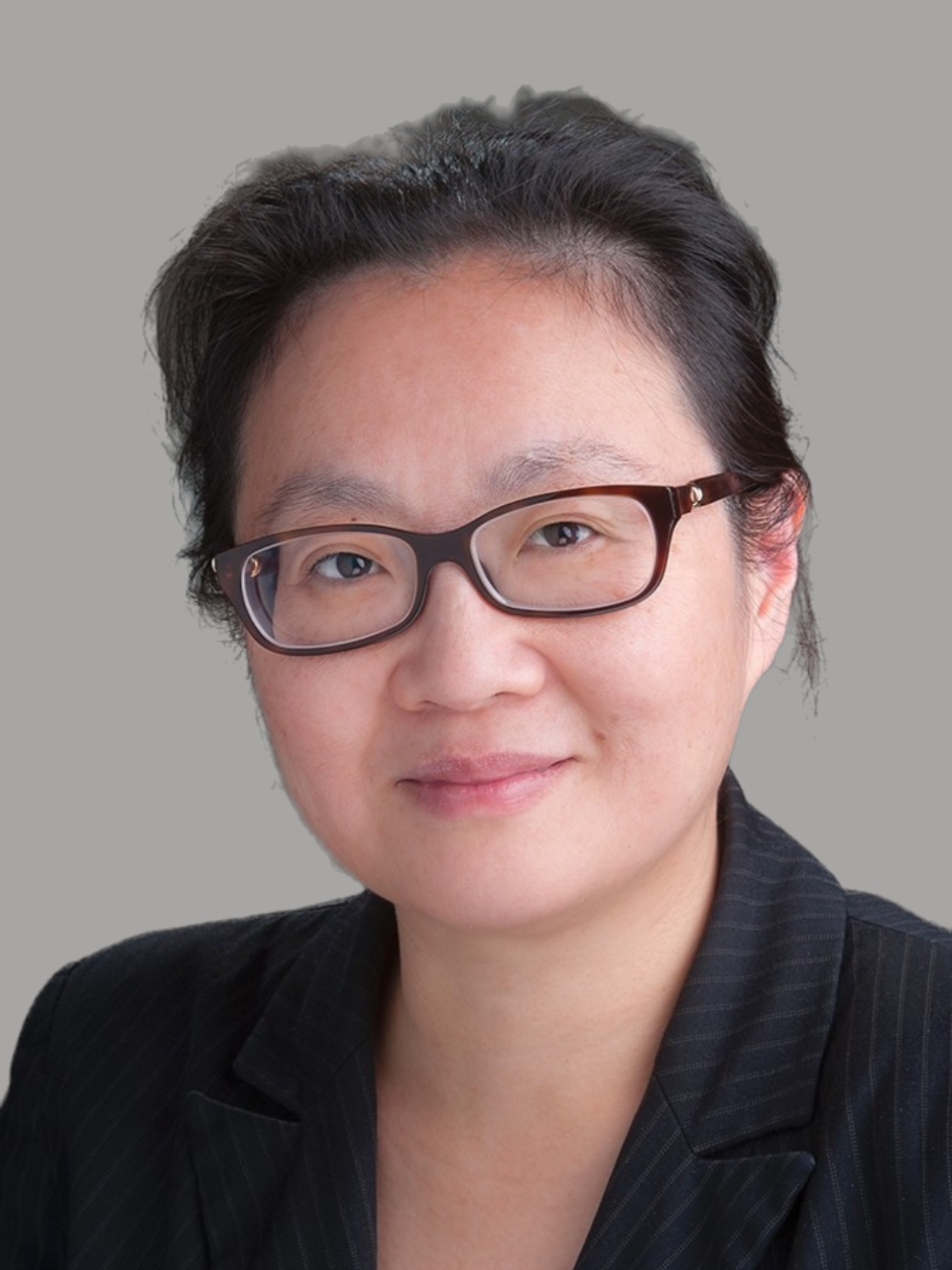
Dr. Jing Wang is a Professor in the Department of Bioinformatics at Southern Medical University's School of Medicine, with extensive research at the intersection of artificial intelligence and biomedical applications. Her work demonstrates strong cross-disciplinary collaboration across medical institutions, engineering departments, and computer science research groups. Her primary research interests include Artificial Intelligence in Healthcare , Biomedical Engineering , and Traditional Chinese Medicine Informatics , with recent publications showing particular expertise in medical imaging analysis, diagnostic assistance systems, and clinical decision support. Her work spans both theoretical algorithm development and practical clinical implementations. Analysis of her 15 most recent publications (2025-2026) reveals a strong trend toward clinically applicable AI systems, with approximately 60% of publications focused on medical diagnostics and treatment support systems. The remaining publications demonstrate expertise in industrial applications of computer vision and fundamental AI research. Her work shows consistent collaboration with both domestic Chinese institutions and international research groups. Notable scientific contributions include: Development of 'Tianyi', a traditional Chinese medicine language model for clinical practice Innovations in bionic soft robotics for rehabilitation assistance Novel approaches to medical image analysis for cancer diagnostics Her research program appears well-funded with consistent publication output across high-impact journals in biomedical engineering, AI, and medical informatics. Current work suggests strong emphasis on translating AI research into clinical practice, particularly in diagnostic support systems and rehabilitation technology.
Teresa Cheung is an Adjunct Professor in the Department of Engineering Science at Simon Fraser University’s Faculty of Applied Sciences. Her research focuses on neuroimaging techniques, particularly magnetoencephalography (MEG), and their applications to understanding brain networks in health and disease. She holds a Ph.D. in Physics from SFU (2012) and completed a postdoctoral fellowship at the University of Cambridge (2012–2013). Research interests include: MEG instrumentation and optically pumped magnetometers (OPM) Cortical-cerebellar networks and cerebellar activity localization Neuroimaging of neurological disorders like major depressive disorder and epilepsy Functional and structural connectome analysis across the human lifespan Multimodal integration of MEG, MRI, fMRI, and DTI data Recent work emphasizes the relationship between cardiovascular health, brain aging, and cognitive resilience. Her studies span clinical applications (e.g., depression biomarkers) and technical advancements in neuroimaging systems. Collaborations include multi-site studies on depression and aging cohorts like the Cam-CAN project. Publications highlight innovative methods in MEG system design, neural network dysfunction analysis, and lifespan brain dynamics. Her work bridges engineering, neuroscience, and clinical research to advance non-invasive brain imaging and neurophysiological understanding.
Dr. Radu Jianu is a Lecturer in the Department of Computer Science at City, University of London , where he has been a faculty member since 2016. He is affiliated with the giCentre , a leading research group in information visualization. He earned his PhD and MSc in Computer Science from Brown University, USA, and a Diploma in Engineering from the Polytechnic University of Timisoara, Romania. His academic career includes a previous role as Assistant Professor at Florida International University (2012–2016). His research focuses on Data Visualisation, Visual Analytics, and Human-Computer Interaction . He conducts interdisciplinary collaborations with domains such as biology, food policy, and energy decarbonisation, aiming to develop interactive visual tools that enhance data understanding and decision-making. His methodological approach includes user studies, eye-tracking, and the design of novel visualization techniques. Dr. Jianu teaches Programming in Java and Cognition and Technologies , and he coordinates the Programming Bootcamp. He also holds administrative responsibilities as the Progression and Support Director in the Computer Science Department and is a member of its Executive Committee (ExCo). His recent publications reflect a growing interest in LLM-assisted visual analytics, gaze-aware systems, and collaborative human-AI analytical frameworks . He has published in top venues such as IEEE TVCG, CHI, EuroVis, and Nature Immunology, with several best paper awards. His work on the RAMPVIS project highlights his contributions to visualization in public health emergencies. Scientific Awards: Best Paper Award, Symposium on Graph Drawing (2018) Best Short Paper Award, EuroVis (2020) Advising and Grants: Dr. Jianu supervises multiple PhD and MSc students, including Dany Laksono (Energy Decarbonisation) and Maeve Hutchinson (NLP-mediated Visualization). His students have co-authored high-impact, award-winning papers. He has been involved in funded research initiatives such as RAMPVIS, which received support from UKRI/EPSRC for developing visual analytics infrastructure during the COVID-19 pandemic. Labs and Teams: He is an active member of the giCentre at City, University of London, a hub for visualization research. He also collaborates with interdisciplinary teams in epidemiology, immunology, and computer science, contributing to large-scale projects like the Immunological Genome Project and RAMPVIS.
Dr. Gary Glover is a Professor of Radiology (Radiological Sciences Lab) at Stanford University , with courtesy appointments in Psychology and Electrical Engineering. His work focuses on the physics and mathematics of MRI, particularly rapid scanning methods using spiral k-space trajectories for functional brain imaging and multimodal neuroimaging (fMRI/EEG/fPET/fNIRS) combined with neuromodulation techniques like TMS and transcranial ultrasound. Academic Appointments: Radiology, Psychology, Electrical Engineering Professional Affiliations: Bio-X, Stanford Cancer Institute, Wu Tsai Neurosciences Institute Research Interests include: Development of blood oxygen level-dependent (BOLD) and viscoelastic contrast in MRI Functional MR Elastography for brain activation mapping Optimization of MR-ARFI for transcranial ultrasound guidance Automated spinal cord segmentation (EPISeg) using machine learning Scientific Awards : National Academy of Engineering (2013) Gold Medal, ISMRM (2000) Steinmetz Award, General Electric (1985) Lauterbur Lecture, ISMRM (2018) Recent Publications analyze: Fast fMRI sampling and spurious signal correction Dissociated patterns in default mode network anti-correlations Neural correlates of collaborative behavior in triadic fMRI Salience network contributions to depression pathophysiology
Brad Sutton is a Professor of Bioengineering at the University of Illinois Urbana-Champaign and Technical Director of the Biomedical Imaging Center at Beckman Institute. He holds affiliate roles in the Neuroscience Program, Department of Electrical and Computer Engineering, and is a Health Innovation Professor at the Carle Illinois College of Medicine. His roles also include fellowship positions with the National Center for Supercomputing Applications and the CZ Biohub Chicago. Education: Ph.D. in Biomedical Engineering from the University of Michigan (2003). Research Interests: Focus on advanced MRI techniques for structural and functional brain imaging, including diffusion-weighted imaging, dynamic imaging, and neuromuscular coupling studies. His work emphasizes multi-scale bioimaging to understand brain function across interventions, aging, and disease. Publications: Over 180 peer-reviewed articles in 2025-2024 highlight innovations in MRI technology and applications in neuroscience, including breakthroughs in laminar fMRI specificity, myelin development modeling, and Alzheimer’s biomarker studies. Recent work extends to clinical applications like aortic imaging automation and mixed reality training tools. Awards: AIMBE and ISMRM Fellowships (2017/2024), Abel Bliss Scholar (2014-), and over 9 patents in imaging techniques. Labs & Teams: Leads the Magnetic Resonance Functional Imaging Lab. Collaborates with interdisciplinary teams across engineering, medicine, and computational science to advance imaging technologies and their clinical translation.
Gagan Wig is an Associate Professor at the University of Texas at Dallas, School of Behavioral and Brain Sciences, with adjunct appointments in Psychiatry at UT Southwestern Medical Center. He directs the Wig Neuroimaging Lab, focusing on brain network connectivity across lifespan, healthy/pathological aging, and brain health disparities. His research employs structural/functional MRI, DTI, and TMS to study large-scale brain networks and their relationship to memory and attention. Professional preparation includes: Post-doctoral Associate in Neurology, Washington University School of Medicine (2012) Post-doctoral Associate in Psychology, Harvard University (2009) Ph.D. in Cognitive Neuroscience, Dartmouth College (2006) B.S. in Behavioral Neuroscience, University of British Columbia (2001) Research explores how brain networks change during aging and how socioeconomic status moderates these changes. His work reveals that education protects against brain network decline and that participant diversity is crucial for advancing brain aging research. Publications focus on neuroimaging of lifespan changes, Alzheimer's biomarkers, socioeconomic impacts on brain health, and methodological innovations in network analysis. Recent work demonstrates how functional network organization supports cognition despite Alzheimer's pathology and how data quantity affects network segregation measures. Awards include the Understanding Human Cognition Scholar Award from James S. McDonnell Foundation (2006). He has received significant funding including a $2.9M NIH grant studying socioeconomic links to Alzheimer's susceptibility and DARPA support for novel data sonification approaches.
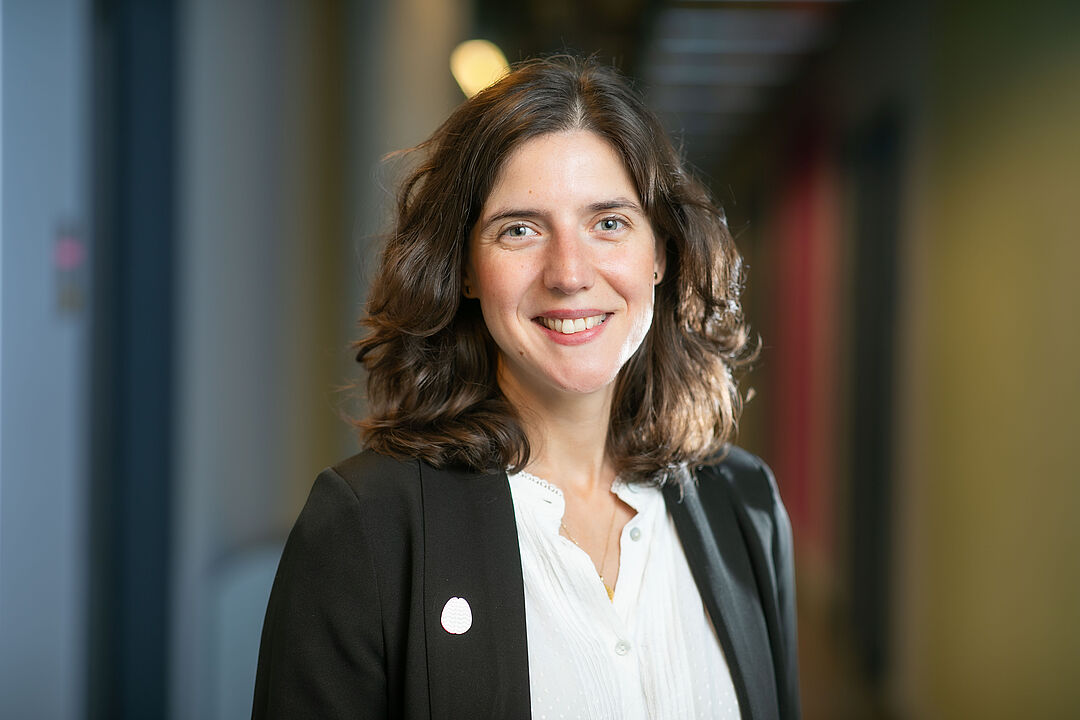
Fatma Deniz is a Full Professor (W3) of Computer Science at Technische Universität Berlin, supported by the Berlin Equal Opportunities Program. She leads the Chair of Language and Communication in Biological and Artificial Systems, and is a member of the Berlin Bernstein Center for Computational Neuroscience. Her roles include membership in TU Berlin's Executive Board and the Berlin University Alliance Steering Committee. She holds a Ph.D. (Dr. rer. nat.) from TU Berlin and a Diploma in Computer Science from Technische Universität München, with research training at Caltech and postdoctoral work at UC Berkeley. Her research focuses on understanding neural mechanisms of language processing, integrating computational neuroscience, cognitive science, and artificial intelligence. Key areas include semantic representation dynamics, cross-modal neural alignment, and language learning in bilingual contexts. She has pioneered studies showing the brain's invariant semantic processing across reading and listening modalities. Her grants include an ERC Starting Grant (2023-2028) for studying language learning shifts and a NSF-BMBF CRCNS grant on bilingual representations. She co-edited The Practice of Reproducible Research: Case Studies in Data Science (UC Press, 2017) and contributed to foundational work on reproducible data science methodologies. She has advised projects in neuroimaging, AI ethics, and computational linguistics, and collaborates with institutions like UCSF and the German Academic Exchange Service. Her lab explores neural correlates of language through fMRI, MEG, and machine learning techniques.
Christopher A. Baldassano is an Associate Professor in the Department of Psychology at Columbia University, maintaining offices in Schermerhorn Hall (370 for office, 312 for lab). Contact is available via email c.baldassano@columbia.edu or phone +1 212 854 1902 by appointment. Education Ph.D., Stanford University, 2015 Research Focus Dr. Baldassano leads the Dynamic Perception and Memory Lab investigating how humans process and recall complex real-world experiences through event segmentation, temporal/spatial structure modeling, and neural representation formation. His work integrates cognitive neuroscience with machine learning approaches to analyze fMRI data during narrative, movie, and virtual reality experiments. Key research themes include event cognition dynamics, memory summarization mechanisms, and how prior knowledge shapes mental representations of everyday experiences. Scientific Awards No awards or fellowships were documented in the provided materials. Advising and Grants While specific student advisees and grant details weren't listed, his lab structure implies active mentorship of graduate researchers in cognitive neuroscience methodologies. Funding likely supports fMRI experimentation and computational modeling infrastructure. Laboratory Operations The Dynamic Perception and Memory Lab employs functional MRI combined with data-driven machine learning techniques to model neural representation variations across stimuli and individuals. Current projects examine event boundaries in continuous experiences using ecologically valid paradigms like movies and virtual environments, with emphasis on how temporal/spatial world structures influence cognitive processing.
Veronica J. Berrocal is an Associate Professor in the Department of Biostatistics at the University of Michigan School of Public Health. Her work focuses on developing statistical methods for spatial, spatio-temporal, and longitudinal data with applications in environmental health, atmospheric sciences, and medical fields including rheumatology and reproductive endocrinology, contributing to public health protection through research and EPA advisory roles. Her educational background includes: PhD in Statistics from the University of Washington (2007) MSc in Statistics from Michigan State University (2002) Dr. Berrocal specializes in creating statistical models for dependent data structures, particularly spatial and spatio-temporal frameworks. Her research addresses environmental determinants of health such as air pollution, weather patterns, built environment, and socio-economic factors, with direct applications in atmospheric sciences, environmental epidemiology, and medical domains like rheumatology and reproductive health. She develops hierarchical models for environmental risk prediction, calibrates geophysical models, and leverages complex data sources including social media for exposure assessment. Her recent publications (2016-2019) demonstrate consistent methodological innovation in spatial statistics applied to critical public health challenges. Key themes include nonstationary spatial prediction for environmental resources, distributed lag modeling of pollutant interactions, and advanced spatio-temporal frameworks for fMRI and urban pollution mapping. Her work bridges statistical theory with practical health impact assessments across atmospheric science, environmental epidemiology, and medical imaging domains.
Steve Tanimoto is a Professor at the Paul G. Allen School of Computer Science & Engineering at the University of Washington, with an adjunct appointment in the Department of Electrical & Computer Engineering. His work focuses on human-centered computing, particularly in educational technology and collaborative problem-solving environments. He has made significant contributions to the understanding of liveness in programming environments and their application to education, including a keynote at the International Conference on Live Coding (2015) that traced historical influences leading to widespread use of liveness in modern software environments. Dr. Tanimoto's research spans several interconnected domains: Novice programming environments and educational technology Collaborative problem-solving environments and tools Technology for educational assessment, particularly using pattern-recognition methods for teaching written language on tablets Liveness in programming environments and its applications Image processing from interdisciplinary perspectives (as detailed in his MIT Press book "An Interdisciplinary Introduction to Image Processing: Pixels, Numbers, and Programs") His recent publications demonstrate a consistent focus on the intersection of computing education, human-computer interaction, and collaborative problem-solving. A notable trend is the exploration of "liveness" in programming environments and how this concept can enhance educational experiences. His work increasingly integrates AI technologies with educational applications, particularly in the areas of writing instruction and collaborative problem-solving, with significant NIH funding support (P50 HD071764 and U54 HD083091). His notable recognition includes: VL/HCC Best Showpiece Award in 2015 for "Solving Problems by Drawing Solution Paths" Dr. Tanimoto has advised several graduate students through to completion, including Robert Thompson (2019), Sandra Fan (2013), and Tyler Robison (2012). He currently advises Emilia Gan (co-advised with B. Mako Hill) and Edward Misback. His research has been supported by NIH grants for work on computerized writing and reading instruction for students with learning disabilities. His CoSolve research group has developed experimental facilities for collaborative problem-solving, exploring tools that support problem formulation, visualization of problem spaces, and team collaboration dynamics, with applications in education, design, and various problem-solving domains.
Nikolaus Kriegeskorte is a Professor of Psychology and Neuroscience, and Director of Cognitive Imaging at the Mortimer B. Zuckerman Mind Brain Behavior Institute at Columbia University. He is affiliated with the Departments of Psychology, Neuroscience, and Electrical Engineering. Institution: Columbia University Academic Roles: Professor of Psychology and Neuroscience; Director of Cognitive Imaging Email: nk2765@columbia.edu Location: Jerome L. Greene Science Center, 3227 Broadway, L3-064 Research Focus: The lab explores the cognitive neuroscience of vision, modeling biological visual systems with artificial neural networks. Key areas include developing statistical inference and visualization techniques to bridge theory and experimental data, understanding representational geometry in neural systems, and optimizing deep learning frameworks for neuroscience. Recent Publications: Highlighted work spans neural network modeling of visual perception, representational similarity analysis, and the topology of brain representations. The lab's methods, such as the TorchLens Python package, enable transparent extraction and visualization of hidden layer activations in neural networks. Grants: Projects are supported by funding from the National Science Foundation (NSF) - Cognitive Neuroscience and the National Institutes of Health (NIH) - NIMH. Laboratory: The Visual Inference Lab (kriegeskortelab.zuckermaninstitute.columbia.edu) is located at Quad 3D, Zuckerman Institute, 3227 Broadway.