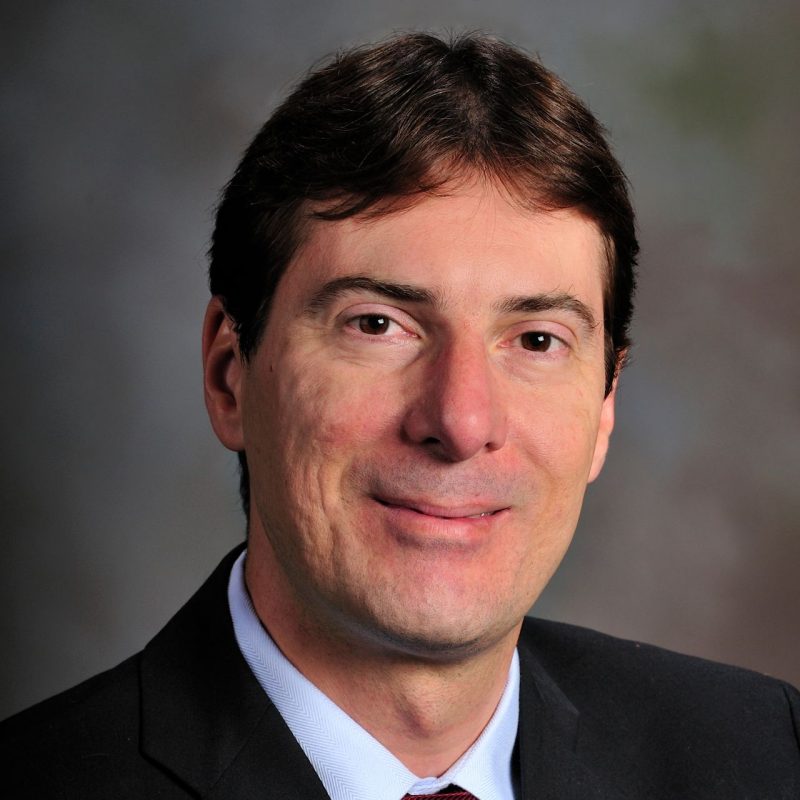
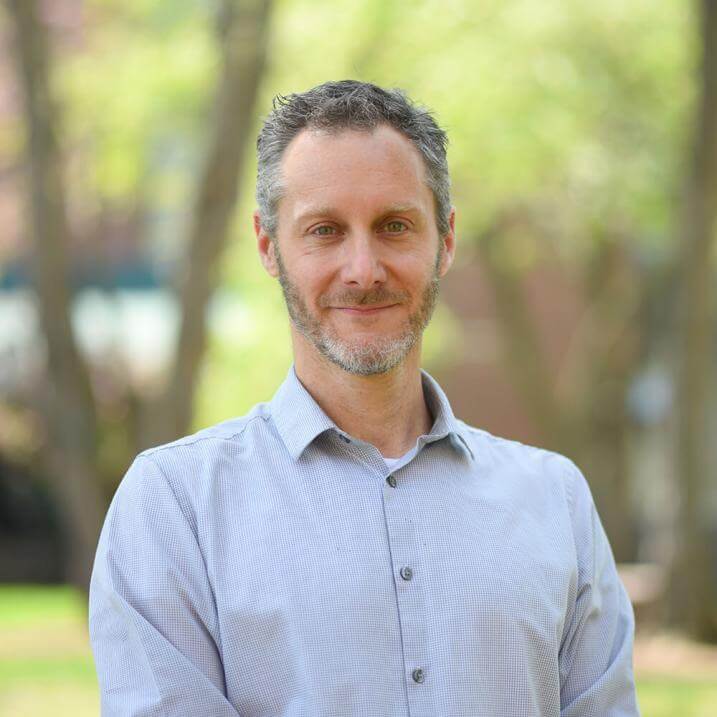
Anastasiia Enne is a researcher at the Faculty of Biology , Department of Theoretical Biology , at the University of Bielefeld . She is affiliated with the Collaborative Research Centre (SFB)/Transregio 212 project NC³, specifically subproject D03. Her research intersects Theoretical Biology with Behavioral Ecology , Evolutionary Biology , and Niche Construction , focusing on individualization across ecological and evolutionary processes. Anastasiia Enne can be contacted via email at anastasiia.enne@uni-bielefeld.de or by phone at +49 521 106-4832. Her office is located in room UHG W4-110 .
Prof. Verena Hafner is a Professor at the Institute of Computer Science within the Faculty of Mathematics and Natural Sciences at Humboldt University of Berlin. She leads the Adaptive Systems group, focusing on interdisciplinary research at the intersection of robotics, AI, and cognitive science. Her work emphasizes human-robot interaction, adaptive learning mechanisms, and embodied cognition. Her research explores: Design and impact of socially interactive robots in educational and cognitive contexts Trust dynamics and transparency in human-robot relationships Development of bio-inspired AI models and sensorimotor learning systems Philosophical and ethical dimensions of artificial consciousness and agency Analysis of her recent publications (2023-2025) reveals strong emphasis on educational robotics, cognitive modeling, and humanoid robot design. Key trends include multimodal learning architectures, trust calibration in HRI, and biologically-inspired AI frameworks. Her work consistently bridges theoretical AI with applied human-centered experimentation. She supervises graduate students including Michael Piechotta (doctoral candidate) and leads the Adaptive Systems laboratory investigating lifelong learning in artificial agents.
Betül Boz is an Assistant Professor at the Department of Computer Hardware, Faculty of Engineering, Marmara University. She holds a B.Sc. and M.Sc. in Computer Engineering from Marmara University, and a Ph.D. in Computer Engineering from Boğaziçi University. Her research focuses on computer architecture, optimization, and evolutionary computing. B.Sc., M.Sc., and Ph.D. in Computer Engineering Her research interests include computer architecture, parallel algorithms, optimization techniques, and evolutionary algorithms applied to graph coloring and scheduling. Recent work explores cloud computing scheduling, register allocation, and bioinformatics applications like circRNA-disease prediction. She has published extensively in these areas, utilizing evolutionary computing and machine learning. Key trends in her publications include evolutionary algorithms for graph coloring (2015–2025), register allocation (2004–2024), and cloud computing optimization (2023). She also investigates biomedical applications such as circRNA-disease association prediction. She has advised one thesis, managed one project, and her work aligns with UN Sustainable Development Goals. Her research outputs include 14 WoS-indexed publications, 11 WoS citations, and an h-index of 25 on WoS.
Dr. Kiril Kuzmin is a Lecturer in the Department of Computer Science at Georgia State University, where he teaches Data Structures, Algorithms, Data Science, and Machine Learning. He holds a Ph.D. in Computer Science (2024) with a concentration in Bioinformatics from Georgia State University and a Ph.D. in Mathematics (2009) from the National Academy of Sciences of Belarus. His academic journey includes roles as Assistant and Associate Professor at Belarusian State University and a postdoctoral fellowship at the University of Turku, Finland. Dr. Kuzmin’s research focuses on Bioinformatics, Machine Learning, Discrete Optimization, and Graph Theory. He has published over 50 papers, with notable contributions in stability analysis of combinatorial optimization problems and applications of machine learning in genomics. His work includes predicting host specificity of coronaviruses and developing algorithms for heterogeneous genomic population analysis. Dr. Kuzmin has received the Scopus Award in Mathematics (2013) and served as PI/co-PI on three international projects. His teaching spans Java programming, Data Structures, and advanced mathematical courses like Calculus and Algebra. He is affiliated with Georgia State’s bioinformatics research group and has actively contributed to academic and political advocacy in Belarus.
Marco A.R. Ferreira is an Associate Professor in the Department of Statistics at Virginia Polytechnic Institute and State University (Virginia Tech), affiliated with the College of Science. He holds a Ph.D. in Statistics from Duke University (2002), with a dissertation on Bayesian multi-scale modeling under M. West. He also earned an M.Sc. (1994) and B.Sc. (1993) in Statistics from the Federal University of Rio de Janeiro. Research Interests: Ferreira specializes in Bayesian statistics, multi-scale modeling, spatial-temporal models, computational methods (e.g., MCMC), and applications in environmental science, genomics, and epidemiology. His work emphasizes hierarchical models, inverse problems, and high-dimensional data analysis. Publications Trends: His research spans advanced statistical methodologies for environmental monitoring, civil unrest modeling, and genomic data analysis. Key themes include Bayesian hierarchical models, spatiotemporal fusion, and computational algorithms for optimal experimental design. Awards & Honors: OBAYES Poster Prize (2009) CNPq Fellowship (2003–2006) WNAR/COBAL 2 Award (2005) Springer Poster Prize (2003) Finalist, Savage Award (2003) Best Contributed Paper (JSM 2000) Professional Activities: He serves as an Associate Editor for Bayesian Analysis and is a member of the American Statistical Association and the International Society for Bayesian Analysis.
Dr. Kirill Zaychik is a Research Professor in the Department of Mechanical Engineering at Binghamton University (SUNY). He holds an M.S. in Aerospace Engineering from the Moscow Institute of Physics and Technology (2001) and a Ph.D. in Mechanical Engineering from Binghamton University (2009). His career includes industry experience at Bombardier Aerospace (Montreal, Canada) focusing on Fly-by-Wire Control Systems before joining academia in 2012. Education: M.S., Aerospace Engineering, Moscow Institute of Physics and Technology (2001) Ph.D., Mechanical Engineering, Binghamton University (2009) His research interests span human perceptual systems, man-machine interaction, control systems design, and machine learning applications. Key areas include flight/vehicle simulation, human-in-the-loop modeling, and parameter estimation using numerical methods. He has contributed to projects for NASA and the U.S. Airforce, authoring 19 technical papers. Dr. Zaychik’s publications (2003–2023) focus on advancing control systems, human operator modeling, and simulation technologies. Recent work explores real-time pilot identification via biometrics and adaptive control algorithms. Earlier studies addressed turbulence simulation, vection phenomena, and simulator sickness mitigation. While no scientific awards are mentioned, his research demonstrates significant industry-academic collaboration. He has advised no listed students but contributes to curricula like ME 212 (Mechanical Engineering Programming). No affiliated labs/teams are explicitly noted, though his work aligns with aerospace and mechanical engineering systems research at Binghamton’s Watson School.
Tobias Erb is a Professor at the University of Marburg and Director of the Department of Biochemistry and Synthetic Metabolism at the Max Planck Institute for Terrestrial Microbiology in Marburg. He received an ERC Advanced Grant (2024) for his project 'pro2neo-RUBISCO', aiming to enhance photosynthetic efficiency through synthetic biology. His research focuses on CO2 fixation, metabolic engineering, and enzyme design to address climate and agricultural challenges. He earned his PhD in microbiology from the University of Freiburg (2009) and held research positions in the US and Switzerland before becoming a Max Planck Director (2017) and University of Marburg professor (2018). His honors include the Leibniz Prize (2024), Otto Bayer Prize (2019), and EMBO membership (2022). Research interests span synthetic carbon assimilation pathways, Rubisco enzyme evolution, and sustainable biotechnology. He leads teams developing new-to-nature metabolic cycles (e.g., the C3/C4 shuttle) and engineered organisms for CO2 conversion. His work bridges foundational biology and applied biotechnology, with implications for bioeconomy and climate mitigation. Key achievements include the THETA cycle (2023), which outperforms natural CO2 fixation, and functional screening of uncultured microbes for novel CO2-reducing enzymes. Collaborations include cell-free systems for pathway testing and machine learning-driven enzyme optimization.
Srikanth Rangarajan is an Assistant Professor at Binghamton University's School of Systems Science and Industrial Engineering. He holds a PhD and MS from the Indian Institute of Technology Madras (2017) and a BE from Anna University Chennai (2011). His research focuses on energy storage systems, thermal management of electronics, battery optimization, and digital twinning. He previously served as an Associate Research Professor in Mechanical Engineering at Binghamton under Bahgat Sammakia. Rangarajan authored the book Phase Change Material Heat Sinks: A multi-objective Perspective and holds a patent for a rotatable heat sink design. His teaching includes optimization techniques, thermal modeling, and neural networks. Recent work explores virus spread modeling via genetic algorithms, with a preprint under review in Journal of Healthcare Informatics . He has received multiple awards including an Institute Post-Doctoral Fellowship and Research Assistantships from the Indian government. His research bridges thermal engineering with advanced manufacturing and sustainability, addressing challenges in high-power electronics and data center cooling. Education: BE in Mechanical Engineering, Anna University (2011) MS in Thermal Engineering, IIT Madras (2017) PhD in Heat Transfer, IIT Madras (2017) Research Interests: Digital twin systems for battery optimization Thermal energy storage design Advanced electronics packaging Data center cooling innovations Phase change material composites His recent articles highlight cooling solutions for high-density electronics, battery recycling challenges, and predictive models for epidemiological patterns using computational methods. Ongoing work includes embedded cooling technologies for heterogeneous integrated circuits and sustainable thermal management strategies. Awards: Patent: Rotatable Heat Sink (Government of India) Institute Post-Doctoral Fellowship (IIT Madras, 2017) Research Associate, Divecha Centre (IISc, 2017) Half-Time Research Assistantship (MHRD, 2012-2013) Advising & Grants: While no formal advisees are listed, his prior roles indicate involvement in mentorship. His research has been supported by institutional grants including those from the Indian Ministry of Human Resource Development. Labs/Teams: Active in Binghamton's Systems Science and Industrial Engineering lab, collaborating on thermal management and additive manufacturing projects.
Tao Wu is an Assistant Professor in the Department of Molecular and Human Genetics at Baylor College of Medicine in Houston, TX. His research focuses on deciphering epigenetic mechanisms underlying cancer therapeutic resistance, particularly exploring DNA modifications like N6-methyladenine (6mA) and their roles in glioblastoma and other cancers. He employs advanced genomic technologies such as SMRT-ChIP and single-cell sequencing to study epigenetic regulators and their functional implications. Dr. Wu received his PhD from the University of Chinese Academy of Sciences (2008) and completed postdoctoral training at the Yale Stem Cell Center. His work integrates systems biology, genomics, and biochemistry to identify novel epigenetic drug targets. Key discoveries include identifying ALKBH1 as a 6mA demethylase and revealing 6mA’s role in hypoxia response pathways linked to drug resistance in glioblastoma. His research interests emphasize understanding dynamic epigenetic regulation in cancer, with projects focused on: Elucidating driver epigenetic mutations in cancer progression Developing therapies to overcome treatment resistance via epigenetic modulation Characterizing novel DNA modifications (e.g., 6mA) and their regulatory mechanisms Recent work highlights the lab’s focus on single-molecule sequencing and CRISPR-based screening to uncover epigenetic pathways in cancer models. Funding support includes grants from the Cancer Prevention Research Institute of Texas (CPRIT).
Prof Alice Eldridge is Professor of Sonic Systems (Music) at the University of Sussex, School of Media, Arts and Humanities. She holds leadership roles including Director of the Sussex Humanities Lab and Co-director roles in interdisciplinary research centers. Her academic journey includes a BSc Psychology (University of Leeds), MSc Evolutionary and Adaptive Systems, and PhD in Computer Science and AI (University of Sussex). Research focuses on ecoacoustics, soundscapes, and music-technology intersections with ecology. Key areas include acoustic complexity analysis, participatory conservation projects (e.g., WILDSENS projects), and feedback musicianship. Fieldwork spans tropical, temperate, and Arctic regions including Indonesia, Ecuador, and Swedish Lapland. Collaborates with indigenous communities and organizations like Peck Labs and Emute Lab. Music performance includes free jazz, chamber compositions, and pop bassistry with groups like Collectress and Feedback Cell. Grants include AHRC/NERC/EU funding for projects like WILDSENS Arctic mapping and environmental wellbeing studies. Over 70 publications span ecoacoustic methodologies, digital humanities, and sound-based conservation. Labs affiliated with: Sussex Humanities Lab, Peck Labs (ecology), Emute Lab (music tech). Teaching includes BA Music Technology and MA Sonic Media programs.
Josh Bongard is a Professor in the Department of Computer Science at the University of Vermont, within the College of Engineering and Mathematical Sciences. He holds the Cyril G. Veinott Green and Gold Professorship and directs the Morphology, Evolution & Cognition Laboratory. He earned his Ph.D. from the University of Zurich. Affiliations: University of Vermont, Department of Computer Science, College of Engineering and Mathematical Sciences. Education: Ph.D. in Computer Science from the University of Zurich. His research focuses on evolutionary robotics, embodied intelligence, and synthetic biology. Key projects include developing soft robots, Xenobots (biological machines), and exploring how morphology influences cognition. His work bridges robotics, biology, and artificial intelligence, emphasizing adaptability and resilience. Recent articles highlight advancements in shape-changing robots, self-replicating organisms, and the ethical implications of machine behavior. He has pioneered methods for co-optimizing robot morphology and control systems, enabling more efficient and adaptive designs. Awards: Presidential Early Career Award for Scientists and Engineers (PECASE, 2010) Microsoft Research New Faculty Fellowship (2007) MIT Technology Review's Top 35 Innovators Under 35 (2007) Cozzarelli Prize He advises graduate students in robotics and teaches courses like Evolutionary Robotics and Human-Computer Interaction. His lab collaborates with NASA, NSF, and DARPA, advancing robotics through biologically inspired approaches. Future work includes developing systems that integrate biological and computational principles for novel applications. His book How the Body Shapes the Way We Think explores embodied cognition, and he directs outreach programs like Twitch Plays Robotics to engage the public in robotics innovation.
William L. Kath is the Margaret B. Fuller Boos Professor of Engineering Sciences and Applied Mathematics at Northwestern University's McCormick School of Engineering. He holds affiliations as Deputy Director of the National Institute for Theory and Mathematics in Biology, courtesy faculty in Neurobiology, and member of the Northwestern Institute on Complex Systems. His research bridges quantitative biology, neuroscience, and optics, focusing on dynamical models of biological systems and high-speed optical communication systems. Key projects include the EMBEDR algorithm for single-cell omics analysis and computational models of temperature sensing in Drosophila. Research interests emphasize quantitative and computational biology, particularly circadian rhythms, neuronal circuit modeling, and single-cell genomics. Collaborations include the Gallio lab (Drosophila thermosensation), Daniel Dombeck's lab (hippocampal neuron behavior), and Nelson Spruston's group (hippocampal microcircuits). His work on optics includes nonlinear pulse propagation and rare event analysis in fiber optics. Scientific awards include Fellowships from the Society for Industrial and Applied Mathematics and the Optical Society of America. He advises over 20 graduate students and has developed courses like ESAM 472 (RNA sequencing analysis) and ESAM 370 (Computational Neuroscience). Current students include Richard Suhendra and Nan Ding (jointly advised). Labs/teams: Leads the National Institute for Theory and Mathematics in Biology, co-leads the Gallio lab collaboration on thermosensory circuits, and maintains active projects in computational neuroscience and optics at Northwestern.
Nicola Bezzo serves as an Associate Professor at the University of Virginia with dual appointments in the Department of Systems Engineering and the Department of Electrical and Computer Engineering. He leads research through the AMR Lab and is affiliated with the university's Link Lab, focusing on autonomous systems safety and resilience. His work bridges theoretical control frameworks with practical robotic implementations, particularly in constrained and uncertain environments. Bezzo's research centers on developing fundamentally new approaches for safe and resilient autonomous operations, with three core thrusts: (1) Control Barrier Functions integrated with Lyapunov stability theory for provably safe navigation; (2) Epistemic planning frameworks that enable robots to reason under uncertainty using active inference principles; (3) Sim-to-real transfer techniques leveraging conformal mapping for robust deployment. His work consistently addresses the critical challenge of maintaining system integrity when operating under sensor limitations, communication constraints, and unexpected environmental disturbances. Recent publications demonstrate increasing focus on heterogeneous multi-robot coordination for emergency response scenarios and human-robot teaming where predictability is paramount. Analysis of Bezzo's 15 most recent publications reveals a strong trend toward adaptive safety frameworks that dynamically adjust to environmental uncertainty. Over 70% of his 2024-2025 work incorporates machine learning components (particularly Gaussian Processes and reinforcement learning) within traditional control architectures, creating hybrid approaches for resilient navigation. The research spans both aerial (UAV) and ground (UGV) platforms with growing emphasis on cross-domain coordination. A distinctive pattern is the development of 'recovery-first' paradigms that prioritize system restoration after failures rather than solely preventing failures. Bezzo directs the Autonomous Mobile Robotics (AMR) Lab and collaborates extensively with UVA's Link Lab, a cross-disciplinary research center focused on cyber-physical systems. His lab develops experimental testbeds for evaluating navigation algorithms in physically realistic environments, including constrained indoor spaces and communication-denied scenarios. Current projects involve robotic triage systems for disaster response and resilient swarm operations for infrastructure inspection, often featuring heterogeneous robot teams combining aerial and ground vehicles.
Andreas Olsson is Professor of Psychology at Karolinska Institutet's Department of Clinical Neuroscience, where he founded and directs the EmotionLab research group. His work examines neural and computational principles of social and affective learning. Research investigates: Social transmission of threat learning Neural mechanisms of empathy Prosocial decision-making under threat Cross-cultural pandemic responses Moral norm formation Funded by ERC, Swedish Research Council, and Wallenberg Foundations. Recent publications explore brain-to-brain threat mechanisms and national identity's role in health behaviors.
Prof. Tobin Sosnick is a Professor and Chair of the Department of Biochemistry and Molecular Biology at the University of Chicago, affiliated with the Pritzker School of Molecular Engineering and the Institute for Biophysical Dynamics. He holds a PhD in Applied Physics from Harvard University (1989) and a B.A. in Physics from UC San Diego. His research focuses on protein folding mechanisms, biophysical dynamics, and membrane protein behavior, employing advanced techniques like SAXS, HDX-MS, and molecular simulations. He leads the Graduate Program in Biophysical Sciences and has pioneered studies on disordered proteins and allosteric regulation. Notable contributions include elucidating the '70% Rule' for folding transition states and developing optogenetic tools for actin imaging. Recognized as a 2024 AAAS Fellow and contributor to the 2023 Lasker Award-winning AlphaFold project, his work bridges physics, chemistry, and biology. Affiliations: Chair, Department of Biochemistry and Molecular Biology; Senior Fellow, Computation Institute; Founding Member, Institute for Biophysical Dynamics. Collaborations span structural biology, computational biophysics, and cellular engineering. Research Highlights: Protein Folding Dynamics: Transition state topology, cooperativity, and downhill folding. Disordered Proteins: Conformational ensembles, solvent effects, and phase separation. Molecular Tools: Optogenetic systems (e.g., LILAC) and HDX-MS for membrane protein analysis. Grants & Awards: 2024 AAAS Fellow, 2023 Lasker Award contributor, multiple NIH grants for protein dynamics research. His lab has produced over 200 peer-reviewed publications. Labs & Teams: The Sosnick Group integrates experimental and computational approaches, with ongoing projects on riboswitches, stress granule formation, and prestin electromotility mechanisms in hearing.