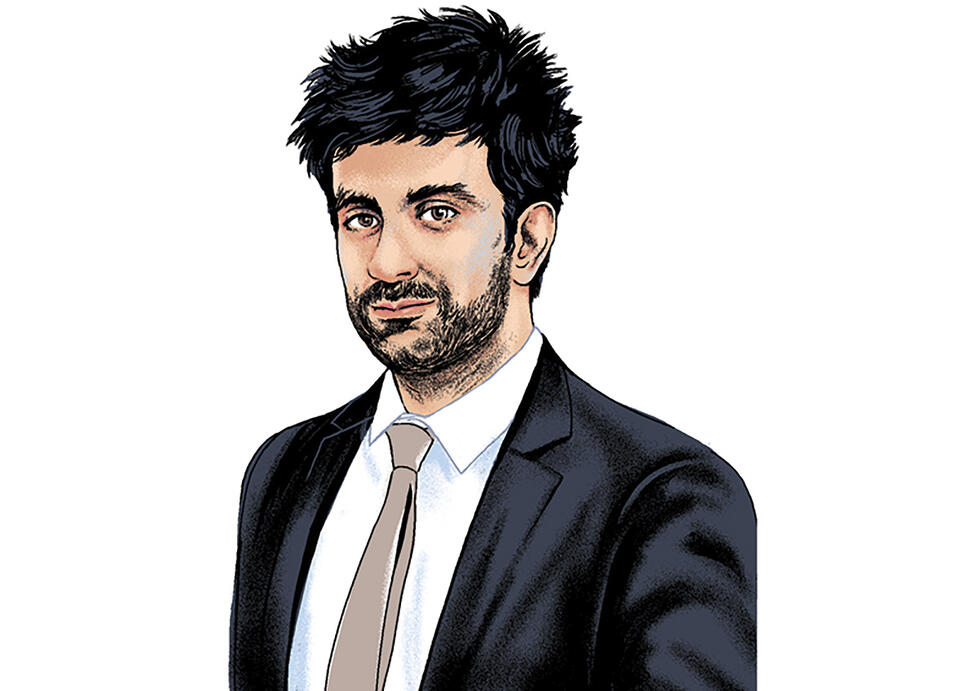
Amir Ali Ahmadi is a Professor at Princeton University's Department of Operations Research and Financial Engineering (ORFE), with affiliations across multiple disciplines including PACM, Computer Science, Mechanical & Aerospace Engineering, Electrical Engineering, and the Center for Statistics and Machine Learning. He serves as Director of Princeton's Optimization and Quantitative Decision Science Certificate Program and has taken temporary roles at Citadel GQS (2021-2022) and Google Brain (2020-2021). His research bridges optimization theory , dynamical systems , and control theory , focusing on scalable algorithms for complex problems in robotics, autonomous systems, and machine learning. He has pioneered DSOS/SDSOS relaxations as alternatives to traditional sum-of-squares methods, enabling faster solutions through linear/second-order cone programming. Recent publications explore: Higher-order Newton methods for socially responsible investment Data-efficient learning of dynamical systems Computational complexity of local minima Robust-to-dynamics optimization frameworks Award highlights include: 2024 Egon Balas Prize in Optimization 2024 Princeton Engineering Council Teaching Award 2023 Distinguished Teaching Award (Princeton SEAS) 2019 NSF CAREER Award 2017 DARPA Young Faculty Award 2017 Sloan Fellowship in Computer Science He advises prominent researchers like Georgina Hall (Tucker Prize finalist) and Bachir El Khadir (Goldstine Fellow), and leads the Princeton Optimization Seminar and MURI project on Control-Oriented Learning on the Fly.
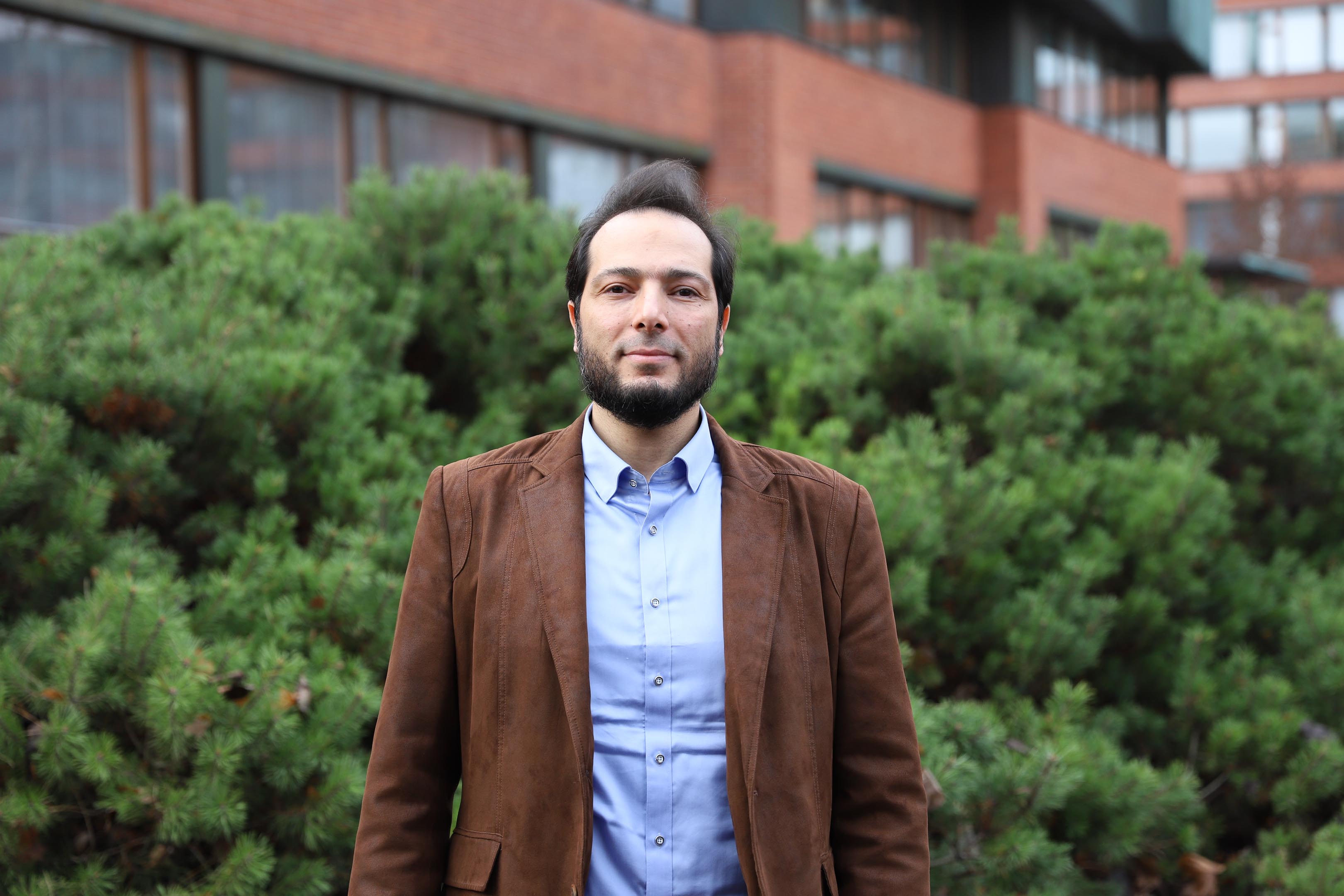
Mohamed Noureldin is an Assistant Professor at the Department of Civil Engineering, Aalto University , Finland, with prior academic roles at Sungkyunkwan University, South Korea (2015–2022). His expertise lies in integrating Artificial Intelligence (AI) with Structural Health Monitoring (SHM) , Structural Digital Twin , Predictive Maintenance , and Seismic Retrofitting . Research Focus : AI-powered sustainable structural design, smart retrofitting, predictive maintenance, structural material innovation, and next-generation performance-based seismic/wind design. Industrial Experience : 20+ years in offshore/onshore structural engineering (Hyundai Heavy Industries, Samsung Engineering, Arab-Swiss Engineering Company, Zuhair Fayez Partnership). Teaching : Courses in structural analysis, seismic design, dynamics, and reinforced concrete at Aalto and Sungkyunkwan Universities. Laboratory : Leads the Structural Design AI Lab (SDAI), focusing on AI-driven resilient infrastructure. Contact : mohamed.noureldin@aalto.fi , +358504544861. His publications explore cutting-edge applications of AI, ML, and DL in seismic retrofitting, structural durability, soil stabilization, and hybrid damping systems. Collaborative work emphasizes life-cycle cost assessment and augmented reality for predictive maintenance.
Kevin M. Lynch is a Professor of Mechanical Engineering at Northwestern University's McCormick School of Engineering, where he also serves as Director of the Center for Robotics and Biosystems. His research spans multiple domains of robotics, with particular expertise in dynamics, motion planning, and feedback control of mechanical systems. Dr. Lynch received his Ph.D. in Robotics from Carnegie Mellon University in 1996, with a thesis on "Nonprehensile Robotic Manipulation: Controllability and Planning" under advisor Prof. Matthew T. Mason. He earned his B.S.E. with honors in Electrical Engineering from Princeton University in 1989. His research interests focus on robotics, particularly dynamics, motion planning, and feedback control of mechanical systems. He investigates mechanics, planning, and control of robotic manipulation (juggling, throwing, pushing, rolling, vibration, etc.) and locomotion. His work also explores self-organizing systems, particularly decentralized control of mobile sensor networks and swarm robotics, underactuated dynamic systems, and physical human-robot interaction with industrial applications. Recent research has expanded into bio-inspired active electrosense, underwater robotics, control and optimization for robot swarms, swarm shape control, and functional electric stimulation. Dr. Lynch's recent publications demonstrate a strong trend toward rehabilitation robotics and human-robot interaction, particularly in lower-limb exoskeletons for gait training and rehabilitation. His work bridges fundamental robotics research with practical applications in healthcare, showing increasing integration of swarm robotics principles with human-centered design. The publications also reveal continued strong contributions to fundamental robotics theory, particularly in swarm formation control and manipulation dynamics. George Saridis Leadership Award in Robotics and Automation (2022) Harashima Award for Innovative Technologies (2017) IEEE Fellow (2010) Charles Deering McCormick Professor of Teaching Excellence (2007-10) Society of Automotive Engineers Ralph R. Teetor Educational Award (2007) Early Career Award in Robotics and Automation (2001) McCormick School of Engineering and Applied Science Teacher Of The Year Award (1998-1999) NSF Career Award (1998) As Director of the Center for Robotics and Biosystems, Dr. Lynch oversees significant research grants and initiatives in robotics. He has made substantial contributions to robotics education through his "Modern Robotics" book and associated Coursera specialization, which has reached thousands of students worldwide. His professional service includes serving as Editor-in-Chief of IEEE Transactions on Robotics, where he oversaw a 90% increase in submissions during his tenure. Dr. Lynch leads research groups focusing on swarm robotics and rehabilitation robotics, with particular emphasis on the Center for Robotics and Biosystems at Northwestern University. His teams integrate expertise from mechanical engineering, electrical engineering, computer science, and rehabilitation medicine to develop innovative robotic systems for both industrial applications and healthcare solutions.
Dr. Birgit Frauscher is the Lincoln Financial Group Distinguished Professor in Neurobiology at Duke University School of Medicine, where she serves as Professor of Neurology and holds a secondary appointment in the Department of Biomedical Engineering at the Duke Pratt School of Engineering. She is currently the Director of the Duke Comprehensive Epilepsy Center and leads the Analytical Neurophysiology (ANPHY) Lab. Her clinical and research work focuses on epilepsy and sleep medicine, utilizing both invasive and non-invasive electrical recordings to study brain activity in humans. Dr. Frauscher completed her medical training, neurology residency, and subspecialty training in electroencephalography, epilepsy, and sleep medicine at the Medical University of Innsbruck in Austria. After completing her clinical training in 2008, she earned her habilitation degree in 2011. She further specialized in intracranial EEG and signal analysis during a visiting professorship at the Montreal Neurological Institute and Hospital, McGill University (2013-2015), where she later served as an Attending Epileptologist and Group Leader of Epilepsy. Her research interests focus on developing novel seizure-independent EEG markers for the epileptogenic zone, investigating sleep-epilepsy interactions, and using intracranial EEG to study brain physiology during wakefulness and sleep. Her work aims to improve epilepsy diagnosis, prognosis, and treatment outcomes by better localizing the epileptic focus. Dr. Frauscher's recent publications demonstrate her continued leadership in epilepsy research, with over 170 peer-reviewed papers and an H-index of 62. Dr. Frauscher has received several prestigious awards including the Clinician-Scientist awards of the FRSQ (2018-2023), the Michael Prize of the International League against Epilepsy (2019), and the Ernst Niedermeyer Prize from the Austrian Epilepsy Society (2015). Her scholarly work has significantly advanced clinical knowledge in epilepsy and sleep medicine, establishing her as a leading figure in the field. As Director of the Duke Comprehensive Epilepsy Center and head of the ANPHY lab, Dr. Frauscher oversees a research program dedicated to advancing neuroscience through innovative approaches to studying brain activity. Her lab employs quantifiable tools to investigate neurophysiological and pathological processes related to epilepsy and sleep, with the ultimate goal of improving patient outcomes through better understanding of brain function.
Vadim Cherezov, the Ester Dornsife Chair in Biological Sciences and Professor at the University of Southern California (USC), leads groundbreaking research in membrane protein structure and function. Affiliated with the Bridge Institute, Department of Chemistry, and Michelson Center for Convergent Bioscience, his work focuses on GPCRs, ion channels, and transporters—critical targets for drug discovery. His team leverages advanced techniques like Lipidic Cubic Phase (LCP) and Serial Femtosecond Crystallography (SFX) at XFEL facilities to solve high-resolution structures under physiological conditions. Institutional Affiliations: Bridge Institute, USC Michelson Center, Department of Chemistry, Department of Pharmacology and Pharmaceutical Sciences. Key Collaborations: Katritch Lab, Kuhn Lab, NIH, European XFEL. His research explores the role of lipids in modulating GPCR function, addressing diseases like Alzheimer’s, diabetes, and cancer. By solving the structure of the A 2A adenosine receptor via sulfur SAD phasing at XFEL, Cherezov’s lab demonstrated de novo phasing without heavy atoms. This breakthrough enables structural studies of previously intractable membrane proteins. Scientific Awards & Grants: NIH R01 GM108635, U54 GM094618, U54 GM094599, R01 GM095583 Science Signaling Breakthroughs of the Year (2014) Cherezov mentors a dynamic team, including postdocs (e.g., Dong-Gyun Kim), graduate students (e.g., Behnaz Davoudinasab), and alumni (e.g., Benjamin Stauch at Eli Lilly, Nairie Michaelian at Genentech). His lab’s publications span Nature , Science , and Cell , with recent work on Science Advances (2025) addressing ABEL-FRET for GPCR dynamics.
Shaonan Tian is an Associate Professor in the Department of Marketing and Business Analytics at San José State University's Lucas College and Graduate School of Business. Her office is located in BT 752, and she can be contacted via email at shaonan.tian@sjsu.edu or phone at (408) 924-7245. Her Fall 2019 office hours were scheduled for Tuesdays from 11:45AM to 12:30PM and by appointment. Her research focuses on quantitative business methodologies including Marketing Analytics , Business Analytics , Statistical Analysis , and Data Mining , as evidenced by her teaching portfolio and departmental affiliation. Professor Tian has taught courses including: BUS2 194A: Statistical Analysis (Spring 2018) focusing on analytical techniques BUS2 193: Data Mining (Spring 2018) covering data extraction and pattern recognition methodologies
Claus Lamm is a Full Professor of Biological Psychology at the University of Vienna , where he leads the Social, Cognitive and Affective Neuroscience Unit (SCAN-Unit) . He serves as Vice Dean for Research and Advancement of Early Career Researchers at the Faculty of Psychology and holds affiliations with the Vienna Cognitive Science Hub , Environment & Climate Change Hub , and Austrian Academy of Sciences . His academic career spans international collaborations and formative research experience abroad. Scientific Focus: Lamm investigates the neural underpinnings of empathy and prosocial behavior , employing multi-modal approaches combining neuroimaging, psychopharmacology, and psychoneuroendocrinology . His work extends to comparative studies with ravens and dogs, and explores environmental social neuroscience through climate change decision-making research. Recent publications show trends in cross-cultural psychology , machine learning applications , and neurobiological pathways related to social behavior. Awards & Grants: Recipient of the APS Mentor Award for his support of early career researchers. Funded by European Research Council , Austrian Science Fund , Vienna Science and Technology Fund , and intramural grants exceeding €10 million. Key projects include "Unravelling the opioid system in empathy" and "Comparative dog-human fMRI" . Media Engagement: A prominent public science communicator, Lamm has appeared in Nature , Science Magazine , and Austrian media outlets like Ö1 Mittagsjournal and ORF2 , discussing topics from pandemic psychology to social media effects . He maintains active outreach through Science TV and educational programs .
Rafael Grohmann is an Assistant Professor of Media Studies at the University of Toronto Scarborough (UTSC), with a graduate cross-appointment at the Faculty of Information (iSchool). He leads the DigiLabour Initiative and is a researcher with Fairwork, focusing on Critical Platform and Data Studies. His research emphasizes platform labour, the platformization of work, and resistance strategies among workers in Latin America. Grohmann holds a PhD in Communication from the University of São Paulo and has held prior academic positions at institutions in Brazil, including Unisinos University. His research interests span platform cooperativism, public policies for technology and labor, AI's impact on work, and data-driven labour practices. He is an editorial board member for Big Data & Society and Work, Employment and Society , and contributes to UCLA’s Center for Critical Internet Inquiry (C2i2). His work examines intersections of technology, labour precarity, and solidarity economies, with a focus on global South contexts. Recent publications analyze click farm labour in Brazil, gender dynamics in platform cooperatives, and global-local trends in platform worker organizing. Grohmann’s work bridges critical theory with action research, advocating for fair work standards in digital economies. He participates in initiatives like the Platform Cooperativism Consortium and the Labor Tech Research Network.
Zakia Hammal is an Assistant Research Professor with dual appointments at Carnegie Mellon University, holding positions in the Robotics Institute within the School of Computer Science and the Department of Biomedical Engineering in the College of Engineering. Her work bridges computer science, machine learning, artificial intelligence, and social/behavioral psychology to advance computational models for human behavior analysis. Dr. Hammal's educational background includes a PhD in Computer Science, a Master of Artificial Intelligence and Algorithmic with specialization in Image Processing, and an Engineer's degree in Computer Science with specialization in Computer Systems. Her academic journey has positioned her at the intersection of technical expertise and healthcare applications. Her research focuses on multimodal human behavior modeling in social interaction, with particular emphasis on health informatics and affective computing (Emotion AI). Dr. Hammal's work has pioneered computational models for multimodal assessment of psychiatric disorders, including depression severity evaluation, automatic pain intensity measurement, assessment of expressiveness in children with facial abnormalities, analysis of non-verbal communication in mother-infant interaction, and identification of behavioral markers in autism spectrum disorder. Her approach integrates computer vision, machine learning, and behavioral psychology to create systems that can objectively measure human behaviors that are often subjective in clinical settings. Analysis of her recent publications reveals a consistent trajectory toward more sophisticated multimodal approaches to healthcare challenges, particularly in pain assessment and mental health diagnostics. Her work increasingly emphasizes interpretable AI models that can translate complex behavioral patterns into clinically meaningful insights, with growing attention to applications for vulnerable populations including infants, elderly patients, and those with craniofacial abnormalities or autism spectrum disorder. Women in AI Awards North America 2023 – AI Researcher of the Year Award Outstanding Reviewer Award at FG 2015 Best Paper award at ACII 2015 Outstanding Paper award at ICMI 2012 Dr. Hammal has secured significant research funding, primarily from the U.S. National Institutes of Health, including an R01 grant for developing a Multimodal Behavioral AI platform for pain assessment and management, and additional grants for automatic pain assessment in older adults with dementia. Her leadership extends to mentoring through her involvement in organizing workshops and conferences that train the next generation of researchers in affective computing and health informatics. As an active leader in her field, Dr. Hammal serves as ACM ICMI Steering Board Committee Member, Associate Editor for IEEE Transactions on Affective Computing and IEEE Transactions on Multimedia, and has organized numerous influential workshops including the International Workshop on Automated Assessment of Pain and Face and Gesture Analysis for Health Informatics. She is set to serve as Program Chair for FG 2025, ACII 2025, and ICMI 2026, demonstrating her growing influence in shaping the future direction of research in multimodal interaction and affective computing.
Elizabeth A. Simpson is an Associate Professor in the Department of Psychology at the University of Miami's College of Arts and Sciences. She serves as Associate Director of the Child Division and directs the Social Cognition Laboratory, focusing on infant social and cognitive development through interdisciplinary methodologies. Education: Ph.D. in Psychology (unspecified institution) Key Research Areas: Developmental Psychology, Autism, Social Cognition, Primate Studies, Visual Attention, Infant Behavior Her research investigates individual differences in infant visual attention, social motivation, and physiological markers like salivary oxytocin. Recent studies demonstrate: Stability of attentional patterns from newborn to 14 months Sex differences in early face detection Links between oxytocin levels and social affect in infants Neurophysiological markers in newborns later diagnosed with ASD Scientific awards include the NSF CAREER grant for neonatal imitation research. She contributes to open science initiatives through the ManyBabies consortium and develops remote eye-tracking methods for broader accessibility. Current lab work explores: Parent-infant affective interactions during still-face episodes Predictive power of early attentional biases Development of pathogen avoidance behaviors Cross-species comparisons of social cognition
Arno De Caigny is an Associate Professor at IÉSEG School of Management in France, specializing in Marketing Analytics. He holds a Ph.D. in Sales and Marketing from the University of Lille and Masters in Economics/Mathematics and Finance from Ghent University. His professional experience includes work as a Business Analyst at Deloitte. His primary research interests include customer churn prediction, AI applications in marketing, explainable AI for business, and life event-based marketing. He develops advanced machine learning models for customer behavior prediction and retention strategies. De Caigny's recent publications demonstrate strong focus on developing interpretable machine learning models for business applications, particularly in customer churn prediction and financial decision support. His work increasingly incorporates deep learning and natural language processing techniques.
Vassilis Zikas is an Associate Professor at the School of Cybersecurity and Privacy and holds a courtesy appointment in the School of Computer Science at Georgia Tech. He previously held positions at Purdue University, the University of Edinburgh, and Rensselaer Polytechnic Institute (RPI). His research focuses on cryptography, blockchain technologies, cryptocurrencies, game theory, and distributed computing. He leads the Blockchain Lab at Georgia Tech and serves as Chief Scientist at Sunday Group, where he contributes to the Mobby blockchain architecture. His work is supported by the NSF, DoD, Swiss NSF, and industry partners like Sunday Group and Algorand Foundation. He has organized major conferences including PKC 2020 and has served on program committees for EUROCRYPT, CRYPTO, and TCC. He advises PhD students in cryptography and related fields and has mentored postdocs and master’s students. Zikas’ publications span topics like secure multi-party computation (MPC), blockchain security, and cryptographic protocol design. His recent work includes advancements in privacy-preserving protocols, adaptive security frameworks, and composability in blockchain systems. Notable awards include the 2023 Leadership Award from Purdue College of Science and an AnlytiXIN Fellowship. He actively contributes to both theoretical and applied aspects of cybersecurity and privacy through academic and industrial collaborations.
Wing Lam is an Associate Research Scientist in the Department of Pharmacology at the Yale School of Medicine. He holds a BSc in Molecular Biology and a PhD in Biochemical Pharmacology from City University of Hong Kong, followed by postdoctoral training at Yale. His research focuses on developing traditional Chinese medicine (TCM) formulations as adjuvants for cancer therapy, notably YIV-906, which enhances chemotherapy efficacy and mitigates intestinal toxicity. Lam also pioneered the STAR database for herbal drug discovery and the Mechanism-Based Quality Control (MBQC) platform for botanical drug standardization. Education: BSc (Hons) Molecular Biology, City University of Hong Kong, 1995 PhD Biochemical Pharmacology, City University of Hong Kong, 1999 Postdoc, Pharmacology, Yale University, 1999-2002 His research interests span cancer pharmacology, TCM modernization, and mitochondrial toxicity mechanisms. Key projects include YIV-906’s role in enhancing anti-PD1 and CAR T-cell therapies, developing L-nucleoside analogs like troxacitabine, and investigating tylophorine analogs’ antitumor effects. Lam has co-chaired sessions at multiple Consortium for Globalization of Chinese Medicine (CGCM) meetings and contributed to patents on herbal drug formulations and quality control methods. Recent work explores YIV-906’s potential for inflammatory bowel disease (IBD) and phase II clinical trials for colon and liver cancers. Lam’s publications highlight synergistic drug interactions, mitochondrial DNA depletion mechanisms, and TCM’s evidence-based application in chronic diseases. His grants include studies on PHY906 as an adjuvant in rectal cancer therapy and collaborations with Yiviva, Inc. He maintains active roles in editorial boards, including a special issue on herbal drug quality control in Frontiers in Pharmacology . Lam’s lab is embedded within Dr. Yung-Chi Cheng’s group, focusing on translational pharmacology and botanical drug innovation.
Yin Tat Lee is an Associate Professor at the Paul G. Allen School of Computer Science & Engineering , University of Washington, and a Senior Principal Researcher in Microsoft AI. His research spans convex optimization , convex geometry , graph algorithms , online algorithms , and differential privacy , with applications in machine learning and theoretical computer science.
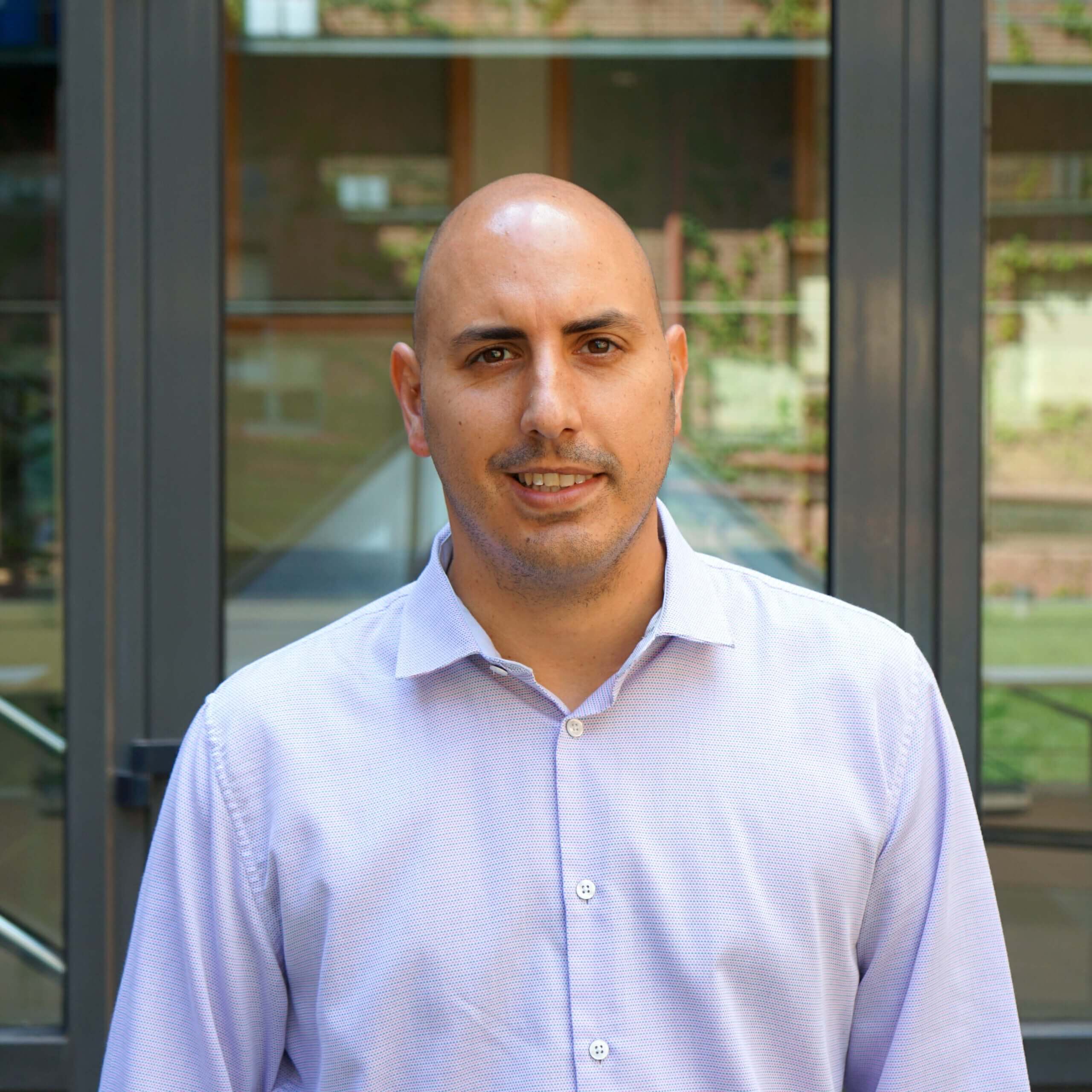
Cristian Gómez Canela is a Full Professor in the Department of Analytical and Applied Chemistry at the School of Engineering, Ramon Llull University (IQS). He serves as Coordinator of the Master's Degree in Analytical Chemistry and is an active member of the Catalan Chemical Society (SCQ), representing SCQ in EuChems-EYCN. His academic journey includes a PhD in Chemistry from the University of Barcelona (2014), followed by postdoctoral research at IDAEA-CSIC and King's College University. Dr. Gómez Canela's research focuses on environmental analytical chemistry, particularly the optimization and validation of analytical methods based on liquid chromatography coupled with tandem mass spectrometry (LC-MS/MS) and high-resolution mass spectrometry (HRMS) for determining organic pollutants in environmental samples. His work extends to metabolomics applied to aquatic organisms and the analysis of neurotoxic compounds in water systems. His research fingerprint reveals strong expertise in zebrafish models (100%), neurotransmitter analysis (66%), Daphnia magna studies (64%), and neurotoxicity assessment (21%). His recent publications (2024-2025) demonstrate a clear trend toward environmental neurotoxicology, with emphasis on the effects of pharmaceuticals and industrial pollutants on aquatic organisms. His work integrates advanced analytical techniques with biological endpoints to assess environmental risks, particularly focusing on neurological and cardiovascular impacts. The research spans method development for pollutant detection, environmental monitoring, and mechanistic studies of neurotoxic effects. Dr. Gómez Canela leads multiple significant research projects including CHEMIPARK (2024-2027) on passive sampling methodologies for environmental pollutants, GESPA (2022-2025) as part of the Environmental Process Engineering and Simulation Group, and several projects on neuroactive compounds in water systems. He has an impressive research output with 91 scientific publications from 2011-2025 and an h-index of 27 with over 2,000 citations. As a dedicated educator, he contributes to multiple academic programs including the Master in Analytical Chemistry, Master in Pharmaceutical Chemistry, and undergraduate degrees in Chemistry and Chemical Engineering. His research group GESPA represents a multidisciplinary team combining chemical engineering, biotechnology, and chemical analysis to advance environmental sustainability through theoretical and experimental approaches.