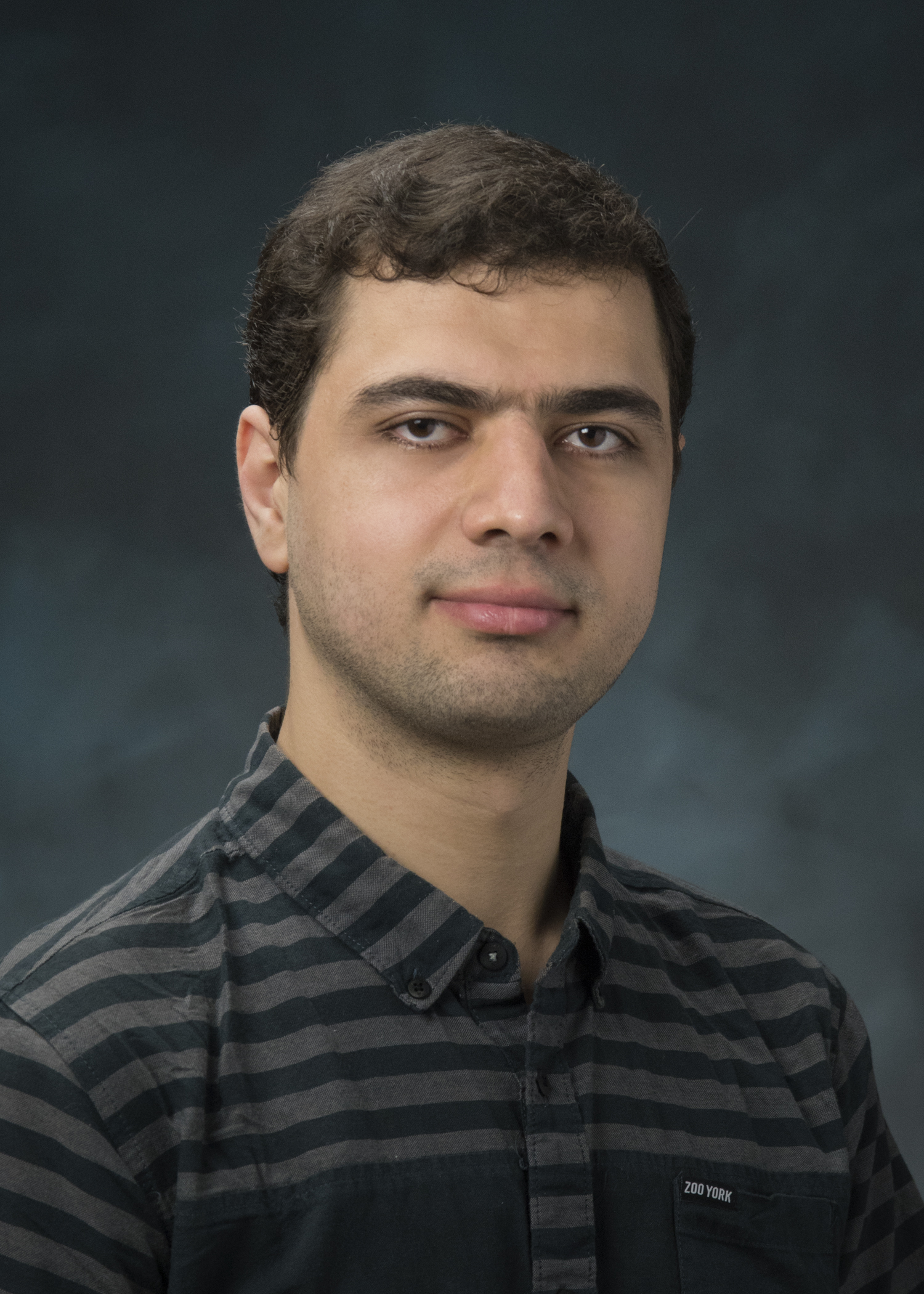
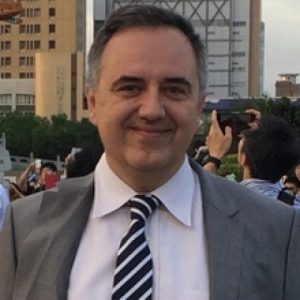
Mohammad Rostami is a Research Assistant Professor at the University of Southern California (USC) in the Department of Computer Science and Electrical and Computer Engineering, with a joint appointment at the USC Information Sciences Institute (ISI). He holds a PhD in Electrical and Systems Engineering from the University of Pennsylvania and additional degrees in Robotics, Philosophy, Electrical Engineering, and Pure Mathematics from prestigious institutions including the University of Waterloo and Sharif University of Technology. His research focuses on machine learning in data-scarce environments, particularly transfer learning, domain adaptation, low-shot learning, and improving learning efficiency through continual and collective learning. He incorporates symbolic logic and neuro-symbolic approaches to address challenges in catastrophic forgetting and knowledge retention. Applications span medical imaging, computer vision, and explainable AI. Rostami has received several accolades including the UPenn Best PhD Dissertation Award, IJCAI Distinguished Student Paper Award, and University of Waterloo Outstanding Achievement Award. His work bridges theoretical advancements with practical implementations, emphasizing real-world applications in healthcare and autonomous systems. He teaches graduate courses in applied natural language processing and knowledge graph construction. Rostami advises students at all academic levels and collaborates with remote researchers, emphasizing motivated, long-term project commitments.
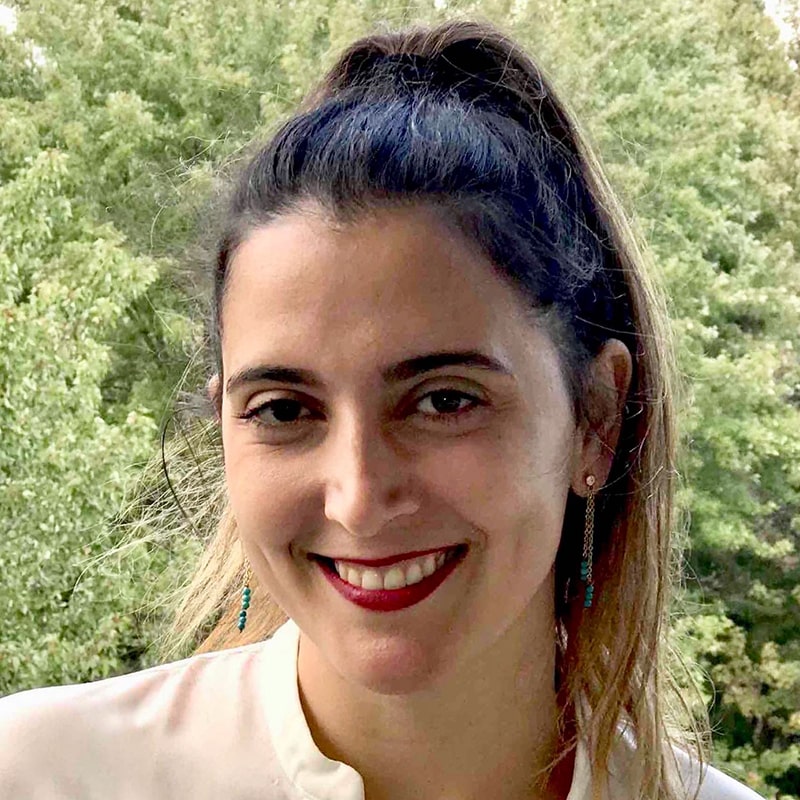
Jie Xu is a Scientist at Argonne National Laboratory and a CASE Affiliated Scientist at the University of Chicago, Pritzker School of Molecular Engineering . Her research focuses on engineering durable, scalable, and sustainable polymer semiconductors for skin-like electronics and autonomous material discovery. Education : PhD in Chemistry (Nanjing University), Postdoctoral Fellow (Stanford University) Her research bridges polymer physics , self-driving laboratories , and AI-guided material synthesis to address challenges in stretchable electronics, recyclable polymers, and energy-efficient manufacturing. She pioneered polymer circuits that remain conductive under extreme deformation and developed the first roll-to-roll mass-production method for stretchable semiconductors. Her 15 most recent articles highlight advancements in AI-driven polymer discovery , biodegradable electronics , and multi-modal energy dissipation . Key themes include autonomous experimentation , hydrogen-bonded polymer systems , and machine learning for conjugated polymers , with applications in wearable medical sensors , soft robotics , and human-computer interfaces . Scientific accolades include the Materials Research Society Postdoctoral Award , MIT Technology Review’s Innovators Under 35 , and recognition as a Scialog Fellow . She serves on editorial boards for APL Machine Learning and Flexible Electronics , and her team at Argonne includes postdocs and students working on self-driving labs and degradable polymers .
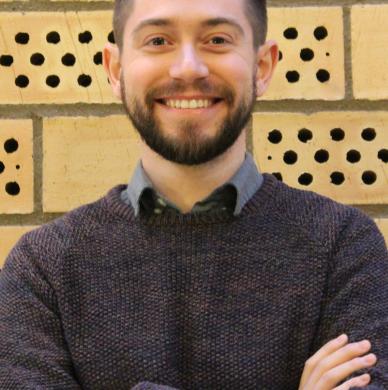
Melih Kandemir is an Associate Professor at the Department of Mathematics and Computer Science, Southern Denmark University. He also serves as Research Group Leader at the Bosch Center for Artificial Intelligence (2018–2021) and held a previous role as Assistant Professor at Ozyegin University (2017–2018). His research focuses on machine learning, Bayesian methods, reinforcement learning, and uncertainty quantification. **Education**: PhD in Computer Science from Aalto University (2013), specializing in 'Learning Mental States from Biosignals'. **Research Interests**: Machine Learning, Bayesian Inference, Reinforcement Learning, Deep Neural Networks, Stochastic Processes. His work emphasizes theoretical foundations and practical applications in domains like medical imaging, control systems, and robotics. **Awards**: Two Best Paper Awards (2017). **Grants & Projects**: Includes the Carlsberg Young Researcher Fellowship (2022–2026), Novo Nordisk Foundation grants (2021–2024), and DFF-funded research on PAC-Bayesian reinforcement learning (2025–2027). **Labs/Teams**: Leads research on Bayesian deep learning and reinforcement learning within the Bosch Center for AI and SDU's interdisciplinary groups.
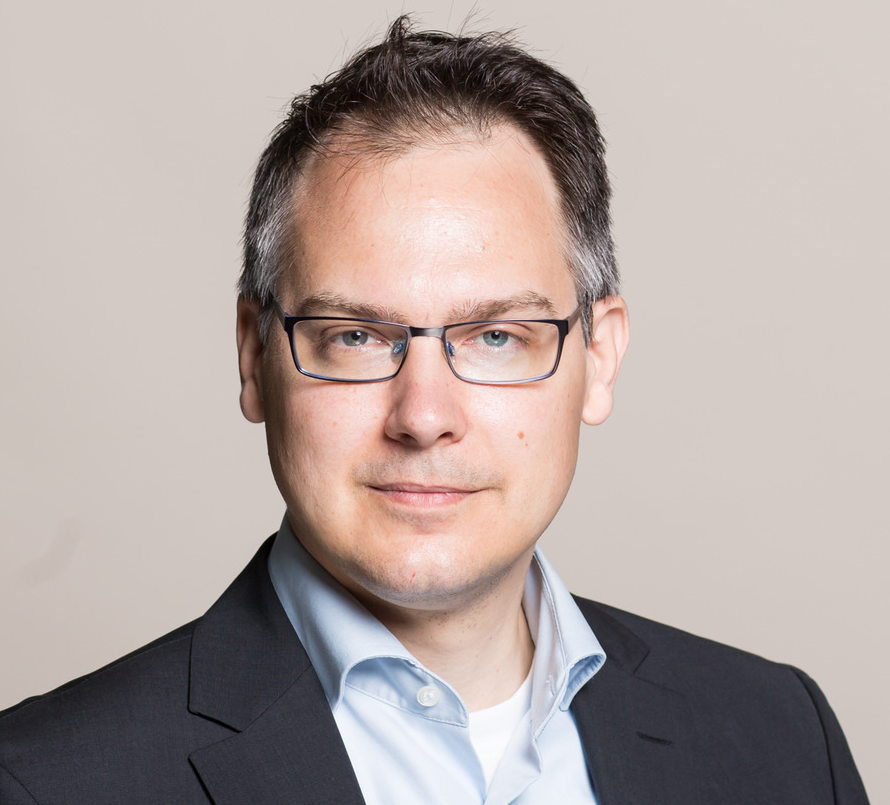
Gianluca Setti is a Full Professor at the Department of Electronics and Telecommunications (DET) at Polytechnic University of Turin, where he has been serving since 2017. He previously held positions at the University of Ferrara from 1997 to 2017. His institutional roles include being the Contact Person for the Research Quality Evaluation process, Member of the Interdepartmental Center SmartData@PoliTO - Big Data and Data Science Laboratory, and Member of the University Quality Assurance Committee. He serves as Editor-in-Chief of the Proceedings of the IEEE, the first non-US editor to hold this position. Dr. Setti's research spans multiple interdisciplinary fields including machine learning, artificial intelligence, big data analytics, Internet of Things, biomedical signal processing, power electronics, and electromagnetic compatibility. His work bridges theoretical foundations with practical applications, particularly focusing on compressed sensing, neural networks, and circuit design for specialized applications. His research has significant implications for healthcare, sustainable infrastructure, and next-generation electronics. His publication record reveals a consistent trajectory from foundational work in chaotic systems and neural networks to contemporary applications in AI, IoT, and edge computing. The most recent publications demonstrate his focus on anomaly detection at the edge, neural oracles for biosignal processing, and power electronics innovations. His work shows strong integration between theoretical signal processing and practical circuit implementation. 1998 Caianiello prize (best Italian Ph.D. thesis on Neural Networks) IEEE Fellow (2006) IEEE Circuits and Systems Society Distinguished Lecturer (2004, 2015) 2004 IEEE CAS Society Darlington Award 2013 IEEE CAS Society Meritorious Service Award 2013 IEEE CAS Society Guillemin-Cauer Award 2019 IEEE Transactions on Biomedical Circuits and Systems best paper award Multiple best paper awards at major conferences including ECCTD2005, EMCZurich2005, ISCAS2011, PRIME2019, and EMCCOMPO2019 Dr. Setti has supervised numerous PhD students across various research domains including electromagnetic compatibility, signal and power integrity, communication networks, mechatronics and robotics. His research is supported by significant funding including national PRIN projects, EU-funded JTI-ECSEL initiatives, and commercial contracts. He leads the VLSILAB Group at DET, focusing on circuit architectures, embedded systems, and AI applications. His current projects include DECORI (anomaly detection), StorAIge (embedded storage for AI), PROGRESSUS (energy infrastructure), CONNECT (smart grid), and CONVERGENCE (wearable healthcare applications).
Georges Gielen is Full Professor in the Department of Electrical Engineering (ESAT) at KU Leuven, Belgium, and part-time Research Director at imec. He has held multiple leadership roles including Chair of ESAT Department (2012-2013, 2020-2024) and Vice-Rector for Science, Engineering & Technology (2013-2017). His academic career spans over 30 years at KU Leuven, progressing from Assistant to Full Professor. His research focuses on analog and mixed-signal integrated circuit design automation , with expertise in CAD tools, design optimization, sensor interfaces, and neuromorphic systems. His work bridges hardware design with machine learning, particularly in hardware-efficient AI implementations and biomedical applications. He has pioneered techniques for automated analog circuit sizing, topology synthesis, and reliability-aware design in nanometer CMOS. Gielen has received numerous accolades including the IEEE CAS Mac Van Valkenburg Award (2015), IEEE CAS Charles Desoer Award (2020), and EDAA Achievement Award (2021). He holds an ERC Advanced Grant AnalogCreate and is an IEEE Fellow since 2002. As a prolific scholar, he has chaired major conferences including DATE (2006), ICCAD (2007), and ESSCIRC (2017). He has graduated over 55 PhD students through the MICAS research group at KU Leuven, currently supervising 13 doctoral candidates. His research team collaborates extensively with imec and industry partners on cutting-edge projects in carbon-aware AI accelerators, uncertainty-aware design, and neuromorphic sensor interfaces.
Dr. Ghazal Bargshady is a Lecturer at the University of Canberra , with expertise in Affective Computing , Artificial Intelligence , and Healthcare Technology . Her roles include teaching units such as Computer Vision, Data Analytics, and Soft Computing, as well as supervising PhD and Master by Research students in AI-driven projects for healthcare and road safety. Education: She earned her PhD in Artificial Intelligence and Computer Vision from the University of Southern Queensland in 2020. Research Interests: Dr. Bargshady specializes in Computer Vision Deep Learning Biosignal Processing Facial Expression Analysis Human Factors in AI Wearable Sensors Multimodal Data Fusion Brain–Computer Interfaces Her work addresses real-world challenges in pain assessment, depression recognition, and driver safety using cutting-edge AI models. Article Trends: Her recent publications focus on Transformer architectures , fNIRS signal analysis , multimodal pain detection , and depression severity estimation via facial video data. These studies highlight her contributions to AI in healthcare , transportation safety , and biomedical signal processing . Teaching Activities: Dr. Bargshady has lectured units including Programming for Data Science , Computer Vision , and Soft Computing , emphasizing practical AI applications.
Professor Clinton Fookes is a faculty member at the Queensland University of Technology (QUT) within the School of Electrical Engineering & Robotics . His research focuses on leveraging computer vision and artificial intelligence to develop automated systems that understand, anticipate, and interact with human behaviors, with applications in medical diagnostics, autonomous vehicles, defense, and industrial efficiency . Research areas include AI adaptability, multimodal biosignal analysis, and human-machine interaction Collaborates with CSIRO Data61, Defence Science and Technology Group, Orica, Airbus, and Sentient Vision Systems Develops systems for human action detection, infrastructure monitoring, and stress response prediction His work addresses critical challenges in AI deployment, such as environmental adaptability and reducing diagnostic errors in medical and autonomous systems. Recent publications highlight trends in self-supervised learning, zero-shot knowledge transfer, multimodal integration , and 3D reconstruction for healthcare , while exploring ethical AI use in sectors like mining and defense . Professor Fookes emphasizes interdisciplinary collaboration, bridging engineering, medicine, and social sciences to advance AI systems capable of real-world impact. His research agenda includes improving AI memory capabilities and explainability for safer, more reliable automation.
Zachi Attia, Ph.D., M.B.A., is an Associate Professor at the Mayo Clinic College of Medicine and Science, Rochester, Minnesota. His research focuses on applying artificial intelligence (AI) and machine learning to cardiac biosignals, particularly for early disease detection and prediction. He holds primary and joint appointments as Consultant in AI within the Department of Cardiovascular Medicine, collaborating with the Center for Digital Health and the Robert D. and Patricia E. Kern Center for the Science of Health Care Delivery. Education: Ph.D. in Electrical Engineering from the University of Minnesota, Rochester; BSc and MSc in Electrical Engineering from Ben Gurion University, Israel. Dr. Attia's work centers on developing AI models that analyze multimodal cardiac data (ECGs, echocardiograms, angiograms) to detect silent diseases. His research includes pragmatic clinical trials to validate AI's impact on patient outcomes, explainable AI for biological insights, and integrating AI dashboards into medical records for clinical usability. Recent publications highlight AI applications in detecting atrial fibrillation, hypertrophic cardiomyopathy, and pulmonary hypertension via ECG analysis. Scientific Awards: No explicit awards mentioned in the text. Email: attia.itzhak@mayo.edu
Prim. Assoc. Prof. PD Dr. Walter Struhal MSc FEAN serves as Head of the Clinical Department of Neurology at University Hospital Tulln since 2017 and holds a shared leadership role at the University Clinic for Neurology (Karl Landsteiner Private University of Health Sciences) since 2019. His career bridges clinical neurology and translational research in autonomic nervous system disorders. Research Focus : Struhal specializes in autonomic dysfunction, particularly its role in Alzheimer's dementia, post-COVID-19 neurological sequelae, and neurodegenerative diseases like multiple system atrophy. His work emphasizes modern diagnostic tools such as wearable ECGs and power modulation spectrum algorithms for signal quality control. Recent collaborations include developing the NEUROGED Guidelines for neurogenic urinary/sexual symptoms and mapping autonomic education gaps in European neurology training. Scientific Contributions : As a Fellow of the European Academy of Neurology (FEAN) , he co-led international studies on ECG quality indices (PDQI/MSQI) and participated in the AFFRICATE Project analyzing autonomic impacts of cerebral vascular interventions. His 15 most recent publications (2020-2025) span stroke care economics, dysphagia management, and autonomic testing innovations, reflecting his commitment to clinical-neurological research infrastructure development. Scientific Awards : Metric-based scholarship for Austro-Mir space research Fellow of the European Academy of Neurology (FEAN)
Md Mobashir Hasan Shandhi is a tenure-track Assistant Professor at Arizona State University , jointly appointed in the School of Electrical, Computer and Energy Engineering and the Biodesign Institute Center for Bioelectronics and Biosensors . His work focuses on developing equitable digital health technologies—wearable sensors and AI/ML algorithms—for personalized care and remote monitoring of chronic and infectious diseases. Education PhD, Electrical and Computer Engineering, Georgia Institute of Technology, 2020 Postdoc, Biomedical Engineering, Duke University, 2021–2024 MS, Electrical and Computer Engineering, University of Utah, 2016 BSc, Electrical and Electronics Engineering, Bangladesh University of Engineering and Technology, 2011 Research Interests Dr. Shandhi’s lab designs low-cost, reliable wearable sensors and machine-learning models to enable remote monitoring of cardiovascular, respiratory, and infectious disease patients. His goal is to reduce healthcare disparities by translating these technologies into resource-limited settings. Scientific Awards & Grants American Heart Association Career Development Award Mayo Clinic–ASU Alliance Faculty Summer Residency Fellowship AHA Postdoctoral Fellowship Duke Heart Center & Translating Duke Health cardio-oncology grant NIH mHealth Training Institute Scholarship Best Paper, Runner-up Best Paper, First Place Research Awards Distinguished Poster Nominee Advising & Funding Dr. Shandhi is currently recruiting PhD students with backgrounds in electrical/biomedical engineering or computer science. He also welcomes postdocs and MS/undergraduate researchers to join the SHANDHI Lab. Interested candidates should email him directly with a CV and statement of interest. Labs & Teams He directs the SHANDHI Lab at ASU, where interdisciplinary teams of engineers, clinicians, and data scientists collaborate on translating wearable health technologies from bench to bedside.
Leila Wehbe is an Associate Professor in the Machine Learning Department and Neuroscience Institute at Carnegie Mellon University (CMU), with affiliations in Psychology and Computational Biology. She leads a research group focused on understanding high-level brain representations of language and vision using machine learning techniques. Her work combines neuroimaging (fMRI/MEG) with computational models to investigate how the brain processes meaning and visual stimuli. Education : PhD in Machine Learning from CMU, advised by Tom Mitchell BE in Electrical and Computer Engineering from the American University of Beirut Postdoc at UC Berkeley's Helen Wills Neuroscience Institute with Jack Gallant Research Interests : Her research bridges cognitive neuroscience and AI, focusing on: Decoding language and visual processing from brain activity Developing machine learning models aligned with brain representations Investigating semantic composition in language Exploring visual cortex selectivity for objects/food Improving neural decoding with advanced methods (e.g., transformers, generative models) Awards & Recognition : NSF CAREER Award (2022) NIH R21/R01 Awards Human Frontier Science Program Award Google Faculty Research Award Grants & Labs : Leads the Wehbe Lab, part of brAIn at CMU. Active in grant programs including NSF and NIH, focusing on language-brain alignment and visual cortex studies. Co-organized workshops at ICLR and CVPR on brain-inspired AI.
Enzo Mastinu is an electronic engineer specialized in embedded systems for biomedical applications, holding an Associate Professor qualification in Bioengineering. He earned his bachelor's and master's degrees in electronic engineering from the University of Cagliari and a PhD in biomedical signals and systems from Chalmers University of Technology, Sweden. His research focuses on advanced prosthetics and neuroprostheses for upper limb amputations, incorporating embedded systems design, control algorithms, sensory feedback, signal processing, AI, and osseointegration. Key projects include the HAND and HAND2 initiatives, funded by the EU and the Italian Ministry of Research, aiming to develop semi-autonomous prosthetic hands. He has published 25 journal articles (75% in Q1) and 21 conference papers, contributing to a PCT patent. Mastinu is a Senior Member of IEEE EMBS and RAS, reviews for ~90 journals/conferences, and edits Transactions on Medical Robotics and Bionics (IEEE) and Scientific Data (Nature). He has supervised ~40 students across PhD, master's, internships, and postdocs, and teaches courses in biomedical engineering and STEM education. His scientific awards include the Marie Skłodowska-Curie Fellowship (2021), National Qualification as Associate Professor (2024), and a Young Researcher Grant (2025). Research emphasizes clinical implementation of prosthetics with neural feedback and intuitive control, as highlighted in high-impact journals like the New England Journal of Medicine.
Dr. Bai Ziqian is an Assistant Professor in the School of Automation and Intelligent Manufacturing at Southern University of Science and Technology (SUSTech) in Shenzhen, China. Recognized as a Pujiang Scholar and Shenzhen Pengcheng Peacock Talent, she has established herself as a leading researcher at the intersection of wearable technology, textile engineering, and human-computer interaction. Her work bridges technical innovation with practical design applications, focusing on user-centered solutions that enhance human experience through technology integration. Dr. Bai's educational background includes: PhD in Smart Wearable Product Design (2011-2015), Hong Kong Polytechnic University MA in Fashion and Textile Design (2005-2006), Hong Kong Polytechnic University BA in Fashion Design and Engineering (2001-2005), South China Agricultural University Her research spans wearable technology, tangible interactive interfaces, IoTs, ergonomics, functional garments, wearables for healthcare, material innovation, smart home applications, and user-centered design. Dr. Bai has pioneered work in smart wearable fabrics and sensing mechanisms based on flexible materials, with a particular focus on human-computer interaction theory and practice. She has established a research team that has mastered key technologies in smart fabrics, interactive textiles, physiological signal monitoring, and human-computer interaction systems. Her approach consistently emphasizes user-centered design principles, ensuring that technological innovations serve practical human needs while maintaining aesthetic appeal. Dr. Bai's publication record demonstrates a clear evolution from foundational work in photonic textiles toward increasingly sophisticated wearable healthcare and human-computer interaction systems. Her recent publications focus on advanced sensor technologies, energy harvesting for wearables, and sophisticated data analysis for human motion and physiological monitoring. The interdisciplinary nature of her work is evident in publications spanning materials science, biomedical engineering, textile technology, and design methodology, with papers appearing in high-impact journals including Advanced Functional Materials (IF: 19.5), ACS Sensors (IF: 8.9), and Computers in Industry (IF: 10). Dr. Bai has received numerous prestigious awards that highlight both the technical and artistic dimensions of her work: 2024 German Red Dot Design Award for Best Design 2013 Neo-Neon, permanent collection at China Silk Museum (State grade 1 museum) 2019 Finalist, ThermoBlanket, TechStyle for Social Good International Competition 2017 1st Prize Teaching Award, Donghua University 2017 China National Textile and Apparel Council Teaching Award Multiple Service Learning Awards from Hong Kong Polytechnic University She has successfully secured research funding from prestigious sources including the National Natural Science Foundation of China and Guangdong Province's General Project. Her projects include a collaborative effort with the Guangdong Provincial Department of Education and Li Ning Company on a 'flexible wearable lower limb functional electrical stimulation system.' Dr. Bai has extensive teaching experience across multiple institutions and has guided student teams to success in national competitions. She currently leads the Human-Computer Interaction Design Laboratory (HCID) at SUSTech, which focuses on advanced design, engineering, and technology research at the intersection of disciplines, training the next generation of interdisciplinary designers and engineers.
Vladan Koncar is a Full Professor and Research Supervisor at École Nationale Supérieure des Arts et Industries Textiles (ENSAIT), where he directs the GEMTEX laboratory and international relations. His research spans smart textiles, e-textiles, wearable sensors, and energy-harvesting systems, with applications in healthcare, military, and environmental monitoring. Research Interests: Koncar's work focuses on three primary themes: (1) Smart textile design for medical/safety applications; (2) Energy harvesting via textile NFC antennas and metamaterials; (3) Standardization of e-textile reliability and testing. His innovations include textile-based ECG monitors, airflow sensors, and photodynamic therapy fabrics. Projects & Grants: He coordinates major EU initiatives (e.g., ETEXWeld, MAPICC 3D) and industrial collaborations with Petit Bateau and @Health. Key projects involve developing instrumented textiles for healthcare, dynamic lighting systems, and filtration monitoring. Honors: Ordre des Palmes Académiques, Chevalier (French Prime Minister Award, 2019) IPC Golden Gnome & Rising Star Awards (2021-2022) Doctor Honoris Causa (Gheorghe Asachi University, 2010) Annual PEDR Award for PhD supervision since 1995 Labs & Teams: Leads the Human Centered Design Group at GEMTEX, specializing in textile-electronics integration. The lab focuses on structural health monitoring, smart composites, and washable e-textile systems.
Prof. Joris Pascal is a Lecturer in Life Science Technologies at the University of Applied Sciences and Arts Northwestern Switzerland (FHNW), affiliated with the School of Life Sciences and the Institute for Medical Engineering and Medical Informatics in Muttenz, Switzerland. He holds a Ph.D. in Microelectronics from the University of Strasbourg (2008), an M.S. in Electrical Engineering from Supélec (2005), and a B.S. in Electrical Engineering from the University of Strasbourg (2003). His professional experience includes roles as Senior Scientist and Scientist at ABB Switzerland Ltd. (2009–2015), and Research Assistant at the iCube laboratory (2005–2009). His research focuses on advanced biosignal processing, medical sensor systems, magnetic field sensing, and miniaturized diagnostic/therapeutic tools. Key projects include electromagnetic tracking systems for neurosurgery, magnetic safety assessment for MRI workers, and wearable sensor integration. He has 9 patents (5 granted, 4 pending) and extensive IEEE review involvement. Recent publications emphasize magnetic field cameras, MRI safety protocols, and nanoscale sensor technologies. His work bridges electrical engineering and biomedical applications, with contributions to medical robotics, portable NMR devices, and cardiac implant safety. Active in PhD committee roles and industry-academia collaborations, he leads projects at the intersection of sensor innovation and clinical needs.