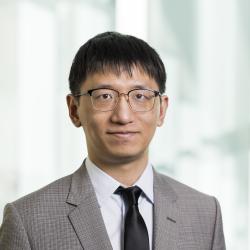
Dr. Nikki Lobczowski is an Assistant Professor in the Learning Sciences program at McGill University's Department of Educational and Counselling Psychology. She directs the McGill CREATE Research Lab, focusing on collaborative learning interventions using cutting-edge technologies. Her expertise spans design-based research, educational technologies, and socioemotional dynamics in learning. Education includes a Ph.D. in Education from UNC Chapel Hill (specializing in Learning Sciences), M.Ed. and B.Sc. in Mathematics from Virginia Tech. Awards include the 2021 APA Pintrich Dissertation Award and multiple grants from SSHRC and McGill. Research emphasizes context-sensitive interventions in collaborative settings, with recent work on emotional regulation in project-based learning and theoretical models for socioemotional processes. She designs technologies to support secondary math education and collaborates across institutions like the University of Pittsburgh and Carnegie Mellon. Accepting graduate students for 2023-24 through the CREATE Lab. Active in professional networks via ResearchGate, Twitter, and LinkedIn.
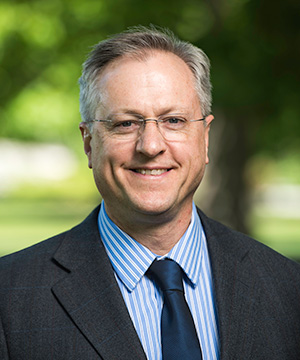
Christopher Blair is an Assistant Professor of Politics at Princeton University's Department of Politics. He holds a Ph.D. from the University of Pennsylvania and a B.A. from the University of Virginia. His research focuses on the political economy of conflict and migration, examining counterinsurgency policies' impact on rebel and civilian behavior, host responses to displaced populations, and public opinion's role in shaping foreign policy. Research Interests: Blair's work bridges International Relations and comparative politics, specializing in international security, civil conflict dynamics, migration policies, and political psychology. He explores topics like refugee repatriation, border fortification, climate migration attitudes, and the interplay between historical analogies and foreign policy decisions. Recent Trends in Publications: His recent work emphasizes the geopolitical implications of migration and security, including border control strategies, climate displacement, and the effectiveness of sanctions. He also investigates how collective experiences, such as natural disasters, shape public climate policies. Teaching: Blair teaches courses on international relations, American foreign policy, and seminars on violent non-state actors and graduate research in international relations.
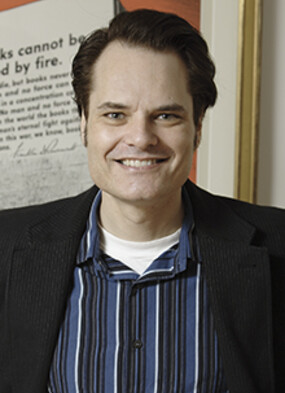
Dr Philip Wiseman is a Senior Research Fellow in the School of Physics and Astronomy at the University of Southampton. His primary research focuses on understanding supernova explosions of white dwarf stars, the expansion dynamics of the Universe, and the role of 'dark energy' in accelerating cosmic expansion. He is currently accepting applications for PhD students interested in these research areas. His work contributes to fundamental questions in astrophysics and cosmology, with implications for understanding the large-scale structure and evolution of the Universe.
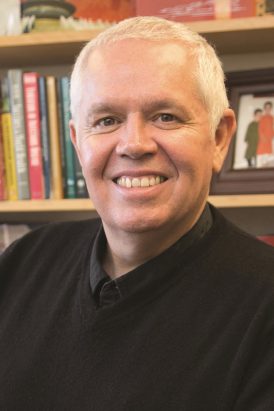
Dr Ruan Elliott is Dean of the Doctoral College and Senior Lecturer in Nutrition at the University of Surrey's School of Biosciences. He holds a PhD in Nutritional Metabolism (2017) and BA in Natural Sciences from Cambridge (1988). His research focuses on nutritional modulation of DNA repair mechanisms, functional genomics in nutrigenomics, and micronutrient homeostasis of iron, copper, selenium, and zinc. He has led studies on vitamin D efficacy, food bioavailability, and oxidative stress biomarkers. Education: PhD (University of Surrey, 1992), BA (University of Cambridge, 1988) Previous Roles: Senior Scientist (Institute of Food Research, 1994-2009), Postdoctoral Fellow (University of British Columbia, 1992-1994) His research integrates molecular biology and nutrition to address health impacts of dietary components. Recent work explores oat-based milk alternatives' sensory profiles, vitamin D supplementation efficacy, and DNA repair pathways in cardiovascular disease. He collaborates internationally on projects like the D2-D3 Study and NuGO initiatives. Publications emphasize translational research, including systematic reviews on insect protein efficacy and meta-analyses of vitamin D supplementation. His work bridges lab-based models (e.g., Caco-2 cells for iron studies) and clinical applications. No scientific awards were explicitly listed in the provided texts. He advises on doctoral training programs and has contributed to grant-funded projects like the University of Surrey's food and infection biosciences initiative (2024). Collaborations include studies on probiotics' immune effects and transcriptomic analysis of metabolic conditions.
Nilanjan Sarkar is the Vice Dean and Senior Associate Dean for Faculty Affairs at Vanderbilt University's School of Engineering, holding the David K. Wilson Professorship in Engineering. He is a Professor in Mechanical Engineering, Computer Engineering, and Computer Science. His research focuses on intelligent systems for human interaction, including robotics, virtual/augmented reality, and assistive technologies for neurodevelopmental disorders and aging populations. Education: PhD (Mechanical Engineering, University of Pennsylvania), ME (Indian Institute of Science), BE (Indian Institute of Engineering Science and Technology, Shibpur). Research interests span human-robot interaction, sensor fusion, and rehabilitation engineering. His lab develops systems for autism intervention, stroke rehabilitation, and elderly engagement through socially assistive robotics and VR/AR. Notable projects include robot-mediated therapy for children and AR telepresence systems for long-term care facilities. Labs/Teams: Robotics and Autonomous Systems Laboratory. Key contributions include CoMove, RASSLE, and the Career Interview Readiness in VR platform. His work emphasizes participatory design with end-users for ethical and inclusive technology.
Zihao Qu is an Assistant Professor in the Department of Operations & Information Management at the Isenberg School of Management, University of Massachusetts Amherst. He holds a Ph.D. from The University of Texas at Dallas (2024) and a BBA from The Chinese University of Hong Kong, Shenzhen (2018). His research focuses on revenue management, emerging technologies, and operations optimization with applications in healthcare and cloud computing. Ph.D., The University of Texas at Dallas (2024) BBA, The Chinese University of Hong Kong, Shenzhen (2018) His work addresses challenges in real-time decision-making systems, cloud cost optimization, and spatial matching algorithms. Recent publications include advancements in postacute healthcare service algorithms and cloud resource provisioning models. He teaches courses on supply chain management and emerging technologies. His research demonstrates expertise in combining theoretical operations research with practical industry applications, particularly in healthcare and technology sectors. No specific awards or grants are listed in the provided materials.
Diogo Almeida is an Associate Professor of Psychology and Global Network Associate Professor of Psychology at New York University Abu Dhabi. His research focuses on neurolinguistics and language processing, employing methodologies such as MEG/EEG, fMRI, and cross-linguistic studies. He holds an MSc in Cognitive Science from the Ecole des Hautes Etudes en Sciences Sociales and an PhD in Linguistics from the University of Maryland, College Park. Prior to NYU Abu Dhabi, he held positions at the University of California, Irvine, and Michigan State University. Almeida’s research explores perceptual processes underlying language understanding, including syntactic structure processing, agreement phenomena, and the neural bases of lexical access. His work integrates behavioral experiments with neuroimaging techniques to investigate how linguistic structures are represented in the brain. Key areas include sentence processing selectivity in Broca’s area, cross-linguistic differences in agreement encoding, and the role of phonological and morphological features in real-time language comprehension. His publications span topics like masked priming effects, sociolinguistic influences on speech perception, and the reliability of experimental syntax methods. He leads the Language, Mind and Brain research group at NYU Abu Dhabi, focusing on interdisciplinary approaches to language cognition. Almeida has contributed to debates on empirical rigor in syntax, advocating for robust experimental designs and large-scale data collection to validate theoretical claims.
Jeffrey T. Runner is a Professor of Linguistics at the University of Rochester, where he has been teaching since 1994. He has held significant administrative roles, including Dean of the College (2017–2024), Vice Provost and University Dean for Undergraduate Education (2021–2024), and Chair of the Department of Linguistics (2014–2017). His academic service includes roles as Faculty Development and Diversity Officer for Arts, Sciences and Engineering (2011–2017), and editor of the Syntax and Semantics book series (2011–2016). He is a Faculty Associate of the Susan B. Anthony Institute for Gender, Sexuality and Women’s Studies since 2003 and served as Director of the Center for Language Sciences (2009–2014). Runner’s research focuses on experimental syntax and psycholinguistics, employing eye-tracking to study language comprehension. Key areas include binding theory, ellipsis, and the interplay between linguistic structure and visual/discourse context. His work has been supported by the National Science Foundation since 2002, with publications in top journals like Linguistic Inquiry , Cognition , and Cognitive Science . Recipient of the 2006 Goergen Award for Undergraduate Education, Runner teaches courses on linguistic analysis, syntax, and experimental methods. His research lab, the Lattimore Eye Tracking Lab, explores real-time language processing mechanisms. Collaborations include work with institutions like Brown University, Universite Paris-Diderot, and Stanford University. Scientific contributions include groundbreaking studies on anaphora resolution, reflexive interpretation, and VP ellipsis. His edited volumes and conference proceedings reflect deep engagement with syntax-semantics interfaces and theoretical linguistics.
Dan M. Kahan is the Elizabeth K. Dollard Professor of Law at Yale Law School and holds a secondary appointment as Professor of Psychology at Yale University. He specializes in science communication, cultural cognition, risk perception, and criminal law. Prior to Yale (since 1999), he was on the faculty of the University of Chicago Law School (1997–1999). His career includes clerkships with U.S. Supreme Court Justice Thurgood Marshall (1990–1991) and Judge Harry Edwards of the D.C. Circuit Court of Appeals (1989–1990). Kahan earned his J.D. from Harvard Law School (magna cum laude, 1989) and B.A. from Middlebury College (summa cum laude, 1986). His research explores how cultural values shape perceptions of scientific evidence and legal norms. Key areas include: Science communication strategies to bridge political divides Cognitive mechanisms of motivated reasoning Risk perception in climate change and emerging technologies Legal implications of cultural cognition Kahan has received significant recognition, including election to the American Academy of Arts and Sciences (2013). His work has been supported by grants from the National Science Foundation and private foundations, focusing on science literacy, geoengineering communication, and public policy. Teaching responsibilities include courses on criminal law, evidence, law and cognition, and the science of science communication. He has advised numerous interdisciplinary research initiatives and collaborates with institutions like the Annenberg Public Policy Center and the National Center for Science and Civic Engagement.
Tracy Morris is the Eberly Distinguished Professor for Leadership Development and Associate Provost for Academic Personnel at West Virginia University (WVU), affiliated with the Department of Psychology in the Eberly College of Arts and Sciences. She has held significant leadership roles including Dean of the College of Education and Human Services (2018–2022), Associate Dean for Research in ECAS, and Chair of the Psychology Department. Her educational background includes a B.S. (1986) and M.S. (1987) from Pittsburg State University and a Ph.D. (1992) from the University of Mississippi, followed by clinical training at the Medical University of South Carolina. She joined WVU in 1993. Dr. Morris's research has evolved from developmental psychopathology—focusing on social anxiety, parenting, and peer influences—to her current emphasis on leadership development, aligned with her academic leadership roles. She has taught courses in psychopathology, social psychology, family therapy, and the psychology of cinema. Notable awards include the Eberly College Outstanding Researcher Award (2002), Woodburn Professorship (2005–2007), Benedum Distinguished Scholar Award (2006), and dual Eberly Distinguished Professor titles in Teaching (2009) and Leadership Development (2017). Eberly College of Arts and Sciences Outstanding Researcher Award (2002) Woodburn Professor (2005–2007) Benedum Distinguished Scholar Award (2006) Eberly Distinguished Professor of Teaching (2009) Eberly Distinguished Professor for Leadership Development (2017) Dr. Morris is not currently accepting new students due to her administrative responsibilities. She has been involved in academic service, grant leadership, and institutional strategy, particularly in faculty development and academic personnel policy. She has not been mentioned in connection with any specific research lab or team in recent years, reflecting her transition to high-level administration.
Ariadne Justi Bertolin is a Lecturer in the Department of Mechanical Engineering at the University of Bath, affiliated with the Centre for Sustainable Energy Systems (SES) and The Foundry: Centre for Digital, Manufacturing & Design. She is actively involved in research and is currently accepting doctoral students. Her research focuses on control theory, particularly in the areas of nonlinear systems, robust control, and stability analysis. Key topics include Lur'e systems, output feedback, Zames-Falb multipliers, and LMI-based design methods. She applies these theories to autonomous systems, energy systems, transportation, and industrial automation. The recent publications show a strong trend in developing LMI-based algorithms for stability and control synthesis of both continuous-time and discrete-time nonlinear systems. Her work emphasizes robustness, performance guarantees (e.g., ℒ2-gain), and practical implementation using finite impulse response and noncausal multipliers. She has been the Principal Investigator on a project titled 'Improving stability and control synthesis conditions for nonlinear systems,' indicating leadership in her research domain. While no formal awards are listed, her publications in IEEE and IFAC journals reflect high-quality contributions to control engineering. Dr. Bertolin advises doctoral students and is engaged in collaborative research, particularly with scholars like G. Valmorbida, R. C. L. F. Oliveira, and P. L. D. Peres. Her work is supported by ongoing research projects and contributes to the theoretical foundations of modern control systems. She is affiliated with key research centers at Bath, including the Centre for Sustainable Energy Systems and The Foundry, which focus on digital manufacturing, sustainable energy, and design innovation.
Christina Lupton is a Professor in the Department of English and Comparative Literary Studies at the University of Warwick, School of Arts. She is currently on secondment to the University of Copenhagen, where she directs the School of English, Germanic, and Romance Languages and leads the Carlsberg-funded research project Lockdown Reading . Her work bridges literary history, media theory, and cultural studies, with a focus on the material and temporal dimensions of reading. University: University of Warwick School: School of Arts Department: Department of English and Comparative Literary Studies Current Affiliation: University of Copenhagen (secondment) Email: C.Lupton@warwick.ac.uk Christina Lupton holds a PhD from Rutgers University and an MA from the University of Sussex. Her research explores the interplay between literature, time, and materiality, particularly in the eighteenth century and contemporary periods. She investigates how reading is shaped by codex formats, institutional contexts, and socio-political histories of work and leisure. Her research interests include: Eighteenth-century literature History of reading Theories of the novel Media and mediation Material cultural studies Temporal experience in literature Autofiction and life writing Lupton’s recent publications reveal a sustained engagement with how literary forms register temporal and material conditions. Her work moves from the eighteenth-century codex to contemporary digital reading, examining how narrative structures reflect changing conceptions of time, work, and personal agency. She frequently draws on systems theory (e.g., Bruno Latour, Michel Serres) and queer temporality to analyze reading as both a historical practice and a phenomenological experience. Her forthcoming book Love and the Novel blends memoir with literary criticism, exploring affective relationships between readers and fiction. Her scholarly contributions have been recognized through prestigious fellowships: Leverhulme Fellowship Humboldt Fellowship Carlsberg Fellowship Lupton supervises postgraduate students in eighteenth-century literature, media history, and literary theory. She has not listed specific advisees in the provided text. She is currently not accepting new PhD students due to her secondment. She has been actively involved in international research collaborations, including the Lockdown Reading project, which investigates novel reading during the 2020 pandemic through interviews and surveys, culminating in the co-authored monograph Viral Novels: What We Read in 2020 . She delivers frequent invited lectures at major universities across Europe and North America. She is affiliated with the following research initiatives: Lockdown Reading Project: A Carlsberg-funded interdisciplinary team studying reading during global crisis Books Out of Place Workshop: Hosted at University of Warwick, exploring displaced texts Novel Worlds Seminar: Collaborative research on computational and theoretical approaches to the novel
Matthew L. Boulton is a Pearl L. Kendrick Collegiate Professor of Global Public Health and Professor of Epidemiology at the University of Michigan School of Public Health (SPH). He serves as Senior Associate Dean for Global Public Health and Director of the Office of Global Public Health. He also holds roles as Editor-in-Chief of the American Journal of Preventive Medicine , Director of the Preventive Medicine Residency, and Associate Director of the Behavioral Health Workforce Research Center. Previously, he was Associate Dean for Practice (2004–2010) and founded the Office of Public Health Practice. Before joining U-M, he worked as a state epidemiologist and medical director in public health departments. Education: MD (University of Nevada, 1987), MPH (University of Michigan, 1991), BS in Plant Biology and Zoology (University of Nevada, 1980). Research Interests: Global public health, infectious disease epidemiology, childhood vaccinations, vaccine equity, and health workforce studies. His research focuses on vaccine preventable diseases, immunization systems, and global health equity. Notable projects include the Minority Health & Health Disparities International Research Training Program and collaborations with the CDC and Tianjin CDC in China. Awards: Over 40 awards, including the Faculty Excellence in Teaching Award, Alumni of the Year, and John H. Romani Award for public health leadership.
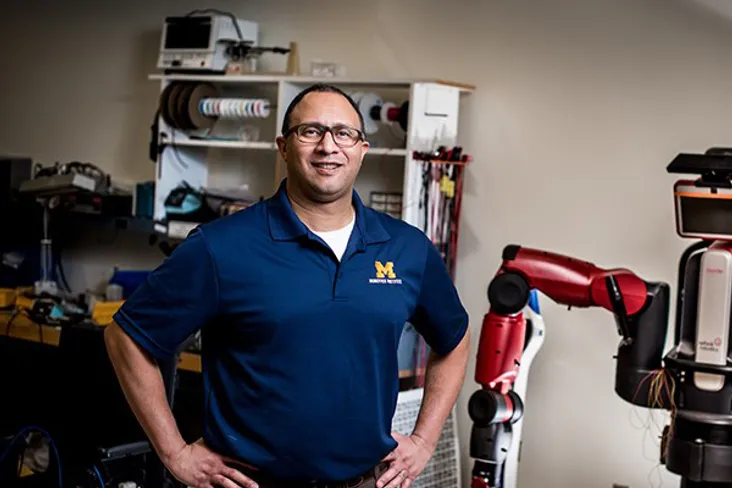
Affiliations & Roles Lionel P. Robert Jr. is a Professor of Information and Robotics at the University of Michigan, holding joint appointments in the School of Information and the College of Engineering's Robotics Department. He directs the Michigan Autonomous Vehicle Research Intergroup Collaboration (MAVRIC) and is an affiliate faculty member at the National Center for Institutional Diversity and Indiana University's Center for Computer-Mediated Communication. His roles include editorial board positions at journals like the Journal of Computer Information Systems and leadership in professional organizations such as ACM and IEEE. Education Ph.D. in Information Systems, Indiana University (BAT Fellow, KPMG Scholar) M.B. from Indiana University, Bloomington M.S. degrees from Clemson University and University of Louisiana, Lafayette B.S. from University of Louisiana, Lafayette Research Focus Robert's research bridges collaboration through technology, with a focus on human-robot interaction, autonomous vehicles, and virtual teams. His work addresses trust in automated systems, human-AV communication, and the sociotechnical implications of robotics in workplaces and public spaces. Recent projects explore explanations for automated vehicles, security robots' societal acceptance, and AI ethics in healthcare and labor. Key Contributions He has published over 100 peer-reviewed articles in journals like MIS Quarterly and conferences such as CHI and HRI. His research has been funded by NSF, Toyota Research Institute, and the Army Research Laboratory. Notable outcomes include frameworks for AV trust repair, models of human-robot team performance, and critiques of AI-driven labor practices. Awards & Recognition ACM Distinguished Member IEEE Senior Member Carnegie Junior Faculty Development Fellowship 3× Teaching Commendation (2006–2008) Grants & Labs Current grants include studies on explainable AI, human-AV trust dynamics, and security robot design. The MAVRIC lab focuses on AV-pedestrian interactions while the CCMC explores digital communication's societal impact.
Dr. David O'Reilly is a Lecturer in Education (Research and Teaching) at the University of York's Department of Education since 2022. Previously, he held roles as Lecturer (2021–2022) and Associate Lecturer (2017–2021). His academic journey includes a PhD in Applied Linguistics from the University of York (2013–2017), an MA in Applied Linguistics (2012–2013), and a BA in English Language and Literature from the University of Manchester (2003–2006). His research focuses on metaphoric competence in first and second languages, language play/creativity, test design, and quantitative methods. He leads projects like OASIS (Open Accessible Summaries in Language Studies) and contributed to the IRIS repository for second language research materials. He is a Fellow of the Higher Education Academy and holds editorial roles, including Review Editor at Metaphor and the Social World . Key Projects: OASIS (ESRC/British Academy funded), IRIS Repository Awards: RaAM Early Career Research Paper Prize (2021), Vice-Chancellor’s Teaching Award (2021) Professional Roles: Secretary of RaAM (2020–2022), Member of RaAM Executive Committee (2014–2020) Dr. O'Reilly teaches undergraduate and postgraduate modules in educational research methods, language assessment, and applied linguistics. He actively promotes open research practices and digital literacy in academia.