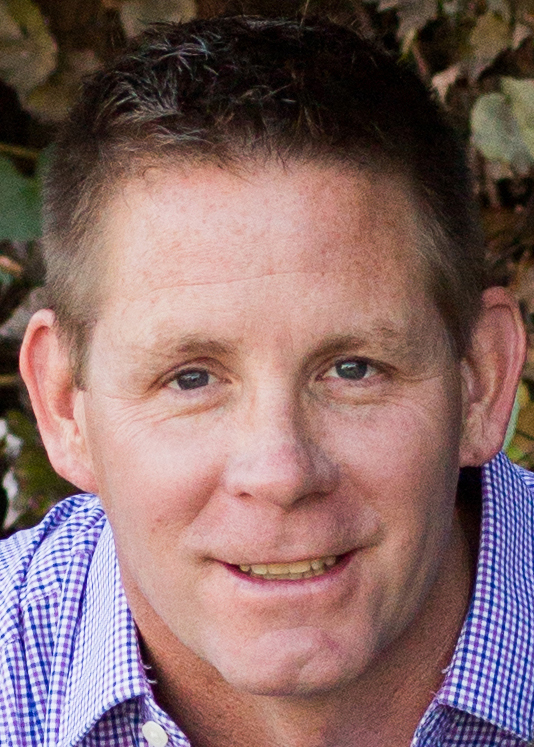
Dr. Jordan Crago is an Assistant Professor in the Department of Environmental Toxicology at Texas Tech University and affiliated with the STEM CORE program. His research specializes in aquatic toxicology, investigating how environmental chemicals impact development and reproductive success in fish and invertebrates through integrated field-laboratory approaches. Education: Ph.D. in Biological Sciences, University of Wisconsin, Milwaukee Bachelor of Science, Ohio University Dr. Crago's research employs field observations to guide laboratory experiments focused on adverse outcome pathways across diverse contaminants. His work spans pesticides, microplastics, perfluorinated compounds, and emerging pollutants, emphasizing multi-pathway effects on development and reproduction. He prioritizes identifying high-risk environmental chemicals through mechanistic studies using model organisms like zebrafish and fathead minnow. Analysis of his 2019-2025 publications reveals consistent focus on molecular, physiological, and behavioral endpoints in aquatic toxicology. Key themes include developmental/reproductive toxicity, transgenerational effects, and advanced methodologies like predictive molecular signatures and benchmark dose modeling. His work frequently addresses pesticide impacts, microplastic fate in food webs, and PFAS alternatives using zebrafish as a primary model system. Dr. Crago actively mentors undergraduate researchers, integrating them into data collection, analysis, and publication. Three mentees have co-authored peer-reviewed publications and conference presentations. He contributes to STEM education through Texas Tech's STEM CORE program and volunteers with Lubbock's Boys and Girls Club for after-school programs.
Wei Deng is an Associate Professor and Deputy Head of School (Research) in the School of Biomedical Engineering at the University of Technology Sydney (UTS). Her research focuses on cancer nanotechnology, nanobiotechnology, and gene engineering, with significant contributions to radiation-activated chemotherapy (RAC) via liposomes and CRISPR-based therapies. She has pioneered treatments for rectal and breast cancers, including the development of patented RAC systems that reduce chemotherapy toxicity. Her work has led to the founding of biotech startup EosGene Pty Ltd for diabetic retinopathy therapies. Deng holds a PhD from Macquarie University and has attracted over $3.7M in grants from ARC, NHMRC, and Cancer Institute NSW. She leads interdisciplinary teams and contributes to global collaborations, including partnerships with UNSW and HK Winhealth Pharma Group. Her research spans drug/gene delivery systems, CRISPR biosensors, and nanoparticle engineering, emphasizing translational medicine and industrial challenges. Education: PhD in Biomedical Engineering, Macquarie University (Sydney) Leadership Roles: Deputy Head of School, Research; Co-founder of EosGene Pty Ltd Awards: DECRA Fellowship (ARC), Cancer Institute NSW Career Development Fellowship Key Projects: RAC liposomes (Patents US 12036282, Europe 3720422), CRISPR-based pathogen sensors, X-ray triggered PDT platforms Her research bridges nanotechnology and clinical applications, with 62 refereed publications (h-index 26) and 87% in top-tier journals. She actively supervises postgraduate research in CRISPR therapies, CAR T cell engineering, and targeted drug delivery.
Scott W. Linderman is an Assistant Professor of Statistics at Stanford University and a Faculty Scholar at the Wu Tsai Neurosciences Institute. He holds courtesy appointments in Computer Science and is affiliated with Stanford Bio-X and the Stanford AI Lab. His research focuses on developing probabilistic models and statistical methods to analyze neural data, bridging computational neuroscience and machine learning. Linderman earned his PhD in Computer Science from Harvard University, with postdoctoral training at Columbia University under Liam Paninski and David Blei. He previously worked as a software engineer at Microsoft and holds an undergraduate degree in Electrical and Computer Engineering from Cornell University. Research Interests : Machine learning, computational neuroscience, state space models, neural data analysis, and probabilistic modeling. His lab develops tools like the SSM and Dynamax packages, applying methods to problems such as neural decoding, behavioral tracking, and understanding latent neural dynamics. Awards : 2023 McKnight Scholar Award, 2022 Sloan Research Fellowship, Leonard J. Savage Award (2016). Linderman has advised over 20 PhD students and postdocs, contributing to breakthroughs in neuroscience and machine learning. His work includes collaborations with experimental neuroscientists like David Anderson and Sebastian Seung. Labs & Teams : Linderman Lab focuses on advancing statistical methods for neuroscience. Key projects include state space models (e.g., rSLDS, Gaussian Process SLDS) and behavioral analysis tools like Keypoint MoSeq. The lab emphasizes open-source software and interdisciplinary collaboration.
Dr. Arno Onken is a Lecturer (Assistant Professor) in Data Science for Life Sciences at the School of Informatics, University of Edinburgh, where he is also affiliated with the Institute for Adaptive and Neural Computation. He leads a research group focused on developing machine learning and statistical methods for modeling neural activity and analyzing large-scale neuroscience data. His work bridges artificial intelligence and computational neuroscience. His research interests lie at the intersection of machine learning, statistics, and neuroscience. He develops flexible probabilistic models such as copulas and Gaussian processes, deep learning architectures like Vision Transformers for brain activity prediction, and matrix/tensor factorization techniques for dimensionality reduction in neural datasets. His group aims to uncover interpretable structure in complex neural recordings and understand how behavior and cognition are encoded in population activity. The recent publications reflect a strong trend in combining modern deep learning with classical statistical modeling to analyze large-scale neural recordings. His work spans from foundational methods in copula modeling and information theory to applications in predicting visual cortex responses and modeling brainstem-hippocampus interactions across sleep states. The research has been published in top venues including NeurIPS, CVPR, eLife, and PLoS Computational Biology. Dr. Onken actively supervises PhD students and has developed several open-source scientific software packages, including the Mixed Vine Toolbox and Population Spike Train Factorization Toolbox. He teaches core courses in Machine Learning and Pattern Recognition and Data Mining and Exploration at the University of Edinburgh.
Joergen Kornfeld is a researcher at the University of Cambridge, affiliated with the MRC Laboratory of Molecular Biology (LMB) in the Connectomics of Learned Behaviour group. His work focuses on understanding how learned behaviors are encoded in neural circuits through connectomic analysis. Institution: University of Cambridge Role: Connectomics Researcher Research Interests: • Connectomics and synaptic connectivity mapping • High-throughput 3D electron microscopy • Deep learning applications in neural network analysis • Behavioral memory storage mechanisms • Comparative neuroanatomy of learned behaviors • Computational modeling of neural circuits. Recent publications highlight his expertise in developing deep learning tools (e.g., DeepFocus, SyConn2) for connectomic reconstruction, with applications in zebra finch song learning and larval zebrafish neural circuits. His work bridges advanced imaging techniques, computational methods, and behavioral neuroscience. Techniques: High-throughput 3D electron microscopy, flood-filling networks Model Systems: Zebra finch, larval zebrafish
Elvis Genbo Xu is an Associate Professor at the Department of Biology, University of Southern Denmark. His research focuses on environmental toxicology, particularly micro/nanoplastics and crude oil pollutants. He employs transcriptomics and bioinformatics to study marine ecosystems and embryonic model systems. University of Southern Denmark Department of Biology Active since at least 2018 Research Interests: Micro/Nanoplastics Crumb Rubber Marine Protected Areas Endocrine Disruptors Transcriptomics Bioinformatics Article Trends (2018-2019): Focus on nanoplastics and microplastics Environmental impact assessment Toxicity mechanisms in aquatic organisms Methodological innovations in plastic analysis Interdisciplinary approaches combining toxicology, materials science, and molecular biology Scientific Recognition: 2024 World's Top 2% Scientists 2023 Undervisningsprisen på Naturvidenskab 2021 Faculty Research Dissemination Prize 2020 Best ES&T Letters Paper Advising & Editorial Roles: Active PhD/Postdoc supervision Junior Editor at Journal of Hazardous Materials (2020) Editorial Board member for Environment International (2022)
Nathalia Peixoto is an Associate Professor in the Department of Electrical and Computer Engineering and Affiliate Faculty in Bioengineering at George Mason University. Her work bridges neural engineering, biomedical applications, and assistive technology development with international collaborations across Israel, Ireland, Peru, and Korea. Educational background: PhD in Electrical Engineering, Universidade de Sao Paulo MS, University of Campinas Research Interests: Dr. Peixoto specializes in neural engineering with focus on brain-computer interfaces using wearable devices. Her lab develops: Neural prosthetics and implantable systems Bioimpedance-based medical sensors Low-cost electrophysiological recording platforms Community-centered engineering design solutions Publication Trends: Her 2022-2025 publications demonstrate strong interdisciplinary convergence between neuroscience, biomedical engineering, and AI. Key trends include machine learning for seizure detection in zebrafish models, electrochemical optimization of neural interfaces, and community-engaged design projects addressing societal challenges through transdisciplinary graduate training. Grants and Projects: Principal investigator for multiple NSF-funded initiatives: NRT-HDR: Transdisciplinary Graduate Training (2019-2024) Smart and Connected Communities: Networked Devices (2017-2019) Bioimpedance for retinal implants (2015-2017) C2MW: Classroom to Makers Week (2015-2016) Additional funding from VA STEM CoNNECT and Longwood University. Laboratory: The Neural Engineering Lab integrates chemistry, physics, and engineering disciplines through team-based projects involving high school to graduate students. Current work includes sustainable food-waste solutions, tremor-capturing robots for low-resource areas, and neural implants with international academic partnerships.
Dr. Kanwarpal Singh is an Associate Professor in the Department of Electrical & Computer Engineering at McMaster University. His research focuses on developing novel endoscopic devices using advanced optical imaging techniques, including optical coherence tomography (OCT), hyperspectral imaging, and multiphoton microscopy. His work aims to improve imaging of internal organs for medical applications, particularly in gastrointestinal and cardiovascular diagnostics. Dr. Singh leads a lab dedicated to advancing biomedical technologies, with a strong emphasis on device innovation and clinical translation. He teaches courses such as ECE 6BB3 (Cellular Bioelectricity) and IBEHS 4QZ3 (Modelling of Biological Systems). His research interests span biomaterials, health technology, and imaging systems. He has developed endoscopic devices for longitudinal monitoring of inflammatory bowel disease and coronary artery crystal detection. His publications emphasize optical imaging advancements, including motion-corrected microscopy and three-dimensional luminal reconstruction. Dr. Singh collaborates on projects involving tissue engineering, drug delivery, and material science. His work bridges engineering and medicine, with applications in cardiology, dermatology, and neurology. Dr. Singh’s lab also explores elastography and Brillouin microscopy for biomechanical property assessment. He has contributed to portable OCT systems and smartphone-based imaging platforms. While no formal awards are listed, his extensive publication record reflects significant contributions to biomedical imaging and device development. His research addresses clinical challenges through cutting-edge optical technologies, aiming to improve diagnostic accuracy and patient outcomes.
Eileen M. Shore, Ph.D. is the Cali and Weldon Research Professor in FOP at the University of Pennsylvania's Perelman School of Medicine. She serves as Co-Director of the Center for Research in FOP and Related Disorders and Director of the Developmental Grants Program within the Department of Orthopaedic Surgery. Dr. Shore holds multiple prestigious affiliations including Full Member of the Institute for Human Gene Therapy, Member of the Institute for Translational Medicine and Therapeutics, Member of the Penn Center for Musculoskeletal Disorders, Full Member of the Institute for Regenerative Medicine, and Member of the Penn Medicine Center for Orphan Disease Research and Therapy. Dr. Shore received her B.S. in Biology from the University of Notre Dame (1976), her M.A. in Biology from Indiana University (1978), and her Ph.D. in Cell and Molecular Biology from the University of Pennsylvania (1987). Her research program centers on the genetic regulation of cell differentiation and tissue development through investigations of rare human genetic diseases of extra-skeletal bone formation. She has made groundbreaking contributions to understanding fibrodysplasia ossificans progressiva (FOP) and progressive osseous heteroplasia (POH), identifying the genetic causes and exploring the cellular and molecular basis of dysregulated stem cell fates. Her work develops in vitro and in vivo models to understand mutation consequences and develop therapeutic strategies for these debilitating conditions. Analysis of Dr. Shore's publication record reveals a consistent focus on heterotopic ossification mechanisms spanning over two decades. Her research has evolved from initial genetic discovery (identifying ACVR1 mutations in FOP and GNAS mutations in POH) to detailed mechanistic studies of how these mutations alter BMP and G-protein signaling pathways. Recent work increasingly examines biomechanical signaling interactions with genetic pathways and immune cell involvement in heterotopic ossification processes, reflecting a sophisticated multi-disciplinary approach to these rare disorders. Dr. Shore maintains an active laboratory environment with numerous students, postdocs, and research specialists. Her lab personnel as of Spring 2019 included students from the Cell and Molecular Biology program, post-doctoral researchers, and research specialists. She collaborates extensively with clinicians and scientists including Frederick Kaplan MD, Rob Mauck PhD, Foteini Mourkioti PhD, Mary Mullins PhD, and Maurizio Pacifici PhD, demonstrating the translational nature of her research bridging basic science and clinical application. Her laboratory focuses on understanding how genetic mutations lead to ectopic bone formation, with particular emphasis on the cellular and molecular regulation of chondrogenesis and osteogenesis in heterotopic ossification. Current projects investigate immune cell roles in supporting heterotopic ossification, biomechanical signaling pathway interactions with ACVR1 signaling, and the regulatory cell fate 'switch' that leads to increased osteogenesis in POH.
Professor Sabine Eming is a Principal Investigator at the Department of Dermatology & FMNS at the University of Cologne, affiliated with the CMMC and collaborating with CECAD. Her research focuses on the molecular basis of age-related skin pathologies and regenerative responses. Investigates tissue regeneration, immunometabolism, and TOR signaling Develops therapeutic strategies for injured/aging tissues Uses cross-species models (mice, zebrafish, Drosophila, humans) Her work bridges basic science and clinical expertise to translate findings into therapeutic approaches, particularly examining: Metabolic reprogramming in wound healing Immune system's role in regeneration vs. scarring Lipid synthesis and filaggrin processing in skin barrier formation Scarless repair mechanisms in zebrafish vs. mammals She leads research into molecular control systems including: Cell death regulation (FADD-RIPK3 pathways) Nutrient-sensing TOR pathway in skin aging Glutamine metabolism in stem cell maintenance Her group develops genetically modified mouse models and collaborates on clinical trials for impaired healing conditions.
Vivian Li is a Senior Group Leader and Assistant Research Director at The Francis Crick Institute in London, UK, leading a research group focused on intestinal stem cell biology and colorectal cancer mechanisms. Dr. Li earned her PhD from the University of Hong Kong's Department of Pathology in 2008, researching molecular mechanisms of human colonic development and tumorigenesis, for which she received the Gold Medal Prize. She then completed postdoctoral training with Hans Clevers at the Hubrecht Institute in the Netherlands, funded by the Croucher Foundation Fellowship, focusing on Wnt pathway proteomics and intestinal stem cell genes using transgenic mouse models. Her research program investigates how stem cells maintain healthy gut tissue and what goes wrong during cancer development, with particular emphasis on Wnt signaling pathways. Dr. Li's laboratory utilizes advanced organoid technology ('mini-guts') to study stem cell behavior in three-dimensional cultures, gene editing techniques, and state-of-the-art imaging approaches. Her work spans developmental biology, stem cell research, and cancer biology with significant translational implications. Analysis of her recent publications (2022-2025) reveals a strong focus on cancer stemness mechanisms, intestinal regeneration pathways, Wnt signaling components, and innovative organoid modeling approaches for colorectal cancer. Her research consistently bridges basic science with potential clinical applications in gastrointestinal medicine. Gold Medal Prize for PhD thesis Croucher Foundation Fellowship Dr. Li established her independent laboratory at the MRC National Institute for Medical Research in February 2013 and transitioned to the Francis Crick Institute in 2015. Her research aims to develop tumor-specific therapies for bowel cancer and grow replacement human gut tissue for transplantation or drug testing platforms. She leads a multidisciplinary team utilizing cutting-edge techniques including reverse mouse genetics, ex vivo organoid cultures, and advanced genomic and proteomic analyses to investigate stem cell regulation in health and disease. Her laboratory at the Crick Institute operates within the Biological Research Facility and collaborates extensively with other research groups both within the institute and internationally, contributing significantly to understanding intestinal stem cell niche dynamics and cancer development mechanisms.
Sara Liin is a Senior Associate Professor at Linköping University, affiliated with the Department of Biomedical and Clinical Sciences within the Faculty of Medicine and Health Sciences. Her research focuses on ion channel dysfunction in cardiac arrhythmias, particularly exploring polyunsaturated fatty acids and endocannabinoids as therapeutic avenues. She holds a PhD in Neurobiology (2011) and a Master in Medical Biology (2005). Her work emphasizes understanding how genetic mutations in cardiac ion channels lead to arrhythmias and developing targeted treatments. Recent studies highlight the role of estrogen in exacerbating arrhythmia risk and the potential of endocannabinoids like ARA-S to rescue mutant channels. Liin has secured grants totaling SEK 64 million and leads a research group investigating lipid-channel interactions and drug development strategies. Key achievements include the Eric K Fernström award (2021) and collaborative projects with institutions like the University of Miami and SciLifeLab. Her lab, part of the Division of Cell and Neurobiology, explores translational applications of ion channel research to combat heart rhythm disorders.
Daniëlle Copmans is an Assistant Professor at the Faculty of Pharmaceutical Sciences , KU Leuven, where she leads the Molecular Biodiscovery unit and the Subdivision Pharmaceutical Biology and Phytopharmacology . Her research focuses on epilepsy and neurodevelopmental disorders , utilizing zebrafish models for drug discovery and precision medicine . She contributes to network pharmacology approaches and iPSC-based disease modeling for rare conditions like Dravet syndrome.
Steven Leach is the Director of Norris Cotton Cancer Center and holds the Preston T. and Virginia R. Kelsey Distinguished Chair in Cancer at Dartmouth College. As a Professor in the Department of Molecular and Systems Biology, his research focuses on pancreatic developmental biology, epithelial biology, and tumor biology using mouse, zebrafish, and human model systems. Research Interests: Pancreatic development and disease mechanisms Epithelial biology in tumor progression Comparative oncology across species Translational cancer research using multidisciplinary models Scientific Awards: Kelsey Distinguished Chair in Cancer Contact: Steven.D.Leach@dartmouth.edu | Office: 801 Rubin | Phone: 603-653-3611
Brenda L Bohnsack, MD, PhD is Associate Professor of Ophthalmology (Pediatric Ophthalmology) and Pediatrics at Northwestern University Feinberg School of Medicine, where she serves as Chief of Pediatric Ophthalmology in the Department of Ophthalmology. She also holds the Lillian Sherman Cowen Reiger and Harold L.S. Cowen Research Professorship of Pediatric Ophthalmology. Dr. Bohnsack practices at Ann & Robert H. Lurie Children's Hospital of Chicago. Her educational background includes: BA from Northwestern University (1999) PhD from Baylor College of Medicine (2004) MD from Baylor College of Medicine (2006) Transitional Year Intern at Oakwood Hospital (2007) Residency in Ophthalmology at University of Michigan (2010) Chief Residency in Ophthalmology at University of Michigan (2010) Postdoctoral Fellowship in Orbital and Ocular Development at University of Michigan (2011) Fellowship in Pediatric Ophthalmology and Adult Strabismus at Duke University (2012) As an academic pediatric ophthalmologist and developmental biologist, Dr. Bohnsack focuses on the clinical aspects and underlying basic science of congenital eye diseases. Her clinical expertise includes the medical and surgical management of complex pediatric eye conditions such as primary congenital glaucoma, Peters Anomaly, Axenfeld-Rieger syndrome, aniridia, microphthalmia, and congenital ectropion uvea. Her research spans both clinical and basic science domains, with clinical research concentrating on identifying new genes associated with congenital eye diseases and outcomes in affected individuals, while her basic science research utilizes zebrafish and human embryonic stem cell models to study ocular neural crest cells and their role in eye development. Analysis of Dr. Bohnsack's most recent publications reveals a strong focus on pediatric ocular conditions with particular emphasis on Stickler syndrome, pediatric glaucoma management, and complications of systemic treatments in children. Her work spans clinical studies, surgical technique evaluations, systematic reviews, and investigations into the genetic basis of pediatric eye diseases. The publications demonstrate her commitment to improving diagnostic approaches, surgical outcomes, and understanding the molecular mechanisms underlying congenital eye disorders. Dr. Bohnsack has received numerous scientific awards and honors throughout her career: Honor Award, American Association of Pediatric Ophthalmology and Strabismus (2025) Secretariat Award, American Academy of Ophthalmology (2024) Academic Leadership Development Program, Association of University Professors of Ophthalmology (2024) Alpha Omega Alpha (2023) Gunter von Noorden Young Investigator Award (2022) Dr. Bohnsack actively participates in multi-center research collaborations focusing on the genetics of childhood glaucomas, long-term outcomes of myopia control, socioeconomic influences on eye disease outcomes, and health disparities in global myopia management. Her laboratory research focuses on molecular regulation of neural crest migration and differentiation in the anterior segment of the eye, with applications for understanding and potentially treating congenital eye disorders. She leads research efforts utilizing both in vivo (zebrafish) and in vitro (human embryonic stem cells) systems to model eye diseases, with particular attention to ocular neural crest cells and their contribution to corneal, iris, and aqueous humor drainage system development. Her work bridges basic science discoveries with clinical applications to improve understanding and treatment of blinding diseases in children.