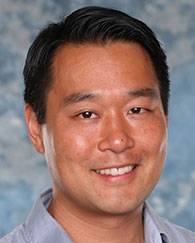
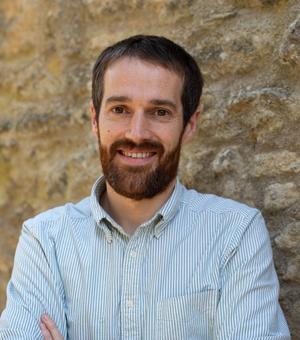
Dr. Christopher S. Kim serves as Interim Dean and Professor of Chemistry at Chapman University's Schmid College of Science and Technology. With a Ph.D. from Stanford University (2010) and BA from Princeton, he leads research on metal(loid) behavior in contaminated environments. Princeton University, Bachelor of Arts (Latin) Stanford University, Ph.D. His work focuses on: Distribution, transport, and transformation of trace metals in mine wastes Bioaccessibility of toxic metals in soils Nanoparticle growth and reaction mechanisms Synchrotron-based spectroscopic methods Article trends include metal adsorption dynamics, environmental impacts of mining, and nanoparticle reactivity. Awards span pedagogical innovation, mentorship, and national research recognition. Chapman University Wang-Fradkin Senior Professorship Award (2014) Henry Dreyfus Teacher-Scholar Award (2010) Emerging Investigator (Journal of Environmental Monitoring, 2012) Dr. Kim mentors undergraduate researchers and leads NSF workshops on early-career faculty development. He serves on editorial boards and national scientific committees.
Robert Weatherup is Professor of Energy Materials in the Department of Materials at the University of Oxford, where he leads the Energy Materials Interfaces Group. Based in the Rex Richards building, his group pioneers interface-sensitive characterization techniques to study reactions critical to electrochemical energy storage, catalysis, and materials synthesis, with strong collaborations at Harwell Campus facilities including Diamond Light Source and ISIS Neutron and Muon Source. His research focuses on understanding interfacial reactions in functional materials under operational conditions. Key interests include solid-gas, solid-liquid, and solid-solid interfaces in Li-ion batteries, solid-state batteries, and catalytic systems for sustainable reactions. The group develops operando X-ray and electron spectroscopy methods to probe buried interfaces, aiming to link interfacial structure to material function for designing advanced energy materials through specialized reaction environments and membrane-based techniques. Recent publications demonstrate a concentrated trend toward operando studies of battery interfaces (cathode stabilization, SEI formation) and catalytic CO2 conversion, utilizing advanced spectroscopic techniques to reveal mechanistic insights under realistic electrochemical and thermal conditions across energy storage and sustainable chemistry domains. Scientific Awards: Royal Society of Chemistry Joseph Black Prize Professor Weatherup supervises a research team of six postdoctoral researchers, nine DPhil students, and two MEng students. His group secures substantial research grants for projects on energy storage and catalytic materials, with close partnerships at Harwell Campus facilities enabling cutting-edge in-situ experiments and methodology development for industrial and academic collaborators. The Energy Materials Interfaces Group operates specialized laboratories in Oxford and maintains deep integration with Harwell Campus infrastructure. They design custom reaction cells for operando studies across electrochemical, gas, and liquid environments, with active beamtime allocations at Diamond Light Source and Alba Synchrotron, fostering cross-institutional collaborations to advance characterization capabilities for next-generation sustainable technologies.
Christoph Sahle is a Research Fellow at the European Synchrotron Radiation Facility (ESRF), working in the Experiments Division and part of the ID20 team since early 2014. His career spans academic and research roles, including a PhD at TU Dortmund University and postdoctoral work at the University of Helsinki. Education: PhD in Physics from TU Dortmund University (completed December 2011), supervised by Metin Tolan and Christian Sternemann. Research Interests: Investigating materials under extreme conditions using non-resonant inelastic X-ray scattering to link spectral properties to atomic-scale structure. Developing instrumentation, sample environments, and open-source analysis tools for X-ray spectroscopy. Exploring new methods for spectrum calculations and advanced data analysis, including direct tomography techniques. Professional Background: PhD research focused on disordered condensed matter under extreme conditions at TU Dortmund. Postdoctoral work at the University of Helsinki extended his expertise to theoretical predictions of absorption edges and interactive data analysis software. At ESRF, he balances user support with independent research in experimental physics and materials science.
Hani Elsayed-Ali is a Professor and Batten Endowed Eminent Scholar in the Department of Electrical & Computer Engineering at Old Dominion University (ODU). He earned his BS (1979), MS (1982), and PhD (1985) in Electrical Engineering from the University of Miami and the University of Illinois at Urbana-Champaign. His career includes roles as a Visiting Assistant Professor at the University of Illinois and a Scientist at the University of Rochester's Laboratory for Laser Energetics before joining ODU in 1992. Research Interests : Laser-solid interactions, ultrafast laser probing of solid-state processes, thin film fabrication, laser-plasma ion sources, and surface analysis of nanomaterials. Grants & Collaborations : Over $6 million in funded research, including major projects like the Acquisition of an Electron Probe Microanalyzer ($500,000) and Development of a Femtosecond Time-Resolved Electron Diffraction System ($191,752) . Awards : Recipient of the ODU Doctoral Mentoring Award (2012), Excellence in Innovation in Hampton Roads (2006), ODU Faculty Research Award (2000), and Cairo University Medal (1996). Publications : Over 160 peer-reviewed articles on topics spanning quantum dot infrared photodetectors , laser-induced surface melting , and ultrafast electron dynamics , with significant contributions to thin film modeling and laser safety systems.
Subburaj Karupppasamy is an Associate Professor at Aarhus University's Department of Mechanical and Production Engineering, leading interdisciplinary research focused on medical device design, biomechanics, and computational modeling for aging-related musculoskeletal disorders including osteoarthritis, osteoporosis, and scoliosis. His work integrates engineering methodologies with clinical applications to develop diagnostic tools and treatment systems. Research interests span biomechanics, medical device innovation, diagnostics, computational modeling, and AI-driven design tools. His team employs medical imaging, 3D geometric analysis, finite element modeling, and mechanobiology principles to address bone and spine health challenges, emphasizing translational outcomes through industry and clinical collaborations. Publication trends reveal a dominant focus on computational biomechanics for vertebral fracture prediction, with significant contributions to finite element analysis optimization, medical device manufacturing, and design cognition studies. Recent works also explore VR/AR/MR systems for medical training and additive manufacturing of fabrics, demonstrating cross-disciplinary applications. Scientific Awards: No specific awards, fellowships, or medals listed in source text He actively supervises PhD candidates as evidenced by his participation in the Foundational Course in PhD Supervision (November 2023) and membership on PhD examination boards. His research has generated 4 patents and 2 technology transfers but grant details remain unmentioned. The team operates within Aarhus University Engineering facilities, utilizing medical imaging, finite element simulation, and AI tools for musculoskeletal health research. Collaborations with clinical institutions and industry partners drive their mission to translate engineering solutions into practical healthcare technologies for improving quality of life in chronic conditions.
Professor William Harrison is a distinguished academic in the Department of Chemistry at the University of Aberdeen, within the School of Natural and Computing Sciences. He holds the title of Personal Chair, reflecting his status as a full Professor. He currently serves as Director of Education and is actively involved in numerous university committees, showcasing his leadership and administrative contributions. His teaching spans all levels of the Chemistry programme, where he has received multiple teaching excellence awards. MA, University of Oxford DPhil (PhD), University of Oxford Professor Harrison's research is centered on synthetic and structural inorganic chemistry, with a strong emphasis on crystallography, metal-organic frameworks (MOFs), coordination polymers, and functional materials. His work often explores the design and characterization of novel inorganic and hybrid materials, frequently in collaboration with Dr. Michael Plater. His research group investigates reaction mechanisms, supramolecular assemblies, and the development of building blocks for porous materials. The recent publications highlight a consistent focus on nucleophilic aromatic substitution, crystal engineering, hydrogen bonding, and the structural characterization of coordination compounds. His work spans from fundamental reaction mechanisms (e.g., in mauveine synthesis) to the development of materials with potential catalytic, medicinal, or electronic applications. The use of X-ray crystallography as a key analytical tool is evident across his publication record. Scientific Awards and Recognition: Most Accessible Lecturer (2015) Best Lecturer (2017) Most Supportive Lecturer (2020) Professor Harrison has supervised numerous undergraduate research projects and has been deeply involved in educational leadership as Director of Education. His research has resulted in over 600 publications and an h-index of 52, indicating significant scholarly impact. He is a Fellow of the Higher Education Academy (FHEA), recognizing his commitment to teaching excellence. His research group is active in areas such as solid-state chemistry and photoactive materials, contributing to the broader research ecosystem of the School of Natural and Computing Sciences. He is a member of several research groups including the Solid State Chemistry group and the Ab-Elektro Research Group, and his work is supported by access to advanced facilities within the university. His collaborations extend internationally, as evidenced by his postdoctoral experience in the USA and ongoing research partnerships.
Dr. Paul J. Sideris is an Associate Professor in the Department of Chemistry at CUNY Queensborough Community College, where he has worked since 2012. His research focuses on synthesizing and characterizing materials for energy storage devices (e.g., lithium-ion batteries, supercapacitors) and environmental remediation, utilizing nuclear magnetic resonance (NMR) spectroscopy, powder X-ray diffraction (PXRD), and scanning electron microscopy (SEM). He collaborates with the Greenbaum Laboratory at CUNY Hunter College and utilizes facilities at the New York Structural Biology Center and the Advanced Science Research Center. Ph.D. in Chemistry from Stony Brook University (2009) B.Sc. in Chemistry and B.A. in Mathematics from Binghamton University (2003) His research group investigates structure-property relationships of energy storage materials through ionothermal synthesis, surfactant-assisted hydrothermal reactions, and solid-state characterization. Recent work includes laser-induced graphene capacitors, Fe-O-P bond analysis in LiFePO 4 , and lithium ion dynamics in garnet-like electrolytes. Publications span topics in solid-state chemistry, battery technology, and NMR methodology. Scientific Awards : 2020 American Chemical Society New York Section Outreach Volunteer of the Year Award 2018 American Chemical Society New York Section Outstanding Service Award 2015 Chairperson, American Chemical Society Long Island Subsection GAANN Fellowship recipient Dr. Sideris has advised numerous undergraduate researchers through collaborations with Brookhaven National Laboratory and CUNY faculty, including the Developing Next Generation Radiation Safety Professionals (DNGRSP) program. His group has contributed to advancements in ionic liquid synthesis, cation clustering in layered hydroxides, and lithium ion dynamics in solid electrolytes.
Katrina Cornish is an Adjunct Professor at The Ohio State University (Wooster Campus) , focusing on natural rubber science, plant-based bioproducts, and sustainable materials engineering. Her work bridges agricultural biotechnology and industrial applications, particularly in rubber dandelion ( Taraxacum kok-saghyz ) and guayule ( Parthenium argentatum ). Email: cornish.19@osu.edu Contact: 330-263-3982 Location: Wooster Campus Key research areas include: Rubber biosynthesis and latex processing in plants Genetic engineering for enhanced rubber yield and quality Development of medical radiation shielding materials Industrial waste valorization for rubber composites Drought stress impacts on rubber-producing species Eco-friendly alternatives to Hevea rubber Her recent publications (2022–2025) emphasize electrofermentation of food waste, hydroponic cultivation of rubber dandelion, CRISPR/Cas9 gene editing, and innovative extraction methods using modified flocculants and thermal cycling. She also explores radiation-attenuating latex films and allergen mitigation strategies in medical devices. Scientific honors include the Goodyear Medal Address , recognizing her contributions to natural rubber diversification.
Michael Bockstaller is a Professor in the Department of Materials Science and Engineering at Carnegie Mellon University's College of Engineering. His research focuses on structure-property-performance relationships in polymer hybrid materials and he leads significant work in self-healing materials, nanocomposites, and advanced polymer processing. His educational background includes: Ph.D. in Physical Chemistry from Johannes Gutenberg University (2000) B.S. in Chemistry from the Technical University of Karlsruhe (1997) Professor Bockstaller's research spans multiple cutting-edge areas in materials science. His primary focus is on polymer hybrid materials, with special emphasis on self-healing capabilities, optical and thermal transport properties of polymer nanocomposites, and applications in solid-state lighting and battery technologies. He also explores additive manufacturing techniques, advanced materials processing, and data-driven approaches to materials design. His work bridges fundamental polymer chemistry with practical engineering applications, particularly in developing sustainable and high-performance materials. Analysis of his recent publications reveals a strong trend toward engineered self-healing materials, with particular focus on brush particle systems and nanoparticle-polymer hybrids. His work increasingly integrates data-driven approaches and explores thermal transport phenomena in novel material architectures. There's also a growing emphasis on sustainability applications, including polymer recycling and environmentally conscious materials design. Among his notable recognitions: Fellow of the American Physical Society Fellow of the Alexander von Humboldt Foundation Emmy Noether Grant recipient from the German Science Foundation Alcoa Professor (endowed chair appointment at CMU) Professor Bockstaller actively advises students and leads multiple research initiatives. He serves as a key member of the Center for Data-Driven Discovery of Multifunctional Material Systems (D3OM2S) and contributes to several interdisciplinary centers including the Center for Environmental Implications of Nanotechnology and the Manufacturing Futures Institute. His research has attracted significant funding from various sources supporting innovative work in polymer science and engineering. He leads research teams focused on polymer hybrid materials within CMU's Materials Science and Engineering department, with strong connections to the university's data science initiatives. His laboratory work emphasizes the intersection of traditional materials science with computational approaches, creating what he terms 'Engineering Better Polymers to Solve Modern Problems.'
Linda Young is an Argonne Distinguished Fellow and Professor in the Department of Physics and James Franck Institute at the University of Chicago. She is a leader in atomic, molecular, and optical physics, with a focus on fundamental X-ray interactions, nonlinear spectroscopy, and ultrafast probes of nonequilibrium systems. Her work bridges theoretical and experimental approaches, leveraging facilities like Argonne's Advanced Photon Source and SLAC's Linac Coherent Light Source. She holds a S.B. from the Massachusetts Institute of Technology (1976) and a Ph.D. from the University of California, Berkeley (1981). Her research explores intense X-ray-matter interactions, nonlinear X-ray spectroscopy, and coherent ultrafast X-ray methods. Key interests include developing novel probes for atomic and molecular dynamics, advancing free-electron laser applications, and studying photon-induced processes in extreme conditions. Her publications emphasize X-ray free-electron lasers, ultrafast chemical processes, and theoretical modeling of ionization dynamics, reflecting a consistent focus on pushing the boundaries of time-resolved X-ray science. Awards and honors include: Honorary Doctorate, Uppsala University (2023) Helmholtz International Fellowship (2017) Argonne Distinguished Fellow (2007) University of Chicago Distinguished Performance Award (2007) Fellow, American Physical Society (2000) She actively contributes to synchrotron and XFEL facilities worldwide, serving on advisory boards for institutions like the Paul Scherrer Institute and European XFEL. Her leadership includes chairing the Division of Atomic, Molecular and Optical Physics at the American Physical Society.
Dario Massabò is an Associate Professor at the University of Genoa , affiliated with the Department of Physics - DIFI within the School of Mathematical, Physical and Natural Sciences . He teaches courses including Archaeometry , Medical Physics , and Atmospheric Physics . Member of School Council Member of Department Board His research focuses on environmental physics , particularly carbonaceous aerosols , air pollution , and cultural heritage conservation . Recent work includes studies on fuel combustion emissions, plant interactions with pollutants, and development of advanced aerosol measurement instruments. Publications show expertise in atmospheric simulation chambers , optical properties of aerosols , and source apportionment using 14C analysis. Key collaborations include environmental monitoring projects in the Po Valley region.
Dr. Robert Grisenti is a Professor at the Institute for Nuclear Physics (Institut für Kernphysik) at Johann Wolfgang Goethe University Frankfurt. His research focuses on cryogenic liquid microjet technology and its applications in atomic, plasma, and condensed matter physics, with significant contributions to storage ring experiments and laser-plasma interactions. His primary research interests include: Cryogenic liquid microjet generation for scientific applications Atomic physics experiments at storage rings, particularly at the FAIR facility and GSI Relativistic laser-plasma generation using cryogenic droplet targets Investigation of structural transformations in supercooled liquids Superfluidity in highly supercooled molecular hydrogen and helium Dr. Grisenti's work demonstrates innovative approaches to producing stable cryogenic liquid jets and droplet beams, enabling studies of quantum phenomena and phase transitions at unprecedented time scales. His group developed specialized glass capillary nozzles that produce highly stable liquid jets with pointing stability better than 1 μm, overcoming challenges of jet freezing at cryogenic temperatures. His publication record shows consistent focus on cryogenic microjet technology since the early 2000s, with significant papers in Physical Review Letters and Europhysics Letters. His research bridges experimental nuclear physics, quantum mechanics, and fluid dynamics, with applications ranging from soft X-ray generation to femtosecond crystallography and potential medical applications in ion-based cancer therapy. Dr. Grisenti maintains active collaborations with major research facilities including GSI (Helmholtz Centre for Heavy Ion Research), FAIR, XFEL, and the Helmholtz Institute Jena. His laboratory features specialized vacuum chambers for cryogenic microjet production and characterization, including advanced imaging systems for beam analysis.
Prof. Dr. Ingo Hofmann is a Professor and member of the Scientific Council at the Helmholtz Institute Jena, a joint venture between GSI Helmholtzzentrum für Schwerionenforschung GmbH and Friedrich Schiller University Jena. Based at GSI in Darmstadt, Germany, he maintains an active research profile with office contact details including Room C26.2.001 and telephone +49 6159 71-2409. His research spans critical domains of modern physics: Atomic interactions with highly charged ions and X-rays Relativistic laser-plasma theory and quantum dynamics Strong-field physics in high-intensity laser regimes Advanced X-ray spectroscopy and polarimetry Quantum logic applications for heavy ions Photon source development from EUV to mid-IR The Helmholtz Institute Jena operates cutting-edge facilities including POLARIS, JETI40, and JETI200 lasers alongside the HITRAP and CRYRING@ESR storage rings. These enable pioneering work in relativistic quantum dynamics and photon science, with Prof. Hofmann contributing to the institute's leadership in high-energy density physics research through collaborations with DESY, HZDR, FAIR, and XFEL.
Shreyas Ramakrishna serves as a Researcher at the Helmholtz Institute Jena, a collaborative institution established by the Helmholtz Association and Friedrich Schiller University Jena (FSU Jena), with physical presence at Helmholtzweg 4 in Jena, Germany. His research spans critical domains in advanced photon science, including: Relativistic interactions in laser plasma systems Quantum electrodynamics under extreme field conditions Atomic structure analysis using highly charged ions High-precision X-ray polarimetry techniques Development of EUV to mid-IR photon sources Quantum logic applications in heavy-ion spectroscopy No scientific awards or honors were documented in the source material. While affiliated with the Research School of Advanced Photon Science offering thesis opportunities at FSU Jena, specific details regarding student supervision, grant funding, or laboratory leadership remain unreported in the available documentation.
Professor Victor H. S. Kwong is a faculty member at the Department of Physics, University of Nevada, Las Vegas. His research focuses on atomic processes in plasmas, with applications in fusion energy and astrophysics. Interdisciplinary training: Physics/Chemistry (Queen's), Atomic Physics (Windsor), Laser Physics (Toronto), Astrophysics (Harvard) Research collaborations: Dr. Zuyun Fang (laser spectroscopist) and Dr. W. H. Parkinson (Harvard-Smithsonian Center for Astrophysics) Research interests span multiple domains: Atomic Processes in Plasmas : Charge transfer collisions, metastable state dynamics, and ion-neutral interactions Laser-Plasma Interactions : Diagnostic techniques, UV/soft x-ray emissions, and thin film deposition Instrumentation Development : Ion storage facilities, pulsed ion beam systems, and laser-induced fluorescence setups Environmental Applications : Ceramic thin film barriers for nuclear waste containment Research trends derived from publications indicate sustained focus on: Charge transfer cross-section measurements (He+ with N2/CH4/CO) Multiply charged ion behavior (Si4+, N2+, O2+) Laser-based diagnostic techniques for plasma properties Radiative decay rate studies in astrophysical contexts Historical development of trace element detection methods Research facilities developed include: Laser Ablation Ion Storage Facility Laser Ablation Pulsed Ion Beam System Laser Induced Fluorescent Facilities Atomic Hydrogen Source Ceramic Thin Film Deposition Setup