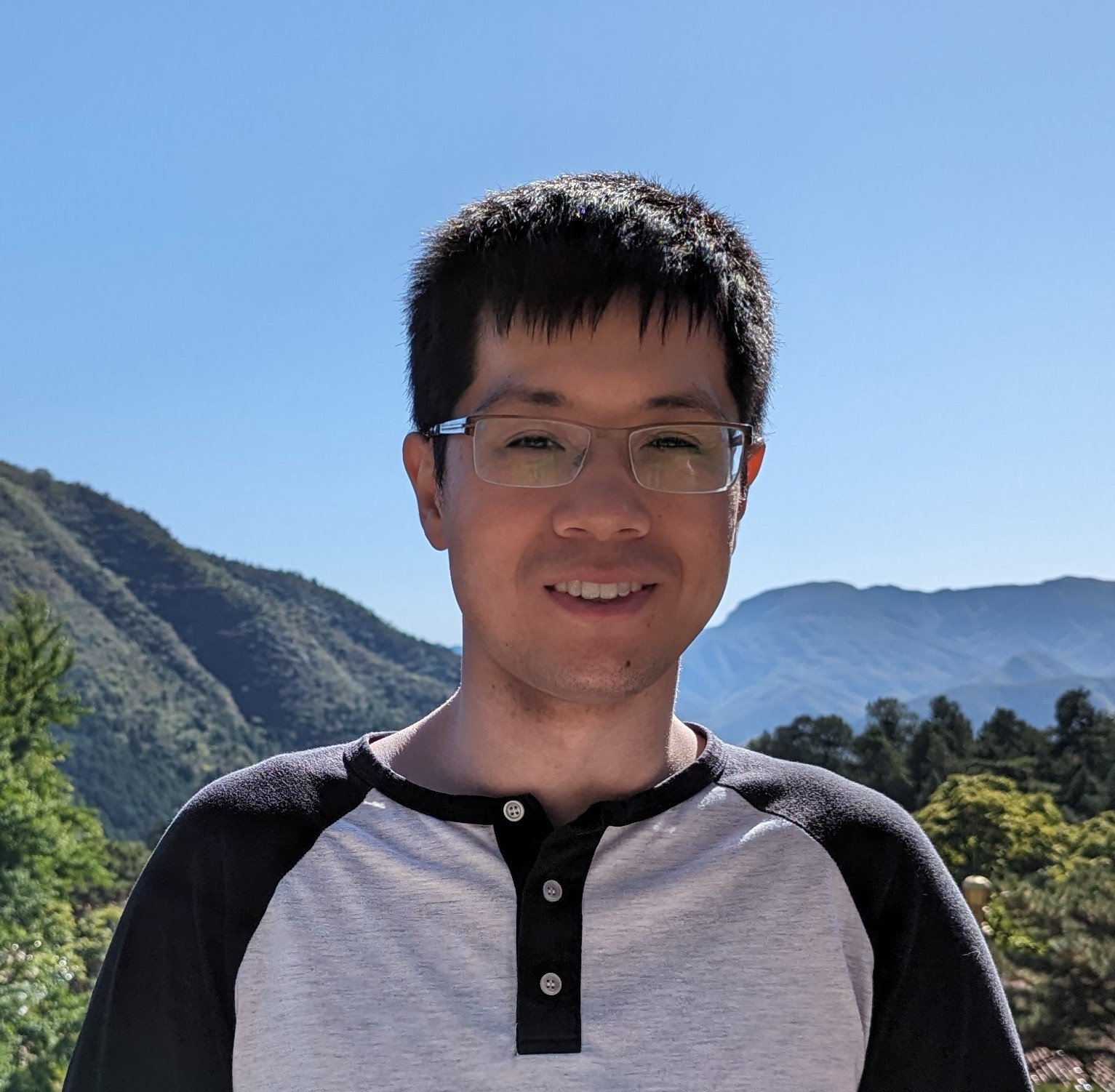
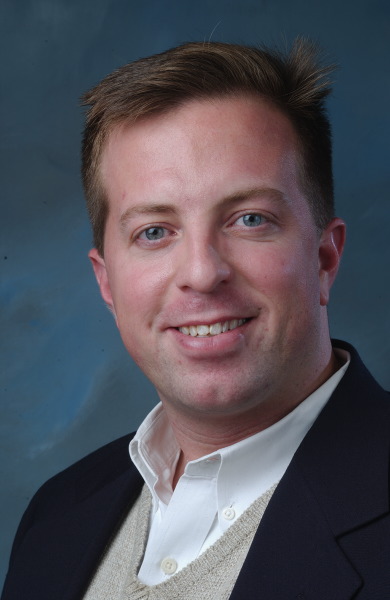
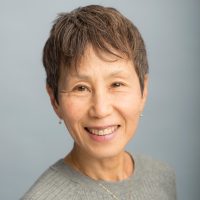
Wenhu Chen is an Assistant Professor at the University of Waterloo's Computer Science Department and a CIFAR AI Chair at the Vector Institute. He also holds a part-time role as a Senior Research Scientist at Google DeepMind (20% allocation). His research focuses on natural language processing, deep learning, and multimodal reasoning, with contributions to models like MAmmoTH, OpenCoderInterpreter, and VISTA. He received awards including the Canada CIFAR AI Chair (2022) and the UCSB CS Outstanding Dissertation Award (2021). Education: PhD in Computer Science from the University of California, Santa Barbara (under William Wang and Xifeng Yan). Research interests include complex reasoning, controllable GenAI, and multimodal benchmarks like MEGABench and MMMU. Grants include CIFAR AI Chair Funding (2022-2027), NSERC Discovery Fund (2023-2028), and multiple NRC Canada grants. He directs the TIGER Lab, advancing generative models in text, images, videos, and music. Recent talks include presentations on multimodal reasoning at Apple and NeurIPS workshops.
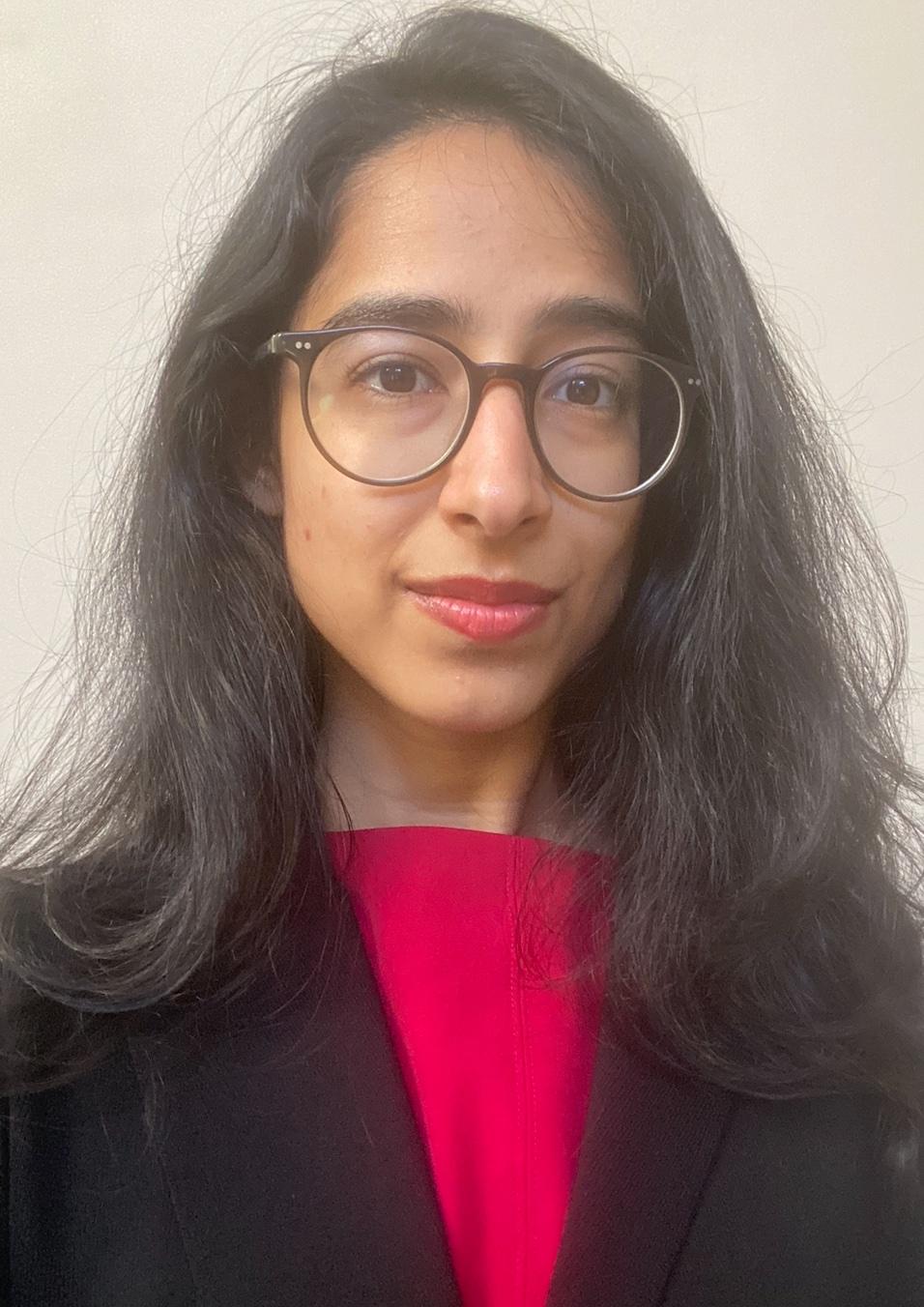
Tiraana Bains is an Assistant Professor of History at Brown University, specializing in modern Britain and the global British Empire. Her research investigates the contested formation of the British imperial state in South Asia between the 18th and 20th centuries, emphasizing participatory and revolutionary dimensions of imperial governance. PhD, Yale University, 2021 MA, Yale University, 2015 BA, Yale University, 2015 Postdoctoral Fellowship, Modern Intellectual History, Dartmouth College, 2021–2023 Her research interests lie at the intersection of imperial history, political authority, and intellectual frameworks of empire. She examines how both elite and non-elite actors across Britain and South Asia contested and shaped imperial rule, taxation, and labor systems. Her work positions British imperial formation not merely as coercion but as a dynamic, ideologically charged process comparable to revolutionary state-building in America and France. The recent publications reflect a deep engagement with sovereignty, imperial connectivity, and the intellectual history of empire. Her articles explore the collapse and reconstitution of imperial presidencies, dual sovereignty between Mughal and British powers, and broader conceptual attempts to 'think the empire whole.' These works span journals in British, global, and South Asian history, indicating a transregional and interdisciplinary approach. While no formal scientific awards are listed, her publications in leading historical journals and her active research program suggest strong scholarly recognition. Tiraana Bains teaches undergraduate courses at Brown, including HIST 1267: The Global British Empire, 1600–The Present and HIST 1974E: The Intellectual History of Imperialism . She is currently completing a book titled Instituting Empire: The Contested Makings of a British Imperial State in South Asia, 1750–1800 , which promises to make a significant contribution to the field. Her postdoctoral training at Dartmouth further underscores her expertise in intellectual history. Though no lab or research team is mentioned, her collaborative publications suggest engagement with a broader scholarly network at Brown and beyond.
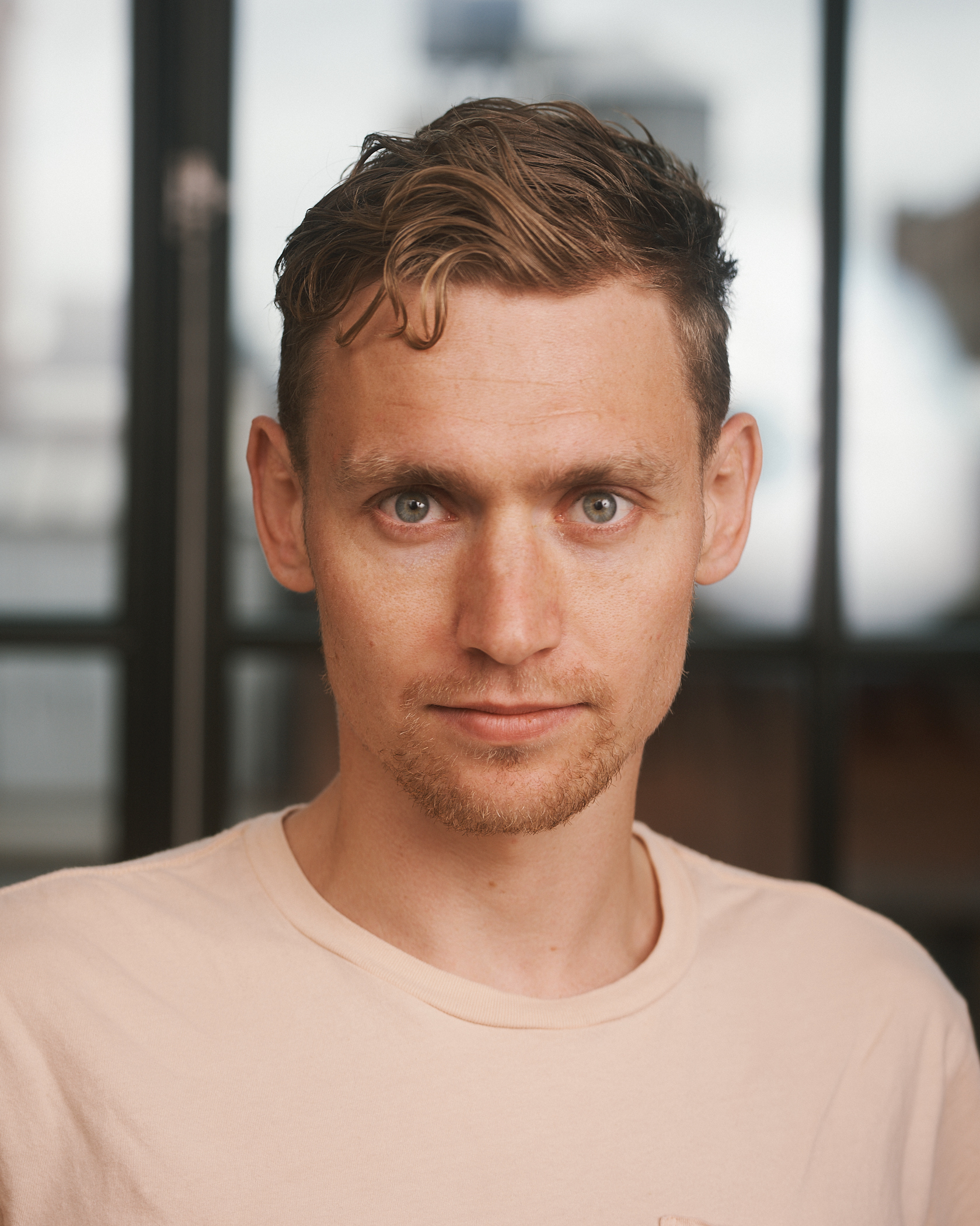
Benedikt Bünz is an Assistant Professor of Computer Science at New York University's Courant Institute of Mathematical Sciences. He is also a co-founder and chief scientist of Espresso Systems, where he applies his research expertise to real-world blockchain solutions. His academic work bridges theoretical cryptography with practical blockchain implementations, focusing on enhancing privacy, security, and usability of decentralized systems. Dr. Bünz's research centers around applied cryptography, consensus mechanisms, and game theory as they relate to cryptocurrencies. His work spans zero-knowledge proofs, verifiable delay functions, secure multi-party computation, and privacy-preserving protocols. He has made significant contributions to Bulletproofs, a zero-knowledge proof system deployed on blockchains like Monero, and pioneered research in verifiable delay functions which are now part of Ethereum 2.0's design. His recent work focuses on recursive proof systems, accumulation schemes, and efficient verification techniques for blockchain scalability. His publication record shows a consistent progression from foundational cryptographic primitives to practical blockchain implementations. Recent work demonstrates increasing sophistication in recursive proof systems (ProtoStar, HyperPlonk), novel accumulation techniques (ARC, DewTwo), and foundational work on randomness generation (VDFs). His research consistently bridges theoretical cryptography with real-world blockchain applications, resulting in protocols that are both theoretically sound and practically implementable across multiple blockchain platforms. Dr. Bünz actively contributes to the academic community through teaching and mentorship. He teaches courses on cryptography of blockchains and computer security at NYU, providing students with hands-on experience in blockchain security and cryptographic protocols. His industry engagement through Espresso Systems demonstrates his commitment to translating academic research into practical solutions for the blockchain ecosystem.
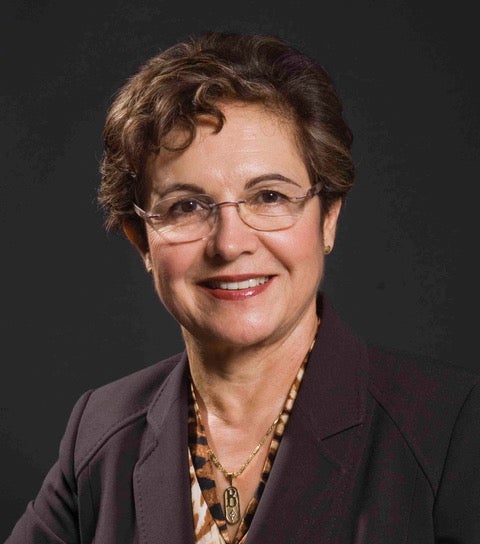
Professor Stephen Chan is a faculty member at SOAS University of London in the Department of Politics and International Studies (POL) . With a focus on African political thought and international relations, his work critically examines postcolonialism, decoloniality, and global governance. Key research themes include: Decolonizing international relations theory Sino-African political dynamics Election observation and democratic processes Non-Western cosmopolitanism Comparative diplomatic practices His recent publications analyze the ideological ambiguity of decoloniality (2023), pluralist visions for global security (2017), and the legacy of African liberation movements (2021). He has advised multiple theses on topics ranging from parliamentary governance in Kenya/Zimbabwe to China-Africa media interactions. Notably: Critiqued the misuse of 'decoloniality' as ideological rhetoric (2023) Authored a poetic autobiography of political engagement (2022) Traced Africa's intellectual history of freedom (2021) Examined Zimbabwean elections (2017) Explored non-Western modernity (2018)
Professor Victor Fung is a leading academic in neurology and motor control at the Sydney Medical School , University of Sydney. He serves as Director of the Movement Disorders Unit at Westmead Hospital and holds prominent roles in the International Parkinson and Movement Disorder Society (President) and the Asia Pacific Affairs Committee of the Australian and New Zealand Association of Neurologists. His research focuses on Parkinson's disease , dystonia , tremor , and movement disorder genetics , with over 250 peer-reviewed publications and an h-index of 61. His work spans Clinical trials for Parkinson's treatments (e.g., foslevodopa/foscarbidopa infusion, incobotulinumtoxinA) Genetic studies on dystonia and Parkinsonism Neurophysiological assessments of tremor and balance Development of screening tools for dystonia and Parkinson's complications Key article trends highlight genetic diversity in dystonia, neuroinflammatory mechanisms in tremor, and behavioral neurology in Parkinson's disease. He contributes to editorial boards of npj Parkinson's Disease , Journal of Clinical Movement Disorders , and Faculty Opinions . While no explicit student lists are provided, his collaborations span global institutions. His clinical work at Westmead Hospital addresses device-assisted therapies and complex movement disorders.
Professor David C. Dunand is a faculty member in the Department of Materials Science and Engineering at Northwestern University , where he leads the Dunand Research Group . His work focuses on mechanical metallurgy of advanced metallic materials, including alloys, composites, and foams, with applications in energy-efficient transportation and biomaterials. He also investigates additive manufacturing techniques like laser powder-bed fusion and 3D ink extrusion. Research Interests: Physical and mechanical metallurgy of multiphase metals Additive manufacturing (ink extrusion, selective laser melting) Green/sustainable metal production In situ X-ray tomography for microstructure analysis Metallic foams and scaffolds Thermoelectric materials Recent Publications show expertise in redox cycling stability, precipitation strengthening, and hierarchical microstructures, with applications in batteries, shape-memory alloys, and high-entropy systems. Awards: TMS Fellow (2012) Structural Materials Division Distinguished Scientist/Engineering Award (2008) Fellow, ASM International (2007) Department Teacher of the Year (1998) He has held leadership roles including Co-Director of the Initiative for Sustainability and Energy at Northwestern (2008-2015) and Visiting Professor at École Polytechnique Fédérale de Lausanne (2000). The group operates a SISMA MYSINT 100 laser powder bed fusion machine and collaborates extensively.
Professor Adam Yuet Chau is a Fellow and Director of Studies at St John's College and holds the Professor of the Anthropology of China position at the Faculty of Asian and Middle Eastern Studies, University of Cambridge . His academic journey includes training at Stanford University (PhD in Anthropology, 2001) and teaching roles at Oxford and SOAS before joining Cambridge in 2008. Focus on Chinese religions and their social dimensions Specializes in ritual theory and cultural transformations Develops comparative frameworks for understanding religious practices His research spans religion under socialism , hosting in political/religious contexts , and ritual polytropy . Recent projects include editing Chinese Religious Culture in 100 Objects and analyzing 'spheres' (界) in Chinese society . Publications like Miraculous Response (2006) and Religion in Contemporary China (2011) establish him as a key figure in religious anthropology. Current and past PhD/MPhil students explore topics from temple festivals in Taiwan to religious subjectification . He actively reviews for leading presses (Cambridge, Oxford, Harvard) and journals ( Ethnos , Modern China ), and participates in international academic workshops.
William S. Horton (Sid) is an Associate Professor in the Department of Psychology at Northwestern University , where he has taught since 2005 and directed the Cognition and Communication Lab (Cresap 108). Starting in September 2025, he will serve as Chair of the Department of Linguistics . His research focuses on socio-cognitive mechanisms in language use, particularly discourse pragmatics , perspective-taking , and non-literal language processing . Education: B.S. in Psychology/German from Duke University (1991), M.A. and Ph.D. in Cognitive Psychology from University of Chicago (1994/1999) Previous roles: Postdoctoral research at SUNY-Stony Brook, Cognitive Aging at Georgia Tech Research trends from his 20+ years of publications include common ground , memory processes , figurative language , and age-related communication changes . His work increasingly incorporates computational text analysis and real-time digital communication studies. Awards : Fellow, Society for Text and Discourse Students : Supervised Ph.D. theses on conversational alignment, common ground activation, and digital communication. Undergraduate honors projects explore inhibitory deficits, speech internalization, and perspective-taking in bilingualism. Cognition and Communication Lab investigates language processing in spoken/written contexts using experimental methods and computational models.
Emily A. Gasser is an Associate Professor in the Linguistics Department at Swarthmore College , specializing in Austronesian languages , Wallacea & northwest New Guinea , and language documentation . Her research spans phonology, morphology, typology , and language contact , with a focus on endangered languages and computational phylogenetics . She is currently on sabbatical for the 2025-26 academic year, conducting fieldwork in Manokwari, writing a Wamesa grammar, and developing new courses. Research Interests include: Language documentation and fieldwork in Austronesian and Papuan-speaking regions Phonological variation and vowel harmony systems Typological surveys of adnominal possession and morphological structures Interaction between prosodic features in media speech and socio-phonetics Computational tools for historical linguistics and classifier system analysis Recent publications focus on vowel harmony , prosodic perception , and possessive constructions across Wallacea and Northwest New Guinea. She edits volumes on Austronesian-Papuan language contact and contributes to open-access research initiatives.
Dr. Yildiz Bayazitoglu is the Harry S. Cameron Professor of Mechanical Engineering and Professor of Materials Science and NanoEngineering at Rice University since 1996. She joined Rice in 1977 and has held prior roles as an assistant professor at Middle East Technical University (1973–74) and a visiting assistant professor at the University of Houston (1975–76). Her education includes a B.S. from Middle East Technical University (1967), and M.S. and Ph.D. from the University of Michigan (1969 and 1974). Her research focuses on convective heat transfer with phase change , micro/nano-scale heat transfer , and radiation heat transfer . Key areas include thermal modeling of biomedical systems, containerless materials processing, and fuel cell design. She has pioneered work on nanofluids, interfacial thermal resistance, and radiation shielding for aerospace applications. Dr. Bayazitoglu has published over 200 technical papers and holds patents in thermal engineering. She authored two heat transfer textbooks and serves as Editor-in-Chief of the International Journal of Thermal Sciences . Her honors include ASME’s Heat Transfer Memorial Award, AAAS and AIAA Fellowships, and membership in the Turkish Academy of Sciences. Education: B.S., Middle East Technical University (1967) M.S., University of Michigan (1969) Ph.D., University of Michigan (1974) Leadership Roles: Former Vice-President of the International Center for Heat and Mass Transfer (2019–2021) Member of Turkish Academy of Sciences Energy Sources Committee (2017–2018) Her work bridges thermal engineering with biomedical, aerospace, and materials science applications, emphasizing practical solutions to complex thermal challenges.
Andrew J Fleck is an Associate Professor in the English and Comparative Literature Department at San José State University, affiliated with the College of Humanities and the Arts. He has been teaching since 2001, specializing in Early Modern British Literature with a focus on Dutch-English cultural relations between 1588-1688. Fleck holds a PhD from Claremont Graduate University (2000). His research explores how Dutch figures influenced English literary and cultural imagination, including studies on John Donne, Thomas Nashe, and early modern drama. He has published widely in journals like Studies in Philology and Journal of British Studies , with a particular emphasis on textual analysis, historical narratives, and cross-cultural exchanges. Fleck’s work spans from examining the role of Dutch language performances in early modern theater to analyzing the representation of national identity in texts like The Shoemaker’s Holiday . His recent publications (2013) include studies on John Donne’s engagement with astronomical themes and global adaptations of Macbeth . He maintains an active presence in academic encyclopedias, contributing entries on Milton’s Dutch connections and Renaissance authors. His scholarship bridges literary analysis with historical context, often highlighting how literature reflects political, religious, and cultural tensions of the period. Fleck’s teaching and research reflect a commitment to interdisciplinary approaches, integrating historical, linguistic, and cultural methodologies.
Julie Rak is the HM Tory Chair and Professor in the Department of English and Film Studies at the University of Alberta. She holds a BA and PhD from McMaster University and an MA from Carleton University. Her research focuses on auto/biography, life writing, and nonfiction in North America, with specialties in gender, Canadian literature, and publishing studies. She has authored or co-edited numerous books, including False Summit: Gender in Mountaineering Nonfiction (2021) and The Routledge Introduction to Auto/biography in Canada (2023). Rak’s academic roles include interim Chair of the EFS Department (2023–2024) and leadership in the Stories of Change research group. She has received prestigious awards such as the J. Gordin Kaplan Award (2023) and the Killam Annual Professorship (2017–2018). Her research explores marginalized narratives, including Inuit literature and digital life writing, with a commitment to inclusivity and community engagement. Her teaching spans undergraduate and graduate courses on autobiography, gender theory, and Canadian literature. She actively supervises research projects and supports student initiatives like the Roger Smith Undergraduate Research Award. Rak’s work bridges academic rigor with public scholarship, with over 90 media engagements. Education: PhD in English, McMaster University MA in Canadian Studies, Carleton University BA in English, McMaster University Grants & Projects: SSHRC Insight Grant for Government Agents, Literary Agents: Inuit Books and Government Intervention, 1968–1985 Leadership in the Stories of Change initiative Awards & Honors: Fellow of the Royal Society of Canada (2022) Henry Marshall Tory Chair (2019–2025) 2024 Visiting Professor at Merton College, Oxford
Ryuko Kubota is a Professor in the Department of Language and Literacy Education at the University of British Columbia (UBC), Faculty of Education, since 2009. Her research spans critical applied linguistics , race and language education , and decolonial pedagogies . She has contributed extensively to understanding language ideologies , multicultural education , and critical literacies . Education: BA in English Linguistics, Rikkyo University (1980) MAT in TESOL, School for International Training (1987) PhD in Education, OISE/University of Toronto (1992) Her research interests focus on the intersection of race, language policies, and critical pedagogies. She examines neoliberal paradoxes in language learning, translingual practices , and antiracist engagement in global contexts. Her work addresses systemic inequities in English language education and immersion programs . Recent publications highlight critical approaches to World Englishes , AI-assisted writing , and raciolinguistic hegemony . These studies span interdisciplinary sub-fields including critical race theory , decolonial education , and language teacher identity . Scientific awards include the DSSA Award 2020 . She supervises graduate students like Charu Gupta (PhD) and collaborates with institutions such as the Language Sciences Institute at UBC. Her teaching includes courses on critical multicultural education and language politics .
Tom Veldkamp is a Professor and Rector Magnificus at the University of Twente. His research focuses on Quaternary geology, geomorphology, and coupled human-ecological systems. He has supervised 32 PhD theses and currently advises 2 ongoing projects. His fieldwork spans over 30 countries, including Indonesia, Turkey, and Rwanda. Editorial Roles: Editor-in-Chief of Agriculture Ecosystems and Environment , former editorial roles at Landscape Ecology , Ecosystems , and others. Research Themes: Land use change modeling, soil dynamics, and sustainable development. Key regions of study include Sundaland (Indonesia), Mediterranean landscapes, and Rwanda. Recent Contributions: Over 230 publications, including landmark studies on hominin fossils in Java and landscape evolution models. His work addresses global challenges like environmental sustainability and land-use transitions, with a focus on integrating natural and social sciences.
Casey Reas is a Professor of Design Media Arts at the University of California, Los Angeles (UCLA), within the UCLA School of the Arts and Architecture. Previously, he served as an Associate Professor at Interaction Design Institute Ivrea (2001–2003). His academic background includes a BSc in Design from the University of Cincinnati (1996) and an MSc in Media Arts and Sciences from MIT (2001). Reas co-created the open-source programming language Processing with Ben Fry, revolutionizing visual arts and education globally. He is renowned for blending art and technology, creating generative works exhibited in institutions like the Centre Georges Pompidou and the Whitney Museum of American Art. His research focuses on computational aesthetics, algorithmic art, and digital media's intersection with music and design. Education: Bachelor of Science in Design, University of Cincinnati, 1996 Master of Science in Media Arts and Sciences, MIT, 2001 Research Interests: Reas explores the synergy between code and creativity, emphasizing generative systems, real-time visualization, and interactive installations. His work often addresses themes of randomness, pattern formation, and human-computer interaction. Notable projects include Processing language development, music video collaborations with The National, and immersive installations like Sketch Machine and Warm Up . Recent Collaborations: Music videos for The National’s Sleep Well Beast (2017), blending algorithmic visuals with Grammy-winning music. Interactive installations such as Impure Functions (2017) and Warm Up (2017), co-created with UCLA’s Conditional Studio. Public commissions like Sketch Machine (2018), an open-source drawing tool for GIPHY. Awards: Contributor to The National’s Grammy Award for Best Alternative Music Album ( Sleep Well Beast , 2018). Labs/Teams: Reas leads the Reas Studio and collaborates with UCLA’s Arts Conditional Studio, focusing on experimental software, generative art, and interdisciplinary projects.