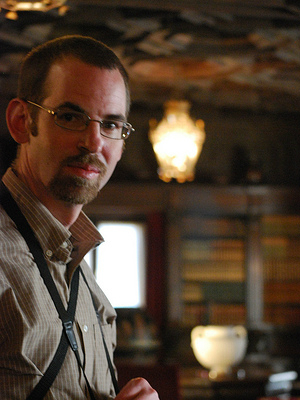
Charles Lipp, Ph.D., is a Professor of History at the University of West Georgia, affiliated with the School of Humanities within the College of Humanities, Arts, and Social Sciences. His research focuses on early modern European social and political development, particularly in France and small states like Lorraine. He holds a B.A. (1996) and Ph.D. (2004) in History from the University at Buffalo, SUNY. Dr. Lipp’s research examines nobility strategies, political alternatives in early modern Europe, and transnational histories like the Atlantic World. His notable work includes Noble Strategies in an Early Modern Small State: The Mahuet of Lorraine (2011) and articles on Lorraine governance and British imperialism. He teaches courses on the Reformation, French Revolution, historiography, and the Atlantic World. Recent teaching includes sections of World History, Senior Seminar, and graduate writing. His work bridges traditional historical analysis with digital resources, such as contributions to the World History Matters project.
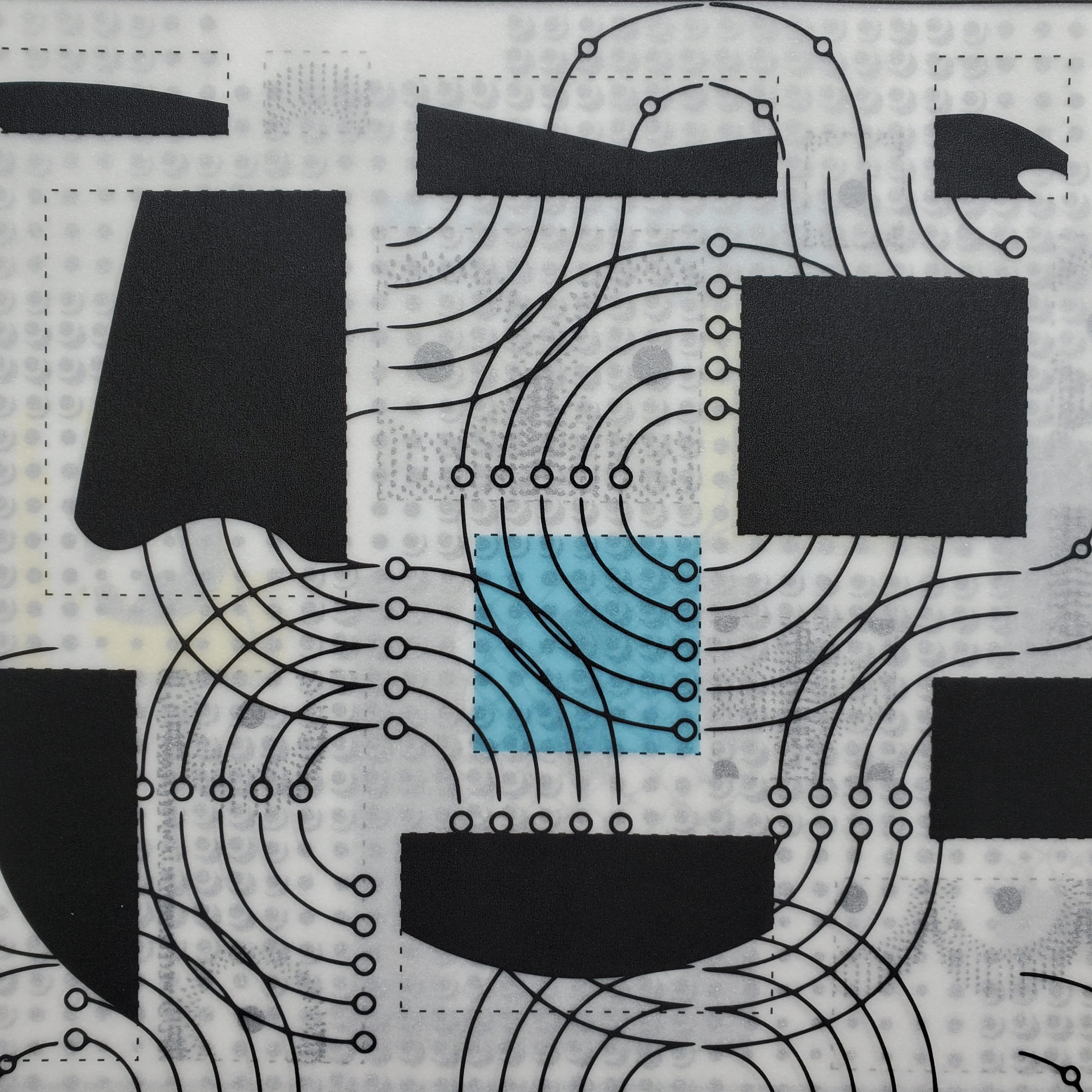
Veronica Graham is a new media artist and printmaker serving as Lecturer in Stanford University's Department of Art & Art History. Based in Oakland and Portland, she founded the design studio Most Ancient in 2010, specializing in experimental comics and exploration games. Her interdisciplinary practice bridges digital media and analog print publishing through poetic world-building that confronts contemporary environmental and social challenges. Her research centers on virtual reality narratives, climate-focused printmaking, and surrealist comics that explore internalized fictions. Key projects include the VR experience Diatribes (2024), examining fears about global warming through a haunted house framework, and the Global Warming Agitprop Posters series (2020-present) using phosphorescent materials to visualize ecological instability. She employs techniques like Wang tile systems for pattern generation and split fountain printing to stretch technical boundaries. 2025 Writer-in-Residence, Writing Space, Chicago 2024 IndieCade Impact Award Nominee for Diatribes 2022 Oculus Launch Pad Grant Recipient 2019 Best American Comics Notable Comics selection 2017 Artist’s Book Residency Grant, Women’s Studio Workshop Graham’s work appears in MoMA, NYPL, and SFMOMA collections. Her VR projects have been presented at Kala Art Institute, Printed Matter (NYC), and Sónar+D. As an educator, she lectures on virtual reality at Stanford and has conducted workshops at institutions including Tufts University and UC Berkeley. Her studio Most Ancient functions as both creative laboratory and publishing platform, supporting collaborative projects like Real Milk (2023) which examines agricultural automation through translucent book design.
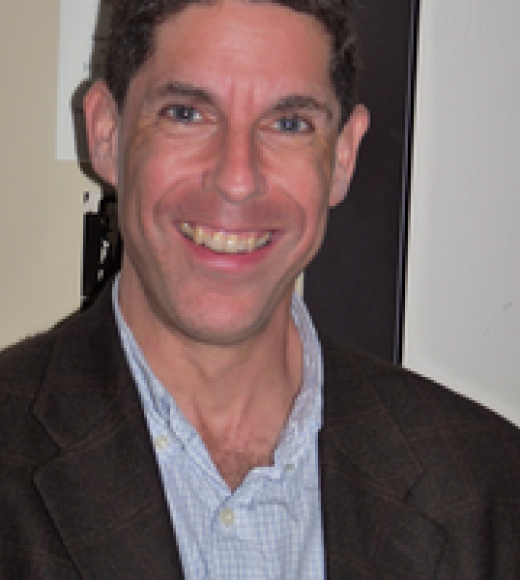
Hariharan Subramonyam is an Assistant Professor (Research) at Stanford University's Graduate School of Education and Computer Science (by courtesy) . He is also a Faculty Fellow at the Institute for Human-Centered AI (HAI) and a core member of the Stanford HCI Group . His research focuses on augmenting human learning, creativity, and sensemaking with AI, informed by cognitive psychology and collaborative design practices. Research Interests: Human-Computer Interaction (HCI) Learning Sciences Generative AI Educational Technology Assistive Technology Cognitive Psychology Recent Trends: Designing AI tools for education and creative coding Co-developing AI experiences with multidisciplinary teams Ethical and responsible AI frameworks Accessible interfaces for visually impaired users Scientific Awards: Best Paper Award, CHI 2025 Best Paper Honorable Mention, CHI 2025 Best Paper Award, ASSETS 2024 Best Paper Award, UIST 2023 Best Paper Award, IUI 2021 Best Paper Award, CHI 2020 Advising & Grants: Co-advising PhD student Neha Rajagopalan Mentoring 23+ student researchers Principal Investigator on HAI Hoffman Yee Grant (2024) Labs & Teams: Stanford Human-Computer Interaction Group Stanford Institute for Human-Centered AI Collaborative projects with University of Michigan, Georgia Tech, and National University of Singapore
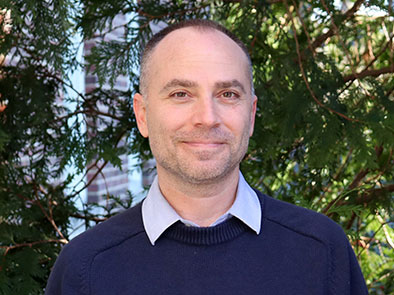
Richard L. Hasen is Professor of Law and Political Science at UCLA School of Law and Director of the Safeguarding Democracy Project. An internationally recognized election law expert, he researches voting rights, campaign finance, legislation, and disinformation's impact on democratic processes. Research analyzes judicial decision-making in election cases, campaign finance deregulation, voting access barriers, and legal remedies against electoral subversion. Recent work emphasizes disinformation's corrosive effects on democracy and proposes regulatory interventions. Publications dominate election law scholarship with recent books including 'Cheap Speech' (2022) on disinformation and 'Election Meltdown' (2020) on electoral integrity. Articles demonstrate increasing focus on democratic resilience, platform governance, and constitutional safeguards against election subversion. National Law Journal's 100 Most Influential Lawyers (2013) Top 100 California Lawyers (2005, 2016) Blawg 100 Hall of Fame (2015) Green Bag Exemplary Legal Writing Award (2018) Scribes Book Award Honorable Mention (2016) NYT Top Books on Disinformation (2022) Directs the Safeguarding Democracy Project, addressing electoral integrity through research and policy advocacy. Regularly contributes legal analysis for major media outlets and maintains the influential Election Law Blog.
Alexander Manshel is an Associate Professor in the Department of English at McGill University. His research focuses on 20th/21st-century American literature, multiethnic fiction, and literary institutions. He holds a Ph.D. from Stanford University and has taught at both McGill and Stanford. His first monograph, Writing Backwards: Historical Fiction and the Reshaping of the American Canon (2023), examines how historical recovery politics reshaped literary canons, particularly for writers of color. Current projects include a history of high school English curricula and studies on literary prizes, audiobooks, and television adaptations. Recent publications analyze National Book Award trends, literary anthologies, and the cultural role of audiobooks. Manshel has received teaching awards from McGill (2023) and holds grants from SSHRC and FRQSC for research on race and literary canons. He supervises graduate students interested in contemporary literature, canon formation, and literary institutions. His work bridges digital humanities and traditional criticism, exploring how technology and cultural institutions shape literary production and reception.
Lucy Foulkes is a Prudence Trust Research Fellow at the University of Oxford’s Department of Experimental Psychology and an honorary lecturer at University College London (UCL). Her work focuses on adolescent mental health, social development, and the unintended consequences of mental health interventions. She investigates how school-based programs may inadvertently exacerbate mental health issues, particularly in vulnerable populations. Foulkes employs experimental, qualitative, and longitudinal methods to address gaps in quantitative research, emphasizing co-produced studies with adolescents. Her research explores topics such as self-diagnosis of mental disorders, the romanticization of mental health problems, and the impact of mental health awareness campaigns. She advocates for evidence-based approaches that account for social context and youth perspectives. Foulkes is a prominent science communicator, having authored books like What Mental Illness Really Is (…and what it isn’t) and contributing regularly to media outlets including The Guardian, BBC Radio, and podcasts. Key projects include analyzing how adolescents perceive mental health interventions, evaluating the role of identity development in symptom reporting, and investigating the psychosocial effects of mindfulness training. She emphasizes ethical considerations in research design, particularly regarding potential harm from universal interventions. Foulkes’ work bridges academic research and public engagement, aiming to inform policy and practice through rigorous, youth-centered methodologies. Her current projects include writing a book on adolescent development (Penguin Random House, 2024) and leading collaborative studies on mental health trends in education settings.
Michael Saler is a Professor of History at the University of California, Davis, specializing in modern European intellectual and cultural history with a focus on intersections between science, technology, literature, and secularism. His work explores how 'wonder' and 'belief' operate in secularizing societies. He holds a Ph.D. from Stanford University and a B.A. from Brandeis University. His research publications include influential works like As If: Modern Enchantment and the Literary Prehistory of Virtual Reality (2012) and The Fin-de-Siècle World (2014), both recognized with prestigious awards. His teaching portfolio includes courses on modern European intellectual history, historiography, and interdisciplinary topics like 'Science Fiction and Modernity' in the Honors Program. Education: Ph.D., History and Humanities, Stanford University, 1992 B.A., History & European Cultural Studies, Brandeis University, 1985 Research interests span modernism, enchantment theory, and the cultural history of science. His writing appears in venues like The Washington Post and Times Literary Supplement . He has received multiple teaching awards including the Academic Senate Distinguished Teaching Award (1999). Awards: Choice Outstanding Academic Title (2015) Huffington Post 'Best Book' (2012) Stanford Humanities Center Fellowship (2001) His advising and grants history, while not detailed here, reflects sustained engagement with graduate mentorship in modern European studies. His work frequently bridges humanities disciplines, emphasizing narrative as a lens for understanding modernity's complexities.
Michael Fox is a Teaching Assistant Professor in the School of Information and Library Science (SILS) at the University of North Carolina at Chapel Hill. Prior roles include Senior Lecturer and Academic Director for the Digital Studies of Language, Culture, and History program at the University of Chicago, and Assistant Editor/Software Architect of the William Blake Archive. He holds a PhD in English and BS in Computer Science. His research bridges literary criticism and information science, focusing on digital humanities, AI ethics, and textual studies. Key areas include graph databases, network analysis, and AI methods in literary history, alongside studies of Aestheticism, poetics, and literary history. His first book examines intersections between literary and historical writing, using computational approaches like graph databases. Michael has contributed to the William Blake Archive, a pioneering digital humanities project, and serves on the editorial board of Textual Cultures . His courses span literature, information science, and their intersections (e.g., Digital Humanities, The Idea of AI). His work earned the ADE 2017 Featured Project award for the Blake Archive's redesign. Grants and advising details are pending explicit mentions in texts.
Christian Schunn is a Professor in the Department of Psychology at the University of Pittsburgh, with a focus on Learning Sciences and cognitive processes. He holds a PhD from Carnegie Mellon University. His research spans scientific reasoning, peer assessment, STEM education, and computational modeling. He leads a lab with active members including Liwei Chen and Jie Cao (PhD students) and former advisees such as Yaron Doppelt and Matt Mehalik. Key research interests include the efficacy of peer feedback in education, design-based learning in engineering, and cognitive strategies in STEM. He has contributed to over 150 publications, emphasizing peer assessment systems like Peerceptiv and their impact on learning outcomes. His work often bridges cognitive science and educational practice, addressing equity in STEM pathways and motivational factors in student performance. Lab activities include studies on team dynamics in design, computational thinking, and the role of analogical reasoning. He collaborates internationally with institutions like Northeast Normal University and the Harbin Institute of Technology. Current grants focus on improving peer feedback mechanisms and their scalability in diverse educational settings. Awards include recognition for contributions to educational technology and learning analytics. His lab is part of the Learning Research and Development Center (LRDC), fostering interdisciplinary research in cognitive and educational sciences.
Dr Julian Koplin is a Lecturer in Bioethics at Monash University's Monash Bioethics Centre. He previously held a Research Fellow position at the University of Melbourne (2018–2022). His research focuses on ethical implications of emerging technologies, including AI in healthcare, mitochondrial donation, human-animal chimeras, and organ allocation systems. Koplin has contributed to policy development through submissions to parliamentary inquiries on mitochondrial donation law reform and organ donation strategies. His work addresses cutting-edge bioethical dilemmas such as the moral status of brain organoids, ethical use of AI for consent processes, and governance of regenerative medicine. He leads projects exploring machine learning applications in embryo selection (funded 2022–2023) and epistemological issues in expertise (2014 Templeton Foundation grant). Koplin's interdisciplinary approach bridges philosophy, science, and public policy to address 21st-century biomedical challenges. Key contributions include analysis of AI text generation risks, critiques of organ market exploitation, and frameworks for evaluating human-animal chimera research. His work emphasizes balancing innovation with ethical responsibility, particularly in rapidly advancing fields like artificial intelligence and genetic engineering.
Dr. Stephanie Kulesza is an Assistant Professor at North Carolina State University (NC State), specializing in nutrient management and animal waste research. She is affiliated with the Animal Waste Management Lab, focusing on optimizing the use of animal manures in North Carolina's diverse cropping systems. Her work emphasizes maximizing crop yield and quality while minimizing environmental impacts, particularly through nutrient management strategies. Dr. Kulesza serves on critical state committees: the Senate Bill 1217 Interagency Committee (regulatory guidance for animal waste) and the Interagency Nutrient Management Committee (technical guidance). She teaches the annual Nutrient Management Training, a five-day certification course required for technical specialists writing nutrient management plans in North Carolina. Her research spans manure utilization in crop rotations, optimal application rates, and environmental risk mitigation. Key areas include soil phosphorus dynamics, poultry litter effects on weed emergence, and ammonia volatilization from manure injection. Recent studies also address antibiotic fate in soils and swine/slurry waste management. Her publications highlight themes in sustainable agriculture, environmental chemistry, and precision farming. She collaborates on applied research to bridge agricultural practices and environmental stewardship in North Carolina's agroecosystems.
Ahmed AbuRa'ed is a Researcher at the Department of Information and Communication Technologies (DTIC) at Universitat Pompeu Fabra (UPF), Barcelona. He is affiliated with the TALN research group and the Large-Scale Text Understanding Systems Lab. His work focuses on advancing knowledge in scientific text summarization, information extraction, and machine learning. Education: PhD in Computer Science (2020), UPF, Barcelona, Spain M.Sc. in Computer Science (2015), University of Trento, Italy B.Sc. in Computer Information Systems (2007), An-Najah University, Nablus, Palestine Research Interests: Natural Language Processing (NLP), Machine Learning/Deep Learning, Semantic Web, Information Extraction, Data Mining, and Scientific Document Summarization. His projects include developing systems for automatic generation of state-of-the-art reports, scientific text summarization, and cross-document relation discovery. Publications Focus: His 15 most recent articles (2016–2021) emphasize advancements in scientific literature analysis, including citation detection, text simplification, and cross-document summarization. Notable works involve systems like LaSTUS/TALN for scientific text processing and OlloBot for Arabic health dialogue agents. Labs & Teams: Active member of the TALN research group and the Large-Scale Text Understanding Systems Lab at UPF's DTIC department. Open to collaborations in NLP, Machine Learning, and related fields via email or Skype.
Robin Nelson is an Associate Professor at the School of Human Evolution and Social Change, Arizona State University. His work bridges cultural and biological anthropology, focusing on research mentorship, health inequities, and the intersection of race and science. He is affiliated with initiatives such as the NSF-funded CAMP program, emphasizing collaborative research methods. His research critiques traditional methodologies, advocating for inclusive and interdisciplinary approaches. Recent studies include exploring school choice policies in urban Arizona and the historical impacts of plantation systems on health disparities in Texas. He actively addresses systemic biases in academic frameworks, particularly in mentorship and public discourse on race. Key research interests include rethinking temporal perspectives in human behavioral evolution, rigorous qualitative data analysis in biological anthropology, and the role of applied anthropology in policy contexts. He emphasizes bridging academic and applied practices, fostering innovation through mentorship and digital tools. His work often highlights social determinants of health, gender/sex reconceptualization, and the ethical implications of scientific communication. Nelson collaborates widely, with a focus on mentorship frameworks and community engagement. His recent publications underscore the need for methodological inclusivity and transparency in addressing complex social and biological issues. He remains committed to advancing equitable practices in both research and education.
SM Rodriguez is an Assistant Professor of Gender, Rights and Human Rights at the London School of Economics and Political Science (LSE), Department of Gender Studies. They hold affiliate roles at the Mannheim Centre for Criminology and lead initiatives like Black Queer Movements and The Black Professors Pipeline. Their work integrates scholar-activism focused on penal abolition, anti-violence strategies, and the intersections of race, gender, and disability. Research expertise includes anticarceral feminism, transnational social movements, and the impact of criminalization on African diasporic communities. They have authored a monograph on Ugandan LGBTI rights advocacy and are currently writing on global abolitionist movements. Rodriguez’s methodologies emphasize engaged scholarship and transformative justice. Recent publications explore abolitionist futures, Black safety in carceral contexts, and queer anti-violence organizing. They have been awarded the AAUW American Postdoctoral Fellowship (2020-21) and contributed to organizational practices through their activism. Teaching includes LGBTQ+ Studies program leadership at Hofstra University and current roles at LSE. Rodriguez’s work bridges academia and grassroots movements, prioritizing marginalized voices in scholarship and policy.
Dr. Anna Kimberley serves as a Senior Lecturer at Haaga-Helia University of Applied Sciences in Helsinki, Finland, teaching Business Communication, Human Resource Management, Diversity Management, Organizational Behaviour, Academic Writing, and Research Methods at both Bachelor's and Master's levels. She actively mentors students through thesis development, assesses academic work, and designs curriculum components using innovative pedagogical approaches that foster critical thinking and deep conceptual understanding in business education. Her research specializes in Interpretative Phenomenological Analysis (IPA) and Narrative Analysis applied to organizational contexts, with core interests spanning multicultural teamwork dynamics, reflexivity in learning processes, mentoring relationships, AI integration in education, and cultural identity formation. She investigates how individuals construct meaning in cross-cultural workplaces through identity work and sensemaking, particularly examining expatriate experiences and narrative-based identity transformation in globalized business environments. Analysis of her 2017-2020 publications reveals consistent exploration of narrative identity in multicultural organizational life, connecting expatriate adjustment, team communication across cultural boundaries, and reflective educational practices. Her methodological approach combines IPA with narrative techniques to uncover subjective experiences, positioning her work at the intersection of organizational behavior, cross-cultural psychology, and educational innovation with strong emphasis on qualitative depth over quantitative measurement. Scientific Awards and Honors: No awards, fellowships, or medals were documented in the provided materials Dr. Kimberley provides comprehensive thesis supervision for business students from topic selection through final assessment, integrating research methods with practical business applications while emphasizing critical reflection and self-efficacy development. Her curriculum design work focuses on creating student-centered learning experiences that bridge theoretical knowledge and real-world business challenges, though specific grant funding details remain unmentioned in available sources.