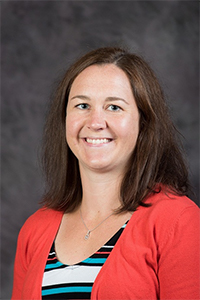
Dr. Jennifer Cheavens is a Professor in Clinical Psychology at The Ohio State University's College of Arts and Sciences, Department of Psychology. She specializes in the treatment of mood and personality disorders, with a focus on adapting therapies like Dialectical Behavior Therapy (DBT) for diverse populations, including older adults. Her research integrates emotion regulation, hope-based interventions, and positive clinical psychology to enhance therapeutic outcomes. Dr. Cheavens has held positions such as the Joan N. Huber Faculty Fellow and received accolades like the Spotlighted Mentor Award for her teaching and mentorship. Her work bridges clinical practice with research, addressing challenges in mental health treatment and promoting resilience through evidence-based approaches. Education: PhD, Clinical Psychology, University of Kansas (2002) MS, Clinical Psychology, Old Dominion University (1996) BS, Psychology, James Madison University (1994) Research Interests: Dr. Cheavens explores how emotion regulation impacts treatment efficacy, particularly in borderline personality disorder and depression. She develops interventions focused on hope, flourishing, and strengths-based approaches, including the "Pathways" program for lung cancer patients. Her work emphasizes translating lessons from high-functioning individuals into clinical settings. Awards and Recognition: 2024 Joan N. Huber Faculty Fellow 2023 Sister Accord Leadership Award 2019 George Vaillant Award 2017 Distinguished Teaching Award Advising and Grants: Dr. Cheavens has mentored numerous students and led initiatives funded by NIMH and other agencies, focusing on diabetes prevention, pain management, and culturally tailored mental health interventions. Labs/Teams: Collaborates with interdisciplinary teams in behavioral medicine, positive psychology, and clinical trials, advancing research in emotion regulation and health disparities.
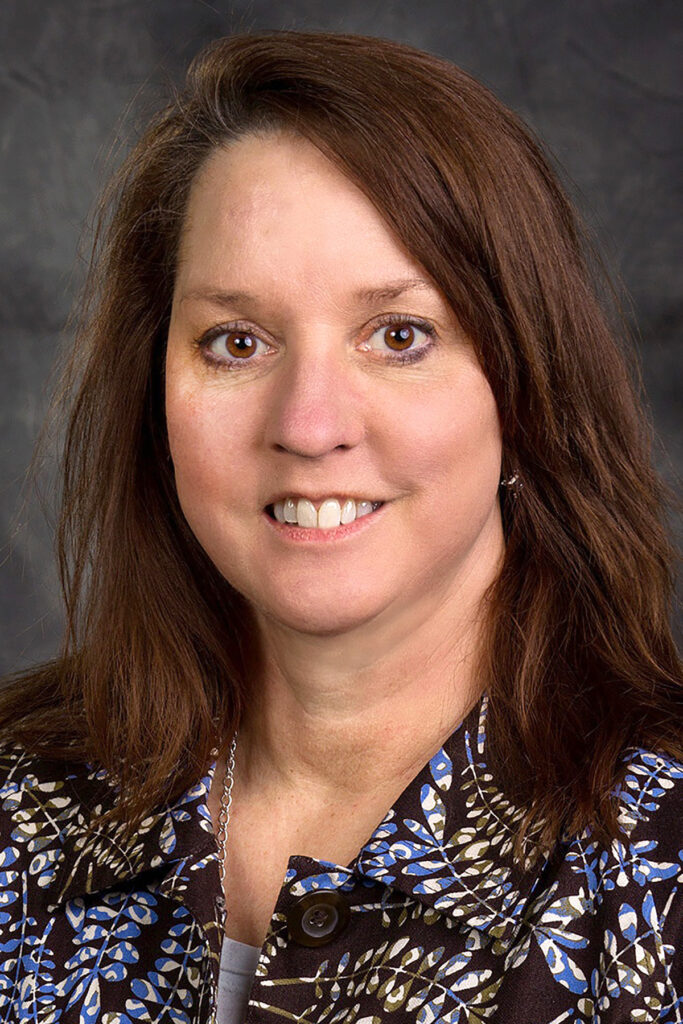
Jennifer L. Gay is an Associate Professor in the Department of Health Promotion & Behavior and affiliated with the Institute of Gerontology at the University of Georgia's College of Public Health. Her research focuses on physical activity promotion, environmental health, and community engagement. She leads the PACE Lab, which develops innovative interventions to connect physical activity with environmental stewardship (e.g., the Blue Gym of Georgia project). Dr. Gay's work emphasizes the 24-hour activity cycle framework, analyzing how occupational and leisure-time physical activity impacts health outcomes like body fat percentage. She has collaborated with municipal government worksites and institutions like Piedmont Athens Regional Hospital to advance health equity through volunteer programs and workplace interventions. Recent contributions include a study on isotemporal substitution modeling in occupational activity and presentations at the ACSM Annual Meeting. She mentors students in research and outreach, with advisees contributing to peer-reviewed publications and national conferences. Her lab's interdisciplinary approach integrates public health, environmental science, and communication strategies to foster healthier communities. Current projects aim to quantify the dual health and environmental benefits of activities like litter cleanup combined with physical activity.
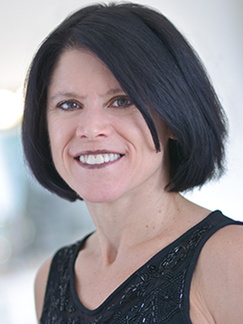
Laura Linnan, ScD, is a Professor in the Department of Health Behavior and Director of the Carolina Center for Healthy Work Design and Worker Well-Being at the University of North Carolina’s Gillings School of Global Public Health. She also leads the Total Worker Health® graduate certificate program, focusing on interdisciplinary research to improve worker and workplace health. Her roles include former Senior Associate Dean for Academic and Student Affairs (2016–2025), overseeing curriculum development, faculty promotions, and student support systems. Education: ScD in Public Health, Harvard University, 1999 MSEd in Public Health, University of Toledo, 1983 BS in Health Education, Indiana State University, 1981 Research Interests: Dr. Linnan’s work centers on multi-level interventions to reduce chronic disease disparities, emphasizing collaboration with communities and employers. Key areas include: - Workplace health policies and Total Worker Health initiatives - Occupational safety and health for diverse sectors (e.g., healthcare, construction) - Community-based participatory research in childcare, schools, and faith-based organizations - Innovative methods for process and outcome evaluations in public health interventions Key Contributions: Developed the Workplace Health in America Survey (2017), analyzing employer health program prevalence Secured NIOSH funding for the Carolina Center for Healthy Work Design (2020) Co-edited Process Evaluation for Public Health Intervention and Research (2002) Awards & Recognition: 2019 AJHP Editor-in-Chief Paper of the Year ("Results of the Workplace Health in America Survey") Paper of the Year Award for Workplace Health Research (2020) Labs/Teams: Director of the Carolina Center for Healthy Work Design and Worker Well-Being, collaborating with employers, researchers, and policymakers to design evidence-based interventions for healthcare workers, firefighters, and other high-risk groups.
Dr. Jessica M. Harris is an Assistant Professor in the Department of Health Promotion and Wellness at SUNY Oswego, serving as Internship Coordinator. She holds an Ed.D. in Executive Leadership from St. John Fisher College, an M.S. in Health Science from the University of Arkansas, and a B.S. in Community Health Education from the University of Maine at Farmington. Her research focuses on sexual wellness, HIV/AIDS education, and innovative teaching methods like Collaborative Online International Learning (COIL). Key areas of expertise include sexual health education, worksite wellness program design, and global health competency development. Dr. Harris is a certified health education specialist (CHES®) and College Reading & Learning Association (CRLA) certified. She advises the Eta Sigma Gamma health education honorary society and chairs the SUNY Oswego COLT committee. Her scholarly work has been featured in journals such as Health Promotion Practice and Health Science. Notable contributions include validating the Discover Wellness worksite program and advancing COIL initiatives to enhance global cultural competency. She received the 2021 Presidents Award for Teaching Excellence. Current projects involve mentoring student research on topics like sickle cell disease and food insecurity, while actively shaping SUNY Oswego's new advising center initiatives.
Dr. Leslie Redmond serves as an Assistant Professor in the Department of Food and Human Nutritional Sciences within the Faculty of Agricultural and Food Sciences at the University of Manitoba. Her research focuses on developing culturally grounded nutrition interventions for minoritized populations, with particular emphasis on Indigenous communities across Canada and Native American reservations in the United States. Her academic credentials include a PhD in Nutrition from Johns Hopkins University Bloomberg School of Public Health, an MSc in Exercise Physiology from James Madison University, and a BSc in Food Science from Clemson University. These diverse foundations inform her interdisciplinary approach to public health nutrition. Dr. Redmond's research program centers on three interconnected pillars: (1) theory-based, culturally appropriate nutrition interventions co-developed with communities; (2) prevention strategies for diet-related chronic diseases in marginalized populations; and (3) sustainable solutions to food insecurity among college students. Her work frequently addresses Indigenous food sovereignty, gestational diabetes in urban Indigenous women, and obesity prevention through community-centered frameworks. Analysis of her recent publication trajectory reveals consistent focus on Indigenous health contexts across North America, with significant contributions to understanding traditional food systems, community-based obesity interventions (notably the OPREVENT2 trial), and circumpolar food security challenges. Her methodological approach emphasizes community-based participatory research and culturally safe practices. Dr. Redmond actively supervises graduate students through the university's formal inquiry process and has led multi-institutional projects including the OPREVENT2 obesity prevention trial across six Native American communities. Her research demonstrates strong community partnerships with Indigenous organizations in Manitoba, Alaska, and reservation communities throughout the United States, translating evidence into practical health solutions for vulnerable populations.
Dr. Marc A. Adams serves as the Assistant Dean of Education and Interim Program Director of the MPH in the School of Technology for Public Health at Arizona State University, while also holding a Professor position in the College of Health Solutions. He maintains additional affiliations with the Institute for Social Science Research as both a faculty member and Affiliated Faculty, and serves as a Senior Global Futures Scientist within the Global Futures Scientists and Scholars program. His academic leadership spans multiple institutional units focused on public health innovation and research. Dr. Adams' educational background includes a PhD in Public Health from the University of California, San Diego and San Diego State University (2009), an MPH in Public Health from San Diego State University (2003), a BA in Psychology from San Diego State University (2001), and postdoctoral training in Cardiovascular Epidemiology and Prevention at the University of California, San Diego (2011). As a behavioral scientist and epidemiologist, Dr. Adams' research spans the intersection of digital health interventions, physical activity promotion, and behavioral nutrition within diverse neighborhood contexts. His work integrates advanced AI and deep learning techniques to map pedestrian environment features across thousands of US neighborhoods, revealing critical inequities in built environments. He develops and tests interventions that consider how urban planning features interact with behavior change strategies to increase physical activity and healthy eating, particularly among underserved populations. His methodological expertise includes epidemiologic methodology, clinical trial design, and the development of ecological models for understanding behavior-environment interactions. Dr. Adams is an active member of the International Physical Activity and Environment Network (IPEN), contributing to international comparative research on how city design influences physical activity levels across 14 global cities. Dr. Adams' recent publications reveal a strong focus on neighborhood walkability, digital health interventions, and the use of AI to analyze built environments for public health purposes. His research consistently examines how environmental features moderate the effectiveness of physical activity interventions, with particular attention to socioeconomic disparities. The methodological approaches in his work span from traditional epidemiological studies to cutting-edge computer vision applications for analyzing street-level imagery at scale. Dr. Adams has secured substantial research funding from multiple sources including NIH, American Heart Association, and Robert Wood Johnson Foundation. His current projects include "Developing AI-measures of Pedestrian Environment Features for Physical Activity and Cancer Prevention in Rural Communities" (NIH/NCI, $413,673), "PED-PHAM: An Automated and Scalable Spatial Tool" (NIH/NHLBI SBIR, $275,000), and "WalkIT Arizona: Neighborhood walkability and moderation of adaptive interventions for physical activity" (NIH/NCI, $2,620,000). He serves as Principal Investigator on multiple projects while also collaborating as Co-Investigator on large-scale international studies through IPEN. His grant portfolio demonstrates expertise in both intervention development and environmental measurement, with a consistent focus on translating research findings into practical applications for public health practice. Dr. Adams leads research teams focused on developing and validating AI tools for assessing pedestrian environments and testing how these environmental features interact with digital health interventions. His work with the International Physical Activity and Environment Network connects him to a global consortium of researchers examining built environment influences on physical activity across diverse cultural contexts. His laboratory work bridges computer science, public health, and urban planning disciplines to create innovative approaches for measuring and improving neighborhood environments that support healthy behaviors.
Nikole Prince serves as an Instructor in the Department of Sport Management, Wellness, and Physical Education at the University of West Georgia, teaching since Spring 2022 across Health and Community Wellness, Physical Education, and Personal Wellness and Leisure Activities programs. Her academic credentials include a Bachelor of Science in Interdisciplinary Studies from the University of West Georgia (2019) and a Master of Science in Health and Human Performance from Georgia College and State University (2021). With professional experience in exercise leadership, personal training, fitness facility management, and health promotion, her research and teaching interests encompass Health Promotion, Exercise Science, Wellness Leadership, Fitness Training, Nutrition, Sexual Health, and Worksite Wellness. Mrs. Prince maintains active professional certifications: American Council on Exercise: Certified Personal Trainer, Group Fitness Instructor, Fitness Nutrition Specialist American Heart Association: BLS First Aid and CPR Instructor Precision Nutrition: Certified Level 1 Nutrition Coach, Pre- and Post-natal Coach She teaches diverse courses such as Exercise Leadership, Sexual Health & Wellness, Technology in Health & Community Wellness, Functional Anatomy, and Personal Wellness. There is no public information regarding her advising of graduate students or research grants.
Ron Z. Goetzel, PhD, MA, is a Senior Scientist and Director of the Institute for Health and Productivity Studies (IHPS) at the Johns Hopkins Bloomberg School of Public Health. His work bridges academia, business, and healthcare policy to advance health and productivity management (HPM), return-on-investment (ROI), and workplace wellness programs. Previously, he held faculty positions at Emory and Cornell Universities. Education: PhD (1982), MA (1975), and BS (1972) from New York University and City College of New York. Research Interests : Workplace health promotion, ROI of wellness programs, health risks, applied social psychology, and prevention strategies. His work emphasizes translating research into actionable policies and programs for employers and healthcare systems. Recent Article Trends : Focus on pandemic impacts on worker mental health, workplace stress management, and tools like the CDC Worksite Health ScoreCard. His studies explore how organizational practices and policies influence health outcomes and business performance. Awards : Woodward Lecture Award (2002) Award for Excellence in Value Purchasing (2008) Mark Dundon Research Award (2011) Editor’s Choice Article, American Journal of Health Promotion (2019) Leadership & Grants : Directs IHPS, leading projects funded by CDC, World Bank, IMF, and RWJF. Projects include developing mental health strategies, health accountability dashboards, and evidence-based wellness programs. Labs/Teams : Oversees IHPS, a collaborative hub for health-productivity research, and contributes to initiatives like the CDC’s Worksite Health ScoreCard and the WHO’s Total Worker Health® programs.
Bhibha Mayee Das is an Associate Professor in the Department of Kinesiology at East Carolina University's College of Health and Human Performance. With a translational research focus bridging practice and research, she develops sustainable physical activity interventions for chronic disease management among college students, workplaces, and underserved populations. Member of American College of Sports Medicine Active in National Association of Chronic Disease Directors (2016-2023) Recipient of multiple ECU teaching and research awards Her research emphasizes type 2 diabetes prevention , community-based health programs , and workplace wellness initiatives , particularly for African American women and university staff. Recent publications highlight innovative interventions involving music therapy for caregivers and digital health promotion strategies. Awardees include: 2018-2019 Scholar-Teacher Award 2018 Campus Living Honored Instructor 2017 Pioneer Spirit Award 2016 Mentor Award Nominee She has secured multiple NIH and foundation grants for interventions including Project MOMS , Soul FOOD , and MY CARE programs targeting Parkinson's caregivers. Her teaching integrates service-learning models with community partnerships, particularly involving shelter dogs for student wellness programs.
Noe C. Crespo is a Professor in the Department of Health Promotion and Behavioral Science at San Diego State University. His research focuses on reducing health disparities through multi-level community- and family-based interventions, particularly targeting chronic disease prevention among Latinos and underserved populations. He has expertise in behavioral interventions related to physical activity, healthy eating, and sedentary behavior reduction in worksites, and has recently expanded his work to address COVID-19 prevention, testing, and vaccination strategies in underserved communities. PhD in Public Health (Health Behavior) from San Diego State University/University of California San Diego (2009) MPH in Epidemiology/Biostatistics from University of Southern California (2005) MS in Exercise Physiology and BS in Exercise Science from California State University Los Angeles (2003) Dr. Crespo's research spans areas including cardiovascular health, obesity prevention, and health equity, with a strong emphasis on community engagement in settings like schools, clinics, and parks. He currently leads three NIH R01 projects and an NIMHD-funded pre-doctoral training program (ALIADOS) focused on Latino health.
Dixie L. Thompson is a Professor and currently serves as Vice Provost and Dean of the Graduate School at the University of Tennessee, Knoxville. She holds appointments in the Department of Kinesiology, Recreation, and Sport Studies (KRSS) within the College of Education, Health, and Human Sciences. Her research focuses on the role of physical activity in health promotion, particularly in women, improving exercise adherence, body composition assessment, and training kinesiology students. She has received funding from the USDHHS-HRSA and holds fellowships from the American College of Sports Medicine and the National Academy of Kinesiology. Thompson is also the Editor-in-Chief of ACSM’s Fit Society Page newsletter and co-editor of the 6th edition of *Fitness Professional’s Handbook*. Her educational background includes a PhD and MA in Exercise Physiology from the University of Virginia and the University of North Carolina, Chapel Hill, respectively, and a BA in Physical Education from the University of North Carolina, Chapel Hill. Her work spans applied exercise physiology, sport psychology, biomechanics, and epidemiology, with a focus on translating research into practical applications for public health. Thompson’s recent publications (2011–2014) emphasize physical activity measurement, wearable technology validation, sedentary behavior interventions, and obesity-related studies. Her research frequently addresses methodological challenges in assessing physical activity and its impacts on health outcomes, particularly in diverse populations such as adolescents, adults, and pregnant women. Awards: Fellowships from ACSM and National Academy of Kinesiology Grants: Current funding through USDHHS-HRSA Labs: Collaborates with multiple labs including the Applied Exercise Physiology Laboratory and Physical Activity Assessment Laboratory at UT.
Overview Emily L. Mailey is an Associate Professor of Exercise Behavioral Science in the Department of Kinesiology at Kansas State University (KSU). She serves as the Graduate Program Coordinator and directs the Physical Activity Intervention Research Lab. Her work focuses on promoting physical activity among working mothers, reducing workplace sedentariness, and developing web-based interventions for health promotion. Education PhD, University of Illinois at Urbana-Champaign (2012), Exercise Psychology MS, Ball State University (2007), Sport & Exercise Psychology BA, St. Olaf College (2005), Exercise Science and Psychology Research Interests Dr. Mailey’s research addresses barriers to physical activity in underrepresented groups, including working mothers, military spouses, and low-income populations. Her studies emphasize the role of behavioral goals, workplace interventions, and digital tools in enhancing health outcomes. She has pioneered studies on sedentary behavior reduction and the psychological benefits of exercise. Grants & Awards Recipient of NIH grants and foundation awards for workplace wellness and military spouse health initiatives 2016 Best Early Career Researcher Presentation (ISBNPA) 2012 Student Special Interest Group Research Award (Society of Behavioral Medicine) Advising & Grants Dr. Mailey has mentored over 20 graduate students and led projects totaling $3.4M in grant funding. Her research teams include collaborations with public health agencies and military organizations. Notable grants include the Stand Up Kansas intervention and InDependent: Promoting Military Spouse Health. Lab & Affiliations Director of the Physical Activity Intervention Research Lab, which develops and evaluates behavioral interventions targeting sedentary populations. Collaborates with the College of Health and Human Sciences and the Kansas Public Health Association.
Dr. Jessica Harris is an Assistant Professor and Internship Coordinator in the Department of Health Promotion and Wellness at SUNY Oswego. She holds an Ed.D. in Executive Leadership from St. John Fisher College, an M.S. in Health Science from the University of Arkansas, and a B.S. in Health Education from the University of Maine at Farmington. Her research focuses on sexual wellness, HIV/AIDS education, and global health collaboration, with emphasis on culturally responsive health programs and international learning experiences. Dr. Harris teaches courses including Introduction to Health Promotion, Sexual Wellness, and Program Evaluation. She advises Eta Sigma Gamma's Epsilon Upsilon Chapter and chairs SUNY Oswego's COLT committee. Her work integrates innovative pedagogical approaches, such as collaborative online international learning (COIL), to enhance global competency and cultural awareness among students. She has developed and evaluated wellness programs like 'Discover Wellness,' focusing on institutional health promotion strategies. Her recent publications emphasize cross-border educational partnerships, cultural competency training, and HIV/AIDS prevention. Dr. Harris is certified as a Health Education Specialist (CHES®) and holds CRLA Level I certification in academic tutoring. She mentors students in independent research projects addressing public health challenges like sickle cell disease and food insecurity.
Dr. Sallie Scovill is a Professor at the School of Health Sciences and Wellness, University of Wisconsin-Stevens Point, where she has progressed through academic ranks from Assistant Professor (2007–2013) to Associate Professor (2013–2018) and full Professor (2018–present). She concurrently serves as the university's Employee Wellness Coordinator, a role she has held since 2007, driving initiatives like tobacco-free campus policies and mental health walks. Her leadership extends to committees including the Employee Health and Safety Committee (Chair) and Wellness Council of Wisconsin Board. Education: Ph.D. in Human Performance, Middle Tennessee State University (2006) M.S. in Sport Management, Georgia Southern University (1991) B.S. in Political Science, Austin Peay State University (1984) Certifications: Worksite Wellness Program Manager, Resilience Facilitator, Registered Yoga Teacher (RYT 200) Research Focus: Dr. Scovill specializes in worksite wellness and experiential learning, emphasizing practical health interventions in corporate and academic settings. Her work integrates employee wellbeing, program design, and student-led health initiatives, with grants supporting mental health training and biometric screenings. Publication Trends: Her research output reflects applied health sciences, merging occupational medicine with educational methodologies. Recent articles analyze health challenges in high-risk professions and innovative practicum models, underscoring themes of preventive health and workforce training. Awards & Grants: 2025 University Service Award for transformative campus wellness programs 2020–2021 Employee Trust Funds Wellness Grants ($3,800) 2011–2013 American Lung Association SPARK Grants for tobacco-free compliance Student Advising & Grants: She mentors Health Promotion and Wellness students through practicums, involving them in grant-funded projects like lactation room improvements and community health summits. Her approach emphasizes real-world application and leadership development. Community Engagement: Beyond campus, she collaborates with the Portage County Coalition for Activity and Nutrition, Wisconsin Cowboy Dressage Club, and national bodies like the National Wellness Institute, where she co-developed certification standards for wellness professionals.
Simone French is a Professor at the Division of Epidemiology & Community Health within the School of Public Health at the University of Minnesota. She is also a member of both the Healthy Weight Research Center and the Masonic Cancer Center (MCC). PhD in Psychology from University of Minnesota BA in Psychology from Macalester College Her research focuses on obesity prevention interventions targeting children and adults in natural settings like homes, schools, and neighborhoods. She investigates environmental influences on eating behaviors , food policy impacts, and equity in food access . Her work combines individual behavior change with structural environmental modifications . Recent publications emphasize community-based pediatric obesity trials , weather's impact on treatment adherence , and neurobehavioral models for temptation management. Articles span 2002-2023, with methodological diversity from randomized trials to statistical reviews . Member, Healthy Weight Research Center Member, Masonic Cancer Center (MCC) She employs mixed-method approaches for environmental health research , with grant-funded projects exploring low-income food accessibility and policy-level nutritional interventions . Her lab teams focus on community health equity through environmental modification strategies.