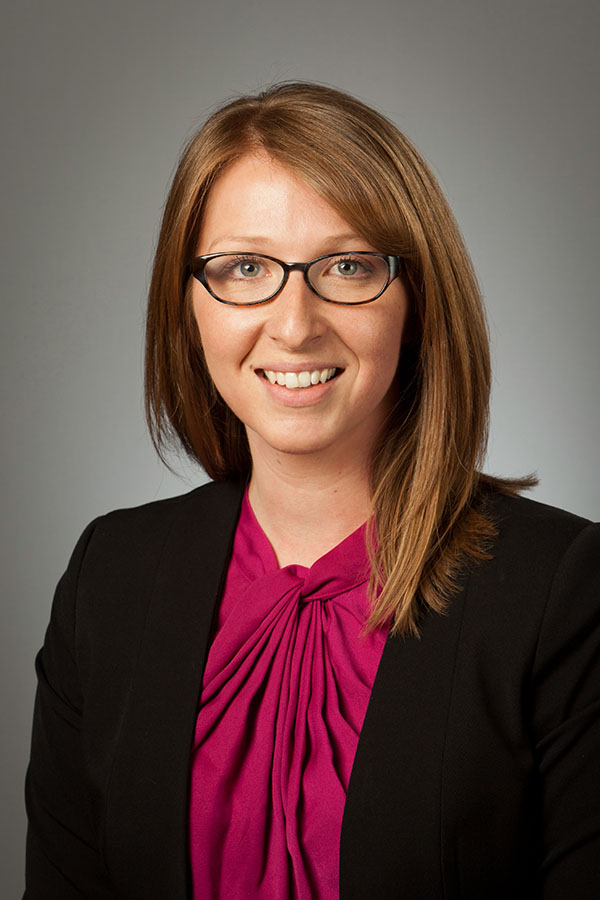
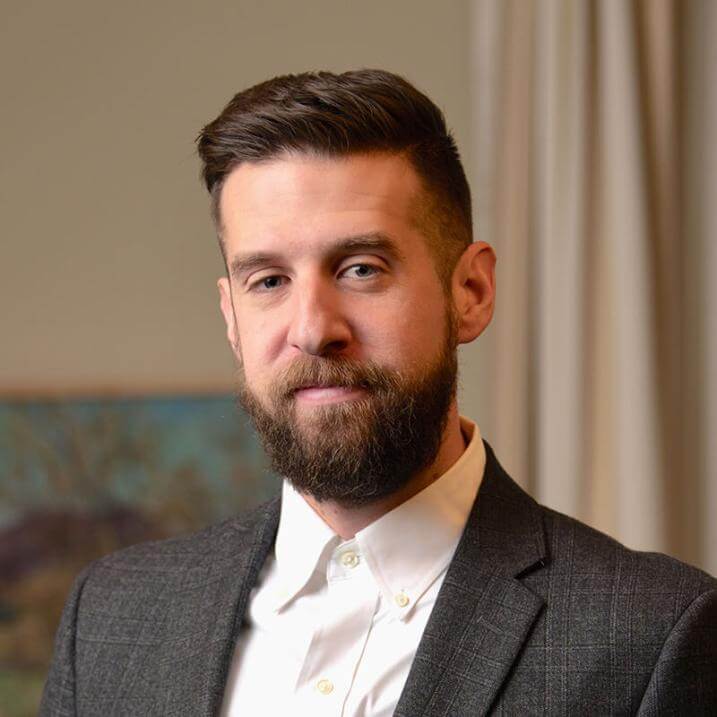
Gerhard Schwabe is a Professor in the Department of Informatics at the University of Zurich, Faculty of Business, Economics and Informatics. His research spans collaborative technologies, information management, E-government, blockchain applications, and digital health. He leads the Information Management Research Group and contributes to the university's Digital Society Initiative (DSI). Research Focus: Human-AI collaboration, blockchain systems, crisis informatics, persuasive technologies Key Projects: RefuGPT (refugee support chatbots), Scripted Medicine (health worker assistance), PROMISE (AI prompt orchestration) Technical Expertise: Design Science Research, conversational agents, data-driven governance His recent publications emphasize AI integration in collaborative workflows, blockchain applications for data markets, and digital solutions for crisis management. He explores how generative AI impacts freelance development practices and transforms advisory services through automated systems. Contact: schwabe@ifi.uzh.ch
Heidi Jerpseth is an Associate Professor at Oslo Metropolitan University's Faculty of Health Sciences, Department of Nursing and Health Promotion. Her research focuses on nursing ethics, professional identity, and clinical education, with expertise in cardiology, geriatrics, and pulmonary care. Academic Disciplines : Medical/Dental Ethics, Behavioural Science, Nursing Science, Cardiological Nursing. Research Groups : Acute/Critically Ill and Injured, Empowerment. Her recent publications explore: Job readiness of newly graduated nurses and professional authority development (2025). Communication challenges in intensive care using digital tools (2025). Impact of educational constraints on nursing students' identity formation (2024). Co-parenting experiences during the pandemic (2023). Ethical dilemmas in clinical placements (2023). End-of-life care in critical care settings (2020). Her work spans qualitative methodologies and emphasizes patient-centered care, ethical frameworks, and curriculum innovation.
Ting Sun, Ph.D., is an Assistant Professor in Surgical Education within the Department of Surgery and an Educational Researcher in the Office of Surgical Education at the University of Utah School of Medicine . Her expertise lies in quantitative methodology applied to medical and surgical education, with a focus on psychometrics, assessment validity, and learning outcomes. Education: Ph.D. in Educational Research, Measurement, and Evaluation – University of North Carolina at Charlotte Postdoctoral Training – Northwestern University M.A. – Xi'an International Studies University B.A. – Xi'an International Studies University Research Interests: Dr. Sun's work centers on the intersection of educational measurement and surgical training . She explores how psychometric tools can be used to validate assessments in medical education, particularly in evaluating surgical competence and trainee autonomy. Her research also delves into online learning environments , self-efficacy in medical learners , and the application of machine learning in educational assessment. Scientific Contributions: Her recent publications reflect a consistent focus on competency-based medical education , particularly through the lens of ACGME Milestones , Entrustable Professional Activities (EPAs) , and assessment reliability and validity . She has conducted extensive meta-analyses and systematic reviews to synthesize evidence on educational interventions in surgery and online learning. Her work also addresses gender disparities in surgical training feedback and the impact of multimedia-based education on learning outcomes. Grants and Advising: While no specific grant details are provided, her extensive publication record suggests active involvement in funded research. Her role in surgical education implies potential mentorship of medical students, residents, and fellows, although specific student names are not listed in the provided content. Labs and Teams: Dr. Sun collaborates closely with the Office of Surgical Education at the University of Utah, likely contributing to curriculum development, assessment design, and educational research initiatives within the Department of Surgery .
Dr. Jully Tan serves as an Associate Professor (Education Focused) at Monash University Malaysia's School of Engineering, leveraging over fifteen years of expertise in chemical engineering education and curriculum development. She plays pivotal roles in program accreditation through Malaysia's Engineering Accreditation Council and actively contributes to UN Sustainable Development Goals via educational and environmental research. Her academic credentials include: PhD in Chemical Engineering, Universiti Malaya (research: life cycle assessment for microalgae production) Master of Environmental Engineering, Universiti Teknologi Malaysia B.Eng. in Chemical Engineering, Universiti Teknologi Malaysia Dr. Tan's research centers on engineering education innovation —developing VR tools for process safety and gamified learning—and sustainable manufacturing , specializing in life cycle assessment of carbon/water footprints across palm oil, plastic waste, and biogas systems. Her work bridges theoretical knowledge with practical workplace readiness for multidisciplinary engineering students. Analysis of her 15 most recent publications (2022-2024) reveals dual thematic trajectories: educational technology (VR, gamification, digital equity) and circular economy solutions (plastic recycling, biowaste valorization, cellulose nanocrystals). These integrate environmental economics with industrial ecology, emphasizing scalable sustainability metrics for developing economies. Her accolades demonstrate excellence in both domains: IChemE Malaysia Highly Commended Award (2024) for educational innovation Engage & Educate Digital Learning Design Competition winner (2024) Faculty of Engineering Australia-Malaysia Travel Grant (2023) School of Engineering Certificate of Commendation for Early Career Education (2021) Institution of Engineers Malaysia Presidential Award (2022) As Primary Chief Investigator, Dr. Tan secures competitive grants including the 2025 Monash-Warwick project on ethical preparedness in engineering education and the ongoing VR-based process safety initiative (2022-2024). She mentors PhD candidates in teaching tool development and sustainable manufacturing while serving on national accreditation panels. Her leadership extends to organizing the Asia PSE Symposium and Malaysian Chemical Engineers Symposium, fostering industry-academia collaboration through the Institution of Engineers Malaysia.
Gaang Lee is an Assistant Professor in the Department of Civil and Environmental Engineering at the University of Alberta's Faculty of Engineering, where he joined in 2022 after earning his Ph.D. from the University of Michigan. His research pioneers 'sympathetic' built environments that enhance safety, health, productivity, and comfort for workers and users through integration of wearable biosensors, AI, extended reality, and robotics with psychophysiological theories. Education: Ph.D in Civil and Environmental Engineering, University of Michigan, Ann Arbor (2022) - Emphasis: Construction Engineering and Management; Graduate Certificate in Computational Discovery and Engineering Graduate Certificate in Computational Discovery and Engineering, University of Michigan, Ann Arbor (2022) M.S. in Architectural Engineering, Yonsei University, South Korea (2012) - Emphasis: Construction Engineering and Management B.S. in Architectural Engineering, Yonsei University, South Korea (2010) Dr. Lee combats technological exclusion for marginalized groups (construction workers, older adults) by developing empathetic technologies for workplaces, buildings, and urban spaces. His work applies human sensing, AI, and digital twins to create environments that adapt to diverse human needs, with key projects spanning psychophysiological safety monitoring, human-robot collaboration, and inclusive urban design. He integrates psychophysiological and socio-cognitive theories to address real-world gaps in construction engineering and computer science. His recent publications (2023-2025) reveal strong trends in AI-driven safety hazard identification, biosensor-based stress/fatigue monitoring, and virtual reality for construction team dynamics. A critical emerging focus is equity-centered technology design, with increasing publications addressing inclusive built environments and technological access for vulnerable populations through graph-based algorithms, domain adaptation, and interpretable AI models. Scientific Awards: No awards mentioned in the provided text. Dr. Lee actively recruits students for his 'Empathetics' research group starting in 2026, prioritizing candidates with empathy, research motivation, and commitment to diversity and inclusion. While specific grants are not detailed, his research program receives institutional support from the University of Alberta and likely external funding given its interdisciplinary scope and industry relevance. He leads the 'Empathetics' research group (part of Attentive Hub) which emphasizes diversity as fundamental to innovation. Current projects include psychophysiological monitoring for occupational safety, trustable human-robot collaboration systems, and extended reality frameworks for empathetic built environments. The group collaborates with IHT LAB (https://www.iht-lab.com/) and focuses on deploying technologies that make daily surroundings safe, healthy, and truly inclusive for all individuals.
Jamie J. Baker serves as Associate Dean and Director of the Law Library and Dean's Distinguished Service Professor of Law at Texas Tech University School of Law. She oversees all Law Library operations while teaching Civil Trial: Practice & Litigation Materials, Academic Legal Writing, Intro to the Study of Law, and Legal Practice research workshops for first-year students through the Excellence in Legal Research Program. Her educational background includes a B.S. in Political Science & Public Administration from Central Michigan University, an M.L.I.S. from Wayne State University's School of Library & Information Science, and a J.D. from Western Michigan University Cooley Law School, where she was recognized as the most outstanding editor of the Cooley Law Review. Professor Baker's research centers on cognitive computing applications in legal research, legal research pedagogy, and the evolving role of law librarianship. She examines how artificial intelligence disrupts traditional legal research methods and addresses the duty of technology competence for legal professionals. Her work bridges library science and legal education, focusing on practical implementation in academic settings. Analysis of her 15 most recent publications reveals consistent focus on AI's impact on legal research, with recurring themes including algorithmic regulation, technology competence ethics, and future law library services. Her scholarship spans law reviews, book chapters, and conference presentations, demonstrating interdisciplinary engagement between legal academia and library science. ABA Blawg 100 recognition Top-Ten Blog for Information Professionals Best of the Legal Blogs by Internet Legal Researcher Most outstanding editor of Cooley Law Review As an educator, she mentors students through specialized research workshops and legal writing instruction. Her professional engagement includes frequent presentations at major conferences like the American Association of Law Schools and American Association of Law Libraries annual meetings. She previously served as a Law Librarian and Adjunct Professor at Western Michigan University Cooley Law School and worked at the Michigan Supreme Court's Friend of the Court Bureau. Her influential blog, The Ginger Law Librarian, serves as a hub for discussions on AI in legal research and modern law librarianship, reflecting her commitment to advancing the profession through technological innovation.
Prof. Dr. Leo van Waveren is a Professor and Head of the Technical Didactics Group at RheinMain University of Applied Sciences (RPTU/Koziel). His academic career includes postdoctoral research at the University of Stuttgart (2018-2022) and academic roles at Technische Universität Kaiserslautern. He holds a PhD (Dr. phil.) from the University of Stuttgart (2017) and a Diplom in Technikpädagogik (Dipl.-Gwl. Informatik/Chemie). His research focuses on vocational education, ICT integration in teaching, and the impact of artificial intelligence (AI) on education. Recent work emphasizes AI's role in curriculum design and teacher training. He actively participates in national and international conferences, delivering keynote speeches on topics like generative AI in classrooms and digital transformation in vocational training. Research interests include technical competency modeling, dual education systems, and educational technology. Notable contributions include studies on vocational competencies in automation technology and teacher job satisfaction across career pathways. His work bridges theoretical frameworks with practical applications, such as smartphone-based experiments in STEM education. Prof. van Waveren leads the RPTU's efforts in digital education initiatives, including the DIGILL@Praxis program. He collaborates with regional and international institutions to advance educational innovation. Despite no listed awards, his extensive publication record and active speaking engagements underscore his scholarly impact.
Junko Mori is a Professor of Japanese Linguistics at the Department of Asian Languages and Cultures, University of Wisconsin–Madison. Her research spans multimodal interaction, diversity in language education, and sociolinguistic practices in multilingual workplaces and healthcare settings. Ph.D., University of Wisconsin–Madison Her work integrates conversation analysis, applied linguistics, and sociolinguistics, focusing on meaning-making in social interactions, inclusion in language classrooms, and historical ethnography of Japanese language initiatives in the 1980s-1990s. Recent publications highlight translingual practices, professional competence in healthcare, and the intersection of language policy and migration. Key awards include the ACTFL/MLJ Paul Pimsleur Award for Research in Foreign Language Education. She has served as past president of the American Association of Teachers of Japanese and currently chairs the Global Network of Japanese Language Education. Her editorial roles include Applied Linguistics and Modern Language Journal .
Susan Smith is a Visiting Professor in the Department of Accounting and Finance at the University of Sussex Business School, where she also serves as Associate Dean (Education and Students). With extensive experience bridging professional practice and academia, she contributes significantly to both the accountancy profession and higher education sectors through her leadership roles and scholarly work. Dr. Smith holds an LLB in Law from The University of Edinburgh and is a Fellow of the Institute of Chartered Accountants in England and Wales (FCAEW). She is an elected member of the ICAEW Council representing the South East and serves on the ICAEW Ethical Standards Committee, placing her at the forefront of strategic decisions within the profession. Additionally, she is a director of the Chartered Accountants Trustees Limited, which manages ICAEW charitable trusts supporting educational activities. Her research focuses on the intersection of professional accountancy practice and academic education, examining governance within professional bodies, the scholarship of teaching and learning, and innovative approaches to accounting education. She has conducted significant research on staff-student partnerships, education-focused academic career pathways, and the transition from professional practice to academia, with particular attention to how these elements can be integrated to enhance educational outcomes. Dr. Smith's recent publications demonstrate a consistent focus on educational innovation within accounting and business education. She has explored staff-student partnerships, co-creation of assessment criteria, and the development of new career pathways for education-focused academics. Her work also includes case studies on corporate failures like Thomas Cook and Carillion, connecting theoretical frameworks with practical applications in accounting education. Dr. Smith has received significant recognition for her contributions to education: CMBE (Certified Management and Business Educator) Senior Fellow of the Higher Education Academy Learning Together award (2019 University Education Awards, shared with students Andrew Donald and Yuki Kikuri) As Associate Dean (Education and Students), Dr. Smith oversees educational strategy and student experience at the Business School. She was instrumental in developing the Certified Management and Business Educator designation through her work with the Chartered ABS. Her advising focuses on supporting students through initiatives like the 'Pop Up Accounting Cafe' where she offers weekly consultations and has developed frameworks for building community through staff-student partnerships. Dr. Smith maintains active connections with the Institute of Chartered Accountants in England and Wales, serving on multiple committees that influence both the accounting profession and higher education policy. Her work bridges the gap between professional practice and academic education, with a particular focus on how professional accountancy bodies can better connect with academic institutions to enhance educational quality and professional development.
Dr. Donna Jessop is an Associate Professor in Health Psychology at the School of Psychology, University of Sussex. She holds a BA in Human Sciences from the University of Oxford, an MSc in Social and Applied Psychology, and a PhD in Psychology from the University of Kent. Her research focuses on applying psychological theories to promote healthy behaviors, environmental sustainability, and well-being. Key areas include self-affirmation interventions, positive psychology and sleep relationships, and the impact of financial stress on students. She has secured grants from organizations like the ESRC and the British Academy, and consulted for Mitie on workplace well-being programs. Her teaching includes module leadership in Health Psychology and workshops on applying psychology to everyday problems. Research grants include projects on food waste recycling (North London Waste Authority, 2015–2016), self-affirmation in health promotion (ESRC, 2012–2014), and postnatal mental health (British Academy, 2007–2008). Dr. Jessop’s over 40 publications span behavioral health, environmental psychology, and student well-being, with recent work examining part-time work’s impact on university applications and emotion regulation’s role in sleep quality. She advises students through scheduled drop-ins and maintains an active research program bridging theory and real-world applications.
Dr. Deema Sonbol is an Assistant Professor in Marketing (Strategy and Marketing) at the University of Sussex Business School. She holds a PhD in Media and Communication from the University of Warwick (2021), an MA in Marketing Communications from Bournemouth University (2015), and certifications including Fellowship of Higher Education (FHEA) and Certified Management and Business Educator (CMBE). Her research focuses on female entrepreneurship, social constructionism, and critical discourse analysis, with a particular emphasis on gendered experiences in media and business contexts. She was nominated for the 2023 Education Awards in 'Teaching to Disrupt' and 'World Readiness' categories. Teaching roles include module convenorships for Marketing Management and Practice (PG) and Marketing Research (UG/PG) , alongside supervision of PhD, bachelor's, and master's students. Professional activities include peer reviewing, leadership training workshops, and participation in events like the Chartered ABS Leaders in Learning and Teaching program. Education: PhD in Media and Communication, University of Warwick MA in Marketing Communications, Bournemouth University PGCertHE, University of Sussex Awards: 2023 Education Awards Nomination Best Paper Award (Diana International Research Conference)
Justin D. Garwood is a Professor and Program Coordinator of the PhD in Social, Emotional and Behavioral Health and Inclusive Education (SHIE) at the University of Vermont's College of Education and Social Services (CESS), Department of Education. He holds a Ph.D. in Education from the University of North Carolina at Chapel Hill, with additional degrees from Vanderbilt University and SUNY Brockport. His research focuses on emotional and behavioral disorders (EBD), pre-service teacher preparation, academic interventions, and classroom management. Dr. Garwood leads two U.S. Department of Education-funded grants: Project Burn and Turn (2020-2025, $500,000) examining special education teacher burnout, and Project Resiliency (2022-2027, $1,250,000) preparing leaders in EBD. He authored the 2021 book *Reclaim Your Challenging Classroom: Relationship-based Behavior Management* and has over 55 peer-reviewed articles in special education. His awards include the Martin J. Kaufman Distinguished Early Career Research Award (2025) and the Joseph A. Abruscato Award for Excellence in Research (2022). He serves on editorial boards for *Behavioral Disorders* and *Journal of Emotional and Behavioral Disorders* and is licensed in English and Special Education (K-12). Education: Ph.D., UNC Chapel Hill; M.Ed., Vanderbilt; B.S., SUNY Brockport. Research: Teacher wellbeing, EBD interventions, relationship-based pedagogy. Grants: Over $1.75M in federal funding for teacher support and leadership development.
Prof. Toon Taris is a full Professor of Social, Health and Organisational Psychology at Utrecht University, affiliated with the Department of Social and Behavioural Sciences. He holds a MSc in Administrative Science and Research Methods (Vrije Universiteit Amsterdam, 1988) and a PhD in Career Trajectory Analysis (VU Amsterdam, 1994). He has held academic roles at Radboud University Nijmegen (2000–2009) before moving to Utrecht University in 2009, where he later served as Head of School (2013–2020). Research Focus: Work stress, employee well-being, burnout, work addiction, longitudinal research methods, and work engagement. Publications: Over 400 peer-reviewed articles, books, and edited volumes, including key texts like Harder, Better, Faster: A Biography of Modern Work (2021) and The Psychology of Working Life (2018). Editorial Roles: Editor-in-Chief of Work & Stress and board member of international journals. His research emphasizes causal relationships in occupational health psychology through longitudinal designs. Notable contributions include studies on burnout mechanisms, workaholism, and pandemic impacts on healthcare workers. He also develops interventions like career-crafting training programs. Personal interests include gardening, guitar playing, and home improvement activities.
Dr. Renata Casado is a Lecturer in the Management and Organisations department at the UWA Business School, University of Western Australia. She holds a PhD (2017), MBA in Organizational Studies (2008), and MBA in Marketing (2007). Her research focuses on labour market dynamics of minority groups, including migrants and women, with specialties in skilled migration, psychological contracts, and domestic violence leave policies. She teaches courses on Strategic HRM, Employment Relations, and Diversity & Inclusion, currently coordinating the Master's in Human Resources and Employment Relations. Education: PhD in Management & Organisations, University of Western Australia (2017) Masters in Organizational Studies, Universidade Federal do Estado do Rio de Janeiro (2008) MBA in Marketing, IBMEC (2007) Research Interests: Brazilian migration patterns, ethnic entrepreneurship, career sustainability, and policy impacts on marginalized groups. Current projects include Brazilian entrepreneurship collaboration with Universidade Federal Fluminense, Brazil. Awards: UWA Business School Citation for Outstanding Contributions to Student Learning (2024) UWA Responsible Business Fellow (2024) Heneman Prize in Industrial Relations (2017) Her work bridges migration studies with organizational behavior, emphasizing qualitative methodologies. She also contributes to policy research on domestic violence leave and gendered violence prevention through an active grant (2025-2026).
Peng Wang is a Visiting Professor at the Department of Philosophy of the Sciences within the Faculty of Humanities at Vrije Universiteit Amsterdam. His academic qualifications include a PhD in Language and Emotion from VU University Amsterdam, and advanced studies in Linguistics, Education Research, and Public Health Statistics from Missouri State University, the University of Edinburgh, and the University of Oxford. His research focuses on interdisciplinary topics such as mental health interventions, emotion dynamics in education, neurodiversity advocacy, and healthcare communication. Key areas include transdiagnostic mental health approaches, ecological momentary assessment frameworks, and the integration of AI with neurotechnological research. Recent publications explore innovative methods for mental health monitoring (e.g., trimodal emotion assessment systems), universal school-based interventions for children, and the neuroethical implications of neurodiversity research. His work bridges philosophy of science with applied research in healthcare and education systems. No formal awards are listed, though his research has garnered attention across multiple platforms including Mendeley and Bluesky. Collaborations span global institutions with a focus on child mental health and healthcare professional wellbeing.