Andrew I. Cooper is a Professor at the University of Liverpool, Director of the Materials Innovation Factory, and Honorary Professor at East China University of Science and Technology (ECUST). He pioneers research in advanced organic functional materials, including conjugated microporous polymers, porous organic cages, and porous liquids, and developed the first autonomous mobile robotic chemist. Fields of Interest: Materials chemistry, robotics, AI-driven synthesis, and computational design of functional materials. Scientific Impact: Over 200 SCI-indexed papers, 52,000+ citations, H-index 117. Key journals: Nature , Science , JACS , Angewandte Chemie . Awards: Royal Society of Chemistry Professorship, Outstanding AI Leader award, Fellow of the Royal Society and European Academy of Sciences. Leadership: Editor-in-Chief of Chemical Science , trained 47 Chinese postdoctoral fellows and PhD students, and leads international collaborations with Chinese universities. Research Trends: Articles focus on robotics, AI, computational materials design, photocatalysis, and dynamic porosity in molecular systems.
Miloš Racković serves as a full Professor in the Department of Mathematics and Informatics at the University of Novi Sad, Serbia. He maintains active academic engagement through the Laboratory for the development of information systems, with his office located in the Information technologies and systems office (DMI&DF) on the second floor, room 49. Contact is available via telephone (485)-2868 or email rackovic@dmi.uns.ac.rs, and his personal website (http://www.is.pmf.uns.ac.rs/rackovicm/) provides additional resources. His research spans foundational and applied computer science, with seminal contributions in fuzzy database systems including PFSQL query language development and prioritized fuzzy logic for relational databases and XML. He has pioneered deep learning methodologies through innovative classification techniques using negative and missing features in convolutional neural networks. Additional expertise includes high-performance computing implementations of Lattice Boltzmann methods using OpenCL, robotics (symbolic modeling and trajectory planning), and blockchain applications for Industry 4.0 production processes. His sports analytics work applies neural networks to basketball player and referee movement analysis. Analysis of his 2012-2025 publications reveals a strategic evolution toward interdisciplinary applications, particularly in industrial transformation (blockchain-enabled traceability) and sports analytics. His work consistently bridges theoretical computer science with practical implementations, demonstrating increasing focus on real-world problem solving while maintaining strong foundations in database theory and computational methods. Professor Racković leads the Laboratory for the development of information systems, which focuses on advancing information system methodologies through formal modeling extensions (including Petri net innovations) and practical implementations for uncertainty management. The laboratory's work spans from foundational research in fuzzy logic systems to applied projects in high-performance computing and blockchain integration, fostering innovation in information technology development.
Romney M. Humphries, Ph.D., D(ABMM), M(ASCP), is a Professor of Pathology, Microbiology, and Immunology at Vanderbilt University Medical Center, serving as Medical Director of the Microbiology Laboratory. Their research focuses on advancing diagnostic technologies for antibiotic-resistant infections and studying real-time evolution of antimicrobial resistance mechanisms. Academic Rank: Professor Department: Pathology, Microbiology, and Immunology Key research areas include antimicrobial resistance , diagnostic innovation , and clinical microbiology . The Humphries laboratory specializes in evaluating rapid identification methods for multidrug-resistant pathogens and novel antimicrobial development. Recent publications highlight advancements in MALDI-TOF MS, CRISPR diagnostics, and regulatory frameworks for laboratory-developed tests. Scientific contributions appear in journals such as New England Journal of Medicine , Clinical Infectious Diseases , and Journal of Clinical Microbiology . Current work emphasizes integrating genotypic/phenotypic testing for improved patient outcomes and informing federal policies on diagnostic standardization.
Allen Hsiao MD, FAAP, FAMIA is Professor of Pediatrics, Biomedical Informatics and Data Science, and Emergency Medicine at Yale School of Medicine. He serves as Chief Health Information Officer (CHIO) for Yale School of Medicine and Yale New Haven Health System, and as Vice Chair of Clinical Systems in Biomedical Informatics & Data Science. BA in Biomedical Ethics and MD from Brown University Pediatrics residency at Yale-New Haven Children's Hospital Fellowships in Pediatric Emergency Medicine and Medical Informatics at Yale His research focuses on leveraging health information technology to improve care delivery, with emphasis on electronic health records, clinical decision support, natural language processing, and AI applications. He actively explores how informatics can optimize systems, improve transitions of care, and advance health equity through diverse clinical trial participation. His work spans pediatric emergency medicine, gastroenterology, child abuse detection, and opioid safety. Dr. Hsiao's recent publications demonstrate leadership in AI-augmented clinical decision support, EHR-based machine learning models, and pandemic response infrastructure. His team has developed innovative tools for child abuse identification, gastrointestinal bleeding risk prediction, and collaborative research data platforms. 56 Hospital and Health System CMIOs and CNIOs to Know (Becker's Healthcare, 2023) Healthcare Diversity Leader Award (National Diversity Council, 2023) 48 CMIOs and CNIOs to Know (Becker's Hospital Review, 2022) Norman J. Siegel Faculty Award (Yale School of Medicine, 2022) As principal investigator and co-investigator on NIH and AHRQ-funded grants, he examines health information technology's impact on healthcare quality. He co-directs Yale's CTSA Informatics Core, working with Yale Center for Clinical Investigations to equip researchers with EHR (Epic) and clinical trials management (OnCore) tools. His leadership extends to national committees including American Academy of Pediatrics, HIMSS, and Children's Hospitals Association.
Dr. Yuan Lu serves as Assistant Professor of Medicine (Cardiology) and of Biomedical Informatics and Data Science and of Epidemiology (Chronic Diseases) at Yale School of Medicine. She is affiliated with multiple departments including Cardiovascular Medicine (primary appointment), Biomedical Informatics & Data Science, and Chronic Disease Epidemiology. Dr. Lu is also a key member of the Yale Center for Outcomes Research and Evaluation (CORE), where she collaborates with renowned researchers including Dr. Harlan Krumholz. Dr. Lu earned her ScD and MSc degrees in Global Health and Population from Harvard School of Public Health. Her educational background in epidemiology and global health has shaped her research trajectory at the intersection of cardiovascular disease prevention, clinical informatics, and digital health. Dr. Lu's research focuses on cardiovascular diseases prevention through implementation science, with particular emphasis on hypertension management, digital health interventions, and health equity. Her work leverages electronic health records from large healthcare systems to identify patients with persistent hypertension and design decision support systems to improve care. She has successfully completed an NHLBI K12 career development award in implementation science and currently serves as Principal Investigator for an NIH R01 grant leveraging real-world data from five electronic health record databases encompassing over 100 million US adults. Dr. Lu's publication portfolio demonstrates a strong focus on cardiovascular outcomes research, health disparities, and innovative treatment approaches. Her work spans clinical trials, epidemiological studies, and implementation science projects, with particular attention to racial and ethnic disparities in cardiovascular care. She has authored over 150 peer-reviewed publications in leading journals including The Lancet, JAMA, BMJ, Circulation, and JACC, with her work cited more than 50,000 times. Dr. Lu has received numerous honors including the 2022 John H. Laragh Research Award from the American Journal of Hypertension, and is a Fellow of both the American Heart Association and the American College of Cardiology. She currently serves as an Executive Associate Editor at JACC and has been recognized by Yale's Office of Health Equity Research for her contributions to health equity research. As a mentor, Dr. Lu advises multiple postdoctoral fellows, graduate students, and medical students. She has successfully completed an NHLBI K12 career development award and currently leads an NIH R01 grant focused on generating real-world evidence for hypertension treatment. Her collaborative work extends internationally, including groundbreaking projects between Yale University and the Chinese National Center for Cardiovascular Diseases in Beijing, such as the Millions Persons Project that assembles population health resources from 5 million individuals across China. Dr. Lu is actively involved with the Yale/YNHH Center for Outcomes Research and Evaluation (CORE), contributing to its mission of improving quality, transparency, and equity in healthcare. Her work exemplifies CORE's commitment to applying human-centered design, methodological rigor, and clinical insight to address pressing healthcare challenges.
Dr. Shabnam Sadeghi Esfahlani is an Associate Professor in Robotics at the School of Engineering and the Built Environment, Anglia Ruskin University , where she serves as Deputy Leader of the BORI research group and leads the Automation & Robotics MSc program. Her interdisciplinary expertise spans mechatronics, artificial intelligence, virtual reality, and serious games , with a focus on applications for rehabilitation, medical training, and autonomous systems . As a Chartered Engineer and Senior Fellow of the Higher Education Academy , she has secured significant funding from Innovate UK, Horizon 2020, and GCRF , with grants exceeding £3 million. Education PhD in Mechanical Engineering, Anglia Ruskin University BSc (First Class) in Statistics & Mathematical Science, Shahid Beheshty University Her research integrates AI with robotics for societal impact, exemplified by the open-source SROBO ground robot and projects like Rehabgame and the Assistive Feeding Robot . She has published over 45 peer-reviewed articles and contributes to academic communities as a journal guest editor and conference organizer . Key collaborations include IET, IMechE, and the Nuffield Foundation as a mentor for young students. Scientific Awards & Recognitions: Chartered Engineer (CEng), Engineering Council UK Senior Fellow (SFHEA), Higher Education Academy Student-Voted 'Made a Difference Award' (2018) Post-Graduate Certificate in Higher Education
Christopher D. Abraham, MD is an Associate Professor of Radiation Oncology and Associate Professor of Medicine at Washington University School of Medicine in St. Louis. He is affiliated with the Siteman Cancer Center, Brain Tumor Center, and Institute of Clinical and Translational Sciences (ICTS). Dr. Abraham practices at multiple locations including the Center for Advanced Medicine Radiation Oncology Center, Barnes-Jewish West County Hospital, and Siteman Cancer Center – North County. His clinical work focuses on radiation oncology with expertise in treating brain tumors and other cancers. Dr. Abraham completed his Medical Degree at Saint Louis University School of Medicine in 2011 and his Residency in Radiation Oncology at Barnes-Jewish Hospital and Washington University School of Medicine in 2016. He earned his BS in Radiologic Science from the Medical College of Georgia in 2004. Dr. Abraham's research focuses on advancing radiation therapy techniques, particularly in stereotactic radiosurgery for brain metastases, hippocampal-avoidance whole brain radiation therapy, and innovative approaches for glioblastoma treatment. His work demonstrates a strong emphasis on optimizing radiation delivery while minimizing neurocognitive side effects. He has pioneered simulation-free radiation therapy techniques that expedite treatment planning, particularly for palliative care patients. His research also explores the integration of AI and large language models in radiation oncology workflows and insurance appeals processes. Analysis of Dr. Abraham's recent publications reveals a clear research trajectory focused on improving precision in radiation therapy for brain tumors, with particular attention to hippocampal protection, adaptive planning techniques, and combined modality approaches. His work spans clinical trials, technical innovations in treatment planning, and translational research connecting imaging with treatment outcomes. The increasing citation counts of his work, particularly his 2023 paper on simulation-free radiation therapy which has 34 citations, demonstrates growing impact in the field. While specific awards are not listed in the provided information, Dr. Abraham's work has accumulated 536 citations according to Scopus metrics, indicating significant scholarly impact. His research has been referenced in clinical guidelines and policy sources, demonstrating translational relevance to clinical practice. Dr. Abraham actively collaborates with multidisciplinary teams including neurosurgeons, medical oncologists, and physicists. His work on the NRG Oncology/RTOG 0631 trial demonstrates involvement in large cooperative group studies. He has contributed to efforts examining insurance policy adherence to radiation oncology guidelines, showing engagement with healthcare systems issues. As a key member of the Brain Tumor Center at Siteman Cancer Center, Dr. Abraham participates in comprehensive brain tumor care teams that integrate surgical, medical, and radiation oncology approaches. His work with the Institute of Clinical and Translational Sciences highlights his commitment to translating research findings into clinical practice. Current research directions include exploring simulation-free radiation therapy techniques, optimizing hippocampal-sparing approaches, and investigating novel combinations of radiation with immunotherapies.
Jeffrey Barrett, MD serves as an Assistant Professor in the Department of Emergency Medicine at Lewis Katz School of Medicine, Temple University. He maintains clinical practice across two major hospital campuses in Philadelphia and holds board certification from the American Board of Emergency Medicine. His educational background includes: MD from UMDNJ-Robert Wood Johnson Medical School, New Brunswick, NJ Emergency Medicine Residency at Temple University Hospital, Philadelphia, PA Dr. Barrett's research focuses on optimizing emergency care delivery through error prevention and outcome improvement. His work bridges clinical practice with medical education, emphasizing practical protocols for high-acuity decision-making in resource-constrained environments. He actively contributes to advancing standards in emergency medicine through professional societies. His publications demonstrate consistent scholarly engagement with core emergency medicine challenges, particularly in diagnostic accuracy and system-based practice improvements. The 2007 text addresses critical pitfalls in emergency care while the 2009 Q&A resource focuses on competency development, revealing his dual commitment to clinical excellence and physician education. As an active member of both the American Academy of Emergency Medicine and Society of Academic Emergency Medicine, Dr. Barrett participates in national discourse shaping emergency medicine education and practice standards. His clinical work directly impacts patient care at Temple University's primary teaching hospitals while his scholarly contributions influence broader emergency medicine training paradigms.
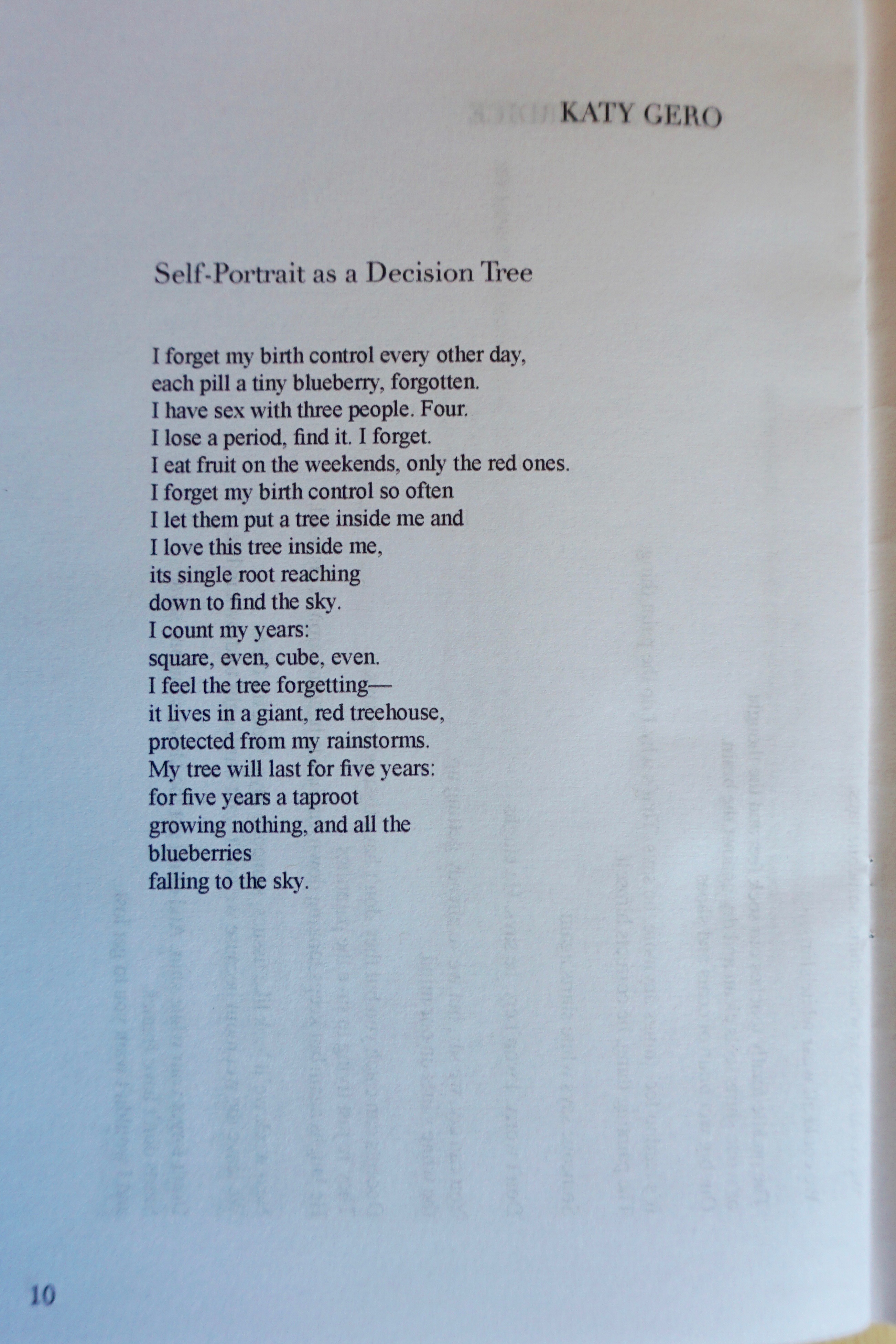
Katy Ilonka Gero is a Lecturer at the School of Computer Science, University of Sydney , with prior postdoctoral roles at Harvard University and the Library Innovation Lab. She holds a PhD in Computer Science from Columbia University (2022) and a BS in Mechanical Engineering from MIT (2017). Education : PhD in Computer Science (Columbia University, 2022); BS in Mechanical Engineering (MIT, 2017) Her research focuses on Human-Computer Interaction in creative domains, particularly how language models impact creative practice, ownership, and learning . She develops community-driven AI models through co-design with creative communities and investigates ethical data governance practices. Recent work includes designing interactive writing tools for metaphor creation and exploring the social dynamics of AI support in writing . The 15 most recent articles reflect trends in AI-augmented creativity (Metaphoria, CHI 2019), AI ethics (Nature Machine Intelligence 2023), and human-AI collaboration (CHI 2020 Best Paper). These works span language model evaluation , creative ownership , and technical innovations in soft robotics (2012) and science communication (2021). Scientific Awards : NSF Graduate Research Fellowship Brown Institute for Media Innovation Grant Amazon Research Award Best Paper - CHI 2025 Honorable Mention - CHI 2024 Best Paper - CHI 2020 As a poet and essayist , she co-edits Ensemble Park , a human-computer co-writing magazine, and authored the dynamic poetry book The Anxiety of Conception (2025). Her grants include support from the National Science Foundation , Brown Institute , and Amazon . For technical details, visit her personal website or GitHub.
Justin Harvey is a Lecturer at the University of Technology Sydney (UTS) within the Faculty of Design, Architecture and Building, specializing in Media Arts and Production. He is an active member of the Creative Practice Research Group and serves on the Faculty Board and Faculty Research Committee. Harvey holds a PhD in Media Art & Design from the University of New South Wales and a Bachelor of Arts in Communication (Media Arts & Production) with First Class Honors from UTS. Harvey's research interests focus on creative uses of generative Artificial Intelligence, experimental approaches to media art making, and creative practice led research. His artistic practice spans moving image, installation, and virtual reality experiences, with a particular fascination for human-machine interaction and the creative potentials of digital technologies. He explores glitch aesthetics, digital video feedback, and imagery generated using diffusion models, often collaborating with AI systems in unexpected ways. Harvey has exhibited his work internationally at venues including VIVID Sydney, ISEA (International Symposium on Electronic Art) in Vancouver, Hong Kong, and South Korea. His 2023 collaboration with generative AI, Unprompted Studies 1-3 , was a finalist in the Fisher's Ghost Art Award. In 2024, he was selected as a Scholar in the Sydney Powerhouse Museum's Research Scholars Program for the "Knit Forward" project, which reimagines historical garments using generative AI and seamless knitwear technology. His research on creative applications of GenAI directly informs his teaching in Experimental Media and Creative Project Development. Harvey has extensive studio-based teaching experience since 2010, covering subjects such as Situated Media Installation Studio, Drama Production, and Experimental Media. Fisher's Ghost Art Award (2023 finalist) Powerhouse Museum Scholars Program funding (2024) UTS ECR Capability Development Initiative funding (2024) FASS ECR Funding (2024) Harvey supervises PhD and Masters of Research students in creative practice research and has mentored hundreds of students through capstone projects in drama, documentary, animation, and media arts installation. His current research projects include collaborations with Dr. Doris Li on reimagining historical garments using AI, and exploring the intersection of Surrealist techniques with generative AI in works like Oneironaut , exhibited at VIVID Sydney 2025.
Orit Shaer is a Professor and co-Chair of Computer Science at Wellesley College , where she founded and directs the Human-Computer Interaction (HCI) Lab . Her work bridges tangible interaction, human-AI collaboration, and mixed-reality interfaces, focusing on transforming work and learning environments through embodied technologies. Education : B.A. from Academic College of Tel-Aviv, M.S. and Ph.D. in Computer Science from Tufts University Research interests center on novel human-computer interaction paradigms : Human-AI collaboration frameworks Tangible and embodied interface design Mixed-reality applications for productivity Genomics collaboration tools STEAM education technologies Recent publications highlight human-AI co-creation (CHI 2024), temporal dynamics in automated work (CHIWork 2024), and pandemic-era remote interaction studies (IEEE Pervasive Computing 2021). Awarded: NSF CAREER Award Agilent Technologies Research Award Google App Engine Education Award Pinanski Prize for Excellent Teaching Best Paper Honorable Mention (ACM CHI 2014) Honorable Mention (CHIWork 2022) She co-founded the international CHIWork Symposium and chairs the ACM TEI conference. Her NSF IRES grant (2022) supports US-German collaboration on human-automation interaction.
Kristin Braa is a Professor at the Department of Informatics, University of Oslo, and serves as Director of the HISP Center. Her career includes an 8-year tenure as Research Director at Telenor, where she established a Research and Innovation Center in Malaysia. Academic Roles: Vice Head of Department of Informatics, head of Information Systems (IS) research group Research Focus: Mobile extensions of open-source DHIS2 software for low-resource settings, action research methods, sustainable health information systems Research Themes: She investigates innovative approaches to support rural healthcare workers and underserved populations, emphasizing long-term engagement in national health systems. Her projects include MobiHealth (2010–2014) and NORAD-funded initiatives (2010–2014) for health information systems in developing countries. Scientific Awards: 2023 AIS Impact Award (with Jørn Braa) 2020 Roux Prize (with Jørn Braa) 2013 University of Oslo Innovation Prize 2013 Researcher of the Year (Faculty of Mathematics and Natural Sciences, UiO) 2011 ICT and Energy Researcher of the Year 2011 Rosing Prize Finalist for rural Bangladesh health initiative Collaborations: Active in the IS research group and Climate Health Network. She advocates for sustainable, community-empowering information systems through participatory design and sociotechnical approaches.
Prof. Dr. Nadine Scholten is a faculty member at the University Hospital Bonn , leading the Health Communication and Health Services Research (CHSR) center since 2024. She works within the Clinic for Psychosomatic Medicine and Psychotherapy under Prof. Geiser, affiliated with the Medical Faculty of the University of Cologne , where she earned her doctorate and habilitation and leads the LiVe working group . Research focus: Organizational health services research in hospital settings, implementation of therapies/innovations, secondary data analysis, patient/provider perspectives, cross-sectoral healthcare coordination, and regional health services. Current projects include Neo-Milk (donor milk banks in NICUs), Neo-CamCare (webcam use in NICUs), CoRe-Net (regional health development), and studies on outpatient antimicrobial therapy and pandemic impacts on healthcare. Teaching: Leads health communication skills training in medicine. Memberships: DNVF e.V., DGMS, AGENS (secondary data working group). Recent article trends: Focus on data linkage, patient experience, pandemic-era care adaptations, and cross-sectoral healthcare integration, with methodologies spanning qualitative/quantitative analysis of routine data (statutory insurance, DRG statistics).
Sameer Nath, MD, is an Associate Professor in the Department of Radiation Oncology at the University of Colorado Anschutz Medical Campus School of Medicine. He holds leadership roles as Vice Chair of Clinical Affairs, Clinical Practice Director at Anschutz Medical Campus, and Medical Director of Radiation Oncology at Highlands Ranch Hospital. Dr. Nath is board-certified in Radiation Oncology and practices at UCHealth Radiation Oncology and Rocky Mountain Gamma Knife Center. MD: University of California, San Diego School of Medicine (2010) Internship: University of California, San Diego (2011) Residency: Yale-New Haven Medical Center, Chief Resident in Radiation Oncology (2015) His research focuses on radiation therapy applications for prostate and lung cancers, brain metastases management, and immunotherapy-radiation combinations. He has pioneered work in stereotactic body radiation therapy (SBRT), tumor hypoxia, radiation pneumonitis prevention, and medical imaging innovations for treatment planning. Recent publications examine oligoprogressive prostate cancer management, radiation oncology nurse education, and deep learning applications in patient positioning. Dr. Nath's 15 most recent publications (2024-2017) demonstrate expertise in prostate cancer (4 articles), lung cancer (4 articles), brain metastases (4 articles), and medical imaging/education (3 articles). Key research themes include SBRT optimization, immunotherapy response monitoring, and radiation toxicity management. American Society of Radiation Oncology (ASTRO) Member Practice locations: UCHealth Radiation Oncology - Anschutz Medical Campus (Aurora, CO) and Rocky Mountain Gamma Knife Center - Anschutz Medical Campus (Aurora, CO) Hospital affiliations: UCHealth Highlands Ranch Hospital and University of Colorado Hospital
Lars Grunske is a Professor at the Department of Computer Science, Faculty of Mathematics and Natural Sciences, Humboldt University of Berlin. His research focuses on software and systems engineering, safety-critical systems, and software evolution. Department: Computer Science University: Humboldt University of Berlin Academic Rank: Professor His work spans automated software analysis, probabilistic model checking, and formal methods for complex systems. Key collaborations include researchers from Swinburne University, University of Hull, and University of Queensland. Recent publications address research software engineering, program repair, and explainability in cyberphysical systems. Professional roles include leadership in examination boards and program committees for conferences like ICSE and ASE. Contact info: Email: grunskel@hu-berlin.de Phone: +49 30 2093-41142 Address: Unter den Linden 6, Berlin