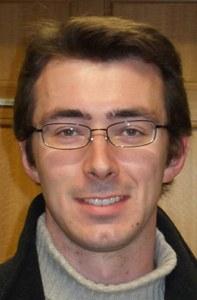
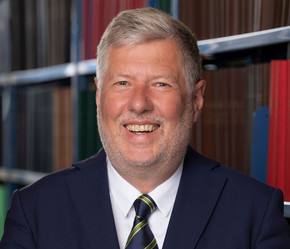
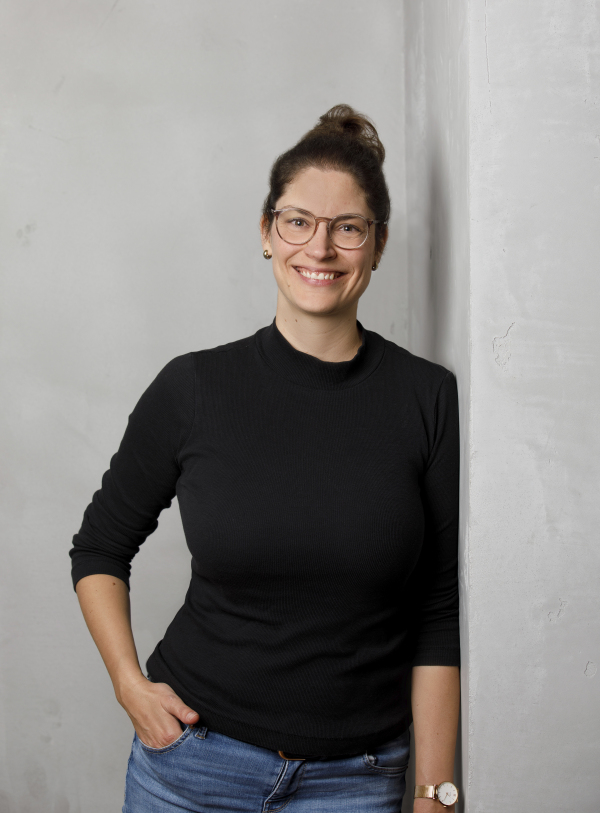
Professor Ben Horan is the Head of School of Engineering at Deakin University , Faculty of Science Engineering and Built Environment. He holds a Doctor of Philosophy and Bachelor of Engineering from Deakin University, with expertise in electrical engineering , control systems , and human-centred computing . As a leading researcher in virtual reality (VR) applications, he focuses on safety training, aged care, and extended reality (XR) systems. PhD in Electrical Engineering (Deakin University) Graduate Certificate of Higher Education (Deakin University) Bachelor of Engineering (Deakin University) His research spans VR for electrical safety training , automated vehicle interactions , and XR applications in museums . His work includes grants from the Department of Health, Melbourne Water Corporation, and City of Greater Bendigo. Recent publications analyze 360° video realism, cognitive load in virtual workplaces, and AR for Industry 5.0. Professor Horan supervises PhD candidates exploring topics like autonomous vehicle pedestrian interactions , VR stress mitigation , and industrial XR systems . He has completed supervision of 10+ PhD and Master’s students.
Nick Efthymiou serves as an Assistant Professor at the Erasmus School of Law, Erasmus University Rotterdam, specializing in Innovation of Public Law. His academic profile centers on constitutional and public law with deep historical and comparative dimensions. His research spans Constitutional Law, Public Law, Legal History, and European Human Rights Law, with notable expertise in Dutch constitutional evolution, colonial legal systems (particularly Dutch East Indies), and cross-jurisdictional analyses of Ireland and France. Recent work examines abortion jurisprudence in Ireland, adat law discovery in Indonesia, and European Convention on Human Rights interpretations. His scholarship consistently bridges historical legal frameworks with contemporary governance challenges. Publications reveal strong thematic continuity in constitutional law across jurisdictions and eras, emphasizing colonial legacies, human rights implementation, and legislative processes. Key trends include decolonization of legal systems, comparative constitutional interpretation, and the interplay between historical context and modern constitutional crises. He actively engages public discourse through media commentary on Dutch constitutional matters, including cabinet collapses, pension law constitutionality, and foundational concepts of sovereignty. His academic activities include specialized presentations on French constitutional law and legislative procedures. Associated with the Innovation of Public Law research group, his work integrates historical analysis with forward-looking public law development, focusing on institutional adaptability and rights protection in evolving democratic systems.
Sandro Rubino is a Fixed-term tenure-track Assistant Professor at the Department of Energy (DENERG) at Politecnico di Torino, where he is also a Member of the Interdepartmental Center PEIC - Power Electronics Innovation Center. His academic appointment falls under the scientific disciplinary sector IIND-08/A - Power Electronic Converters, Electrical Machines and Drives (Area 0009 - Industrial and Information Engineering). Dr. Rubino's research focuses on electric drives and electrical machines, with particular expertise in induction motor drives, synchronous motor drives, and advanced torque control techniques. His work spans from fundamental motor control theory to practical applications in electric vehicles and e-mobility systems. He has developed high-performance torque controllers for various types of electric motors including electrically excited synchronous motors, induction motors, and multi-three-phase motor configurations. His research addresses critical challenges in motor drive systems including fault tolerance, efficiency optimization, and performance derating under abnormal conditions. His publications reveal a strong focus on practical applications of motor control theory, particularly in the context of electric vehicles and sustainable transportation. The trend in his recent work shows increasing sophistication in control algorithms for multi-phase motor systems, with emphasis on fault tolerance and performance optimization under challenging operating conditions. His research bridges theoretical electrical machine modeling with practical implementation challenges in modern power electronic drive systems. Dr. Rubino has received multiple prestigious awards including the IAS-IDC ECCE Prize Paper Award in 2020, 2022, and 2024 from IEEE Transactions on Industry Applications, the IEEE Italy Section Power and Energy Society (PES) Chapter Best PhD Thesis Award in 2020, the IEEE Italy Section Industrial Electronics (IES) Chapter Best PhD Thesis Award in 2021, and the IAS-IDC Transactions Paper Award in 2024. He actively supervises PhD students including Nicola Macri', Alessandro Ionta, and Luisa Tolosano, focusing on advanced topics in multi-phase motor drives and torque control. Dr. Rubino leads or participates in several significant research projects including TEAMING - e-powerTrain prEdictive mAintenance using physics inforMed learnING (2023-2027), SUPERDRIVE - Superconductive Synchronous Machine Drives for High-Power Applications (2023-2025), and SEMDY - Sustainable and Efficient Motor Drive System for E-mobility Applications (2022-2025), where he serves as Scientific Responsible. Within the Power Electronics Innovation Center (PEIC), Dr. Rubino contributes to advancing the state-of-the-art in electric drive systems, with particular emphasis on applications supporting Sustainable Development Goals 7 (Affordable and Clean Energy), 9 (Industry, Innovation, and Infrastructure), and 11 (Sustainable Cities and Communities).
Greg Dotson is an Associate Professor at the University of Oregon School of Law and a faculty member of the Environmental and Natural Resources Law Center, where he leads the Energy Law and Policy Project. He teaches Environmental Law, Climate Change Law and Policy, Energy Law, and the Environmental Policy Practicum, drawing from his extensive experience as Democratic Chief Counsel for the U.S. Senate Committee on Environment and Public Works (2021-2022) and Energy and Environment Staff Director for the House Energy and Commerce Committee. Education: University of Oregon School of Law, J.D., 1995 (concentration in environmental and natural resources law) Virginia Tech, Undergraduate Degree Dotson's research centers on environmental law frameworks, climate change mitigation strategies, and energy regulation. His scholarship critically examines federal environmental statutes like the Clean Air Act, state-federal regulatory dynamics, and legislative mechanisms for greenhouse gas reduction. He bridges academic analysis with practical policy development through congressional testimony and agency engagement. His recent publications reveal concentrated focus on landmark legislation including the Inflation Reduction Act and Infrastructure Investment and Jobs Act. Core themes address congressional appropriations processes, mobile source emissions regulation, carbon pricing mechanisms, and international climate compliance frameworks - reflecting direct engagement with current regulatory challenges in transportation and energy sectors. Dotonin leads the Energy Law and Policy Project, which develops actionable research for policymakers on decarbonization pathways. His congressional oversight experience includes high-impact investigations into climate science interference, the BP Deepwater Horizon disaster, hydraulic fracturing practices, and Enron's market manipulation.
Dr. Matt Castle is a Researcher affiliated with the University of Cambridge , specializing in interdisciplinary approaches to food security and plant sciences. He serves as the Head of Bioinformatics Training and Head of PSLS Biostatistics Initiative within the Department of Plant Sciences . His work spans multiple domains, including plant disease modelling, infectious disease dynamics, and global governance of food systems. Research Themes: Modelling for Food Security, Plant Disease Modelling, Food Landscapes, Political Economy of Hunger His recent publications highlight expertise in ecological and agricultural modelling, with a focus on: Aflatoxin contamination in maize Urban forest pest dynamics Climate-driven range expansions Size-structured ecosystem resilience While his work intersects with food supply chains, land resources, and health, no specific scientific awards or student advisement details were listed in available public records.
Prof. Dr. Robert Risse is an esteemed academic and practitioner in tax law, currently serving at the Institute for Austrian and International Tax Law at Vienna University of Economics and Business since 2020. Previously, he held the position of Corporate Vice President Tax & Trade at Henkel AG & Co KGaA from 2000 to 2020, where he was globally responsible for taxation and customs. He also holds the title of Honorary Professor for Tax Compliance and Applied Tax Planning at the Institute for Business Taxation, University of Leipzig. His extensive career bridges academic excellence with practical corporate tax leadership. Education 2017: Chairman of the Board of Directors for the Transfer Pricing Center of the Institute for International and Austrian Tax Law, Vienna University of Economics and Business 2014: Doctoral Thesis "Tax Compliance und Tax Risk Management: Eine rechtsvergleichende Analyse und Umsetzung in einem internationalen Konzern" at University of Freiburg 1986-1989: Second State Examination in Law, University of Bonn 1983-1986: First State Examination in Law, University of Bonn 1979-1982: Diplom Finanzwirt FH in Financial Sciences, University of Applied Sciences for Finances North Rhine-Westphalia Research Interests Prof. Risse's research focuses on the intersection of tax compliance, digitalization, and international tax systems. His work explores how digital technologies can transform tax compliance processes, particularly in multinational corporations. He has pioneered research on Tax Compliance Systems, Transfer Pricing in the digital age, and the integration of tax risk management with corporate governance frameworks. His expertise spans international tax law, corporate taxation, and the practical implementation of tax strategies in global business environments. His recent work emphasizes the practical implementation of digital tax systems, with particular attention to blockchain applications, AI in tax compliance, and the integration of tax processes with broader business systems. He has developed frameworks for assessing tax risk in multinational corporations and has contributed significantly to the understanding of transfer pricing in the context of digital business models. Publication Trends Prof. Risse's recent publications reveal a strong focus on digital transformation in tax systems, with increasing attention to practical implementation challenges. His work consistently bridges theoretical tax principles with real-world corporate applications, particularly in multinational contexts. The emergence of topics like AI in tax administration, blockchain applications, and digital compliance systems reflects his forward-looking approach. His research shows a clear trajectory from traditional tax compliance toward integrated digital tax ecosystems that address both regulatory requirements and business efficiency needs. Professional Engagement President of Gesprächskreis Rhein-Ruhr, Internationales Steuerecht e.V./International Fiscal Association (IFA) West Member of DIHK Finanz- und Steuerausschuss, Berlin Member of Düsseldorfer Vereinigung für Steuerrecht e.V Member of Fachinstitut der Steuerberater e.V., Düsseldorf Member of Institut Finanzen und Steuern, Berlin Teaching and Advisory Roles Prof. Risse has extensive teaching experience across multiple institutions including University of Leipzig, Vienna University of Economics and Business, University of Freiburg, University of Cologne, and WHU – Otto Beisheim School of Management. He has supervised doctoral students through the "Doktorandenseminar zur Betriebswirtschaftlichen Steuerlehre" at University of Leipzig. His teaching focuses on international taxation, corporate tax law, and the practical application of tax planning in multinational corporations.
Mosa Sayed serves as Associate Professor and Senior Lecturer in International Private and Procedural Law at Uppsala University's Department of Law, specializing in legal challenges arising from Sweden's multicultural transformation. Their work critically examines tensions between religious legal traditions and secular state systems, with particular focus on Islamic law's interaction with Swedish jurisprudence. Education: Juris Doctor in Private International Law (2010) Bachelor of Laws (2003) Research concentrates on three interconnected domains: First, international private law complexities in globalized contexts where religious legal rules confront state courts, especially regarding normative pluralism. Second, rigorous analysis of Islamic family and inheritance law systems, identifying conflicts with secular Swedish values and proposing frameworks for legal accommodation. Third, investigation of religious organizations' formal/informal legal functions, including alternative dispute resolution mechanisms and their societal implications. This tripartite approach reveals systemic tensions in multicultural legal governance while offering pragmatic pathways for coexistence. Publication trends from 2013-2019 demonstrate consistent scholarly engagement with Islamic law's practical manifestations in Swedish legal practice. Key thematic clusters include marital agreements (particularly mahr), inheritance systems across Shia/Sunni traditions, forced marriage interventions, and abortion jurisprudence within Islamic frameworks. Methodologically, the work bridges comparative law, socio-legal studies, and religious studies to expose how normative pluralism challenges state legal monopolies while proposing context-sensitive accommodation models for European legal systems. Awards: No scientific awards documented in source materials Advising and funding activities remain unspecified in available records, though research outputs indicate substantial independent scholarship and collaborative projects with scholars like Margareta Brattström and Göran Larsson. The absence of explicit grant mentions suggests institutional funding or independent research initiatives rather than major external awards. No dedicated laboratories or formal research teams are referenced, though publications indicate cross-institutional collaborations typical of Scandinavian legal academia. Research appears conducted within Uppsala University's Department of Law framework, leveraging Sweden's unique position in European religious-legal accommodation debates.
Dr. Beate Weidner is a researcher and curator at the University of Duisburg-Essen, Faculty of Humanities, Institute of German Studies. She maintains an active research profile with numerous publications and leads significant projects focused on spoken German and language education. Her office is located at Universitätsstraße 2, Room R11 T05 C46, 45141 Essen, with consultation hours by appointment. Dr. Weidner's research interests center on spoken German, interactional linguistics, conversation analysis, and their applications to German as a Foreign Language (DaF) and German as a Second Language (DaZ) teaching. Her work bridges theoretical linguistics with practical language pedagogy, focusing on how authentic spoken language can be incorporated into language instruction. She investigates multimodal communication in media contexts, particularly in television formats like cooking shows, and explores pluricentric approaches to teaching German varieties from Germany, Austria, and Switzerland. Her recent publications (2021-2024) demonstrate a strong focus on authentic spoken language data and its didactic applications, with particular attention to communicative practices, interactional consolidations, and the integration of spoken language research into language teaching. She frequently collaborates with colleagues like Susanne Günthner, Wolfgang Imo, and Katharina König on edited volumes and research projects. Dr. Weidner co-leads the MIWF project "Platform Spoken German – authentic everyday interactions for research and practice in the field of DaF and DaZ," which develops teaching materials based on authentic spoken German interactions. This project addresses a significant gap in language teaching materials, which traditionally focus on written German norms rather than authentic spoken usage. The project creates accessible teaching units based on video recordings of native speakers, transcribed using conversation analysis methods. She has taught numerous courses including "Empirical Methods in Interactional Linguistics," "Mass media communication," and "Grammar in Interaction," demonstrating her commitment to training future language educators in interactional linguistics approaches. Her teaching portfolio reflects her research interests in spoken language, media communication, and the practical application of linguistic theory to language instruction.
Manuel Fontaine Campos serves as Associate Professor at the Faculty of Law of the Catholic University of Portugal (UCP), where he has held directorial responsibilities since 2013 and previously served as Vice-President of UCP's Porto Regional Center (2017-2021). His academic journey includes a Law degree (1996), Master's in Political Science (1999), and Doctorate in Law (2012), all from UCP. His research focuses on Public Law , European Union Law , and International Trade Law , with particular expertise in State Aid regulation, constitutional interpretation, and EU competition policy. His publication record spans over two decades, including commentaries on Portugal's Civil Code and Constitution, analyses of EU regulatory frameworks, and historical studies of international trade regulations. Professionally, he has held visiting positions at universities in Mozambique, Macau, Spain, and Portugal, and contributes to legal discourse through scholarly publications and expert opinions. His teaching portfolio includes International Trade Law, Public Law, and European Economic Law modules across multiple UCP degree programs. As both academic and practitioner (having worked as a lawyer and legal consultant), Campos bridges theoretical scholarship with practical legal application, particularly in EU regulatory compliance and constitutional interpretation. His current work continues to influence Portuguese legal scholarship through ongoing publications and institutional leadership.
Dr. Hilary Martin is a Group Leader in Human Genetics at the Wellcome Sanger Institute and a College Research Associate at St John's College, Cambridge. Her research focuses on medical and population genomics, analyzing high-throughput sequence and genotype data from large cohorts to address various medical and population genetic questions. She leads the Martin Group which studies the genetic architecture of rare and common disorders in diverse populations, with particular emphasis on populations with high levels of parental relatedness. BSc (Human Genetics) from the University of Queensland, Australia PhD from the Wellcome Trust Centre for Human Genetics in Oxford Postdoctoral research at Sanger Institute with Jeff Barrett Group Leader at Sanger Institute since September 2018 Dr. Martin's research program spans several key areas in human genetics. Her group analyzes large-scale genetic and electronic health record data to explore fine-scale population structure, its impact on disease risk, and the genetic architecture of both rare and complex diseases. A particular focus is on populations with high levels of parental relatedness (consanguinity), where her team investigates how autozygosity affects disease risk across the phenotypic spectrum. Her work on developmental disorders examines the role of rare recessive variants and polygenic risk, while her research with South Asian populations explores the genetic basis of cardiometabolic diseases. Analyzing her recent publications reveals a strong trend toward multi-ancestry studies, particularly focusing on British Pakistani and Bangladeshi populations through the Genes & Health project. Her research increasingly integrates rare variant analysis with polygenic risk scores to understand the full genetic architecture of complex traits. There's also a growing emphasis on understanding how population structure, consanguinity, and founder effects influence disease risk across diverse populations. Her work bridges fundamental population genetics with clinical applications, particularly in neurodevelopmental disorders and cardiometabolic diseases. Extensive publication record in top journals including Nature, Cell, and Nature Genetics Leadership in major collaborative projects like Deciphering Developmental Disorders (DDD) Key contributions to understanding the role of consanguinity in disease architecture Development of methods for analyzing recessive variants in diverse populations Dr. Martin leads a dynamic research group comprising PhD students, postdoctoral fellows, and staff scientists. Her group works closely with multiple large-scale studies including the Avon Longitudinal Study of Parents and Children (ALSPAC), Millennium Cohort Study, Born in Bradford, Deciphering Developmental Disorders study, Genomics England, and Genes & Health. She maintains strong collaborations with clinical and research teams across the UK and internationally, particularly with groups studying South Asian populations. Her research has secured significant funding through institutional support and collaborative grants that enable large-scale genomic analyses. The Martin Group operates within the Human Genetics Programme at the Wellcome Sanger Institute, maintaining close ties with the Hurles Group and other related teams. They collaborate extensively with the East London Genes and Health project, which is one of the world's largest community-based genetics studies focusing on people of Pakistani and Bangladeshi heritage. The group maintains strict data security and confidentiality procedures while working closely with the communities they study through community engagement and dissemination of scientific findings.
Graham Butler is Full Professor of Law at the University of Southern Denmark (Syddansk Universitet) and also holds a professorship at Linnaeus University (Linnéuniversitetet) in Sweden. His academic career spans multiple European institutions with a focus on EU legal frameworks and international relations. Professor Butler's research interests center on EU Law, International Law, Competition Law, and Constitutional Law, with specific expertise in Banking and Capital Market Law, Company and Business Law, and International Trade. His scholarly work examines the intersection of legal theory with practical applications in EU external relations and internal market mechanisms. His recent publications demonstrate a trend toward analyzing the evolving jurisdiction of the Court of Justice of the European Union, particularly regarding the Common Foreign and Security Policy, and examining the legal implications of EU external actions. Butler's work frequently addresses contemporary challenges in European integration, including sanction regimes, institutional competences, and the balance between fundamental rights and security policies. Reinholdt W. Jorck og Hustrus Fonds Forskningspris 2022 (Shortlist) European Central Bank (ECB) Legal Research Programme Independent Research Fund Denmark (DFF) Sapere Aude Research Leader Aarhus University Research Foundation Starting Grant Professor Butler actively supervises research and has participated in numerous grant-funded projects, including the significant 'Micro-states of Europe and the EU Legal Order' project and 'Moo-ving Toward Carbon Neutrality: The Bovine Tax Dilemma.' His involvement in the Independent Research Fund Denmark Sapere Aude program demonstrates his leadership in research initiatives. Butler serves as Director of the Nordic Institute of European Legal Studies and regularly contributes expert commentary to media outlets on complex EU legal matters. His institutional affiliations include active participation in the Centre on the Europeanisation of Norwegian Law and the Bergen European Law Research Group, reflecting his commitment to collaborative European legal scholarship across national boundaries.
Tobias Ritschel is a Professor of Computer Graphics at University College London . His research spans advanced rendering techniques, perceptual modeling, and data-driven graphics, with a focus on bridging physical accuracy and artistic flexibility in visual computing. Key research themes include: Interactive Global Illumination : Real-time simulation of complex lighting effects on GPUs Perceptual Graphics : Human vision-driven rendering and display optimization Non-physical Graphics : Beyond-photorealistic techniques for artistic expression Data-driven Graphics : Leveraging large datasets for novel rendering and modeling approaches His recent work emphasizes neural rendering , differentiable graphics , and X-ray tomography , with applications in 3D reconstruction , NeRF manipulation , and holographic imaging . Notable scientific achievements include the Eurographics Young Researcher Award 2014 and Eurographics Thesis Award 2011 . He has advised multiple PhD students including Philipp Henzler (EG PhD Award 2024) and Thomas Leimkühler (Otto Hahn Medal 2019), while actively contributing to conference leadership as co-chair for EGSR 2024 and Pacific Graphics 2024 . His team collaborates on X-ray reconstruction with Pablo Villanueva-Perez and works on 3D perception with Anthony Steed.
Edward F. Chang, MD is a distinguished Professor and Chair of the Department of Neurological Surgery at the University of California, San Francisco (UCSF) School of Medicine. He co-directs the Center for Neural Engineering and Prostheses, a collaborative enterprise between UCSF and UC Berkeley, and leads the Chang Lab focused on speech neuroscience and neural engineering. As a practicing neurosurgeon, he specializes in treating adults with difficult-to-control epilepsy, brain tumors, trigeminal neuralgia, hemifacial spasm, and movement disorders. Dr. Chang's educational background includes a B.A. in Chemistry from Amherst College (1997), an M.D. from UCSF (2004), a Neurological Surgery residency at UCSF (2010), and a postdoctoral fellowship in Cognitive Neuroscience at UC Berkeley (2009). His research focuses on the brain mechanisms for speech, movement, and learning, with particular emphasis on advanced brain mapping methods to preserve crucial areas for speech and motor functions. He has pioneered work in speech neuroprostheses, developing technology that allows patients with paralysis to communicate through brain signals. His work integrates engineering, neurology, and neurosurgery to develop state-of-the-art biomedical technology to restore function for patients with neurological disabilities such as paralysis and speech disorders. Analysis of his recent publications reveals a strong trend toward developing advanced neuroprosthetic technologies, particularly speech decoding systems, and exploring the neural basis of speech production across multiple languages. His research also spans epilepsy surgery optimization, deep brain stimulation for psychiatric conditions, and molecular profiling of brain tumors. Blavatnik National Laureate for Life Sciences (2015) Elected to the National Academy of Medicine (2020) Inaugural Bowes Biomedical Investigator at UCSF HHMI Faculty Scholar Dr. Chang leads multiple NIH-funded research projects totaling millions of dollars, including a pilot clinical trial for speech neuroprosthesis and studies on the neural coding of speech across human languages. He has mentored numerous researchers in the field of neural engineering and speech neuroscience, though specific student names aren't listed in the provided materials. His work has resulted in groundbreaking technologies that have helped restore communication abilities to individuals with paralysis. As co-director of the Center for Neural Engineering and Prostheses, Dr. Chang leads a multidisciplinary team of engineers, neurologists, and neurosurgeons working at the intersection of neuroscience and technology. His lab has been instrumental in developing brain-computer interfaces that translate neural activity into speech, with recent publications demonstrating streaming brain-to-voice neuroprostheses that restore naturalistic communication.
Professor Frank Rudy Cooper is the William S. Boyd Professor of Law and Director of the Program on Race, Gender, and Policing at the University of Nevada, Las Vegas Boyd School of Law. He graduated from Duke University Law School (J.D., 1995) and Amherst College (B.A. in Political Science & English, 1991). A former clerk for Judge Solomon Oliver, Jr. (N.D. Ohio) and Boston practitioner, he has taught at six law schools including Boston University and Suffolk University. Education : J.D. (Duke Law School, 1995), B.A. (Amherst College, Political Science & English, 1991) His scholarship focuses on Criminal Procedure , Masculinities Studies , and Critical Theory , co-editing Masculinities and the Law: A Multidimensional Approach (NYU Press 2012). He examines policing through intersectional lenses of race, gender, and class, with recent work on Blue Lives Matter and Cop Fragility . His 2024 article in California Law Review proposes criminal procedure futurism to address systemic inequities. Scientific Awards include the AALS Minority Section's C. Clyde Ferguson, Jr. Award (2024) and three Derek Bok Center teaching awards from Harvard. He has co-founded academic initiatives like the SALT-LatCrit Junior Faculty Development Workshop and John Mercer Langston Writing Workshop , and participated in panels addressing polarized legal education and Terry doctrine's legacy. His work appears in top journals like George Washington Law Review , Nevada Law Journal , and California Law Review .
Michele Gattullo serves as an Assistant Professor within the Department of Mechanics, Mathematics & Management at the Polytechnic University of Bari, Italy, specializing in design methods for industrial engineering (ING-IND/15). His research bridges cutting-edge extended reality technologies with practical industrial applications, focusing on human-centered solutions for manufacturing, maintenance, and workplace design. Dr. Gattullo's research portfolio centers on Augmented Reality, Virtual Reality, and Biophilic Design, with significant contributions to Human-Computer Interaction in industrial contexts. He investigates how nature-inspired elements in virtual workspaces enhance employee well-being and productivity, while simultaneously developing practical AR tools for assembly guidance, technical documentation, and maintenance support. His work uniquely integrates ergonomics, cognitive psychology, and industrial engineering to optimize human-technology interaction in complex production environments. Analysis of his 15 most recent publications reveals two dominant research trajectories: biophilic design frameworks for virtual/metaverse workspaces (2023-2025) and industrial AR authoring methodologies. The biophilic stream establishes evidence-based guidelines for digital nature integration, while the AR stream delivers validated tools like ADAM and minimal AR approaches that streamline technical documentation creation. Both trajectories emphasize user experience validation through rigorous industrial studies, demonstrating strong interdisciplinary impact across computer science, industrial engineering, and environmental psychology. Scientific Awards: No awards or honors were documented in the available sources. Advising and Grants: The provided materials contain no information regarding graduate student supervision, research grants, or funding sources. His academic profile emphasizes publication output over mentoring activities or project financing details. Laboratories and Teams: While Dr. Gattullo's research involves advanced XR technologies, the source text does not specify laboratory facilities, research groups, or collaborative teams associated with his work at Politecnico di Bari.