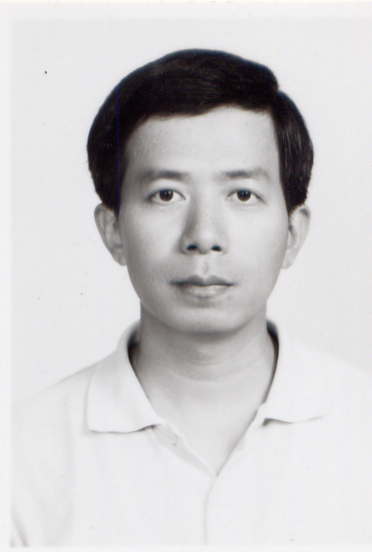
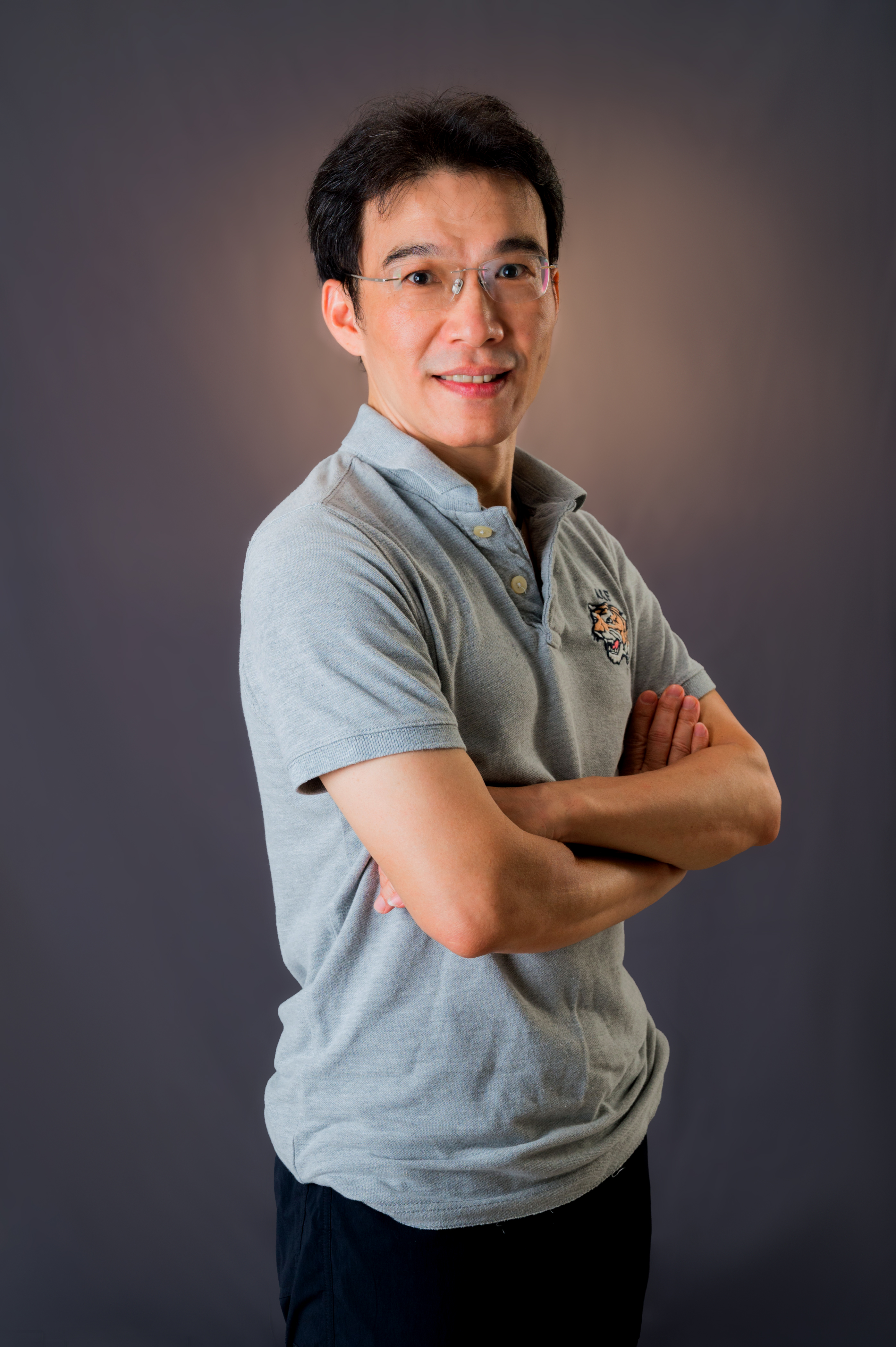
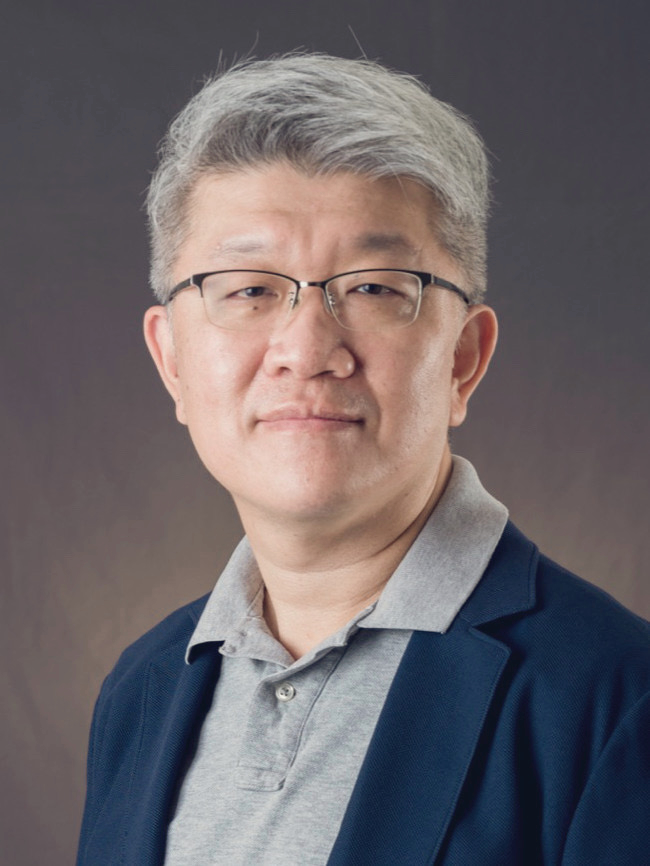
Professor Ai-Chun Pang is affiliated with the National Taiwan University , serving in both the Department of Computer Science and Information Engineering and the Graduate Institute of Networking and Multimedia . He held leadership roles including Associate Dean (2018-2022) and Director (2013-2016) within the College of Electrical Engineering and Computer Science. His research spans Fog/Edge Computing , Wireless Networking , Mobile Computing , and AIoT Systems , with recent advancements in federated learning security, energy-efficient network design, and 5G/6G optimization. Collaborative work includes applications in vehicular networks, industrial control systems, and non-terrestrial connectivity. Key publication themes: Edge Intelligence and Privacy (2024) Federated Learning for Heterogeneous Devices (2023-2024) 5G Backhaul Optimization (2017-2021) Wireless Energy Transfer (2022) Awarded IEEE Fellow 2021 for contributions to mobile edge networks, he has received multiple IEEE Vehicular Technology Society awards, the CES 2019 Innovation Award , and teaching accolades including National Taiwan University Distinguished Teaching Award (2010) . His lab has produced 16 PhD students now in academia and industry. As Editor-in-Chief of IEEE Wireless Communications Letters and active in conference organization, he shapes global research directions. Current projects focus on GenAI for Networking and Non-Terrestrial Networks , with recent 2024 admissions for new students.
Chung-Wei Lin is an Associate Professor and Deputy Director at the Department of Computer Science and Information Engineering and the Graduate Institute of Networking and Multimedia at National Taiwan University. His research focuses on cyber-physical systems, particularly in the domains of connected and autonomous vehicles, system security, and design methodologies. He maintains active collaborations with industry partners including Toyota and has established himself as a leading researcher in intelligent transportation systems in Taiwan. Education: Ph.D. (2015) from Department of Electrical Engineering and Computer Sciences, University of California, Berkeley (Advisor: Alberto L. Sangiovanni-Vincentelli) M.S. (2007) from Graduate Institute of Electronics Engineering, National Taiwan University (Advisor: Yao-Wen Chang) B.S. (2005) from Department of Computer Science and Information Engineering, National Taiwan University Dr. Lin's research interests center on cyber-physical systems with specific focus on connected and autonomous vehicles, security mechanisms, and system design methodology. Before returning to NTU in 2018, he worked at Toyota InfoTechnology Center, USA, Inc. His recent projects cover diverse topics including systems engineering, formal verification for robustness and compatibility, runtime monitoring, and intelligent intersection management. His work bridges theoretical foundations with practical applications, addressing real-world challenges in transportation systems through innovative technical solutions. Analysis of Dr. Lin's recent publications (2023-2025) reveals a strong emphasis on intelligent transportation systems with particular focus on security challenges for connected vehicles, formal verification techniques for safety-critical systems, and novel control algorithms for vehicle coordination. His research demonstrates increasing integration of machine learning approaches, especially reinforcement learning, to address complex decision-making problems in transportation. The work spans multiple technical domains including control theory, networking, cybersecurity, and formal methods, reflecting the inherently interdisciplinary nature of cyber-physical transportation systems research. Selected Awards: 2016 Best Paper Award, ACM Transactions on Design Automation of Electronic Systems 2015 Most Accessed ESL Paper Best Paper Award, IEEE ISSREW 2016 workshop Best Paper Award, ICCD 2010 Best Paper Nominee, ASP-DAC 2015 Dr. Lin currently advises multiple Ph.D. and M.S. students, with research focusing on various aspects of cyber-physical systems for transportation. His group includes Ph.D. students Pintusorn Suttiponpisarn and I-Ching Tseng, as well as several M.S. students. His extensive publication record and numerous patents (over 20 granted) indicate significant research impact and likely substantial research funding from both government and industry sources. His research program demonstrates strong translational potential, with many concepts moving from theoretical foundations to practical implementations. Dr. Lin leads the Cyber-Physical Systems Laboratory at NTU, which focuses on research related to intelligent transportation systems. The lab conducts research in areas including vehicle control, intersection management, security mechanisms, and formal verification for cyber-physical systems. His team collaborates with researchers from various institutions globally, as evidenced by his extensive publication record with international co-authors from universities and research institutions in the United States, Japan, and Europe.
Wanjiun Liao is a full-time Professor in the Department of Electrical Engineering at National Taiwan University, holding the prestigious title of Academician of Academia Sinica. Her appointment reflects significant contributions to engineering and communications research in Taiwan's academic landscape. Her research spans transformative domains in next-generation communications: AI for 6G Networks Semantic Communication Smart Car Networking Satellite Communication Networks This portfolio demonstrates deep integration of artificial intelligence with wireless infrastructure, addressing critical challenges in vehicular, satellite, and future mobile networks through novel semantic communication frameworks. Her distinguished recognition includes: Academician of Academia Sinica (Taiwan's highest academic honor) While specific advising records and grant details remain undisclosed in available materials, her leadership in communications research is evident through her institutional role and national recognition. Laboratory affiliations and collaborative teams are not explicitly documented in current public profiles.
Hao Chu is an Adjunct Professor at the Graduate Institute of Networking and Multimedia , Department of Computer Science and Information Engineering, National Taiwan University . He earned his B.S. from Cornell University and Ph.D. from University of Illinois at Urbana-Champaign under Prof. Klara Nahrstedt. His research focuses on ubiquitous and pervasive computing , wearable systems , sensor networks , and human-computer interaction . Key themes include persuasive computing for behavioral intervention, positional accuracy optimization in radio interferometry, and context-aware homecare technologies. Professional services include serving as General Co-Chair for ACM MobiSys 2013, Program Committee member for ACM UbiComp (2015-2006), and workshop organization roles at IEEE PerCom, IAT, and others. He has presented papers at UbiComp 2007, CHI 2008, and LOCA 2007 conferences. Contact: Department of Computer Science and Information Engineering, National Taiwan University, #1 Roosevelt Road, Section 4, Taipei, Taiwan 106, ROC
Professor Yuan-Hao Chang is a full-time faculty member at the Department of Information Engineering, National Taiwan University. He serves as a leading academic in the field of computer systems and related disciplines. Research expertise includes computer architecture , embedded systems , memory/storage systems , and non-volatile memory technologies. His work focuses on system-level innovations in computing infrastructure. Current research activities are conducted in the Embedded Systems and Wireless Network Laboratory , where he leads investigations into next-generation computing platforms.
Professor Ping-Cheng Yeh is affiliated with National Taiwan University (NTU) as a faculty member. His research expertise spans molecular communications, wireless communications, and educational technology. Research Interests: Professor Yeh focuses on advancing molecular communication systems, optimizing wireless network protocols, and integrating technology into education. His work bridges theoretical innovation with practical applications in communication engineering and pedagogy. Scientific Awards: Academician of Academia Sinica Contact: Email pcyeh@ntu.edu.tw for collaboration or inquiries.
Gen-Huey Chen is a Distinguished Professor in the Department of Computer Science and Information Engineering at National Taiwan University, where he has served since 1987 (Associate Professor 1987-1992, Professor since 1992). He previously held leadership roles as Dean of the College of Science and Technology (2001-2005) and Department Chair (2001-2002) at National Chi Nan University. Education Ph.D. in Computer Management Decision, National Tsing Hua University, 1987 B.S. in Computer Science and Information Engineering, National Taiwan University, 1981 Research Interests Professor Chen's work centers on Graph Theory , Combinatorial Optimization , and Algorithm Analysis and Design , with significant contributions to discrete mathematics and network theory. His research bridges theoretical foundations and practical applications, particularly in structural graph problems and wireless network protocols, emphasizing efficient algorithmic solutions for complex computational challenges. Publications Trends His 2007-2009 publications reveal a cohesive research trajectory focused on graph-theoretic applications in networking. Key patterns include structural analysis of specialized graphs (chordal/circular-arc), fault tolerance in multiprocessor topologies (grids/tori), and bandwidth-optimized routing in mobile ad-hoc networks. These works consistently apply combinatorial optimization to solve real-world networking constraints while advancing theoretical graph algorithms. Advising and Grants No specific information regarding student advising or research grant funding is provided in the source material. Laboratory He directs the Discrete Algorithm Lab at National Taiwan University, which specializes in discrete algorithm development and wireless network protocol research.
Lin Feng (P Lin) serves as a full-time Distinguished Professor and Director of the Institute of Biomedical Electronics within the Department of Information Engineering at National Taiwan University. His academic responsibilities include teaching and research supervision, with office hours held on Tuesdays from 12:00 to 14:10 and 17:20 to 18:30 in room R416, or by prior email arrangement. His research focuses on the design and analysis of personal communication service networks, wireless Internet systems, and network performance evaluation. These investigations address critical challenges in mobile infrastructure reliability and efficiency. Primary research domains include: Wireless Networks Mobile Communications Network Performance Evaluation Personal Communication Systems Internet Technologies Biomedical Electronics No scientific awards or honors are documented in the provided materials. Information regarding student advising and research grants remains unspecified in the source text, though his leadership of the Mobile Communications Network Laboratory implies active research supervision. The Mobile Communications Network Laboratory operates under his direction, concentrating on next-generation wireless communication technologies and their biomedical applications through experimental network design and performance analysis.
CF Chou is a Professor in the Department of Information Engineering at National Taiwan University and an Academician of Academia Sinica. His research is affiliated with the Communications and Multimedia Laboratory, where he explores distributed machine learning systems, smart healthcare, multimedia systems, wireless sensor networks, and performance analysis theory. Office hours for consultations can be arranged via email at ccf@csie.ntu.edu.tw , and further details about his work are available on his personal website . Research Interests: His work focuses on advancing distributed machine learning systems for scalable data processing, integrating smart healthcare technologies for medical innovation, optimizing multimedia systems for efficient content delivery, developing wireless sensor networks for IoT applications, and applying performance analysis theory to enhance system efficiency. These areas reflect a multidisciplinary approach bridging computer science, engineering, and healthcare. Laboratory Affiliation: Communications and Multimedia Laboratory
Professor Chi-Sheng Shih serves in the Department of Computer Science and Information Engineering and Graduate Institute of Networking and Multimedia at National Taiwan University's College of Electrical Engineering and Computer Science. He currently directs the Center of Artificial Intelligence and Advanced Robotics (AIRobo) and previously held leadership roles as Associate Dean of EECS College and Director of multiple research centers. His research spans real-time systems, scheduling theory, embedded systems, and cyber-physical systems , with current focus on autonomous vehicle technology, wireless networking, and AI applications in robotics and medical systems. His NEWS Lab (Wireless Networking and Embedded Systems Lab) maintains strong industry partnerships with AUO, LiLee Systems, and healthcare institutions. Professor Shih actively recruits graduate students for two specialized research groups, emphasizing technical proficiency in operating systems, networking, and programming. His lab provides comprehensive support including funding, computing resources, and industry internship opportunities. Recent research outputs include demonstrations at CES 2025 for immersive vehicle cabin experiences and development of mixed reality systems for endoscopic surgery. Administrative leadership includes: Director, Center of AI and Advanced Robotics (Nov 2024-Present) Director, NTU-KU-UIUC Trilateral Center (Feb 2024-Present) Associate Dean of EECS College (Aug 2022-Jul 2024) His research team has won awards including first place in RoboCup Standard Platform League Shield Challenge (2018) and maintains active international collaborations with institutions in France, Japan, and the United States.
Professor HM Tsai serves as a full-time Professor in the Department of Information Engineering at National Taiwan University, actively leading the Mobile and Vehicle Network Laboratory. His research concentrates on critical wireless communication domains: In-vehicle wireless communications Wireless sensor networks Wireless channel measurement Vehicle and mobile wireless networks Network security Professor Tsai maintains an active research agenda focused on vehicular communication systems, with laboratory work emphasizing practical implementation and security protocols. Contact requires email coordination (hsinmu@csie.ntu.edu.tw) for appointments at his Department office (room 316), reflecting his engagement with students and collaborators in wireless networking research.
陳恭 is a Professor at the Department of Information Management, College of Business, National Chengchi University. With expertise spanning blockchain technology, information security, and software engineering, he has established himself as a leading academic in Taiwan's fintech research community. His work bridges theoretical computer science with practical business applications, particularly in digital finance and secure information systems. Dr. 陳恭 earned his PhD in Computer Science from Yale University (1989-1994), following Bachelor's and Master's degrees from National Taiwan University. His academic journey at National Chengchi University spans over two decades, progressing from Associate Professor to his current position as Professor, with significant administrative roles including Department Chair and Director of the Computer Center. Professor 陳恭's research primarily focuses on blockchain and smart contracts, Open API technology and security, social big data analysis, and programming languages. His work demonstrates a clear evolution from foundational programming language research to cutting-edge blockchain applications. He has made significant contributions to secure multi-party computation, aspect-oriented programming, and blockchain-based systems, with publications in top journals and conferences across computer science, public administration, and business innovation. An analysis of Professor 陳恭's recent publications (2016-2024) reveals a strong concentration on blockchain technology and its financial applications, particularly in smart contracts, consensus algorithms, and secure data dissemination. His research increasingly integrates with IoT systems and demonstrates practical applications in financial technology, showing a clear trajectory from theoretical foundations to real-world business solutions. His notable achievements include: Senior Excellent Teacher (20 years) from National Chengchi University Multiple Distinguished Professor appointments Special Outstanding Talent Award from the National Science Council Multiple Internationalization Excellent Research Awards Professor 陳恭 has secured numerous research grants from both governmental agencies like the Ministry of Science and Technology and private sector organizations including financial institutions and technology companies. His projects often focus on blockchain applications, fintech innovation, and information security, demonstrating strong industry-academia collaboration. He is actively involved in establishing National Chengchi University as a leading center for blockchain research in Taiwan, contributing to research centers focused on fintech innovation and digital transformation. His work has fostered significant collaborations between academia and industry in the rapidly evolving field of digital finance.