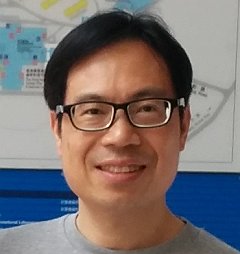
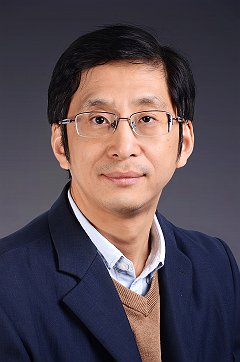
Dr. Sven Hertling serves as Substitute Professor at the University of Mannheim while maintaining a reduced research role at FIZ Karlsruhe's Information Service Engineering group. His career spans institutional affiliations including DFKI GmbH and the University of Mannheim's Data and Web Science Group. His educational background includes: PhD from University of Mannheim (2017-2023) Master of Science in Computer Science from TU Darmstadt (2012-2015) Bachelor of Science in Computer Science from TU Darmstadt (2009-2012) Dr. Hertling's research integrates Knowledge Graphs, Semantic Web, and Machine Learning with Natural Language Processing. His work transitions from foundational contributions like SPARQL endpoint discoverability (ISWC 2013 Best Poster) to contemporary applications including LLM-based climate data extraction and ontology alignment systems, consistently targeting practical implementations in GUI search and knowledge engineering. His 2024-2025 publications reveal a strategic shift toward leveraging large language models for standardizing scientific repositories while advancing core Semantic Web techniques through machine learning datasets. This evolution demonstrates both technical depth in graph algorithms and responsiveness to emerging AI paradigms. Major recognitions include: ESWC 2021 Best Demo (kgextension package) AICA 2017 Best Paper (GUI search engine) ESWC 2016 Top-K Shortest Paths Challenge Winner ISWC 2013 Best Poster (SPARQL endpoints) As an emerging supervisor, Dr. Hertling leverages his Software Campus leadership training and active conference participation (serving on 12+ ESWC/ISWC program committees) to foster student development. His current roles at Mannheim and FIZ Karlsruhe indicate robust institutional support for his research trajectory, though specific grant details remain undisclosed in the source material. He operates within FIZ Karlsruhe's Information Service Engineering framework and maintains ties to Mannheim's Data and Web Science ecosystem, facilitating interdisciplinary work at the intersection of knowledge representation and AI-driven data analysis.