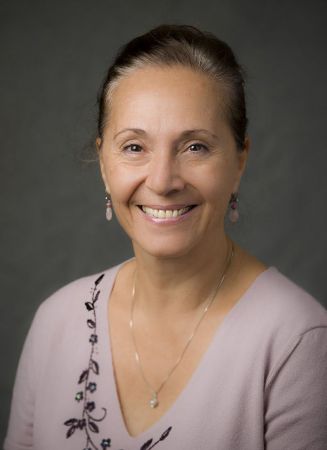
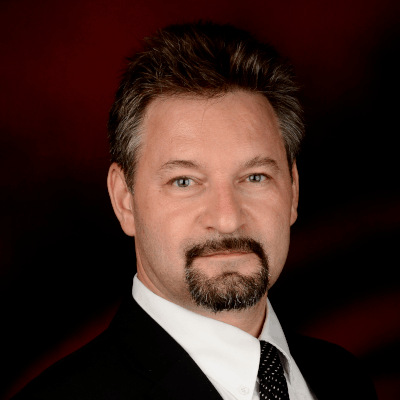
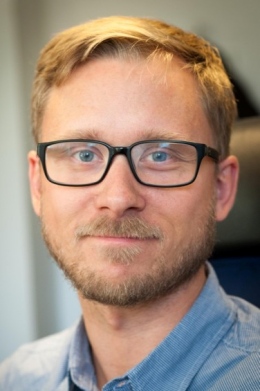
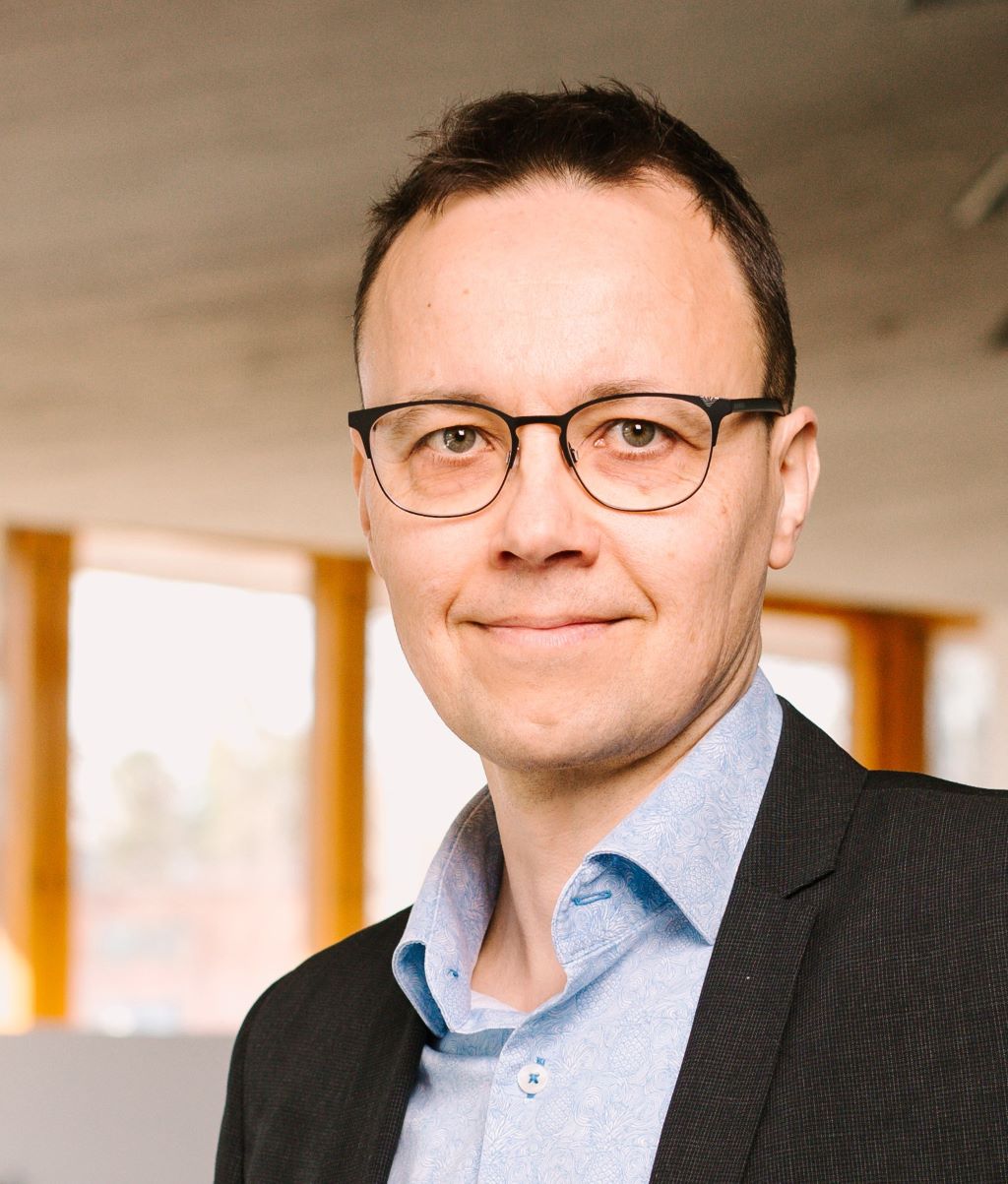
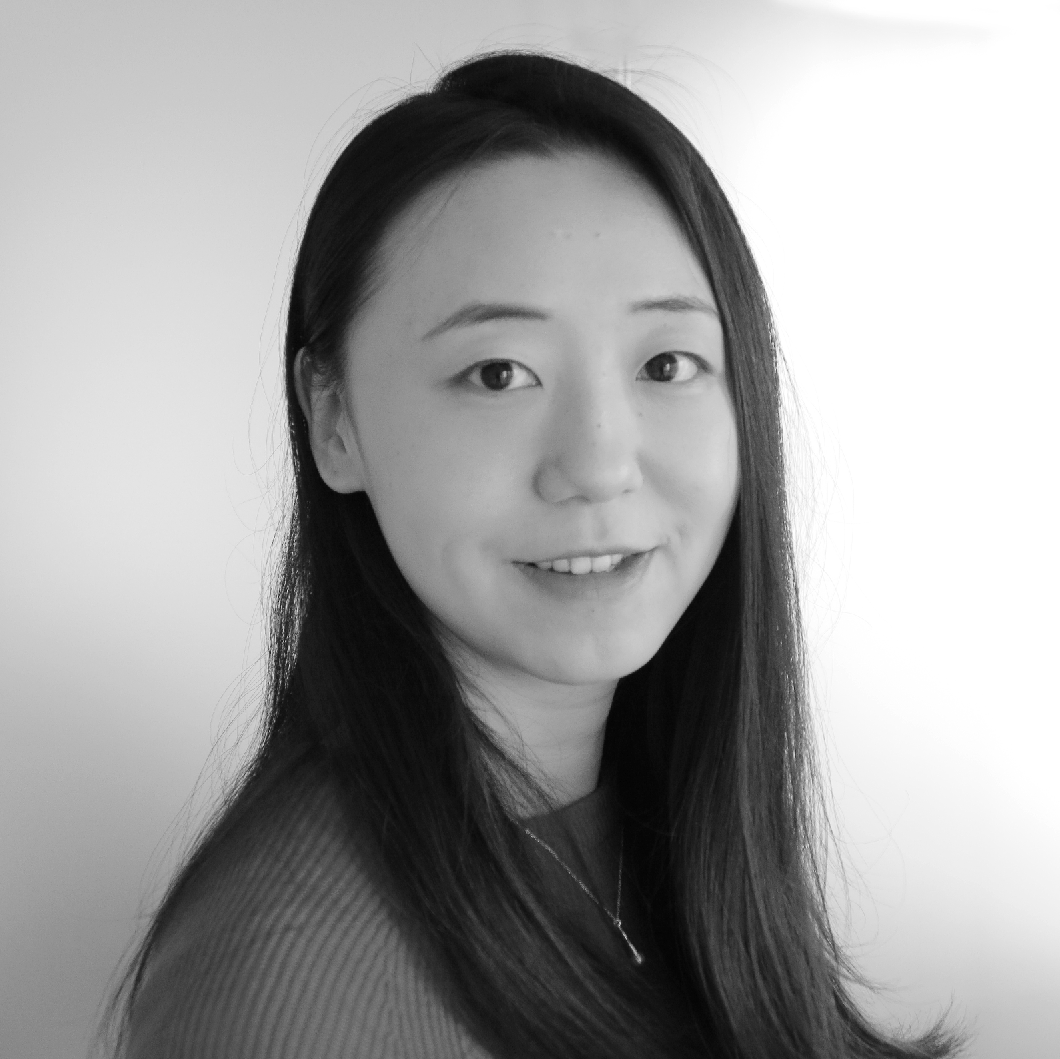
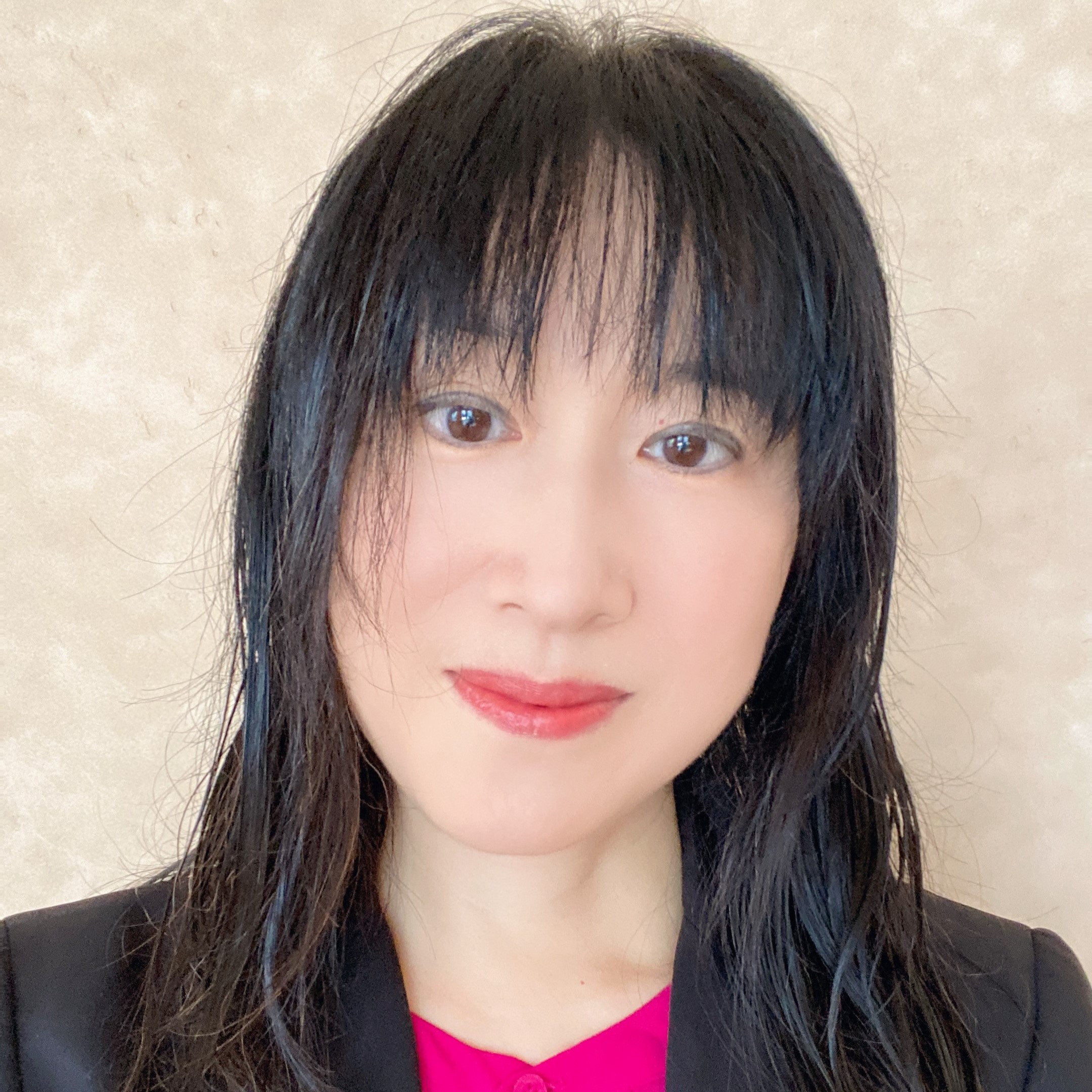
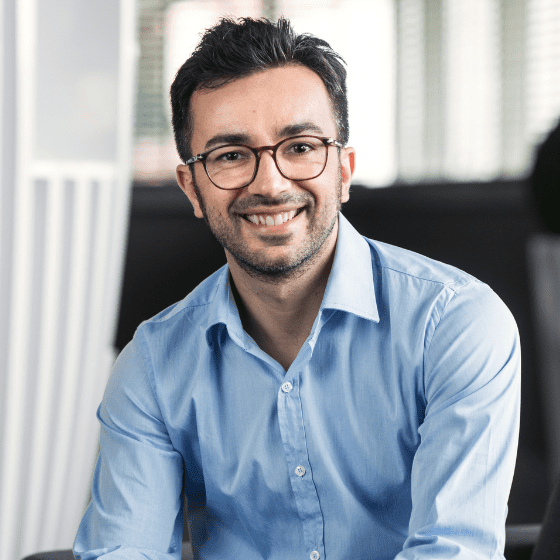
Sibel Pamukcu is a Professor in the Department of Civil and Environmental Engineering at Lehigh University, affiliated with the P.C. Rossin College of Engineering and Applied Science. Her research focuses on electroremediation of soils and groundwater, advanced geo-materials, and sensor systems for subsurface monitoring. She has held leadership roles including interim Chair of Civil and Environmental Engineering and co-director of Lehigh’s ADVANCE grant. Pamukcu teaches courses in geotechnical and environmental engineering at both undergraduate and graduate levels. Education: Ph.D. in Civil Engineering, Louisiana State University M.S. in Civil Engineering, Louisiana State University B.S. in Civil Engineering, Bogazici University, Turkey Research Interests: Her work spans electrochemical methods for environmental detoxification, development of polymer-enhanced sands, and distributed sensor networks for real-time subsurface monitoring. Key focus areas include: In-situ destruction of contaminants in clay-rich soils Enhanced oil recovery via electric fields Wireless and fiber-optic sensor systems for hazard mitigation Grants & Awards: Principal investigator on over 60 grants from NSF, DOE, DOD, and others. Notable awards include the Alfred Noble Robinson Award (Lehigh University) and the ASCE Civil Engineering Foundation Grant Award. Her lab holds multiple patents on soil remediation techniques and polymer-coated sands. Advising & Service: Supervised 9 Ph.D. and 25+ M.S. students Appointed to Martindale Center faculty and Sigma Xi leadership Contributed to 50+ peer-reviewed articles and 100+ technical publications Labs & Teams: Leads interdisciplinary initiatives in electrokinetic remediation and underground sensing, collaborating with industry partners like Electric Power Research Institute and the Pennsylvania Department of Transportation.
Christian Poellabauer is a Professor at Florida International University (FIU) in the Knight Foundation School of Computing and Information Sciences, serving as Interim Associate Dean for Research and Graduate Studies in the College of Engineering & Computing. He holds a Ph.D. from Georgia Institute of Technology (2004) and a Diplom-Ingenieur from TU Vienna (1998). His research focuses on mobile sensing, data analytics, and healthcare technologies, leading the MOSAIC Lab which develops solutions for healthcare, IoT, and smart cities. He previously led the Mobile Computing Lab at the University of Notre Dame and held leadership roles in data science institutes. Research Interests: His work spans digital biomarkers for neurodegenerative diseases, speech analysis for mental health, wearable device authentication, and wireless sensor networks. The MOSAIC Lab addresses challenges like real-time sensor data analysis on constrained devices and translating insights into clinical applications. Teaching: He has taught courses on Operating Systems, Mobile Computing, and Smart Health at both FIU and Notre Dame. Recent courses include COP4610 (Operating Systems Principles) and COP5614 (Graduate Operating Systems) at FIU. Service: He serves as Associate Editor for IEEE Transactions on Network Science and Engineering, and has organized conferences like ICNC 2023 and IEEE MASS 2021. His academic service includes roles on editorial boards and technical program committees for major conferences in distributed computing and networking. Advising & Labs: Advises current Ph.D. students in areas like multi-modal sensing for affective computing and mental health crowdsensing. Past students have pursued roles in academia and industry (e.g., Rose-Hulman Institute of Technology, Facebook, Microsoft). The MOSAIC Lab collaborates on projects like digital clinical outcome assessments and motor impairment detection.
Andrew Friend is a Researcher at the University of Cambridge , affiliated with the Department of Geography . His work focuses on terrestrial ecosystem dynamics, particularly the interplay between vegetation, carbon fluxes, and climate systems. He develops process-based computer models to simulate vegetation growth, competition, and carbon cycle responses, while also conducting experimental and field studies in collaboration with institutions like the Sainsbury Laboratory, NIAB, and Forestry England. Friend’s research integrates plant physiological knowledge with global vegetation modeling . Key interests include source-sink carbon interactions, physiological diversity in ecosystems, and the impact of climate extremes on forest resilience. His models address challenges such as drought, temperature changes, and deforestation, with applications in predicting future carbon balances and informing climate mitigation strategies. The 15 most recent articles highlight his contributions to understanding Amazon deforestation tipping points , wood formation mechanisms , and fire/disturbance impacts on ecosystems . These works span climate science , forest ecology , and biogeochemical cycles , emphasizing multi-scale approaches from cellular processes to global systems. Friend collaborates with institutions like Forestry England (Thetford Forest studies), Sainsbury Laboratory , and the C-CLEAR Doctoral Training Partnership . His work bridges computational modeling, experimental validation, and field data to advance terrestrial carbon cycle science.
Marcella Lusardi is an Assistant Professor in the Department of Chemical and Biological Engineering and the Princeton Materials Institute at Princeton University, leading interdisciplinary research at the intersection of materials synthesis, catalysis, and sustainability. Her educational background includes: Ph.D. in Materials Science and Engineering from MIT (2018) B.S. in Chemical Engineering from Columbia University (2012) Dr. Lusardi's research focuses on designing advanced catalytic materials for environmental challenges, with core expertise in surface science, light-matter interactions, and complex materials processing. Her group develops natural and engineered materials for energy and sustainability applications, emphasizing CO 2 capture/reduction, pollution abatement, and photocatalysis through molecular-level catalyst design. The MatCat Lab integrates experimental techniques like NMR spectroscopy with computational guidance to create scalable solutions for closed carbon cycles and greener chemical processes. Analysis of her 15 most recent publications (2019-2025) reveals a dominant focus on zeolite-based catalysis for CO 2 conversion and carbonylation reactions, with growing emphasis on supramolecular assemblies and water-tolerant acid catalysts. Her work consistently bridges fundamental material properties with practical sustainability applications, showing progression toward integrated systems for direct air capture and light-mediated reactions. The MatCat Lab employs a highly interdisciplinary approach centered on defect engineering in silica matrices and molecular recognition for supramolecular networks. Current projects target tailored reaction environments for CO 2 reduction and microplastic oxidation, utilizing advanced synthesis methods and structural elucidation to develop practical catalytic technologies for a sustainable future.
Du Changwen is a Researcher (Professor) at the Nanjing Institute of Soil Science, Chinese Academy of Sciences, serving as Deputy Director of the National Engineering Laboratory for Soil Nutrient Management. He supervises doctoral and master's students in soil science and agricultural technology development. His academic journey includes: Bachelor's degree from Huazhong Agricultural University's College of Resources and Environmental Science (1997) Master's degree from Huazhong Agricultural University's Trace Element Laboratory (2000) PhD from Nanjing Institute of Soil Science, Chinese Academy of Sciences (joint program with Technion - Israel Institute of Technology) (2003) Dr. Du's pioneering research focuses on precision fertilization technologies, particularly polymer-coated controlled-release fertilizers developed through model membrane and water-based reaction film-forming techniques. His work integrates Fourier Transform Infrared spectroscopy (ATR and PAS modes) with engineering mathematics to monitor nutrient release dynamics, soil chemistry processes, and plant nutrition in real-time. This interdisciplinary approach bridges agricultural chemistry, materials science, and environmental engineering to optimize fertilizer efficiency while minimizing ecological impact. Analysis of his 2015-2017 publications reveals a consistent emphasis on spectroscopic methods for soil-plant system analysis, with dominant themes in controlled-release fertilizer development, soil organic matter characterization, and in-situ nutrient monitoring. His work demonstrates strong cross-disciplinary integration between agricultural technology, analytical chemistry, and environmental science. His scientific recognition includes: Special Award of the First China Agricultural Science and Technology Innovation and Entrepreneurship Competition First Prize of Jiangsu Science and Technology Award First Jiangsu Youth Entrepreneurship Award Second Prize of Chinese Academy of Sciences Science and Technology Contribution Award First Prize of China Agricultural Science and Technology Award Dr. Du has secured major research funding including National Natural Science Foundation projects (key, general, youth), National '973' Basic Research Program, '13th Five-Year' R&D Plan sub-projects, '863' High-tech Program sub-projects, and Jiangsu Provincial Science and Technology Support Plan initiatives. His leadership in the National Engineering Laboratory for Soil Nutrient Management drives innovation in fertilizer technology, with significant outputs including 198 academic papers (89 SCI, 35 EI), 6 monographs, 1 international patent, 8 national patents, and 2 software copyrights. His laboratory specializes in advanced spectral analysis of soil-plant systems, utilizing FTIR-ATR and FTIR-PAS technologies for real-time monitoring of nutrient dynamics and polymer membrane reactions. Current research focuses on next-generation controlled-release fertilizers, machine learning-enhanced spectral analysis, and precision nutrient management systems for sustainable agriculture.
Professor Cedo Maksimovic is a leading academic in the Department of Civil and Environmental Engineering at Imperial College London, Faculty of Engineering. He is a Principal Research Fellow and heads the Urban Water Research Group (UWRG), with affiliations to the Environmental and Water Resource Engineering group, Grantham Institute, Space Lab, and Urban Systems Lab. His research focuses on urban water systems , including storm drainage, urban flooding, water supply, and the interaction between urban infrastructure and the environment. He has pioneered work in applied fluid mechanics , smart water infrastructure , and flood risk management , with innovations such as the AOFD method for urban surface flood modelling and intelligent sensor networks recognized by the ICE Telford Gold Medal. His recent research, as reflected in publications, spans urban pluvial flooding , leakage detection , integrated urban water management , and blue-green infrastructure . These works emphasize computational modelling, real-time monitoring, and climate resilience in urban environments. UNESCO/IAHR Lecturer of the Year 2001 ICE Telford Gold Medal (WINES project team) Prof. Maksimovic has led major projects funded by EPSRC, EU (Climate-KIC, Interreg), UNESCO, and ERANET_CRUE. He advises postgraduate students and has created international educational initiatives like the EDUCATE programme. He also serves as Editor-in-Chief of the Urban Water Book Series and co-founded the Urban Water journal. He leads the UNESCO-endorsed IRTCUD/CUW network with centres in Banjaluka, Belgrade, Cairo, Kuala Lumpur, London, Porto Alegre, Tehran, and Trondheim, promoting global collaboration in urban water research and education.
Johan Eklöf is a Professor at Stockholm University within the Department of Ecology, Environment and Plant Sciences . His research emphasizes marine ecology , focusing on interactions between marine biodiversity, environmental conditions (including climate), and societal impacts . He teaches courses such as Management of Aquatic Resources in the Tropics , Marine Ecology for the Biogeo Program , and Ecology II . Research Focus: Causal relationships between biodiversity and ecosystem resilience Foundation species as drivers of ecosystem services Optimizing resource management under climate change Projects: Principal Investigator for FORCE (2023-present), a transdisciplinary Baltic Sea recovery project Contributor to NordSalt (climate impacts on Nordic salt marshes) and PlantFish (Baltic Sea vegetation-fish interactions) Scientific Leadership : Supervises 2 current PhD students and co-supervises 6 additional PhD/postdocs Formerly mentored 4 PhD graduates and >40 MSc students Environmental Context: His work spans Baltic Sea and Western Indian Ocean ecosystems, using seagrass beds , mussel beds , and coastal benthic systems as primary models. Recent publications highlight climate change impacts on trophic cascades , habitat connectivity , and policy frameworks for marine conservation .
Simo Hostikka is a Professor in the Department of Civil Engineering at Aalto University's School of Engineering. His research focuses on fire safety engineering , utilizing numerical fire simulations to address critical challenges in building and infrastructure safety. Key Expertise: Fire Dynamics Simulator (FDS) development, thermal radiation heat transfer, pyrolysis modeling, fire toxicity calculations, and probabilistic risk analysis. Leadership: Supervises advanced fire safety research and contributes to international fire safety standards. Research Trends: Recent publications emphasize fire toxicity modeling , hydrogen fire safety , radiation heat transfer , and fire retardancy of polymeric materials . His work bridges computational methods with real-world fire safety applications. Scientific Awards: Philip Thomas Medal of Excellence (2008, 2005) Sjölin Award (2012) Interflam Trophy (2007) Harmathy Award (2020, 2019) Dean’s Award for Best MSc Thesis (2020) Best Paper in Rakenteiden Mekaniikka (2009) Advising: Supervised Topi Sikanen, who received the Young Talent Award from the International Water Mist Association.
Dr. Zheng Yuan is an Associate Professor (Senior Lecturer) in the School of Computer Science at the University of Sheffield. Previously, they held roles as an Assistant Professor at King's College London and a Research Associate at the University of Cambridge's Department of Computer Science and Technology. Their primary research focuses on machine learning and deep learning applications in natural language processing (NLP), particularly in educational technology, healthcare, creativity, and multilingual contexts. Key projects include computer-assisted language learning (CALL), human-centered NLP in education, computational code-switching, and creative AI. Education includes a PhD and MPhil in Natural Language Processing from the University of Cambridge, and a BSc(Eng) from Queen Mary University of London. They hold affiliated positions at the University of Cambridge, King's College London, and are a Fellow of Trinity College, Cambridge. They contribute to The Alan Turing Institute's Data-Centric Engineering Programme and hold FHEA status (2024-). Research interests span educational NLP, multilingual systems, transfer learning, and explainable AI. They actively organize workshops and serve on editorial boards (e.g., PeerJ Computer Science) and conference committees (ACL/EMNLP). Recent activities include co-organizing NLP workshops at ACL 2025 and NAACL 2024, alongside roles in professional societies like the ACL Professional Conduct Committee. Awards include Fellowship of the Higher Education Academy (2024-) and ASEFClassNet18 Faculty Collaboration (2025-). They welcome PhD applications in NLP and machine learning, emphasizing interdisciplinary applications.
Dr. Jia Zhang is the Inaugural Robert H. Dedman Jr. Endowed Department Chair and Professor of Computer Science at Southern Methodist University (SMU Lyle School of Engineering). She holds the Cruse C. and Marjorie F. Calahan Centennial Chair in Engineering and has a courtesy appointment in the Department of Operations Research and Engineering Management. Her research focuses on applying machine learning, natural language processing, and information retrieval to data science infrastructure, particularly scientific workflows, provenance mining, software discovery, knowledge graphs, cloud computing, immune AI, and applications in earth science and healthcare. Education: Ph.D. in Computer Science, University of Illinois at Chicago M.S. in Computer Science, Nanjing University B.S. in Computer Science, Nanjing University Dr. Zhang's work emphasizes data science infrastructure and machine learning for scientific workflows and knowledge graphs. Her recent publications highlight deep learning , graph neural networks , and optimization algorithms in cloud computing, cybersecurity, and environmental applications. Key trends include spatiotemporal modeling , hybrid neural architectures , and AI-driven service ecosystems . Scientific Awards: Best Paper Awards IEEE SCC (2011, 2017) Best Student Paper Awards IEEE ICWS (2014, 2018), IEEE ICCC (2018) Distinguished Paper Award ICSOC (2023) First Outstanding Service Award IEEE Technical Committee on Services Computing (2016) She has secured over $5 million in federal grants (as PI) and $11 million as PI/Co-PI from NSF, NASA, NIH, UTSW, Ericsson, SAP, and Google. Her lab (Caruth Hall 308) actively recruits research assistants. She previously served as a faculty member at Carnegie Mellon University, Northern Illinois University, and Nanjing University, and worked in industry as a software architect.
Stefano Galelli is a tenured Associate Professor in the School of Civil and Environmental Engineering at Cornell University, where he leads the Critical Infrastructure Systems Lab. He also holds an adjunct position as a Research Scientist at the Lamont-Doherty Earth Observatory, Columbia University. His career spans roles in Singapore, including a Postdoctoral Research Fellow at NUS (2011–2013) and faculty at the Singapore University of Technology and Design (2013–2023). Dr. Galelli earned his B.Sc. (2004), M.Sc. (2007), and Ph.D. (2011) in Environmental and Land Planning Engineering and Information Technology from Politecnico di Milano, Italy. His research focuses on the interactions between critical infrastructure systems and natural environments, emphasizing adaptive management solutions for water-energy systems. Techniques include process-based modeling, climatology, statistical learning, control theory, and optimization. He explores topics like hydro-climatic variability impacts, dam re-operation for environmental flows, and cyber-physical security in infrastructure. His contributions to journals such as Nature Sustainability, Earth’s Future, and Environmental Modelling & Software have earned him multiple awards, including the Early Career Research Excellence Award (2014) and SUTD Excellence in Research Award (2017). He has served as an editor for several journals and is recognized for advancing interdisciplinary approaches to water-energy nexus challenges. Teaching highlights include foundational mathematics courses and advanced topics in data analytics, optimization, and water-energy management. He is developing new courses on data-driven control of coupled human-natural systems and risk management for interconnected systems.
Saurabh Amin is a Professor in the Department of Civil and Environmental Engineering at the Massachusetts Institute of Technology (MIT), where he also serves as the Edmund K. Turner Professor and Undergraduate Officer. He is a Principal Investigator at the Laboratory of Information and Decision Systems and holds affiliations with the Operations Research Center and the Center for Computational Science and Engineering. His educational background includes: B.Tech. 2002, Indian Institute of Technology (IIT) Roorkee M.S. 2004, University of Texas (UT) Austin Ph.D. 2011, University of California (UC) Berkeley Saurabh Amin's research focuses on the design and control of infrastructure systems using game theory and optimization in networks. His work spans three main areas: resilient network control, information systems and incentive design, and optimal resource allocation in large-scale infrastructure systems. By concentrating on critical infrastructure domains including highway transportation, electric power distribution, and urban water networks, his research develops innovative theory and tools to enhance system performance against both stochastic and adversarial disruptions. His approach involves modeling cyber-physical interactions in infrastructures to assess vulnerabilities, developing detection and response tools for failures at various scales, and designing economic incentive schemes that improve aggregate public good while accounting for dependencies and private information among strategic entities. Amin's work bridges mathematical systems theory with practical civil engineering applications, creating a rigorous theoretical foundation for infrastructure resilience that addresses diverse failure mechanisms from natural disasters to deliberate malicious actions. His recent publications demonstrate a strong focus on decarbonization of energy systems, resilient infrastructure planning under climate uncertainty, optimization methods for complex networked systems, and game-theoretic approaches to sustainable infrastructure management. His work increasingly integrates artificial intelligence and machine learning techniques with traditional control theory to address contemporary challenges in infrastructure resilience and sustainability. The research shows a clear trajectory toward addressing climate change impacts on infrastructure systems while maintaining economic efficiency and operational reliability. Professor Amin has received numerous prestigious awards and honors: Common Ground Excellence in Teaching Award, 2025 HSCC Test-of-Time Award, 2024 MIT CEE, Distinguished Service and Leadership Award, 2023 Samuel M. Seegal Prize (SoE) – inspiring students in pursuing and achieving excellence, 2022 Earll M. Murman for Excellence in Undergraduate Advising, 2022 C3.ai Digital Transformation Institute Research Award, 2020 MIT, Ole Madsen Mentoring Award, 2020 MIT, Energy Initiative Research Award, 2020 National Academy of Engineering, China-America Frontiers of Engineering Symposium speaker, 2019 MIT, Robert N. Noyce Career Development Professor, 2015-2018 Google Faculty Research Award, 2015 National Science Foundation CAREER Award, 2015 Siebel Energy Institute Research Award, 2015 MIT, Solomon Buchsbaum AT&T Research Fund Award, 2012 Professor Amin has been actively involved in significant research projects including the C3.ai DTI project on Causal Reasoning for Real-Time Attack Identification in Cyber-Physical Systems and another on Learning in Routing Games for Sustainable Electromobility. He serves as the chief scientist on multi-institutional NSF grants, including the $9 million Foundations of Resilient Cyber-Physical Systems (CPS) project. His teaching portfolio includes courses such as 1.008 Engineering for a Sustainable World, 1.104 Sensing and Intelligent Systems, 1.020 Engineering Sustainability: Analysis and Design, and 1.208 Resilient Networks. As Undergraduate Officer, he plays a key role in shaping the educational experience for civil and environmental engineering students at MIT. Professor Amin leads the Resilient Infrastructure Networks Lab at MIT, where his team develops theoretical foundations and practical tools for infrastructure resilience. The lab focuses on the intersection of control theory, game theory, and optimization applied to cyber-physical infrastructure systems. Current research directions include pandemic-resilient urban mobility and hurricane-resilient smart grid operations, reflecting the lab's commitment to addressing pressing societal challenges through rigorous systems engineering approaches.
Yi Ding is an Assistant Professor in the Elmore Family School of Electrical and Computer Engineering at Purdue University, where they lead the STYLE (Sustainable computing Systems and LEarning) Lab. Dr. Ding joined Purdue in August 2023 after completing a postdoctoral fellowship at MIT CSAIL as an NSF Computing Innovation Fellow, mentored by Michael Carbin. During their postdoc, they also held a visiting position at Meta Infra Data Center to improve server maintenance efficiency in hyperscale datacenters. They received their Ph.D. in Computer Science from the University of Chicago, advised by Henry Hoffmann. Dr. Ding's research focuses on computer systems, computer architecture, and AI/ML, with strong emphasis on applications in sustainability and healthcare. Their work spans sustainable computing, including energy efficiency in datacenters and LLM serving, as well as healthcare applications such as mental health prediction and EEG analysis. Their recent publications demonstrate a strong trend toward addressing environmental impacts of computing, particularly in datacenters and AI systems, while also exploring innovative healthcare applications. Their research bridges systems, sustainability, and health domains, creating novel solutions for pressing societal challenges. Dr. Ding has received notable recognition including the Seed Funding for High-Impact Review Papers (2024), the Meta Research Award (2021), and was selected as a Computing Innovation Fellow by CRA/CCC (2020). Seed Funding for High-Impact Review Papers (2024) with Inez Hua 1st Place in Research Talk in CoE at Fall 2024 Undergrad Research Expo (awarded to Gavin Fortwendel) 2020 Computing Innovation Fellow by CRA/CCC Meta Research Award on Statistics for Improving Insights, Models, and Decisions (2021) Dr. Ding is actively recruiting self-motivated Ph.D. students interested in AI/ML systems research. They have secured funding for undergraduate research projects through DUIRI, focusing on sustainable AI computing and energy use in training autonomous vehicles. Their lab collaborates with various institutions including MIT, Meta, and interdisciplinary partners at Purdue. The STYLE Lab under Dr. Ding's leadership is actively engaged in multiple research initiatives addressing sustainable computing and healthcare applications, with strong industry connections and funding support from both internal university sources and external partners.
Detlef F. Sprinz is a Senior Scientist at the Potsdam Institute for Climate Impact Research (PIK) and a Professor at the Faculty of Economics and Social Sciences of the University of Potsdam, Germany. During 2024-2025, he leads the project "AMaReNa - A Market for the Restoration of Nature" , focusing on carbon removals. His academic background includes a Ph.D. and M.A. in Political Science from the University of Michigan and an M.A. in Economics from the University of the Saarland. Research Interests: Climate policy at multiple levels, long-term policy design, evaluation of international/national institutions, European/international environmental policy, and modeling political decisions for sustainability. Notable Projects: Tandem Fellowship (2020-2022) for interdisciplinary course development, Visiting Researcher at University of Lund (2022-2023), and coordination of research at the Käte Hamburger Kolleg (2017). Publications emphasize climate cooperation under the Paris Agreement, effectiveness of environmental regimes, and predictive modeling for climate negotiations. His work spans empirical analyses of acid rain regulation, Kyoto Protocol implementation challenges, and bioenergy accounting errors. Scientific Awards & Memberships: Tandem Fellowship (German Stifterverband) Member, European Academy Co-founder, Ecologic Institute Teaching includes courses on global climate governance, political decision modeling, and environmental policy at the University of Michigan, Yale, University of Oslo, and University of Potsdam. He has contributed to IPCC’s Sixth Assessment Report as a Lead Author. Advisory Roles: Chairmanship of the European Environment Agency’s Scientific Committee (2009-2012), Senior Research Fellow at CICERO (2011-2013), and consultancy for governments, corporations, and think tanks.
Olivia Constantin is an Associate Professor in the Department of Mathematics at the Faculty of Mathematics. She has been actively publishing since 2008, with research contributions in functional analysis, complex analysis, and mathematical fluid dynamics. PhD in Mathematics (implied by academic position and research output) Her research primarily focuses on operator theory on function spaces, especially Fock and Bergman spaces, and the application of complex analysis to fluid flows. Key areas include Hankel operators, integral operators, embedding theorems, and the analysis of water waves and oceanic gyres. Her work combines deep analytical techniques with applications in fluid mechanics. Recent publications show a strong trend toward using complex-analytic methods to study irrotational flows, traveling water waves, and gyre dynamics, indicating an interdisciplinary approach bridging pure and applied mathematics. Her 2025 paper on velocity extrema in ocean gyre flows highlights ongoing contributions to geophysical fluid dynamics. She has led two research projects: Operatorenklassen (2012–2016) and Analysis of Operators on Spaces of Holomorphic Functions (2017–2019), demonstrating sustained research leadership. Active speaker at academic conferences, with 18 recorded scientific activities including talks from 2008 to 2023 Olivia Constantin collaborates with prominent mathematicians such as A. Aleman, J. A. Peláez, A.-M. Persson, and D. Kalaj. She has not received any explicitly mentioned scientific awards. There is no information about her advising students or managing labs or research teams.