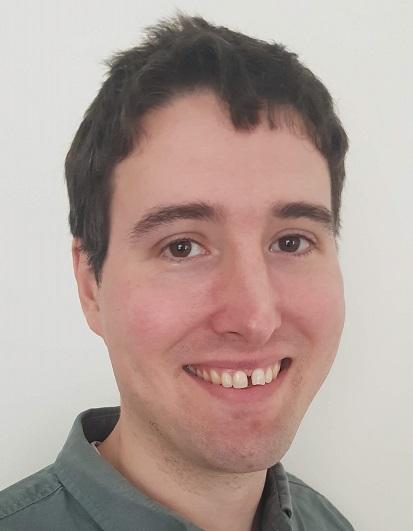
Dr Samuel Tammas-Williams is a Lecturer in Digital Manufacture at The University of Edinburgh's School of Engineering, with expertise in additive manufacturing and materials science. His academic credentials include an MEng and PhD in Aerospace Engineering and Advanced Metallic Systems from The University of Manchester (2010-2015), and a PGCert in Academic Practice from LJMU (2021). Mechanical Engineering Materials Science 3D Printing Titanium Alloys X-ray Computed Tomography Electron Beam Melting His research focuses on optimizing additive manufacturing processes for aerospace and space applications through advanced characterization techniques like X-ray tomography. Recent work explores lunar manufacturing, hot isostatic pressing, and defect analysis in metallic components. He supervises BEng, MEng, and MSc projects while teaching courses in digital design, additive manufacturing, and computer-aided manufacturing. Scientific contributions include 24 research outputs across metallurgy, process optimization, and novel manufacturing applications. Current projects target titanium structure damping and material performance correlations in additive manufacturing. Fellow of Advance HE (FHEA) Member of The Institute of Materials, Minerals & Mining (MIMMM)
Dr. Kong Kian Hau is a Senior Lecturer at the Department of Civil and Environmental Engineering, National University of Singapore (NUS). He holds a PhD in Civil Engineering (2004) and multiple professional certifications, including Chartered Engineer (UK) and Singapore-registered Professional Engineer. His expertise spans structural engineering, sustainable materials, and seismic design. He has contributed to national codes like BC3:2013 and co-authored an IStructE book on seismic design. Dr. Kong has over 13 years of industry experience in construction projects, including roles as Project Manager and Senior Consultant for residential, commercial, and infrastructure works across Singapore and internationally. Education: PhD (Civil Engineering), NUS (2004) M.Sc. in Advanced Structural Design, NUS (2002) B.Eng. (Civil Engineering, 1st Class Honours), NUS (1999) Research Interests: Structural Repair & Retrofitting Sustainable Building Materials Seismic Design & Dynamic Analysis Precast Concrete Systems Tall Building Systems Professional Activities: Member of IStructE (UK), ACI, RILEM, and CTBUH. Served on global panels like IStructE’s Global Seismic and Dynamic Events (2016–2018, 2024–present). Awarded NUS President Graduate Fellowship (2002) and IStructE/IES Service Awards (2013–2014). Teaching: Leads M.Sc. courses in structural assessment, precast concrete technology, and advanced concrete design. Supervises capstone projects on bridges and modular systems.
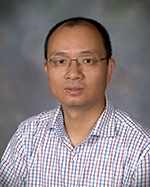
Behrooz Azimzadeh is a Postdoctoral Associate in the School of Integrative Plant Science at Cornell University, affiliated with the Soil and Crop Sciences Section under the Martinez Lab. His research focuses on environmental and soil chemistry, particularly the fate and behavior of pesticides (e.g., glyphosate), heavy metals, and organic matter interactions with mineral surfaces. He investigates mechanisms of adsorption, desorption, and transformation of contaminants at mineral interfaces, with applications in environmental remediation and sustainable agriculture. His work integrates experimental methods with advanced analytical techniques such as ATR-FTIR spectroscopy, colloid science, and statistical modeling. Recent projects include studying glyphosate dynamics at organo-mineral interfaces, iron-impregnated biochar for arsenic remediation, and optimizing fertilizer use through economic modeling in agroecosystems. He has collaborated on interdisciplinary studies addressing soil carbon sequestration, microbial processes in moist soils, and pollution source apportionment in industrial regions. Behrooz holds a strong background in soil chemistry, environmental engineering, and geochemistry. His research spans both fundamental and applied aspects, aiming to address critical challenges in environmental sustainability and agricultural productivity. His email is ba324@cornell.edu .
Ping Lu, Ph.D., is an Assistant Professor in the Department of Chemistry & Biochemistry at Rowan University, within the College of Science & Mathematics. His research focuses on nanoscience, polymer science, catalysis, and sustainable materials for energy and environmental applications. He completed his BS and MS in Chemistry at Donghua University, China, followed by a PhD in Agricultural & Environmental Chemistry from the University of California, Davis. Postdoctoral training included Chemistry and Biomedical Engineering at Washington University in St. Louis and Georgia Institute of Technology/Emory University. Research interests include nanomaterials synthesis for energy storage, eco-friendly fabrication methods, and catalytic systems for environmental remediation. He leads the Lu Lab (http://www.luslab.com/) and is affiliated with professional societies like the American Chemical Society (ACS) and Materials Research Society (MRS). His work emphasizes green chemistry, with publications spanning advanced materials for CO2 capture, drug delivery systems, and electrochemical wastewater treatment. Key contributions include developing thermally triggered nanocapillary systems for thermal energy storage and sinter-resistant catalysts. Current projects explore bio-inspired superhydrophobic materials and scalable nanofiber production techniques. No scientific awards are explicitly listed, but his work is funded through grants supporting sustainable materials innovation. Advising focuses on graduate and undergraduate research in nanomaterials and environmental chemistry.
Melissa Acker is an academic researcher and educator at Stuttgart University of Applied Sciences (HFT Stuttgart), specializing in sustainable materials and mycelium-based innovation. She holds a Diplom in Industrial Design from the State Academy of Fine Arts Stuttgart and currently leads the 'Myco Lab' for Mushroom Materials research. Her roles include: Guest Lecturer at Münster School of Design (Product Design) Lecturer in Materials & Aesthetics at Muthesius Kunsthochschule Kiel Founder of 'sustainable matter' studio (2021) Her research focuses on: Bioregional materials Construction waste repurposing Mycelium composites for architecture Hemp applications in building Circular design methodologies Recent work includes the HFT Hemp Construction Symposium (2024), the 'car2tree' urban renewal project, and the award-winning 'Mycelium Model Making' initiative. She has published extensively on biomaterials and circular construction, with key contributions in md und db and DeutscheBauzeitschrift . Awards include the 2024 competitionline CAMPUS Award (Mycelium Model Making) and 2018 Creative Conscience Silver Award. Her pedagogical innovations include the Rethinking Bricks recycling course and the Staging Lino linoleum revival project. Labs/Initiatives: Myco Lab (HFT Stuttgart), Reallabor 'Denk- und Macherei', and the IMIAD Material Laboratory.
Dr. Aidan Doyle is a Reader in Industrial Chemistry at Manchester Metropolitan University, specializing in nanoporous materials and heterogeneous catalysis. His research focuses on emissions control technologies, low carbon fuels, and additive manufacturing applications in chemical engineering. Expertise in zeolite synthesis from unconventional sources Active researcher in methane oxidation and CO2 adsorption Contributor to aircraft cabin air quality studies Academic Background PhD in Chemistry (University of Limerick, 2000) BSc Industrial Chemistry (University of Limerick, 1995) Diploma in Chemistry (Waterford Institute of Technology, 1993) Research Highlights demonstrate his work across multiple disciplines including environmental engineering, materials science, and chemical processing. Recent publications focus on 3D-printed catalytic substrates, hybrid photocatalysts, and industrial-scale pollutant removal systems. Scientific Contributions include significant findings in: CO2 capture using waste-derived composites Methane abatement in dual-fuel engines Multi-metal adsorption from aqueous systems Aircraft cabin chemical contamination studies Awards and Distinctions include the Max-Planck-Society Research Fellowship, multiple university-level teaching and research accolades, and active roles in professional associations like the Royal Society of Chemistry. Professional Service involves external examiner duties at major universities and editorial review for funding bodies including EPSRC and RSC.
Roberta Tolve is a Temporary Assistant Professor at the Department of Biotechnology, University of Verona. She specializes in Food Science and Technology with a focus on sustainable food processing, functional food development, and bioactive compound extraction. Her research emphasizes natural deep eutectic solvents (NADES) for valorizing agricultural by-products and enhancing food nutritional profiles. She contributes to interdisciplinary projects like RAINDROP (rice by-product valorization) and SustaIn4Food (Veneto agro-food sustainability). Teaching responsibilities include courses on Unit Operations in Food Technologies, Quality Management in the Food Industry, and Project Management for food engineering students. She actively participates in academic governance as a researcher representative in the Academic Senate and the Biotechnology Departmental Council. Her research portfolio spans 30+ peer-reviewed articles since 2015, covering topics such as microencapsulation of bioactives, low-FODMAP food development, and eco-friendly packaging. Major projects include PNRR-funded initiatives and collaborations with industry spin-offs like Microbion and Genartis.
Prof. Dr. Sabine Kühn is a Professor of Food Technology and Sensory Science at the Department of Nutritional Science (Fachbereich Oecotrophologie) of Niederrhein University of Applied Sciences. Her roles include leadership in the Food Technology and Sensory Laboratory, where she oversees research and teaching in food processing, sensory analysis, and sustainable resource utilization. She actively participates in university governance as a member of the Department Council, Deputy Chair of the Examination Board, and member of the Senate. Her academic journey includes a Diplom-Ingenieurin in Food Technology (2008) and a PhD (2014) from Rheinische Friedrich-Wilhelms-Universität Bonn, focusing on polyphenol recovery from onion processing residues. Her research emphasizes bioactive compound extraction from agricultural byproducts, microencapsulation techniques, and sustainable food production. Notable projects include CO₂-based extraction of cranberry pomace compounds and flavor masking of polyphenolic extracts. Publications span topics like supercritical fluid extraction, in vitro digestion of polyphenols, and valorization of food industry wastes. Her work bridges food chemistry, environmental engineering, and sensory science, addressing both technical and sustainable challenges in food technology. Laboratory and administrative roles reflect her commitment to advancing practical and innovative solutions in food science education and industry collaboration.
John T. Fox is an Associate Professor of Civil & Environmental Engineering at Lehigh University's Rossin College of Engineering. His research focuses on pollution prevention, water treatment technologies, and sustainable materials. He leads projects on biomaterials for air pollution control, industrial waste reclamation, and novel materials for water treatment. He is affiliated with the American Foundry Society Pollution Prevention Committee and Tau Beta Pi honor society. Education: Ph.D. and M.S. in Environmental Engineering from Pennsylvania State University, and B.S. in Civil & Environmental Engineering from Virginia Military Institute. Teaching includes undergraduate courses on Air Pollution, Environmental Water Chemistry, and Engineering Design, as well as a graduate/undergraduate course on Hazardous Waste Management. His research interests span engineering sustainability, pollution prevention, and materials characterization, with emphasis on industrial applications. Recent publications highlight advancements in thermal energy storage, phase change materials, 3D-printed concrete, and pollution control technologies. His work integrates environmental science with practical engineering solutions for sustainable development. Labs/Teams: Active in Lehigh's environmental engineering research group, collaborating on projects related to foundry waste reclamation, pollution control, and eco-friendly materials.
Dr. Tina Marie Cade is a Professor of Horticulture in the Department of Agricultural Sciences at Texas State University. She holds dual affiliations within the College of Science and Engineering and teaches 12 courses, including topics like Organic Gardening, Landscape Management, and Floral Design. Her research focuses on people/plant interactions, horticultural therapy, composting, and quality of life studies. She manages the award-winning Bobcat Blend composting program and the Bobcat Bloom floral shop. She is also a certified arborist and registered horticultural therapist. Education: Ph.D. in Horticulture, Texas A&M University, 1997 M.S. in Horticulture, Kansas State University, 1994 B.S. in Horticultural Therapy, Kansas State University, 1992 Research Interests: Dr. Cade explores how plants enhance human well-being through community gardens, green spaces, and interior plants. Her work includes studies on crime reduction via community gardens, children’s self-esteem through gardening, and workplace satisfaction in interiorscaped environments. She also investigates composting innovations and invasive species management. Awards & Grants: Recipient of multiple awards including the Education Division Research Award (2022) and Innovative Organics Diversion Award (2022). Principal/Co-Principal on grants totaling over $120,000 for initiatives like the Mentorship and Promotion of Women in Agriculture (MPOWA) and Bobcat Blend graduate student support. Labs & Initiatives: She leads the Bobcat Blend composting program (processing campus food waste) and oversees the Bobcat Bloom floral enterprise. These programs integrate research, education, and community service.
Marcello Romagnoli is a Full Professor at the Department of Engineering 'Enzo Ferrari' of the University of Modena and Reggio Emilia. His research focuses on materials science, fuel cells, and renewable energy technologies. He teaches courses on fuel cells, applied chemistry to materials, ceramic process science, and hydrogen applications in electric transportation. Research Interests His work emphasizes advanced ceramic materials, electrochemical systems, and sustainable energy solutions. Key areas include PEMFC and SOFC development, hydrogen production techniques, and composite materials for fuel cell components. He explores innovative manufacturing processes like 3D printing for electrode fabrication and geopolymer-based materials from industrial waste. Teaching Responsibilities Fuel Cells (Master's in Civil & Environmental Engineering) Applied Chemistry to Materials (Environmental Engineering Pathway) Ceramic Process Science & Engineering (Materials Engineering) Hydrogen and Fuel Cells in Electric Transportation (Advanced Automotive Engineering) Publications Recent work includes studies on 3D-printed conductive inks, hydrogen production via aluminum reactions, and biochar applications. His articles address material characterization, nanofluid thermal properties, and composite bipolar plate design for fuel cells. Grants and Labs While specific grants are not detailed here, his involvement in courses like MAMA-MEA and FCHgo suggests participation in funded research initiatives. He collaborates on projects involving additive manufacturing and sustainable material development.
Kamaldeep Sharma is Assistant Professor in Thermal Engineering at Aalborg University's Faculty of Engineering and Science. His research specializes in hydrothermal liquefaction for biofuel production, waste valorization, and catalyst development for sustainable energy solutions. Current projects include hydrothermal depolymerization of polyester waste, adsorption of contaminants from industrial wastewater, and development of iron-based catalysts from bauxite residue. His research integrates thermochemical biomass conversion with circular economy principles. Recent publications focus on optimizing hydrothermal processes for bio-crude production, waste-derived catalyst synthesis, and integrating nutrient recovery pathways within biorefinery systems.
Van Nguyen is a Researcher at Wageningen University & Research, affiliated with Wageningen Plant Research's Department of Greenhouse Horticulture. Their work focuses on sustainable agricultural practices, particularly in circular systems, renewable growing media, and resource optimization. Nguyen leads projects addressing growing media demand projections and biodegradable substrate development. Key areas include peat-free substrates, vertical farming guidelines, and circular plastic use in agriculture. Research emphasizes interdisciplinary topics such as irrigation systems, nutrient uptake, and wind speed impacts on horticultural crops. Projects like LWV24048 and LWV20034 explore stabilized fibers and organic waste utilization for sustainable horticulture. Nguyen has collaborated on studies published as reports and articles, including work on stratified growing media trials and vertical farm cultivation standards. Nguyen actively engages in academic discourse through lectures and presentations on topics like renewable raw materials and circular horticulture. Their media contributions highlight innovations in substrate systems and sustainable practices for growers. Current roles include project leadership in initiatives advancing agricultural sustainability and resource efficiency.
Dr. Charles E. Creissen is a Lecturer in Physical Chemistry at Keele University's Lennard-Jones School of Chemical and Physical Sciences, where he joined in July 2022. He leads the CreissenLab, which focuses on sustainable electrocatalysis research targeting greenhouse gas conversion and waste valorization using renewable electricity. His work bridges chemistry, materials science, and environmental engineering to develop practical solutions for climate change mitigation. Dr. Creissen's educational background includes an MChem in Chemistry from the University of Sussex (2014), followed by an MRes in Physics (2015) and PhD in Chemistry (2019) from the University of Cambridge, where he developed solar-driven devices for hydrogen evolution. He then completed postdoctoral work at the Collège de France in Paris (2019-2022), exploring heterogeneous catalysts for carbon dioxide conversion and water oxidation. His research interests center on converting waste materials and greenhouse gases into valuable chemicals and fuels using renewable electricity. The lab specializes in developing sustainable catalysts for CO 2 conversion, with particular focus on producing ethylene, ethanol, methane, formic acid, and syngas. Their approach involves modifying catalysts, devices, and reaction conditions to improve activity and selectivity, with the goal of demonstrating commercial feasibility through full-cell assemblies. The group also investigates complementary oxidation reactions at the anode, including water oxidation and waste material conversion. Analysis of Dr. Creissen's publication record reveals a strong trajectory in electrocatalysis and CO 2 conversion research. His work demonstrates progression from fundamental solar fuel generation during his PhD to increasingly sophisticated CO 2 electrolysis systems. Recent publications highlight innovations in acidic CO 2 reduction, tandem electrolysis systems, and catalyst design for selective product formation. His research spans both fundamental catalyst development and practical engineering considerations for commercial implementation. Royal Society Research Grant for developing catalysts for electrochemical carbon dioxide conversion Royal Society of Chemistry Enablement grant to kickstart research into alternative anode reactions Featured in Editors' Highlights of Nature Communications for commentary on single-atom catalysts Dr. Creissen actively mentors a diverse research team including PhD students, postdoctoral researchers, and undergraduate project students. His group has secured multiple external funding sources and collaborates with international partners. The CreissenLab is positioned at the forefront of sustainable electrocatalysis research, with ongoing projects focused on improving CO 2 utilization efficiency and developing novel oxidation reactions for waste valorization. The research group operates within Keele University's state-of-the-art facilities in the Lennard-Jones Building, with dedicated laboratory space for electrocatalysis research. The team collaborates with international partners including the Collège de France and participates in major conferences such as #ECat23 hosted at Keele in December 2023.
Dilan Ozkan is a researcher at Northumbria University, specializing in biofabrication and textile architecture. His work bridges computational design with biological materials, focusing on mycelium-based composites and bacterial cellulose applications. Research themes include: Biohybrid textile architecture Parametric material development Regional waste stream utilization Multi-kingdom organism composites Algorithmic growth modeling Climate-responsive material systems His publications demonstrate a focus on sustainable construction practices and living material integration in architectural contexts.