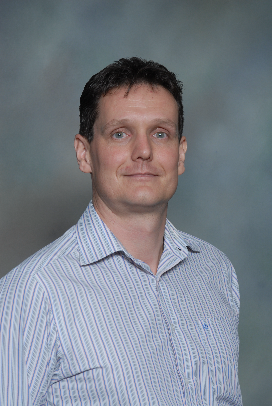
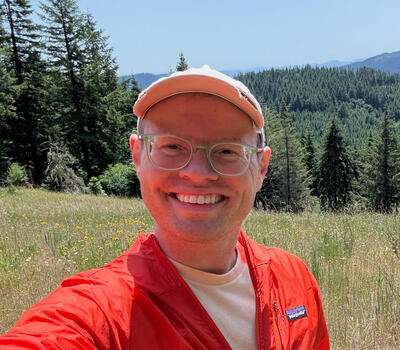
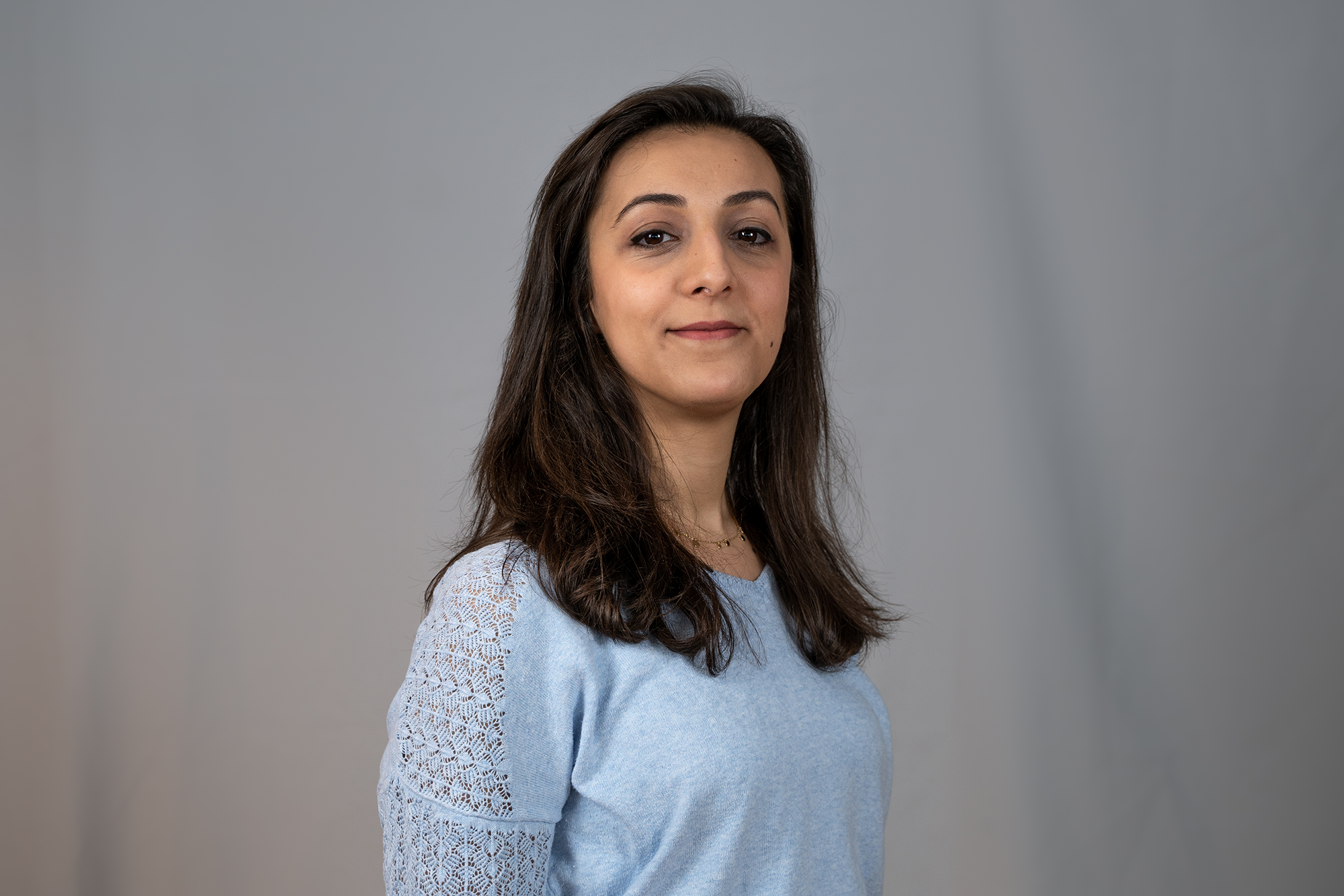
Prof Long D. Nghiem is a Professor and Director of the School of Civil and Environmental Engineering at the University of Technology Sydney (UTS), and Director of the Centre for Technology in Water and Wastewater (CTWW). He holds a PhD in Environmental Engineering from the University of Wollongong and has held academic positions at institutions including the University of Wollongong, Technical University of Munich (as August-Wilhelm Scheer Visiting Professor), and Colorado School of Mines. His research focuses on water treatment technologies, membrane science, anaerobic digestion, and sustainable resource recovery. Prof Nghiem has supervised 20 PhD and 8 MPhil students. His funded research includes grants totaling over $3 million, addressing topics such as advanced water treatment, biomethane production, and microplastic filtration. He has received awards like the UOW Vice Chancellor Award for Research Partnership and Impact (2017), and the Excellence in Reviewing Award from Environmental Science: Water Research Technology (2016). His research interests span membrane separation processes (e.g., forward osmosis, membrane distillation), water purification, and microbial strategies for waste management. He leads projects on resource recovery from wastewater and innovative technologies for addressing global water challenges. His work emphasizes practical applications, such as converting food waste into energy and developing eco-friendly biolubricants from microalgae. Education: PhD in Environmental Engineering, University of Wollongong (2004–2005) MSc in Education, University of Wollongong (2008–2010) BEng in Environmental Engineering, UNSW Australia (1998–2002) Affiliations: Editorial Board Member of Environmental Science: Water Research Technology Section Editor of Current Pollution Reports Prof Nghiem’s lab (CTWW) develops cutting-edge solutions for water and wastewater challenges, including solar-driven desalination, photocatalytic pollutant degradation, and microplastic removal technologies. His interdisciplinary approach bridges engineering, chemistry, and microbiology to create scalable, sustainable environmental solutions.