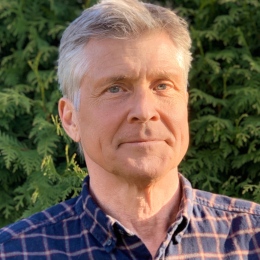
Jonathan Zhang is an Assistant Professor at Duke University's Sanford School of Public Policy and a Faculty Research Fellow at the National Bureau of Economic Research (NBER). He is also affiliated with the US Veterans Affairs Office of Mental Health. Previously, he served on the faculty at McMaster University and was a Postdoctoral Scholar at Princeton University. His academic journey includes a PhD in Economics from Stanford University (2020) and a BSc from UBC. Dr. Zhang's research spans health economics and public finance, with particular focus on physician behavior, health policies, and safety net programs. His work demonstrates deep interest in mental health and substance use issues, examining how healthcare systems impact vulnerable populations. His research methodology often leverages quasi-random assignment and natural experiments to establish causal relationships in complex healthcare settings. His publication record reveals significant contributions to understanding healthcare disparities, particularly regarding racial differences in medical testing accuracy, socioeconomic status impacts on mental health access, and veteran healthcare outcomes. His work frequently appears in prominent working paper series, with numerous 2025 publications indicating active and ongoing research programs. Dr. Zhang maintains active professional engagement through his Google Scholar profile and personal website (jonathanzhang.net). He will be visiting the University of Copenhagen from August 1 - November 15, 2025, suggesting international collaboration and scholarly exchange.
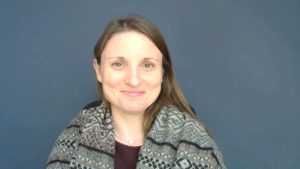
Dr. Hye-Young Jung is an Associate Professor at Weill Cornell Medical College's Department of Population Health Sciences. Her research focuses on clinical workforce organization in nursing homes, telehealth implementation, and care quality for elderly residents, particularly during the COVID-19 pandemic. Education: Ph.D. (Brown University, 2013), B.A. (University of California, Santa Cruz, 2006) Her work examines SNFist physicians' impact on resident outcomes, telehealth utilization trends, and policy responses to pandemic challenges in long-term care facilities. Current projects include analyzing REIT investments in nursing homes and advanced provider care models for dementia patients. She founded Weill Cornell's Master of Science program in Health Policy and Economics and continues to teach Introduction to US Healthcare Policy and Delivery .
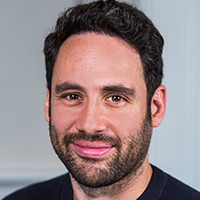
Janille Smith-Colin is the J. Lindsay Embrey Trustee Assistant Professor of Civil & Environmental Engineering at Southern Methodist University (SMU), where she leads the Smith-Colin Research Group. As a licensed Professional Engineer (P.E.) and Jr. Editor for the ASCE Journal of Infrastructure Systems, her work bridges infrastructure management with social equity. She serves on the Transportation Research Board Standing Committee on Transportation Planning Analysis and Application (AEP15). Her educational background includes: Ph.D. in Civil and Environmental Engineering from Georgia Institute of Technology Master of Science in Civil and Environmental Engineering from University of Wisconsin-Madison Bachelor of Arts in Engineering Studies from Lafayette College Smith-Colin's research centers on sociotechnical systems modeling to advance equity, sustainability, and resilience in transportation infrastructure. She employs system dynamics and spatial analysis to examine transportation as a social determinant of health, with emphasis on underserved communities. Her engineering education work integrates community-based participatory research and design thinking to develop inclusive pedagogical approaches. Recent publications reveal a strong trend toward data-driven equity assessment, utilizing social media mining, mobile trajectory data, and spatial analytics to investigate infrastructure deserts, micromobility access, and health impacts. She pioneers social return on investment (SROI) frameworks for transportation solutions, connecting civil engineering with public health and disaster resilience through interdisciplinary methodologies. Scientific recognition includes: Best Poster Award, International Conference on Transportation & Development (2023) Golden Mustang Teaching Award, SMU (2023) National Academies Gulf Coast Research Program Early Career Fellowship (2021) ASCE ExCEED Teaching Fellow (2019) Her research is funded by the National Academies of Sciences, Engineering and Medicine, with grants supporting equity-focused transportation projects. While student advisees aren't explicitly listed, her community-based research approach indicates active mentorship in solving civil engineering challenges for marginalized groups. She also contributes to transportation policy through regional collaborations. The Smith-Colin Research Group develops evidence-based tools for infrastructure equity, conducting spatial analysis of transportation systems and health outcomes. Current projects involve system dynamics modeling for social sustainability, Twitter-based crisis response monitoring, and partnerships with Dallas-area agencies to map infrastructure deficiencies and mobility barriers.
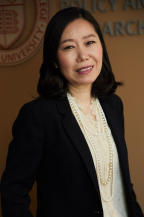
Dr Elisabeth Huynh is a Senior Research Fellow at the Australian National University's Centre of Epidemiology for Policy and Practice. She specializes in health economics, focusing on understanding health-related preferences, choice behavior, and economic evaluations in public policy and medical interventions. Education: PhD in Economics (Econometrics) and B.Com from the University of Sydney. Affiliations: Research Affiliate at the University of Sydney (2021-2026). Research Interests: Her work spans health economics, applied econometrics, and public policy, with specific contributions to discrete choice experiments, best-worst scaling, health workforce dynamics, healthy aging, nutrition interventions, and quality-of-life valuation. She investigates decision-making patterns in health care, including patient preferences, end-of-life care, and health service provider behavior. Publications: Her recent articles focus on pediatric quality-of-life metrics, pandemic preparedness modeling, dietary supplement choices during pregnancy, and workforce dynamics in health care. These studies employ advanced econometric methods and systematic reviews to inform policy decisions. Supervision: Elisabeth supervises PhD candidates exploring topics like child health valuation, chronic disease management, and maternal nutrition programs.
Mats Björk is a Professor at Stockholm University's Department of Ecology, Environment and Botany, where he leads the Birch research group focused on marine plant physiology and seagrass ecosystems. He coordinates the bilateral Marine Science Programme between Sweden and Tanzania, building capacity at the University of Dar es Salaam. His research examines: Seagrass productivity and carbon sequestration dynamics in tropical/temperate regions Impacts of environmental stressors (e.g., pollution, acidification) on marine vegetation Blue carbon storage in coastal landscapes including mangroves and seagrass meadows His work spans field studies in Eastern Africa and the Baltic Sea, combining ecophysiology with ecosystem-scale carbon flux assessments. Research interests emphasize: Photosynthetic adaptations of marine angiosperms Sediment carbon storage mechanisms Climate resilience of coastal carbon sinks Analysis of recent publications reveals strong emphasis on blue carbon dynamics, with 11 of 15 articles (2016-2023) addressing carbon sequestration in seagrasses. Work increasingly integrates molecular ecology (e.g., gene expression in Posidonia ) and anthropogenic impacts (microplastics, land-use change). Notable recognitions include co-authorship of IUCN climate resilience guidelines and contributions to intergovernmental blue carbon assessments. Current projects include: CLIM-SCAPE (Baltic coastal carbon hotspots) Ag + släke (nutrient reduction/biodiversity conservation) Fisheries/aquaculture capacity-building in Tanzania
Christian Messier is a Professor at the University of Quebec in Outaouais (UQO) in the Department of Natural Sciences and at the University of Quebec in Montreal (UQAM) in the Department of Biological Sciences. He serves as Scientific Director of the Institute of Temperate Forest Sciences (ISFORT) and holds two prestigious research chairs: the Canada Research Chair on Tree Resilience to Global Changes and the NSERC/Hydro-Québec Chair on Tree Growth Control. His academic career spans over three decades since completing his Ph.D. in forest sciences from the University of British Columbia in 1991. Dr. Messier's research focuses on two primary areas: the complex functioning of managed natural forest systems to develop management approaches that promote resilience in the face of global changes, and the study of trees and urban forests to reconcile the needs of minimizing negative impacts of trees on human infrastructure while maximizing ecosystem services. His work integrates field studies, simulation modeling, and network theory to address pressing challenges in forest ecology and management. His recent publications demonstrate a strong emphasis on urban forest resilience, functional diversity in forest ecosystems, and nature-based solutions for climate adaptation. The research shows a clear trajectory toward more applied, solution-oriented approaches that bridge fundamental ecological understanding with practical forest management applications across diverse spatial scales from individual trees to entire landscapes. Francqui Foundation Chair (Belgium) - 2020 Member of The Royal Society of Canada - 2019 Personality of the Year 'Radio-Canada/Le Droit' - 2017 Humboldt Research Award - 2016 Prix Acfas – Michel-Jurdant - 2010 Canadian Forestry Scientific Achievement Award - 2006 Dr. Messier has supervised over 40 graduate students throughout his career and currently leads multiple major research projects including the Canada Research Chair on Forest Resilience, the NSERC/Hydro-Québec Chair on Tree Growth Control, and the SylvCIT project for urban forest immunization against global change. His research has been supported by significant grants from NSERC, Canada Research Chairs program, Hydro-Québec, and other major funding agencies. He directs the Messier lab with research assistants Kim Bannon and Fanny Maure, and collaborates with numerous researchers across Canada and internationally. His team studies diverse aspects of forest ecology including soil dynamics, functional composition of tree communities, nature-based solutions for climate adaptation, and ecophysiology of maple water flow. The lab maintains strong connections with the International Diversity Experiment Network with Trees (IDENT) and other major forest research initiatives.
Professor Liz Stephens is a faculty member at the University of Reading's Department of Meteorology, specializing in flood forecasting, climate variability, and disaster risk management. Her work focuses on improving hydrological and meteorological models to enhance flood preparedness and climate adaptation strategies globally. Research Interests: Probabilistic flood forecasting Climate impacts on extreme events Enhancing forecast communication for decision-makers Applications in data-scarce regions like Kenya and Uganda Key Projects: Global Flood Awareness System (GloFAS) World Weather Attribution studies Probabilistic forecast evaluation frameworks Her research bridges academic analysis with practical implementation, collaborating with international organizations like ECMWF and humanitarian agencies to translate scientific insights into actionable disaster preparedness measures.
Kyle Chapman serves as Associate Professor and Department Chair of Humanities and Social Sciences at Oregon Institute of Technology, where he has strengthened the Population Health Management program since joining in 2016. His work bridges sociological theory with practical healthcare applications through teaching and community-engaged research. His educational background includes a Doctor of Philosophy in Sociology with specializations in Medical Sociology and Gerontology from the University of Kansas (2016), a Master of Arts in Sociology from Texas Tech University (2011), and dual Bachelor of Arts degrees in Sociology and Mass Communication from Texas Tech University (2008). Dr. Chapman's research investigates social determinants of health with emphasis on aging, chronic disease, and health disparities. His work examines how socioeconomic factors shape physical and mental health outcomes across community and population levels, particularly focusing on rural healthcare challenges in Oregon. Recent projects analyze wildfire smoke impacts on hospital capacity, mental health among first responders, and barriers to healthcare access for vulnerable populations. His publication record reveals a consistent trajectory from foundational sociological studies toward applied public health research, with increasing focus on environmental health crises since 2020. The 2023-2025 articles demonstrate sophisticated integration of case-crossover methodologies with state health data to address Oregon's unique wildfire-related health challenges, while maintaining core interests in health behaviors and chronic disease management. As an educator, Dr. Chapman teaches medical sociology, research methods, and social inequality courses. His curriculum development work, including the 'Integrated Sociology Programs' framework, reflects commitment to preparing students for health sector careers through the Population Health Management program. Outside academic duties, he explores Pacific Northwest natural attractions with his family.
E. Jennifer Edelman, MD, MHS is a Professor of Medicine (General Internal Medicine) at Yale School of Medicine and an Associate Professor on Term in Social and Behavioral Sciences at Yale School of Public Health. She serves as an HIV provider at the Yale-New Haven Hospital Nathan Smith HIV Clinic and is the physician consultant in the Addiction Medicine Treatment Program. Dr. Edelman is certified as an internist, HIV specialist, and in Addiction Medicine, and holds multiple appointments across Yale's medical and public health institutions. Professor of Medicine, General Internal Medicine (Primary) Associate Professor on Term, Social and Behavioral Sciences (Secondary) Addiction Medicine Fellowship Program AIDS Care Program Internal Medicine Program in Addiction Medicine Yale Center for Clinical Investigation (co-Director of Education) Yale-Drug use, Addiction, and HIV prevention Research Scholars (DAHRS) Dr. Edelman's research focuses on optimizing HIV prevention and treatment in the context of substance use, including opioid, alcohol, and tobacco use. Applying a range of methodologies, she leads and collaborates on NIH-funded projects to evaluate novel and implement evidence-based addiction treatment in medical settings, especially HIV treatment settings. Her work has focused on understanding harms associated with opioid use among people with HIV and promoting HIV prevention, including use of pre-exposure prophylaxis (PrEP). She collaborates extensively with community-based and public health partners to advance these goals. Analysis of her recent publications (2024-2025) reveals a strong emphasis on integrated care models addressing substance use disorders within HIV treatment settings. Her research spans multiple methodologies including randomized controlled trials, implementation science, qualitative studies, and epidemiological analyses. Key themes include contingency management for alcohol use disorder among people with HIV, PrEP implementation among high-risk populations, and interventions for tobacco cessation in HIV clinics. Her work demonstrates a consistent focus on addressing health disparities and improving outcomes for vulnerable populations. Dr. Robert A. Savitt & Dr. George D. McCormack Award (2022) Lipkin Award Finalist, Society of General Internal Medicine National Annual Meeting (2021) Lipkin Award Finalist, Society of General Internal Medicine National Annual Meeting (2019) Veterans Affairs Locally-Initiated Project Funding Award New England Society of General Internal Medicine Award for Excellence in Clinical Investigation Society of General Internal Medicine Lawrence Linn Award Dr. Edelman actively mentors trainees including post-doctoral fellows and public health students, and serves as Associate Director of the Research on Addiction Medicine Scholars (RAMS) Program. She regularly serves on NIH grant review committees and is Associate Editor of Addiction Science and Clinical Practice. Her current research includes the EXHIT ENTRE trial (Exemplar Hospital Initiation Trial to Enhance Treatment Engagement), which focuses on addressing untreated alcohol use disorder in hospital settings. She has received substantial grant funding from the National Institutes of Health, National Institute on Alcohol Abuse and Alcoholism, and National Cancer Institute to support her work in addiction medicine and HIV care.
Amanda Fallin-Bennett, Ph.D., is an Associate Professor at the University of Kentucky College of Nursing , with affiliations in the Cancer Prevention and Control Research Program and the Markey Cancer Center. Her work focuses on substance use , harm reduction , and health equity , particularly for vulnerable populations. Education: Doctor of Philosophy (2011), University of Kentucky Master of Science in Nursing (2009), University of Kentucky Bachelor of Science in Nursing (2007), University of Kentucky Her research explores polysubstance use , recovery frameworks , and public health policy , with recent articles addressing fentanyl test strip utilization , recovery capital in justice-involved women , and reproductive health access for recovery communities. She emphasizes health equity in tobacco control and social justice in substance use prevention. Scientific Awards: Nursing Grant Scholars (2016) Research Protégé of the Year (2019) Vernon Johnson Recovery Advocate of the Year (2019) Scholar Award (2017) Research Award (2019) She actively leads grants like the UK Harm Reduction Hub and Smoke-Free Policy and Behavioral Health initiatives, collaborating with Vital Strategies and KY Cabinet for Health and Family Services. Her work spans opioid use disorder , tobacco cessation , and policy implementation in rural Southern states.
Jonathan Cylus is an Honorary Assistant Professor at the London School of Hygiene and Tropical Medicine and Adjunct Associate Professor of Health Services, Policy, and Practice at Brown University's School of Public Health. He leads the London Hub of the European Observatory on Health Systems and Policies, based at LSE and LSHTM, and serves as a Senior Health Economist at the WHO Barcelona Office for Health Systems Financing. His research focuses on health financing policy, health system performance, and the role of social determinants in health. Education: BA in Economics from Johns Hopkins University, MSc and PhD from LSE. Key expertise includes Universal Health Coverage, Health System Efficiency, and Social Determinants of Health. His research outputs emphasize resilience of health systems during crises, cross-country analysis of healthcare price trends, and the socio-economic impacts of population ageing. Recent work addresses inflation's threat to NHS sustainability and evaluates pandemic preparedness metrics in Europe. He has advised institutions like the European Commission, OECD, and WHO on health financing reforms. Professional networks include affiliations with ISGlobal and leadership roles in global health initiatives. No specific grants or awards are listed in the provided texts.
Donghao Lu is a Professor at Karolinska Institutet's Institute of Environmental Medicine, where he leads the Epidemiology of Women's Mental Health Lab. His research program focuses on psychiatric epidemiology with specialization in women's reproductive mental health, using large-scale population cohorts to investigate biological mechanisms and health outcomes. Primary research domains include: Risk factors and health consequences of perinatal depression and premenstrual disorders Bidirectional relationships between autoimmune diseases and mood disorders Gender disparities in mental health presentation and outcomes Cardiometabolic comorbidities in reproductive psychiatric conditions His recent publications (2023-2025) demonstrate strong methodological consistency, predominantly using Scandinavian national registries for longitudinal cohort designs. Research themes show progression toward understanding systemic health impacts of reproductive mood disorders, particularly cardiovascular risks and mortality. Over 90% of recent work incorporates population-level data analysis with sample sizes exceeding 10,000 participants. Laboratory focus includes integrating epidemiological methods with biomarker research to bridge obstetrics/gynecology and psychiatry. Current projects investigate inflammatory pathways in perinatal depression and genetic determinants of premenstrual disorder trajectories. The team maintains international collaborations across Scandinavia, China, and North America.
Kathi Wilson is a Professor at the Department of Geography, Geomatics and Environment at the University of Toronto Mississauga. Her research examines how urban environments (social, built, physical) influence health outcomes among immigrant, Indigenous, and racialized populations. She collaborates extensively with community partners in the Region of Peel and leads the CHANGE Lab, which supports student research in a MAC/PC environment. Research Clusters: Urbanization, Transportation & Health Contact: DV3294, University of Toronto Mississauga, 3359 Mississauga Road, Mississauga, ON L5L 1C6 Her work employs mixed-methods approaches, including participatory mapping and culturally adapted surveys, to address health inequities and urban walkability. Current projects focus on Arab communities' perceptions of walkability in Toronto and the health impacts of the COVID-19 pandemic in Peel Region. Professor Wilson has published extensively on immigrant health, Indigenous health rights, and spatial health disparities, with a focus on methodological rigor in geocoding and accessibility studies. She mentors graduate students in topics related to immigration, healthcare access, and Indigenous wellbeing.
Matthew A. Reidenbach is a Professor and Department Chair of Environmental Sciences at the University of Virginia, with a courtesy appointment in Mechanical and Aerospace Engineering. His research focuses on coastal oceanography, particularly the interplay between hydrodynamics and marine ecosystems, including coral reefs, seagrass meadows, and oyster reefs. He investigates topics such as larval transport, wave dynamics, and nature-based coastal resilience strategies. His work emphasizes ecological engineering solutions for climate change adaptation, combining field observations with computational modeling. Reidenbach holds a Ph.D. (2004) and M.S. (1998) in Civil and Environmental Engineering from Stanford University, and a B.S. (1997) from Cornell University. He has received prestigious awards including the NSF Career Award and the University of Virginia’s All-University Teaching Award. His research group utilizes advanced techniques like LiDAR remote sensing, PIV flow visualization, and eddy covariance systems to study coastal processes. Key research themes include: 1) Biophysical interactions in marine ecosystems (e.g., mussel aggregations, sponge filtration); 2) Coastal protection via living breakwaters; 3) Ecosystem metabolism and nutrient cycling in tidal systems. He collaborates with engineers and ecologists to bridge theoretical and applied science, addressing real-world challenges like sea-level rise and habitat restoration. Notable grants: NSF CAREER award, collaborative NSF projects on biophysical feedbacks Labs: Coastal Ecosystem Dynamics Lab, affiliated with UVA’s Batten Institute for Climate Theory and Practice Public engagement: Advises on oyster reef restoration strategies for Chesapeake Bay and Gulf Coast communities
Maricela De la Torre Castro is a Professor of Natural Resource Management at Stockholm University , affiliated with the Department of Physical Geography . Her research focuses on coastal and ocean governance through a social-ecological systems lens, emphasizing gender dynamics , seagrass conservation , and climate change adaptation in tropical coastal communities. BSc in Oceanology (Universidad Autonoma de Baja California) MSc, PhD, and Docent in Natural Resource Management (Stockholm University) Her work examines seagrass ecosystem services , small-scale fisheries governance , and gendered impacts of marine protected areas . Recent studies analyze: 2025: Habitat loss risks from seaweed cultivation 2024: Gender-poverty dynamics in Zanzibar MPAs 2022: Adaptive capacity differences between genders 2021: Blue Justice frameworks for fisheries governance Active projects include SEAgender (Swedish Research Council) analyzing gendered effects of MPAs . She supervises PhD candidates in tropical marine systems and has extensive experience with EU Erasmus programs and UNDP collaborations . Research emphasizes hybrid methods , cultural value mapping , and interdisciplinary monitoring of coastal initiatives.


.jpeg?h=700&iar=0&w=700&hash=ECBB86D790E7934E1AF1CA57FF156948)