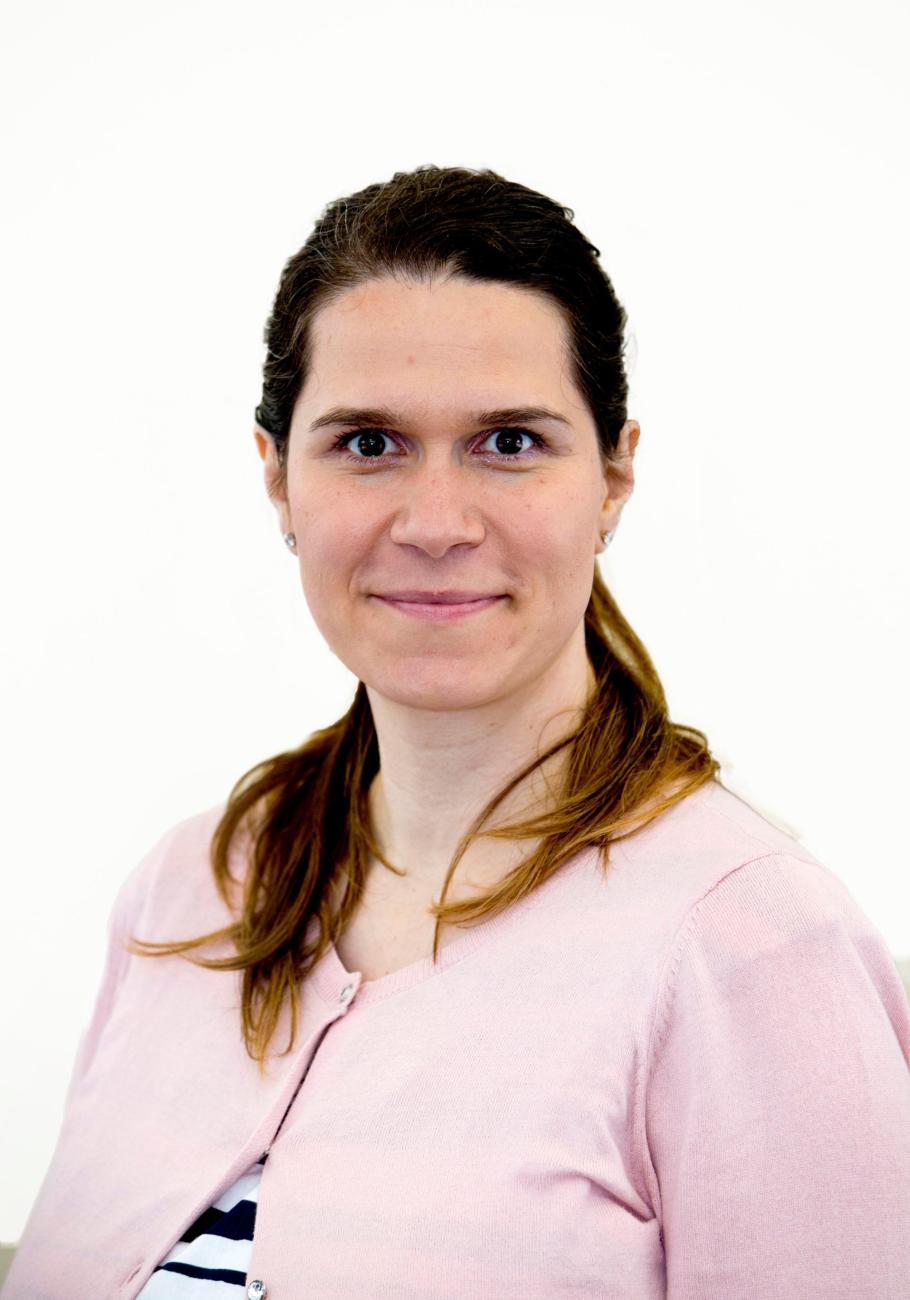
Dr. Marija Bezbradica serves as Associate Professor and COMBUS Programme Board Chair at Dublin City University's School of Computing. Her research bridges computational finance, educational analytics, and complex systems modeling. Key research areas include financial risk modeling using Bayesian methods, educational data mining for programming courses, and healthcare analytics for infection control. She holds affiliations with ADAPT (FinTech research), ARC-SYM (complex systems modeling), and Lero (software engineering). Recent publications demonstrate cross-disciplinary applications, spanning cryptocurrency market analysis, hospital readmission prediction, and synthetic data generation for medical conditions. Work frequently employs machine learning, graph-based methods, and advanced statistical modeling. No information is available regarding awards, supervised students, or specific laboratory facilities.
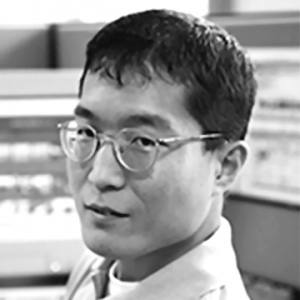
Hyowon Lee is Assistant Professor in the School of Computing at Dublin City University's Faculty of Engineering and Computing. He holds a PhD in Computer Science from Dublin City University and specializes in Human-Computer Interaction (HCI), particularly user experience design for novel applications across platforms including multitouch walls, interactive tabletops, and augmented reality systems. His research examines how HCI principles can be adapted for emerging technologies to improve usability and mitigate cognitive overload. Current projects investigate interaction design for AR/VR environments and usability issues in day-to-day applications. Professor Lee has designed over 60 interactive applications with 10 long-term deployments, authoring 160+ peer-reviewed publications including the monograph 'Living Digital 2040'. A Fellow of AdvanceHE (FHEA) with Universal Design for Learning certification, he develops active learning methods for large classes and serves on DCU's Challenge-Based Learning Working Group. His work has received 2,200+ citations (h-index 27) and includes patented interaction techniques for multimedia systems. Honors and Awards: Albert College Fellowship (2002) LIRG Postgraduate Prize runner-up (1997) Soong Sil University Full Scholarship (1990-1995)
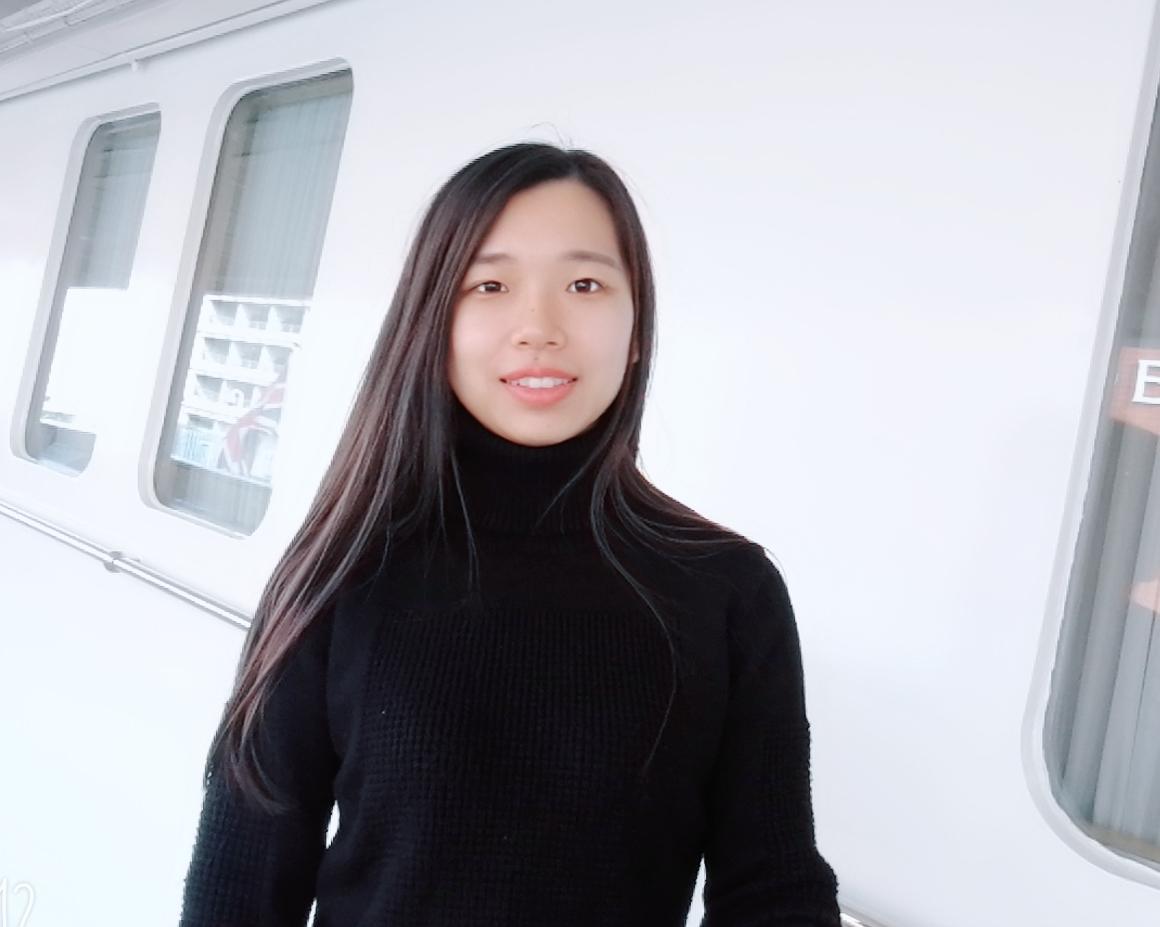
Dr. Lili Zhang is an Assistant Professor in the School of Computing at Dublin City University, specializing in data analytics and computational modelling of human and machine decision-making. She leads research on developing an open-access 3-D gamification platform for Ecological Momentary Neurocognitive Assessment. Her work also explores using cognitive psychology and game theory to understand and steer Large Language Models (LLMs). She completed her PhD in 2023, focusing on smartphone-based ecological momentary assessment for enhancing phenotyping of human decision-making in clinical settings. She holds an MSc in Instrumental Science and Technology from Harbin Institute of Technology in China. Her research spans Computational Modelling, Ecological Momentary Assessment, Human Decision-making, Machine Behaviour analysis, Large Language Models, and Intelligent Computing. Recent publications focus on optimization algorithms, decision-making modeling, and computational psychiatry applications.
Prof. John Wenger is a Professor of Physical and Environmental Chemistry at University College Cork (UCC), leading the Atmospheric Processes and Air Quality research area within the Environmental Research Institute. He is a joint founder of the Centre for Research into Atmospheric Chemistry (CRAC) and has over 25 years of expertise in atmospheric chemistry and air quality. His research focuses on atmospheric degradation of volatile organic compounds, secondary organic aerosol formation, and aerosol chemical composition. Education details are not explicitly listed in the provided text, but his academic career spans roles such as leading EU-funded projects (e.g., EUROCHAMP, MOCHA) and securing over €4.9M in research funding. He has supervised 18 postgraduate students and 12 research staff, including Marie Curie Fellows. Research Interests include laboratory-based experiments in atmospheric simulation chambers, field measurements in locations like Mace Head and Paris, and collaborations with over 20 European research groups. Key achievements include 110+ journal publications, a h-index of 38, and contributions to understanding aerosol formation pathways and detection methods. His work addresses global challenges such as urban air pollution, solid fuel burning impacts, and climate-relevant aerosol processes. Collaborations include the EU-funded MOCHA and ATMO-ACCESS projects, and his lab facilities include the Irish Atmospheric Simulation Chamber (IASC). Grants and Collaborations: Extensive funding from EPA, Science Foundation Ireland, and EU Horizon 2020. Notable projects include SAPPHIRE (source apportionment of particulate matter) and investigations into emissions from cattle slurry and meat smoking activities. Labs/Teams: CRAC and the IASC facility are central to his research, supporting advanced instrumentation like aerosol mass spectrometry and ultra-high-resolution mass spectrometry.
Andrew Keane is a Full Professor and Director of NexSys and the Energy Institute at University College Dublin (UCD). He leads research in power system planning and operation, with a focus on distribution networks, renewable energy integration, and multi-energy system co-simulation. He has held leadership roles including Head of the School of Electrical & Electronic Engineering at UCD and founded NovoGrid, a grid automation company. His research spans power electronics, voltage stability, and smart grid technologies. Key areas include Renewable energy impacts on transmission networks Green hydrogen for grid flexibility Discrete control device optimization Network topology identification Recent publications highlight trends in voltage control strategies, renewable hosting capacity analysis, and electricity-gas network interdependencies. Awards include the 2022 Industry Partnership Award, NovaUCD Licence of the Year, and the 2012 Intel Early Career Faculty Honor Program. Teaching activities at UCD include coordinating modules on Energy Climate Change & Policy Grid Engineering and Modeling Optimization Techniques Power System Optimization Grants fund his work on energy system integration, green hydrogen, offshore wind, and smart grid test beds across multiple projects from 2012 to 2026. He serves as Senior Member of IEEE and contributes to technical standards committees.
Krishna Chaitanya Vadlamannati is an Associate Professor in International Development Studies at the University College Dublin School of Politics and International Relations (SPIRe) . He serves as Director of the PhD program in Global Human Development and chairs the Athena Swan Application Committee. Previously, he held academic roles at the Norwegian University of Science & Technology (NTNU) and the University of Göttingen. Education: PhD in Economics (University of Heidelberg), BA (Osmania University), PG DIP (Dhruva College of Management) His research bridges Development Politics in India , Political Economy of Natural Resources , and International Political Economy . Recent publications analyze FDI-conflict linkages , China's vaccine diplomacy , and IMF program effectiveness with cultural diversity. He examines how economic freedom affects health equity and income inequality . Scientific awards include the 2024 Research Ally Award and the 2021-22 UCD Teaching and Learning Award . As Editor of The Journal of International Development and former editorial board member of Journal of Peace Research , he shapes academic discourse. His work connects subnational Indian development with global health and geopolitical strategies .
Eberhard Mayerhofer is a Senior Lecturer in Financial Mathematics at the Department of Mathematics and Statistics, University of Limerick. He actively contributes to the Centre for Research Training in Foundations of Data Science and the Mathematics Applications Consortium for Science and Industry (MACSI). His research lies at the intersection of stochastic analysis and mathematical finance, with a focus on portfolio optimization and financial risk modeling. Primary Affiliation : Department of Mathematics and Statistics, University of Limerick Research Centers : Centre for Research Training in Foundations of Data Science, MACSI Research Interests Mayerhofer's work centers on Stochastic Analysis and Affine Processes , particularly their applications in Mathematical Finance . His studies in portfolio selection, transaction cost modeling, and volatility dynamics address critical challenges in financial risk management. Recent publications explore shadow price theory, asymptotic methods, and functional analysis techniques in financial contexts. Academic Trends The 15 most recent publications (2023-2024) demonstrate sustained contributions to Quantitative Finance (42%), Stochastic Processes (35%), and Functional Analysis (23%). Key themes include transaction cost modeling, portfolio optimization, and mathematical properties of financial spaces.
Dr. Yan Jiang is an academic in the Department of Environmental Science at ATU Sligo, specializing in wastewater treatment, biowaste management, and sustainable biorefinery processes. His research focuses on mitigating greenhouse gas emissions through life cycle assessment and enhancing bioenergy recovery from agricultural waste. With a Chartered Engineer certification from Engineers Ireland, he actively contributes to UN Sustainable Development Goals related to environmental protection and resource efficiency. His work emphasizes anaerobic co-digestion of pig manure and food waste, exploring biochar's stimulatory effects, pathogen inactivation, and system stability. He has published extensively on topics such as methanogenic pathway dynamics, microbial community interactions, and the economic viability of on-farm biowaste systems. His research not only addresses environmental challenges but also bridges gaps between sustainable agriculture and renewable energy production. Key Projects: Dry anaerobic co-digestion optimization, pathogen elimination in biowaste processing, and life cycle assessment of biorefinery systems. Professional Membership: Chartered Engineer (Engineers Ireland). Contributions: Over 20 peer-reviewed articles, with a focus on advancing sustainable waste-to-energy solutions.
Declan O'Connor is a Lecturer in the Department of Mathematics at Munster Technological University, where he teaches Statistics and Quantitative Methods. He actively supervises postgraduate students and focuses on dairy economics, policy, and market analysis. His research addresses price volatility, income stability, and logistical challenges in the dairy sector. Research Interests: Dairy Economics and Policy Price and Income Volatility in Dairy Markets Dairy Supply Chain Logistics Grass Growth Modelling in Agriculture O'Connor's work bridges academic research and industry collaboration, with publications on raw milk transportation optimization, EU dairy market dynamics, and risk management strategies. He has authored policy-relevant reports and presented at international conferences, emphasizing practical solutions for dairy sector challenges. Key Collaborations: National and international academic partnerships Industry collaboration with Teagasc and the Irish dairy sector
Joseph Coughlan is a Professor of Accounting and Head of the School of Business at Maynooth University. He previously served as Head of School at Dublin Institute of Technology and held visiting roles at University of Massachusetts Dartmouth and the Financial University of the Russian Federation. His academic background includes a PhD from Warwick Business School, alongside a BComm and Master's in Management Science from University College Dublin. He is an Honorary Professor (Dublin Institute of Technology, 2015) and has been recognized for excellence in professional accounting exams (ACCA, 1997). His research focuses on Management Control Systems, Sustainability, Luxury Marketing, and Services Marketing. Notable projects include analyzing maritime industry decarbonization and the role of social media in luxury branding. He leads a postdoctoral team investigating Ireland’s maritime transition to carbon neutrality under EU funding. Recent publications address sustainability challenges in maritime transport, employee burnout in hospitality, and alliance management dynamics. He has supervised 17 PhD students and examined doctoral candidates across Ireland and the UK. Professional roles include membership in the Irish Accounting & Finance Association and past chairmanship (2014–2016). Research Highlights: Over 30 peer-reviewed articles since 1999, including studies on oil market volatility, alliance lifecycle analysis, and e-government process change. Grants & Funding: Current project on maritime decarbonization funded by EU socio-economic initiatives. Teaching contributions span large undergraduate business classes, with innovations like Cornell Notes for engagement. Active in global conferences, addressing topics such as supply chain resilience and luxury branding at events in Busan, Florence, and Dublin.
Dr. Tyler Riordan is a Postdoctoral Research Fellow in Strategy and Entrepreneurship at the University of Queensland Business School within the Faculty of Business, Economics and Law. His current research evaluates post-disaster reconstruction incentivisation programs across physical, financial, social, and emotional resilience dimensions in Queensland and New South Wales. Previously, he co-authored the 'Queensland Tourism Workforce Crisis Resilience and Recovery Strategy' and developed the multilingual 'Humanising food delivery work in Australia toolkit'. His educational background includes a PhD in Hospitality and Anthropology (2023), BA (Honours) in Anthropology (2013), and dual BA in Anthropology & History with Diploma in Languages (Spanish) (2012), all from the University of Queensland. With over eight years of hospitality industry experience and professional work in community development with vulnerable populations across Australia and Latin America, his research bridges academic and practical domains. Riordan's research centers on labor dynamics in the digital platform economy, particularly focusing on how disadvantaged communities—including migrants—navigate employment, training, and precarious work conditions. His work examines algorithmic hostility in digital hospitality, justice frameworks for gig workers, and disaster resilience implications for labor markets. Key trends in his publications reveal growing interdisciplinary integration of disaster studies with labor economics, emphasizing emotional and social dimensions of resilience alongside physical and financial aspects. His professional engagements include media contributions to The Conversation on hospitality labor issues and submissions to government inquiries like the Victorian On-Demand Workforce standards. Current funding supports his work on the 'Evaluating the Resilient Homes Fund' project (2024-2027) with Natural Hazards Research Australia. Though not available for student supervision, his research directly informs policy through toolkits and industry strategies.
Pawan Kumar is an Assistant Professor of Finance at Dublin City University's Business School in Dublin, Ireland. His academic journey includes a Bachelor of Technology in Computer Science & Engineering from the National Institute of Technology, Prayagraj, India; an MBA in Finance from McMaster University, Canada; and a Ph.D. in Finance from the Indian Institute of Management (IIM) Mumbai. He has held roles in application development at IBM and BlueStacks, and provided financial advisory services to organizations like Freedom Financials, Leap Tools, and the City of Brantford Municipal Corporation. He also consulted on the Indian government's 'Swamitva' project and institutions like the Indian Council of Social Science Research. His research focuses on Systemic Risk, Resilient Portfolios, Energy Finance , and Stochastic Optimization . He has published in ABS 3 journals such as Energy Economics and Journal of Commodity Markets , and serves as a reviewer for top-tier finance journals. He teaches on e-learning platforms with the Confederation of Indian Industries and previously taught at FLAME University, Pune, India. His consulting spans sectors including municipal governance, banking, and energy policy. Collaborations include supporting the Swamitva land titling initiative and advising on financial instruments for emerging markets. His work bridges computational finance and real-world policy applications, emphasizing resilience in volatile markets.
Professor Mathias Senge is the Chair of Organic Chemistry in the Department of Chemistry at Trinity College Dublin. He leads an active research group focused on tetrapyrrole chemistry, photobiology, and medicinal applications. He previously held professorships at Universität Potsdam and Freie Universität Berlin, and has been at Trinity since 2005. Born: 1961, Silbach, Germany Education: Philipps-Universität Marburg (PhD, 1989) Habilitation: Freie Universität Berlin (1996) Postdoctoral Fellowship: UC Davis His research centers on the chemistry and biochemistry of tetrapyrroles, with a focus on porphyrin synthesis, conformational engineering, photosensitizer design, and applications in photodynamic therapy and chemical sensing. He explores crystallography, supramolecular assembly, and the role of molecular symmetry in biological and materials contexts. His recent publications (2021–2025) span topics including porphyrin atropisomerism, metal-organic frameworks, photophysical properties of aluminum complexes, and symmetry analysis in distorted molecules. These works appear in leading journals such as Angewandte Chemie , Nature Chemistry , and Chemical Science , reflecting strong international collaboration and interdisciplinary impact. Science Foundation Ireland Research Professor Heisenberg Fellow Fellowship from Studienstiftung des Deutschen Volkes Fellowship from Deutsche Forschungsgemeinschaft Professor Senge supervises PhD and postdoctoral researchers and participates in collaborative networks such as POLYTHEA, a doctoral training network in porphyrin chemistry. His lab develops novel synthetic methods, investigates molecular interactions, and designs functional materials for biomedical and technological applications. He has not received specific grant mentions in the text, but his SFI Research Professorship indicates significant ongoing funding support.