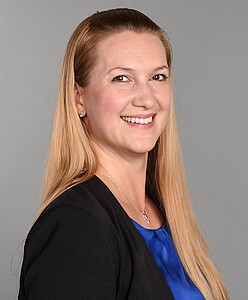
Prof. Dr. habil. Katrin Giller leads the Department of Molecular Nutrition Science (140a) at the University of Hohenheim, Garbenstraße 30, Bio Building I, Room 151, Stuttgart. Her research focuses on livestock nutrition, with specific interests in methane mitigation, antioxidant mechanisms, and metabolic syndrome in agricultural animals. Department: Molecular Nutrition Science (140a) Contact: katrin.giller@uni-hohenheim.de Office Hours: By appointment Her work spans nutritional biochemistry , ruminal fermentation , and sustainable livestock systems , often examining interactions between dietary compounds (e.g., spirulina, polyphenols, n-3 fatty acids) and animal physiology. Recent studies investigate antioxidant gene expression , transgenerational metabolic impacts , and feed efficiency . Current advisees include B.Sc. Viola Gauly, Fernando Giugno, Jana Kornherr, Mira Kühn, Daniel Obermüller, and Helen Pötzsch. The department's website details research projects, teaching events, and publications.
Koenraad Muylaert is a Full Professor at the Faculty of Science, KU Leuven, and head of the Biology department at KU Leuven Kulak. His research focuses on microalgae ecology and phytoplankton physiology , with applications in eutrophication studies , wastewater treatment , and biofuel production . Based in Kortrijk, Belgium, he works with international teams in Ecuador, Qatar, and Belgium. Current projects on mountain lake eutrophication and urban aquatic systems Specializes in nano-material flocculation and omega-3 fatty acid production from microalgae Research Trends from his recent articles show emphasis on: Microalgae harvesting innovations (cellulose nanocrystals, PDMAEMA polymers) Comparative processing techniques (DAF vs sedimentation, drying methods) Biotechnological applications in flavor chemistry and microbiome interactions Laboratory operates at KU Leuven's Kortrijk campus, with strong collaborations in environmental engineering and food science . His work bridges fundamental ecological research with industrial biotechnology for sustainable solutions.
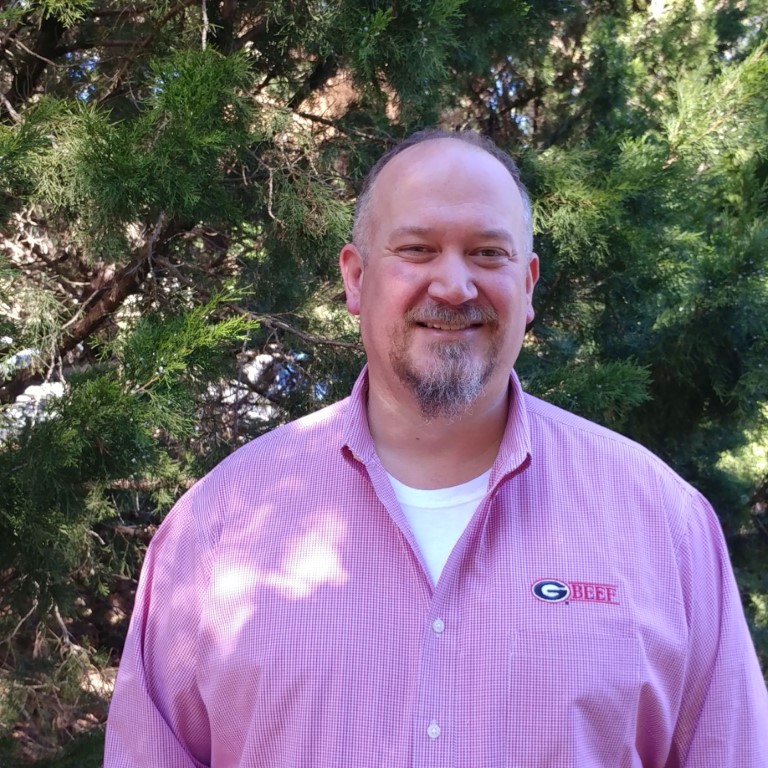
Alexander Stelzleni is a Professor and Graduate Coordinator in the Department of Animal and Dairy Science at the University of Georgia's College of Agricultural & Environmental Sciences. He has been with the University of Georgia since July 2007, progressing from Assistant Professor to Associate Professor in 2013, and ultimately to Professor in 2020. As Graduate Program Coordinator since January 2021, he oversees both the Animal and Dairy Science (ADSC) and Regenerative Bioscience (REBI) graduate programs. Dr. Stelzleni's research program maintains two central foci: (1) the influence of production and management on meat quality and yield with emphasis on southeastern and subtropical beef finishing systems, and (2) further processing to improve quality and safety of red meat and poultry. His lab has been particularly active in studying heat stress mitigation in Southeastern US beef finishing systems, sous vide as a consistent cookery method, further processing of poultry myopathies, and safety of low-thermal meat products. His scholarly work reflects strong expertise in meat science, with recent publications focusing on nicotinamide riboside effects, National Beef Quality Audits, dairy-beef crossbreeding, poultry myopathies, sous vide techniques, and high-pressure processing for pathogen control. The Stelzleni Lab has presented numerous studies at the Reciprocal Meat Conference in recent years, demonstrating consistent productivity and relevance to industry challenges. Student Career Success Influencer Award (2024) Multiple UGA Career Center Awards (2019, 2016, 2015, 2014, 2012) Larry Benyshek Excellence in Teaching Award (2016) ADSC 3650 recognized as top 5 college courses at UGA As an advisor, Dr. Stelzleni has mentored numerous graduate students including Clint Lee (MS thesis on heat stress mitigation), Cameron Catrett (MS 2024), and M. Junaid Nawaz (PhD student). His lab actively involves undergraduates in research and meat judging competitions, with students regularly presenting at professional conferences and winning awards in Iron Chef contests and meat judging events. Dr. Stelzleni directs the Meat Science Technology Center where his team investigates methods to improve meat quality, yield, shelf-life, and safety. The lab maintains strong industry connections with commodity groups, meat processors, and stakeholders to address current challenges in meat production and processing.
Alberta N.A. Aryee, PhD is an Associate Professor in the Department of Human Ecology (Food Science & Biotechnology) at Delaware State University (DSU). She holds a PhD from McGill University and completed postdoctoral research at Agriculture and Agri-Food Canada. Her research focuses on the impact of natural products and bioactive compounds on nutrition, health, and metabolic diseases, with particular emphasis on food processing effects, functional food development, and biofortification strategies. Education: Postdoctoral Research: Agriculture and Agri-Food Canada PhD: McGill University (Dissertation: Enzyme Immobilization and Biodiesel Production) MSc: McGill University (Thesis: Lipase Purification) BSc (Hons): Kwame Nkrumah University of Science and Technology Research Interests: Food science, functional ingredients, nutraceuticals, fermentation science, lipid technology, and sustainable food systems. She explores how processing impacts food matrices, bioavailability of nutrients, and the application of nanotechnology and machine learning in food analysis. Recent Research Trends: Her work spans encapsulation of bioactives, plant-based food innovation, and leveraging AI for nutrient prediction. Studies include optimizing hempseed processing, analyzing fermented cassava chemistry, and designing smart food packaging. Awards: 2020 DSU Faculty Excellence in Research 2018 Hornet Award (Early College High School) Mini Grant for hands-on food science education Advising & Grants: Mentors students in food chemistry and product development. Collaborates on grants focused on value-added food products from agricultural byproducts. Leads experiential learning programs integrating global food challenges. Labs & Teams: Based in DSU’s Baker Annex, her lab focuses on lipid science and functional food formulation. Collaborates with industry partners on sustainable food technologies and nanodelivery systems.
Kevin O'Connor is a Full Professor in the School of Biomolecular and Biomedical Science at University College Dublin (UCD), where he has held academic positions since 1999, progressing from Assistant College Lecturer to his current role as Full Professor since 2018. He serves as Director of the BiOrbic Bioeconomy SFI Research Centre, leading Ireland's national research efforts in bioeconomy development. His academic career spans over 25 years with continuous advancement through UCD's academic ranks. Professor O'Connor's research focuses on two primary areas: biodegradable polymer synthesis by bacteria and enzymes as biocatalysts. His work in biodegradable polymers centers on polyhydroxyalkanoates (PHAs), investigating bacterial production methods using waste and bio-based resources. His enzyme research explores biocatalysis under mild conditions with high specificity, using protein engineering to enhance enzyme activity for producing pharmaceuticals and fine chemicals. His laboratory investigates waste valorization, upcycling plastic monomers, CO 2 conversion to biopolymers, and hydroxytyrosol applications in food and animal nutrition. His publication record reveals a strong trend toward solving plastic pollution through biotechnological approaches, with significant work on converting plastic waste to valuable biopolymers. Recent publications demonstrate expertise in bioprocess engineering for fungal cultivation, metabolic engineering of bacterial strains for PHA production, and developing sustainable alternatives to fossil-based plastics. His research bridges fundamental microbiology with practical industrial applications in the circular bioeconomy. NovaUCD innovation award (2016) Professor O'Connor has secured significant research funding including the Horizon Europe 'PROMOFER' project (2024-2028) focusing on PHB production optimization and the SFI 'BEACON' partnership (2019-2027) as part of the BiOrbic Bioeconomy Research Centre. He has coordinated the 'Applied Enzymology and Protein' module for over seven years and serves as PhD thesis supervisor. His leadership extends to chairing the Scientific Committee of the Biobased Industries Joint Undertaking and serving on the EC Expert Group for bio-based products. As Director of BiOrbic, Professor O'Connor leads a major national research center focused on developing Ireland's bioeconomy, with particular emphasis on creating rural economic opportunities through bio-based innovations. His work includes establishing the Lisheen bioeconomy innovation and pilot facility campus, demonstrating his commitment to translating research into practical applications that support primary producers in innovating and diversifying through science and technology.
Kyria Boundy-Mills is a Professional Research Microbiologist at the University of California, Davis in the Department of Food Science and Technology , where she has curated the Phaff Yeast Culture Collection since 2001. She maintains this global resource of 9,000 yeast strains for academic, industrial, and governmental researchers. Current research focuses on yeast/insect ecology Screening yeasts for protein, lipid, and carotenoid production Microbial interactions in food fermentations Applications in biofuels and biotechnology Her publications highlight collaborations across entomology, biotechnology, and food microbiology, with applications in wine fermentation, fruit pests, and biofuel production. Awards include the UC Davis Academic Federation Award for Excellence in Research (2015) and the American Society for Microbiology USFCC/J. Roger Porter Award (2016). She advises undergraduate researchers in her lab and contributes to culture collection management standards through the United States Culture Collection Network. Her work intersects microbial diversity, ecological interactions, and industrial innovation.
Justyna Możejko-Ciesielska is a Professor at the Department of Microbiology and Mycology within the Faculty of Biology and Biotechnology at the University of Warmia and Mazury in Olsztyn. Her research focuses on microbial biotechnology, particularly polyhydroxyalkanoate (PHA) production by extremophilic bacteria using renewable feedstocks. PhD, DSc, Eng. ORCID: 0000-0002-1002-1214 Contact: justyna.mozejko@uwm.edu.pl Supervised 1 promoted doctor and currently oversees no doctoral students H-index: 16 (Google Scholar) Her work addresses sustainable biopolymer synthesis, waste valorization, and extremophile adaptation mechanisms. Recent publications highlight PHA production from biodiesel-derived glycerol, dairy waste, and fatty acids using strains like Halomonas alkaliantarctica and Pseudomonas putida . She emphasizes environmental biotechnology applications and industrial waste conversion. Key trends in her research include Biopolymer engineering Extremophile utilization Carbon source optimization Biodegradable plastics Waste-to-resource strategies
Maobing Tu is a Professor at the University of Cincinnati, specializing in biomass processing chemistry and biofuel production. His research focuses on biochemical engineering, lignocellulosic biomass conversion, and environmental biotechnology. He holds a PhD from the University of British Columbia (2007) and East China University of Science and Technology (2001). Key research areas include developing sustainable biorefinery processes, mitigating biomass recalcitrance, and enhancing microbial fermentation efficiency. He has secured multiple grants, including an NSF CAREER Award and NSERC Fellowships, supporting projects on lignin valorization, PFAS treatment, and bioprocess engineering. Education: PhD, University of British Columbia, Vancouver, 2007 PhD, East China University of Science and Technology, Shanghai, 2001 Awards: NSF Career Award (2013–2018) NSERC Industry R&D Fellowship (2007–2008) His work spans collaborations on nanocellulose-based materials, microbial fuel cells, and lignin-based piezoelectric materials. Recent grants include federal funding for decarbonizing chemical recovery processes and novel membrane electrolysis systems. Publications highlight advancements in biomass pretreatment, enzyme recycling, and detoxification strategies for biofuel production. Current projects address environmental challenges like PFAS remediation and microbial community dynamics in water systems.
Elinor Scott serves as an Assistant Professor in Biobased Chemistry and Technology at Wageningen University and acts as study advisor for the Biotechnology program (OT Biotechnologie). Her work bridges academic research with industrial applications through the VLAG graduate school, focusing on converting biomass waste into high-value bioproducts. Her research spans sustainable chemical valorization of waste streams, particularly keratin from poultry feathers and polyhydroxyalkanoates from wastewater. Key methodologies include enzymatic hydrolysis, ultrasound processing, and biocatalysis to develop antimicrobial peptides, drug delivery nanocarriers, and platform chemicals like methyl crotonate. She emphasizes circular economy principles by transforming low-value residues into biomedical and chemical feedstocks. Recent publications reveal a strategic shift toward biomedical applications of keratin-derived materials, with 64% of her fingerprint dedicated to enzymatic hydrolysis and 100% keratin utilization. Concurrently, she advances waste-to-chemical routes for polyhydroxyalkanoates, demonstrating scalable processes for methyl crotonate production from wastewater streams. Dr. Scott actively supervises five PhD candidates across critical projects: straw conversion for antimicrobial lipopeptides (Li, Q.), keratin nanocarriers (Qin, X.), haloperoxidase applications (But, A.), PHA chemical synthesis (Spekreijse, J.), and electrodialysis for protein valorization (Teng, Y.). Her NWO-funded research includes eight projects, one currently active, with notable industry collaborations highlighted in media coverage of student competition wins like the 2019 Holland Chemistry Student Competition. She leads the Biobased Chemistry and Technology group within Wageningen's research ecosystem, integrating fundamental science with process engineering. Current efforts focus on optimizing ultrasound-assisted keratin extraction and developing antimicrobial keratin peptides, with future work targeting scalable biorefinery concepts for heterogeneous biomass feedstocks.
Dr. Shulin Chen Dr. Shulin Chen is a Professor in the Department of Biological Systems Engineering at Washington State University (WSU), affiliated with the College of Agricultural, Human, and Natural Resource Sciences (CAHNRS). His research focuses on bioenergy and bioproducts engineering, particularly in anaerobic digestion systems for dairy waste conversion, sustainable biorefinery processes, and microbial metabolic engineering. Research Interests: Biodegradable plastics and anaerobic digestion Industrial biotechnology for biofuel production Wastewater nutrient recovery Algal-bacterial synergies in bioremediation Thermophilic microbial systems His team has developed six anaerobic digestion systems in Washington State, reducing greenhouse gas emissions and mitigating water pollution. In 2022, he received the WSU Innovation and Entrepreneurship Award for advancing sustainable industrial processes. Dr. Chen leads a multidisciplinary research group of over 20 scientists, graduate students, and visiting scholars. Awards: 2022 Innovation and Entrepreneurship Award, Washington State University Key Projects: Conversion of dairy manure to bioenergy Bioconversion of lignocellulosic biomass Biopolymer production via engineered microbes
Merve Atasoy is an External Researcher at Wageningen University & Research, holding a PhD from the Royal Institute of Technology (KTH), awarded in September 2020. Her research focuses on microbial-driven solutions for sustainable resource recovery, wastewater treatment, and circular economy transitions. She specializes in optimizing bioreactors for volatile fatty acid production and studying microbial responses to extreme conditions like low pH environments. Education: PhD in Environmental Biotechnology from Royal Institute of Technology (2017–2021). Awarded on 10 September 2020. Research Interests: Her work integrates microbial community dynamics, bioprocess engineering, and eco-friendly waste valorization strategies. Key areas include enhancing wastewater treatment efficiency, developing nature-based solutions for cities, and leveraging microbial consortia for targeted biochemical production. She explores both fundamental mechanisms (e.g., acid stress responses) and applied technologies (e.g., reactor design). Publications Trends: Recent work emphasizes low-pH microbial systems, circular economy frameworks, and SARS-CoV-2 wastewater surveillance. She has contributed to understanding microbial acid tolerance, optimizing anaerobic bioreactors, and designing sustainable wastewater resource recovery facilities. Collaborations: Active in international networks like the COST Action on acid-impacted microbiology and interdisciplinary teams addressing planetary health through microbial innovation.
University of Natural Resources and Life Sciences ViennaAustria
Markus Neureiter is a Senior Scientist at the Institute of Environmental Biotechnology within the Department of Agricultural Sciences at the University of Natural Resources and Life Sciences, Vienna (BOKU). His research focuses on environmental biotechnology applications, particularly in bioprocess engineering, fermentation technologies, and waste valorization for sustainable chemical and biopolymer production. Key Research Areas: Bioprocess engineering, PHA production from agricultural and industrial waste, volatile fatty acid platform development, biorefinery processes, and renewable energy systems. Recent Trends: Publications emphasize pilot-scale biopolymer production, carbon source optimization, and integration of enzymatic pretreatment with microbial fermentation. Academic Awards & Community Services: Markus serves as a reviewer for journals including PLoS One , Metabolic Engineering , and Renewable Energy . He has organized conferences like the European Biotechnology Congress and contributed to EU-funded projects such as CAFIPLA and VOLATILE. Supervised Students: Guided 16 university theses (PhD and Master's) on topics like biopolymer synthesis, yeast cultivation, and waste-to-chemicals strategies.
Adam Okorski is a Full Professor at the University of Warmia and Mazury in Olsztyn, affiliated with the Department of Entomology, Phytopathology and Molecular Diagnostics within the Faculty of Agriculture and Forestry. He holds a D.Sc. (dr hab.) and is an active researcher in plant pathology and molecular diagnostics. University: University of Warmia and Mazury in Olsztyn Faculty: Faculty of Agriculture and Forestry Department: Department of Entomology, Phytopathology and Molecular Diagnostics Email: adam.okorski@uwm.edu.pl ORCID: 0000-0002-9545-4771 ResearchGate: Profile His research focuses on plant-pathogen interactions, particularly Fusarium species and their mycotoxins in cereal and legume crops. He investigates biological control methods using plant extracts, nanoparticles, and beneficial microbes. His work integrates molecular techniques like qPCR and genomic analysis with field and laboratory studies to improve plant health and food safety. The recent publications highlight a strong trend in developing rapid, non-destructive detection methods for fungal contamination using electronic noses and GC-MS, alongside exploring sustainable alternatives to chemical pesticides. His work also extends to biofertilizers, seed priming, and the impact of agricultural practices on crop health. Adam Okorski has supervised two doctoral students as a co-promoter and is accepting new PhD candidates. He has a robust publication record with over 100 articles, significant citations, and an h-index of 11 on Google Scholar. He is actively involved in research projects related to: Biological plant protection in nurseries Use of plant extracts and nanoparticles in disease control Molecular identification of fungal pathogens Impact of fertilization and agricultural practices on crop health Development of diagnostic tools for mycotoxin-producing fungi
Dr. Stephanie Lansing is a Professor in the Department of Environmental Science & Technology at the University of Maryland's College of Agriculture and Natural Resources. She directs the Bioenergy and Biotechnology Lab, focusing on renewable energy systems, waste treatment, and the Food-Energy-Water Nexus. Her work spans ecological engineering, antimicrobial resistance mitigation, and sustainable bioplastic production from organic waste. College of Agriculture and Natural Resources Environmental Science & Technology Bioenergy and Biotechnology Lab Her research integrates anaerobic digestion , microbial fuel cells , and nutrient recovery to address global sustainability challenges. Recent projects examine bioplastic formation from food waste and AMR dynamics in manure systems , with fieldwork in the US, Africa, and Latin America. She co-developed the NourishNet platform combining real-time surplus food distribution ( FoodLoops ) with spoilage detection ( Quantum Nose ). Active grants exceed $6 million, including two major DOE awards for biofuel and bioplastic production from food waste. Her lab collaborates with institutions like Virginia Tech, Idaho National Laboratory, and international partners. Current team members include PhD candidates Maureen Nabulime and Adanyro Atilago, MS student Rafian Aziz, and undergrad researchers exploring waste-to-energy systems.
Dr. Heng Chooi is an Associate Professor in the School of Molecular Sciences and a member of the UWA Oceans Institute at The University of Western Australia. He holds a PhD in Applied Biology and Biotechnology. Before joining UWA in 2015, he worked at UCLA (2009–2013) and the Australian National University (2013–2015), where he secured an ARC DECRA fellowship. His research focuses on fungal secondary metabolite biosynthesis, pathogen-host interactions, and enzyme/drug discovery via genome mining. His work bridges genomics, synthetic biology, and natural product chemistry. Education: PhD in Applied Biology and Biotechnology Research interests include understanding how fungal metabolites contribute to plant/animal diseases and discovering novel bioactive compounds. His lab explores synthetic biology tools for pathway engineering and natural product discovery. Key projects involve fungal virulence mechanisms and antifungal resistance. Dr. Chooi has secured significant grants, including an ARC Future Fellowship (2016–2019) and multiple ARC Discovery Grants. Current projects include decoding fungal metabolite weaponry and developing infrastructure for biomedical research. His work aligns with UN SDGs related to sustainable agriculture and health. Awards: ARC DECRA (2013–2015), ARC Future Fellowship (2016–2019) He collaborates globally on biosynthetic gene cluster curation (e.g., MIBiG 4.0) and has published extensively on fungal metabolites and biotechnological applications.