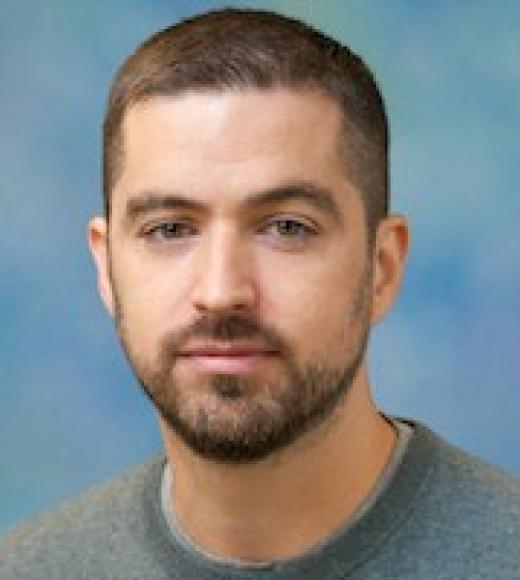
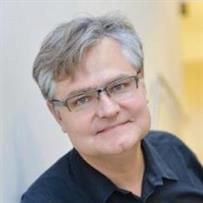
Dr James Herbert-Read is an Associate Professor and Whitten Lecturer in Marine Biology at the Department of Zoology, University of Cambridge. He serves as Deputy Head of Department (Postgraduate Education) and leads the Marine Behavioural Ecology Group. His research focuses on understanding how animals, particularly marine organisms, collect and process information from their environments to make behavioral decisions, with emphasis on social interactions, adaptation mechanisms, and ecological constraints. His group employs theoretical frameworks, controlled experiments, and quantitative field studies to investigate behavioral diversity in marine species. Key themes include collective behavior, predator-prey dynamics, camouflage strategies, and the impacts of environmental stressors on animal decision-making. Recent publications highlight work on lionfish vocalization mechanisms, cuttlefish camouflage, citizen science applications in marine research, and behavioral responses to visual and acoustic noise. Scientific awards and affiliations include: Whitten Lecturer in Marine Biology Associate Professor, University of Cambridge He has supervised research projects on topics such as: Social attraction in invasive fish species Evolution of coordinated movement Neurophysiological basis for leadership in shoals Maternal effects on offspring exploration
Andrew Gersick is a Lecturer in the Department of Ecology and Evolutionary Biology at Princeton University. His research focuses on animal behavior, particularly in large social species such as spotted hyenas, zebras, and cowbirds. He explores topics including collective behavior, social dynamics, communication systems, and ecological adaptations. His work integrates field studies with technological tools like accelerometers to analyze activity patterns and signaling mechanisms. Notably, he investigates how zebra stripes repel biting flies and how hyenas use vocalizations for individual recognition. Gersick also contributes to conservation efforts, such as the Great Grevy’s Rally in Kenya, and studies social learning in avian species like cowbirds. His recent articles highlight interdisciplinary approaches, combining ecology, physiology, and technology to understand animal behavior in natural and social contexts. While no awards are explicitly listed, his contributions to understanding collective behavior and conservation biology are significant. Advising and grants: No formal advisees or grant details are provided in the text. His work appears to focus on collaborative research and field-based methodologies. Labs/Teams: No specific laboratory or team affiliations are mentioned beyond his departmental role at Princeton.
Eric Fortune is an Associate Professor in the Department of Biological Sciences at New Jersey Institute of Technology. His research spans neuroethology, electrosensory systems, and computational biology, with a focus on weakly electric fish and sensorimotor integration. Recent Publications highlight work on Neurophysiological adaptations in weakly electric fish Machine learning applications in flu forecasting Behavioral and neural mechanisms of exploration-exploitation trade-offs Grants include multiple NSF-funded projects on collaborative research in active sensing, neuromechanical systems, and social interaction effects on sensory function. Media Coverage features his role in a $5M Amazon rainforest biodiversity contest, where his team counted over 250,000 critters in a square kilometer.
Burak Sunguralp Tekin is an Assistant Professor in the Department of Translation and Interpretation at the Faculty of Humanities and Social Sciences, Ankara Yıldırım Beyazıt University. His academic career includes positions as both Lecturer (2021-2022) and Assistant Professor (2022-present) at the same institution. Dr. Tekin's research primarily focuses on human sociality and the interplay of language, bodies, and technology, with particular emphasis on embodied interaction, social practices, and multimodal communication. Dr. Tekin's educational background includes: Doctorate (2014-2019) from University of Basel, Switzerland, with dissertation "Bodies at play: Exploring participation, spectatorship, and morality in videogaming activities" Postgraduate studies (2012-2013) from University of Newcastle Upon Tyne, United Kingdom, with thesis "Smiles and affective alignment in naturally occurring dyadic academic supervisions" Undergraduate degree (2006-2010) from Hacettepe University, Turkey Dr. Tekin's research interests center on social interaction, multimodal communication, and embodied practices. His work examines how people coordinate their actions, bodies, and language in various contexts including gaming, photography, public spaces, and pandemic-related social adaptations. He employs conversation analysis and multimodal interaction analysis to investigate the micro-details of human sociality, with particular attention to how technology mediates social practices. His research bridges sociology, linguistics, and human-computer interaction to understand the embodied nature of social organization. Analysis of Dr. Tekin's recent publications reveals a consistent focus on embodied social interaction across diverse contexts. His work demonstrates sophisticated methodological approaches to studying how people coordinate their movements, manage social spaces, and create meaning through multimodal resources. A notable trend is his examination of how social practices adapt during extraordinary circumstances like the COVID-19 pandemic, as well as his sustained interest in gaming activities and their social organization. His collaborative work with Lorenza Mondada is particularly prominent in the field of conversation analysis. Dr. Tekin has taught various courses including Multimodal Communication, Introduction to Applied Linguistics, Language and Communication, Language Acquisition, Consecutive Interpreting, Intercultural Communication, World Englishes, Applied Linguistics, Turkish Grammar, Language Culture and Society, and Discourse Analysis at both undergraduate and postgraduate levels. His teaching reflects his research expertise in communication, language, and social interaction.
Dr. He Tai-Sen is a Senior Lecturer in Economics at Nanyang Technological University (NTU), Singapore. Holding a PhD in Economics from Brown University (2013), he also earned an MA in Economics and a Bachelor of Finance from National Chengchi University, Taiwan. He was an honorary member of the Phi Tau Phi Scholastic Honor Society and recipient of the Reginald D. Archambault Award for Teaching Excellence at Brown in 2009. Education : PhD (Economics, Brown University, 2013); MA (Economics, National Chengchi University, 2003); Bachelor of Finance (National Chengchi University, 2001) Dr. He specializes in Behavioral Economics , Experimental Economics , and the intersection of Psychology , Linguistics , and Economics . His research explores how linguistic features (e.g., future tense, pronoun drop) and acoustic manipulations (e.g., vocal pitch, speech rate) influence economic decisions. He also investigates parental strategies to develop children’s pro-sociality, patience, and strategic reasoning. His publications reveal interdisciplinary trends: Language-Decision Interactions (4 papers) Temporal Discounting & Risk Preferences (5 papers) Trust & Prosocial Behavior (3 papers) Behavioral Policy Analysis (2 papers) Scientific Awards : Reginald D. Archambault Award for Teaching Excellence (Brown University, 2009) At NTU, he teaches Experimental Economics , Financial Economics , and Microeconomics Principles . He also instructs Behavioral Economics for Policy Analysis in Mandarin at the Nanyang Centre for Public Administration. Dr. He emphasizes inquiry-based teaching, fostering student creativity through conversational methods. His research involves interdisciplinary collaborations, often co-authoring papers with students. Married to a psychologist, he draws inspiration from family interactions, blending personal and academic insights into his work on behavioral economics.
Santiago Barreda is an Associate Professor in the Department of Linguistics at the University of California, Davis, specializing in speech perception and phonetic analysis. His research examines how acoustic properties of speech convey speaker characteristics including age, gender, and physical attributes. Education: Ph.D. in Linguistics (Phonetics), University of Alberta, 2013 M.A. in Hispanic Studies (Language and Linguistics), University of Western Ontario, 2008 B.A. in Linguistics and Spanish Language and Literature, University of Western Ontario, 2006 Research Focus: Dr. Barreda employs behavioral experiments and statistical modeling to investigate perceptual mechanisms in speech recognition. His work bridges theoretical phonetics with practical applications, particularly in vowel normalization techniques and formant tracking algorithms. Key questions address how listeners extract speaker identity from acoustic cues and interpret social characteristics through vocal signals. Publication Trends: Recent publications (2020-2025) reveal three dominant themes: computational phonetic tools (FastTrack, phonTools), perception of social/physical speaker characteristics from children's voices, and interdisciplinary public health research on speech-related aerosol transmission. His work demonstrates strong methodological consistency in combining acoustic analysis with perceptual validation. Scientific Awards: No scientific awards were mentioned in the source material. Advising and Grants: The provided documentation does not specify graduate student advising roles or external grant funding. Technical Contributions: Dr. Barreda develops open-source phonetic analysis software including FastTrack (Praat-based formant tracking) and the phonTools R package, which have become standard resources in acoustic phonetic research.
Piotr Winkielman is a Professor of Psychology at the University of California, San Diego (since 2007), with affiliations at Warwick Business School (UK) and the Warsaw School of Social Sciences and Humanities (Poland). His research focuses on the interplay of emotion, cognition, embodiment, and consciousness in social cognition, employing methods from social/cognitive psychology and neuroscience. Key interests include unconscious emotion processing, facial mimicry, decision-making under emotional influence, and the neural basis of social perception. Education: PhD in Social Psychology (1997), University of Michigan MSc in Psychology (1991), University of Bielefeld, Germany BSc in Psychology (1988), University of Warsaw, Poland Research Interests: Winkielman explores how fleeting affective reactions influence behavior without conscious awareness, studying facial feedback mechanisms, emotional contagion, and the role of physiological signals in decision-making. His work bridges theories like Affect-As-Information and Facial Feedback, while challenging assumptions about the necessity of conscious processes in emotion. Grants & Funding: Supported by NSF Grant BCS-0350687 for studies on unconscious emotion and physiological feedback. Collaborations include projects on mimicry, stress effects, and cross-modal perception. Labs & Teams: Leads research at UCSD on embodied cognition and social neuroscience, with studies involving EEG, EMG, and behavioral experiments. International collaborations span UK, Poland, and Germany.
Marlen Fröhlich is a Research Fellow at the Department of Palaeoanthropology within the Faculty of Science at Eberhard Karls University of Tübingen. As a primatologist, she leads the Volkswagen Foundation-funded 'Pathways to Language' project (2022-2028) investigating communicative plasticity in joint action coordination. Her research examines the evolution of human language through comparative studies of great ape communication, with fieldwork conducted across multiple sites studying chimpanzees, bonobos, and orangutans. Her primary research explores: Multimodal communication development in primates Plasticity in gestural and vocal signaling Infant-directed communication patterns Cross-species comparisons of communicative behaviors Environmental influences on communication systems Analysis of her 15 most recent publications (2022-2025) reveals strong emphasis on: Individual variation in primate communication Multimodal signal integration Captive versus wild behavior comparisons Maternal investment strategies Evolutionary pathways to language Significant scientific awards include: Freigeist Fellowship, Volkswagen Foundation (2022-2028) DFG Research Fellowship (2018-2021) Christiane Nüsslein-Volhard Foundation Stipend (2020-2022) PhD Thesis Award, German Primate Center (2016) Erhard Höpfner Award for Master's thesis (2012) She coordinates the Palaeoanthropology lab's research activities and maintains collaborations with field sites studying wild populations of great apes. Current work focuses on understanding how communicative plasticity facilitates coordination in joint action tasks.
Mary J. Sandage is a Professor and Dean's Distinguished Research Fellow in the Department of Speech, Language & Hearing Sciences within the College of Liberal Arts at Auburn University. She serves as Graduate Program Officer and maintains an active research program focused on voice physiology and upper airway disorders. Her educational background includes: PhD in Exercise Science from Auburn University MA in Speech Language Pathology from the University of Iowa BA in English with a minor in Linguistics from Iowa State University Internationally recognized for expertise in laryngeal physiology and clinical voice rehabilitation, Dr. Sandage specializes in singing voice rehabilitation, chronic cough, inducible laryngeal obstruction, and exercise-induced laryngeal obstruction. Her research examines muscle bioenergetics, performance physiology, hormonal influences, and fatigue aspects of voice function, along with thermoregulation for upper airway disorders and healthcare disparities in speech pathology services. Analysis of her recent publications (2022-2025) reveals a strong interdisciplinary approach bridging exercise science with voice pathology. Her work consistently explores biomarkers of vocal function (particularly blood lactate), develops novel assessment tools like the Fluid Interval Test for Voice, and addresses critical gaps in differential diagnosis for upper airway disorders. She has made significant contributions to understanding vocal physiology through the lens of sports science, with applications for both clinical populations and professional voice users. Her scientific recognition includes: Fellow of the American Speech Language Hearing Association Pan American Vocology Association Recognized Vocologist Dean's Distinguished Research Fellow at Auburn University As Graduate Program Officer, Dr. Sandage oversees graduate education in Speech, Language & Hearing Sciences. Her research program includes numerous collaborative projects examining healthcare disparities, particularly in rural Alabama, and has resulted in the development of the Voice & Upper Airway Clinic within the Auburn University Speech & Hearing Clinic. She directs the Voice Physiology Lab, where she investigates applied muscle physiology, voice acoustics and aerodynamics, laryngeal imaging, and laryngeal thermophysiology. Her work frequently involves interdisciplinary collaborations with exercise scientists, otolaryngologists, and sports medicine specialists to advance understanding of voice function across diverse populations.
Eduardo Mercado III is a Professor in the Department of Psychology at the University at Buffalo, College of Arts and Sciences. His research focuses on bioacoustics, cognitive psychology, and marine ecology, particularly the vocal behavior of humpback whales and its implications for understanding human impact on marine ecosystems. He is also known for his work in perceptual learning, autism spectrum disorder, and comparative cognition. Scientific Awards Guggenheim Fellowship Harvard Radcliffe Institute Fellowship Research Trends His recent publications emphasize bioacoustic analysis of humpback whale songs, including their spectral entropy, cyclical variations, and adaptive adjustments to anthropogenic noise. Additional work explores perceptual learning mechanisms in autism, neural network modeling for acoustic classification, and cognitive processes in canines and rodents. Projects Mercado’s “Singers as Sentinels” project combines acoustic analysis of humpback whale songs with public awareness initiatives about ocean noise pollution. The project will produce a book, Why Whales Sing and Dolphins Don’t , and a web-based interface for public engagement.
Rita Aiello is an Adjunct Associate Professor in the Department of Psychology at New York University's College of Arts & Science. Her research focuses on the cognitive and perceptual processes involved in musical listening, with particular emphasis on neuroaesthetics, music learning, and memory. She holds an Ed.D. from Columbia University and has held faculty positions at institutions including the Juilliard School and the Manhattan School of Music. Her work bridges music theory, cognitive science, and education, with a lifelong background as a classical pianist. Education: Columbia University (Ed.D.), Manhattan School of Music (M.M., B.M.), Conservatorio San Pietro a Maiella (Diploma in Music Theory) Certifications: Kodály and Orff Methods Her research explores how musical training influences cerebral dominance, the relationship between mental representations and emotional responses to music, and the cognitive underpinnings of musical memory. She has published widely on topics ranging from musical expectation to pedagogical strategies for memorization. Recent work investigates evolutionary perspectives on singing and the psychological mechanisms behind musical communication. Publications reflect interdisciplinary engagement with music's structural rules, metaphorical dimensions, and its role in human cognition. While no specific grants or awards are listed, her extensive international teaching experience includes visiting roles at institutions in Rome and Lugano, Switzerland, and an honorary appointment at Columbia University's Teachers College.
Tyler Imfeld is an Assistant Professor in the Department of Biology at Regis University, specializing in evolutionary ecology and avian biodiversity. His work focuses on the diversification of songbirds in the Americas. Education: BS in Biology from Xavier University; PhD in Ecology, Evolution, and Behavior from the University of Minnesota. Dr. Imfeld integrates molecular and morphological data from natural history collections to address evolutionary and taxonomic questions, with a strong emphasis on phylogenetics. His research spans biogeography, adaptive radiation, and morphological evolution in passerines. Recent publications analyze macroevolutionary patterns in avian phylogenies, interhemispheric dispersal dynamics, and the role of ecological factors in speciation. Earlier work explored microbial interactions with nutrients and manganese cycling in environmental systems. Dr. Imfeld actively incorporates natural history collections into his teaching and outreach programs, engaging learners of all ages in biodiversity studies.
Alexei Koulakov is a Professor at Cold Spring Harbor Laboratory (CSHL) and the Charles Robertson Professor of Neuroscience. His research focuses on applying mathematical and computational approaches to unravel the principles of brain organization, particularly in sensory systems like olfaction and vision. Koulakov's work explores how neural circuits form during development, the role of genetic and experiential factors, and the evolutionary basis of brain architecture. Education: PhD in Physics from the University of Minnesota (1998). Key Research Areas: Olfactory system development, neural network modeling, and AI inspired by biological computation. Koulakov's recent publications emphasize cross-disciplinary integration of neuroscience and AI, including NeuroAI initiatives and DeepNose models predicting olfactory percepts. His team investigates how innate abilities are encoded genomically and how experience shapes neural networks. Scientific contributions include studies on primacy coding in olfaction, stochastic learning mechanisms , and high-throughput neural mapping . Awards include the Charles Robertson Professorship , reflecting his leadership in theoretical neuroscience. Koulakov collaborates extensively, with notable work on genomic bottlenecks , odor mixture interactions , and neural integrator models . His lab at CSHL is at the forefront of NeuroAI research, leveraging brain circuit insights to advance artificial intelligence.
Professor Steve Simpson is a leading marine biologist and fish ecologist at the University of Exeter's Biosciences department. He serves as Professor of Marine Biology & Global Change and leads a dynamic research group focused on understanding marine ecosystems, particularly in the context of climate change and human impacts. His work has been prominently featured in Blue Planet II and he actively engages with industry, policy makers, and the public through media appearances and outreach activities. Education PhD, University of York, UK (2000-2004) MRes Marine & Coastal Ecology & Environmental Management, University of York, UK (1998-1999) BSc Marine Biology (Hons), University of Liverpool, UK (1995-1998) Professor Simpson's research centers on the behavior of coral reef fishes, bioacoustics, and the effects of climate change on marine ecosystems. His approach uniquely combines fieldwork in remote environments with laboratory experiments, data-mining, and computer modeling. He has pioneered new methods for listening to ocean soundscapes and understanding fish communication, revealing how anthropogenic noise disrupts natural behaviors and ecological processes. His work on climate change impacts examines shifting fish distributions and their implications for fisheries management and conservation. Analysis of Simpson's recent publications reveals two dominant research themes: the impacts of anthropogenic noise on marine life and climate change effects on fisheries. His work demonstrates how underwater noise from boats and industrial activities impairs fish hearing, disrupts predator-prey relationships, and affects reproductive success. Simultaneously, his climate change research tracks how warming seas are altering fish distributions, creating 'mackerel wars' and requiring fisheries adaptation. These research strands converge in his innovative work on developing solutions like bubble curtains to mitigate noise impacts. Scientific Awards FSBI Medal (2016) NERC Knowledge Exchange Fellowship (2011-2014) NERC Postdoctoral Research Fellowship (2004-2007) Royal Society International Fellow (2007-2008) EPHE Postdoctoral Fellow (2007-2008) Professor Simpson leads a thriving research group of approximately 10 postdocs, PhD, and Masters students. His grant portfolio includes major NERC funding for projects on marine noise impacts and climate change effects on fisheries. He has developed strong industry partnerships through a Knowledge Exchange Fellowship, working with Cefas, the Met Office, Sustainable Marine Energy Ltd, and HR Wallingford Ltd. His research has directly informed policy through contributions to Marine Climate Change Impacts Partnership reports and presentations to European Parliament. Simpson has also created innovative knowledge exchange initiatives including the 'Vision of Sustainable Fisheries in 2050' thinktank. Simpson has developed specialized research infrastructure including a mobile lab with Ecocean in Montpellier for assessing marine noise impacts, and has conducted large-scale acoustic experiments in dry docks. His work on underwater acoustics was prominently featured in Blue Planet II, and he maintains active engagement with media through TEDx talks, BBC appearances, and public lectures to schools and community groups. He serves on the International Quiet Ocean Experiment Science Committee, helping shape global research on ocean noise.
Susanne Schötz is an Associate Professor of Phonetics at Lund University's Centre for Languages and Literature and a Researcher at the Lund University Humanities Lab. She is also the project manager for Cat-human communication research and a member of the LU Profile Area: Natural and Artificial Cognition. Her research focuses on phonetic variation in three main areas: dialectal variation in Swedish and other languages, paralinguistic variation related to age, emotion, attitude and health condition, and phonetic variation in human-animal communication, particularly cat-human communication. She has led several research projects including Melody in human–cat communication (Meowsic), Cat–Human Communication, and studies on Estonian Swedish and Swedish vowel articulation using articulography. Dr. Schötz teaches courses at the speech and language pathology and audiology programs at Lund University. Her work with cats has gained significant attention, including winning the Ig Nobel Prize in Biology in 2021 for research on cat-human communication. Her research output demonstrates strong trends in animal communication, particularly focusing on the acoustic properties of cat vocalizations and how humans perceive and interpret these sounds. She combines traditional phonetic analysis with innovative approaches to study cross-species communication, making significant contributions to both linguistics and animal behavior studies. Scientific Awards: The Ig Nobel Prize in Biology (2021) Årets Mäster (Master of the Year) (2020) Vetenskapssocieteten Lunds universitet (2016) Vetenskapssocieteten i Lund: Stipendium för betydande insats inom humanistisk forskning (2007) Dr. Schötz has supervised research projects and students in phonetics and human-animal communication. Her work has been supported by various research funds including MAW, SKK och Agrias forskningsfond, and the Pufendorf IAS. She is in charge of the articulographs in the Humanities Lab, which are essential for her research on speech production and articulation. She is actively involved in the Lund University Humanities Lab, contributing to its mission of interdisciplinary research in the humanities through her expertise in phonetics and communication studies.