Diana Strazdesمشاهده پروفایل
دانشیار
- American Art
- 19th-Century Art
- Material Culture
- +۱۲ مورد دیگر
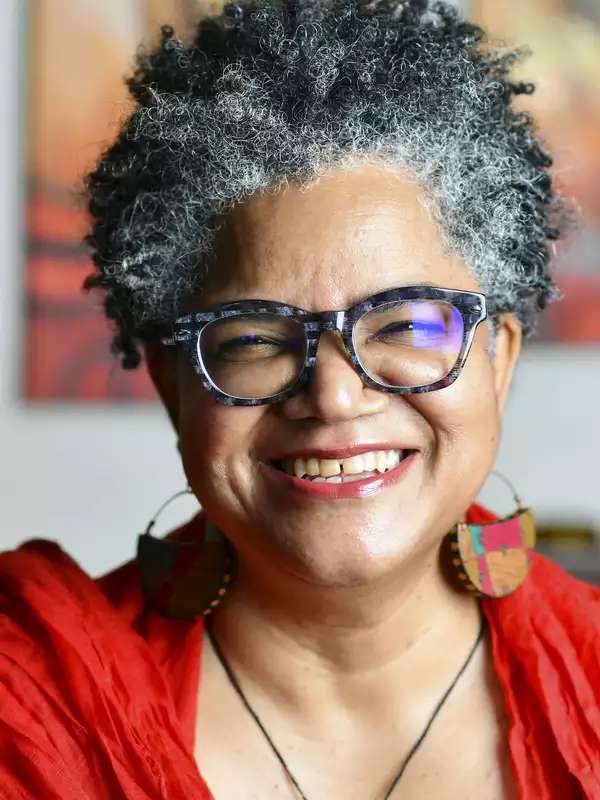
Diana Strazdes is an Associate Professor in the Program in Art History at the University of California, Davis, where she has been a faculty member since 1997. Her academic work focuses on American art and material culture of the long 19th century, with additional expertise in museum studies and transatlantic artistic developments. She is based in Room 162, Everson Hall, and can be reached at dstrazdes@ucdavis.edu. Education: Ph.D., Yale University M.Phil., Yale University M.A., Yale University B.A., Vassar College Her research interests span American painting, sculpture, architecture, and domestic life, with a particular focus on professional identity, public art reception, and the cultural meanings of space. She has published widely on topics ranging from the Hudson River School to the domestic ideology of Catharine Beecher, from museum evolution to the display of ruins. Her work often bridges art history, cultural studies, and material culture analysis. The recent publications in her list reflect a sustained engagement with 19th-century American art, evolving into broader themes of cultural memory, museum display, and transatlantic influences. Her articles frequently appear in leading journals such as Winterthur Portfolio , Master Drawings , and Change over Time , demonstrating her interdisciplinary reach across art history, conservation, and museum theory. She has no listed scientific awards in the provided text. Diana Strazdes teaches a wide range of courses, from introductory surveys like Baroque to Modern Art to advanced seminars on realism, professional identity, and landscape painting. She also leads a seminar on research and writing methods, indicating her commitment to mentoring emerging scholars. While no specific grants or advisees are listed, her extensive publication record and long tenure suggest a robust research program and likely advising activity. She is actively involved in the academic life of the Art History program, contributing to the intellectual development of students through both teaching and research. Her work with museum collections and public art suggests engagement with curatorial teams and cultural institutions, though no formal lab or research team is specified.