

Sarah Billington is the UPS Foundation Professor of Civil and Environmental Engineering at Stanford University and a Senior Fellow at the Woods Institute for the Environment. Her research program focuses on sustainable building design, human wellbeing, and ethical supply chain practices. Education: PhD, University of Texas at Austin, Structural Engineering (1997) MSE, University of Texas at Austin, Structural Engineering (1994) BSE, Princeton University, Civil Engineering & Operations Research (1990) Her lab employs interdisciplinary methods to study how built environments impact human physical, psychological, and social wellbeing. Current projects include developing tools to quantify nature exposure in buildings, exploring affordable housing's role in wellbeing, and using AI to assess forced labor risks in material supply chains. While no longer active in this area, her group previously pioneered research on sustainable construction materials like bio-based composites and ductile cement-based composites. Her recent publications address topics such as nature integration in architecture, workplace design optimization, and health impacts of building materials. The Billington Lab at Stanford fosters collaborative team science, welcoming partnerships to advance occupant-centric engineering solutions.
جستوجوی استاد و پژوهشگر
استاد راهنما، استاد دانشگاه یا پژوهشگر مناسب برای مسیر پژوهشیتان را پیدا کنید و با او ارتباط بگیرید.
نمایش ۱-۱۵ از ۱٬۵۰۵ استاد راهنما
اطلاعات این پروفایلها از صفحات عمومی دانشگاهها جمعآوری شده و ممکن است بهروز نباشد.
Haneen Farahمشاهده پروفایل
دانشیار
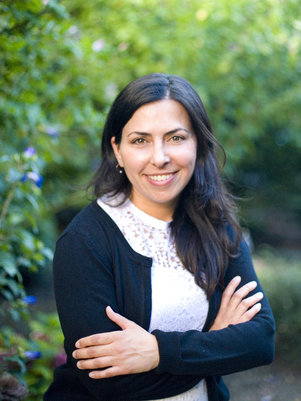
Dr. Haneen Farah is an Associate Professor in the Department of Transport & Planning at Delft University of Technology and co-director of the Traffic and Transportation Safety Lab. She also serves as head of the Traffic Systems Engineering section. Her research focuses on road infrastructure design, road user behavior, and traffic safety, integrating transportation engineering, human factors, and econometrics. Prior to TU Delft, she was a postdoc at KTH Royal Institute of Technology and earned her M.Sc. and Ph.D. in Transportation Engineering from the Technion-Israel Institute of Technology. Her work includes national/international projects like SAMEN (mixed automated/human traffic implications), AfroSAFE (road safety in Africa), and XCARCITY (sustainable city mobility). She teaches undergraduate and graduate courses on road design and traffic safety, including online programs for low/middle-income countries. Farah supervises multiple PhD and Master students in her research areas, contributing to over 50 peer-reviewed publications. Key research themes include infrastructure design for automated vehicles, driver behavior modeling, cyclist safety, and policy implementation of the Safe System approach. Her interdisciplinary approach bridges engineering and psychology to enhance traffic safety and efficiency through advanced analytics and simulation models.

Andreas Bulling is a Professor at the Institute for Visualisation and Interactive Systems , University of Stuttgart, Germany. His research focuses on Human-Computer Interaction , Eye Tracking , and Computer Vision , with applications in Machine Learning , Virtual Reality , and Information Visualization . 2025 Publications: HOIGaze (Extended Reality), ChartQC (Data Visualization), HAIFAI (Human-AI Interaction), SummAct (Behavioral Summarization), Chartist (Chart Reading). 2024 Contributions: HumanEYEze (Multimodal AI), HOIMotion (3D Object Detection), MultiMediate'24 (Engagement Estimation), Unified Model of Saliency (Scanpath Prediction). His recent work explores gaze estimation , interactive behavior modeling , and privacy-preserving eye-tracking systems . Key subfields include Extended Reality , Neural Networks , and Behavioral Biometrics . While no explicit scientific awards are mentioned, his research has been widely cited (8,003 total citations) and downloaded (132,740 times). Andreas leads projects in Interactive Systems and collaborates with institutions such as Aalto University , KU Leuven , and National University of Singapore . His lab focuses on eye movement analysis , human motion forecasting , and task-driven input modeling .

Jeff Huangمشاهده پروفایل
دانشیار
Jeff Huang is an Associate Professor and Associate Chair of Computer Science at Brown University. His research focuses on Human-Computer Interaction (HCI), with emphases on personalized systems using behavioral data, health informatics, and user interfaces. Huang holds a PhD from the University of Washington and degrees from the University of Illinois at Urbana-Champaign. His work is funded by NSF, NIH, and ARO, and he has received awards including the NSF CAREER Award and ARO Young Investigator Award. Education: PhD in Information Science, University of Washington (2013) MS in Computer Science, University of Washington (2013) BS and MS in Computer Science, University of Illinois at Urbana-Champaign (2007) Research Interests: His work spans health informatics (e.g., sleep tracking systems like Self-E and SleepCoacher), user interface design, and leveraging behavioral data for personalized systems. Notable projects include WebGazer (webcam eye tracking), filtered.ink (creative illustration tools), and Sochiatrist (mental health analytics). Teaching: He teaches courses on user interfaces, HCI, and research methods, including CSCI 0130/1300 (User Interfaces), CSCI 2300 (HCI Seminar), and CSCI 2000 (Research Methods). Awards: NSF CAREER Award Facebook Fellowship ARO Young Investigator Award Grants & Advising: Huang leads a research group advising over 50 students, many of whom have pursued academic and industry roles. His grants support projects in HCI, health tech, and collaborative systems.

- Computational Neuroscience
- Neuroscience
- Psychiatry
- +۶ مورد دیگر
Professor Rebecca Lawson is a Professor of Neuroscience and Computational Psychiatry at the University of Cambridge, affiliated with the Department of Psychology and Bye-Fellow at Peterhouse College. Her research focuses on understanding how humans learn to make predictions under uncertainty, with applications to mental health conditions such as anxiety and depression. She leads the Prediction and Learning (PaL) Lab, which combines computational modeling, neuroimaging (e.g., 7T MRI), and behavioral experiments to study cognitive processes in typical and atypical populations. Key research interests include computational psychiatry, autism spectrum disorders, neuroimaging techniques, and the neurochemical basis of learning mechanisms. She has received significant funding, including a £4.3m Wellcome Mental Health Award and the Sir Henry Dale Fellowship. Notable contributions include advancing theories of neural gain and sensory expectations in autism, as well as studies on uncertainty processing in anxiety and depression. Professor Lawson holds academic awards such as the BNPA Lishmann Prize and the BAP Psychopharmacology Award. She actively contributes to public engagement, including initiatives like Knit-a-Neuron and involvement with PrideinSTEM. Her lab collaborates internationally, with projects like the CamRAA study investigating autism-anxiety overlaps and the Chemical and Brain Basis of Uncertainty (CBBU) study exploring pharmacological interventions. Education: PhD in Cognitive Neuroscience (University of Cambridge), BA (Hons) Psychology & Philosophy (University of Glasgow). Grants: £4.3m Wellcome Award, Parke-Davis Fellowship, Lister Institute Prize. Labs/Teams: Principal Investigator of the PaL Lab; collaborations with MRC Cognition and Brain Sciences Unit, Yale University, and Brown University.

Antonio Rangel is the Bing Professor of Neuroscience, Behavioral Biology, and Economics at the California Institute of Technology (Caltech), where he also serves as Head Faculty in Residence. He is a faculty member in the Division of Humanities and Social Sciences (HSS) with research focusing on the computational and neurobiological basis of value-based decision-making. Dr. Rangel received his educational training at prestigious institutions: B.Sc. from Caltech in 1993 M.S. from Harvard University in 1996 Ph.D. in 1998 Professor Rangel's research lies at the intersection of neuroscience, economics, and psychology, with a focus on understanding how the brain makes decisions. His work investigates the neural mechanisms underlying value computation, choice processes, self-control, and social decision-making. Using a multidisciplinary approach that combines functional magnetic resonance imaging (fMRI), eye-tracking, computational modeling, and behavioral experiments, his lab has made significant contributions to the field of neuroeconomics. His research has revealed how value signals are represented in the brain, how attention influences choice, and the neural basis of self-control failures. Professor Rangel has pioneered methods for studying decision processes with high temporal resolution using eye-tracking data, demonstrating how fixation patterns relate to value computations and choice outcomes. His work spans from theoretical frameworks of value-based decision-making to practical applications in behavioral public economics. Professor Rangel's work has been recognized with prestigious awards: 2019 NOMIS Distinguished Scientist Award 2018 Fellow of the Association for Psychological Science As an academic leader, Professor Rangel has mentored numerous students and researchers who have gone on to make their own contributions to neuroscience and economics. His lab, the Rangel Neuroeconomics Laboratory at Caltech, serves as a hub for interdisciplinary research, bringing together students and scholars from neuroscience, economics, psychology, and computer science. The lab has received significant funding to support its research on the neural basis of decision-making, including support from the NOMIS Foundation. The Rangel Neuroeconomics Laboratory is equipped with state-of-the-art facilities including fMRI analysis capabilities, eye-tracking systems, and computational resources for modeling decision processes. The lab fosters a collaborative environment where researchers apply methods from experimental economics and cognitive neuroscience to unravel the complexities of human decision-making.
David Lindlbauerمشاهده پروفایل
استادیار
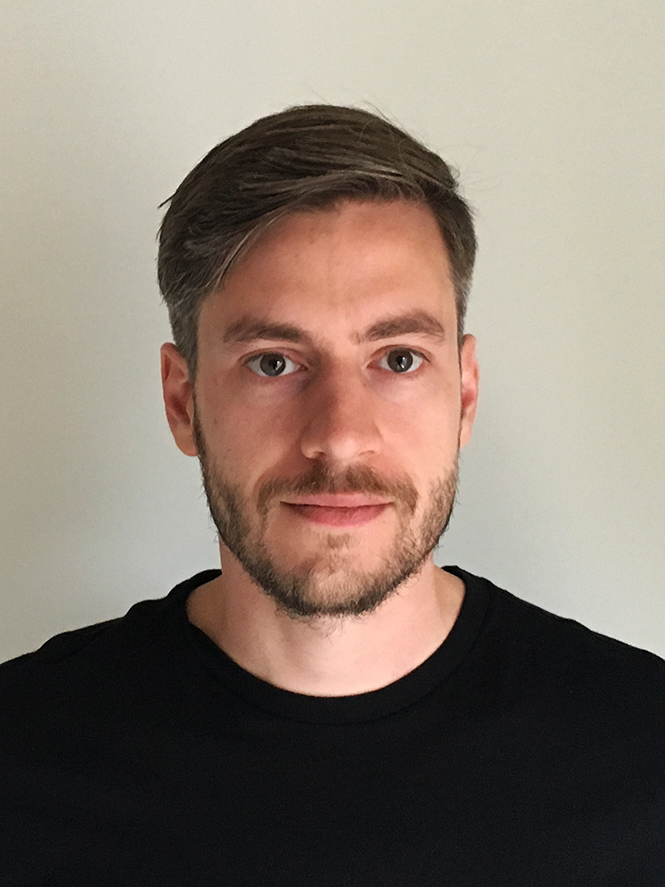
David Lindlbauer is an Assistant Professor at the Human-Computer Interaction Institute (HCII) of Carnegie Mellon University, where he leads the Augmented Perception Lab and co-directs the CMU Extended Reality Technology Center. His research bridges human perception, extended reality (AR/VR), and computational interaction techniques, focusing on developing systems that dynamically adapt interface elements based on environmental context, user cognition, and task requirements. He completed his PhD at TU Berlin under Prof. Marc Alexa and held a postdoctoral position at ETH Zurich's Advanced Interactive Technologies lab. His work has been published extensively at top venues including ACM CHI, UIST, and IEEE VR, with research themes spanning gaze tracking, spatial audio optimization, haptic feedback, and multimodal notification systems. Media outlets like MIT Technology Review and Fast Company Design have featured his innovations. Dr. Lindlbauer has received prestigious grants from Meta, NSF, and ETH Zurich, and serves on program committees for CHI, UIST, and ISMAR. He has been recognized with Best Paper awards at ISS 2023 and CHI 2016, and his lab develops tools like MineXR for personalized XR interfaces and RealityReplay for temporal change visualization in mixed reality environments.

Elizabeth A. Simpson is an Associate Professor in the Department of Psychology at the University of Miami's College of Arts and Sciences. She serves as Associate Director of the Child Division and directs the Social Cognition Laboratory, focusing on infant social and cognitive development through interdisciplinary methodologies. Education: Ph.D. in Psychology (unspecified institution) Key Research Areas: Developmental Psychology, Autism, Social Cognition, Primate Studies, Visual Attention, Infant Behavior Her research investigates individual differences in infant visual attention, social motivation, and physiological markers like salivary oxytocin. Recent studies demonstrate: Stability of attentional patterns from newborn to 14 months Sex differences in early face detection Links between oxytocin levels and social affect in infants Neurophysiological markers in newborns later diagnosed with ASD Scientific awards include the NSF CAREER grant for neonatal imitation research. She contributes to open science initiatives through the ManyBabies consortium and develops remote eye-tracking methods for broader accessibility. Current lab work explores: Parent-infant affective interactions during still-face episodes Predictive power of early attentional biases Development of pathogen avoidance behaviors Cross-species comparisons of social cognition

Anocha Aribarg is a Professor of Marketing and Area Chair of Marketing at the Ross School of Business, University of Michigan, with additional faculty affiliation at the Center for Southeast Asian Studies (CSEAS). Her interdisciplinary research bridges psychological theory, consumer behavior, and advanced statistical modeling to address complex marketing challenges. Education: PhD in Marketing, University of Wisconsin, 2004 MBA, University of Wisconsin-Milwaukee, 1998 BS in Statistics, Chulalongkorn University, Thailand, 1994 Research Focus: Prof. Aribarg investigates cognitive processes in consumer decision-making, specializing in individual/joint choice dynamics, product search behaviors, and responses to marketing stimuli. Her methodology integrates Bayesian econometrics with physiological measures (eye tracking, skin conductance) and multi-method experimental designs to uncover hidden decision mechanisms. Publication Trends: Her 14 recent publications (2009-2024) reveal consistent innovation in choice modeling, with increasing emphasis on attention dynamics (2020), moral psychology in aesthetics (2022), and high-frequency service data integration (2023). Work appears predominantly in Marketing Science Journal of Marketing Research, and Psychological Science, demonstrating methodological rigor across consumer behavior, advertising, and service contexts. Academic Service: She serves as Associate Editor for Marketing Science, Journal of Marketing, and Journal of Marketing Research, while contributing to the Journal of Retailing editorial board. Teaching: Prof. Aribarg delivers graduate-level courses in Marketing Research and Analytics and Predictive Analytics at Ross, emphasizing data-driven decision frameworks.

Jeff Moherمشاهده پروفایل
دانشیار
Jeff Moher is an Associate Professor of Psychology and Co-Chair of the Department of Psychology at Connecticut College, where he has been teaching since 2017. He also serves as the Data, Information, and Society Pathway Co-Coordinator, demonstrating his leadership within the institution. His educational background includes a Ph.D. and M.A. from Johns Hopkins University and a B.S. from the University of Michigan. This strong academic foundation has prepared him for his research and teaching career in cognitive psychology. Moher's research focuses on cognitive psychology and cognitive neuroscience, particularly visual attention and cognition in action. His work investigates why distractions occur, when they are likely to arise, and what mechanisms humans can harness to avoid them. He has found that humans employ various cognitive mechanisms to minimize distractions based on explicit knowledge, task goals, object properties, and recent experience, though he has also discovered surprising limitations in attentional selection. His research is particularly relevant given that over 3,000 people are killed annually in the United States from distracted driving. His recent publications show a consistent trajectory examining attentional mechanisms, distraction, and visual processing across different contexts. His work frequently employs sophisticated methodologies to measure both cognitive and motor responses to distractions, revealing how seemingly minor distractions can accumulate to induce serious performance costs. Moher's research is currently funded by grants from the National Science Foundation and the National Institutes of Health, indicating the significance and quality of his work. He likely mentors numerous students through the department's research groups, contributing to their development as researchers. He directs the CAMELab (Center for Attention, Movement, and Embodied Learning), which utilizes multiple methodologies including eye-tracking, electroencephalography, three-dimensional reach-tracking, and psychophysics to approach questions about attention and distraction. Current projects in his lab explore why salient distractors cause people to give up quickly during visual search, the brain mechanisms involved in learning to ignore distractions, how internal distractions impact physical interactions with the world, and how hand movement paths reveal information about attentional processes.

Raquel Fernández is Full Professor of Computational Linguistics and Dialogue Systems at the University of Amsterdam, where she leads the Dialogue Modelling Group at the Institute for Logic, Language & Computation (ILLC). As Vice-Director for Research at ILLC and a Fellow of the ELLIS Society, she bridges computational linguistics, cognitive science, and artificial intelligence through her research on language use in multimodal and conversational contexts. PhD in Computational Linguistics from King's College London Prior research positions at University of Potsdam and Stanford University's CSLI Her work explores how cognitive constraints, social interaction, and perception shape language use, with a focus on: Visually-grounded language processing Multimodal dialogue modeling Model uncertainty and calibration Language grounding in multimodal data Language learning and semantic change Dialogue reference resolution Recent publications analyze multimodal reasoning limitations, cross-lingual knowledge consistency, and uncertainty modeling in dialogue systems. She has received multiple accolades including an ERC Consolidator Grant , NWO VENI/VIDI/Aspasia fellowships , and EMNLP/GenBench awards . Outstanding Paper Award (EMNLP 2023) Best Data Award (GenBench Workshop 2023) ELLIS Society Fellow ERC Consolidator Grant #819455 recipient NWO VENI/VIDI/Aspasia awardee As a leader in academic service, she serves on the SIGDAT Executive Committee and chairs multiple conference committees. Her lab develops models for multimodal dialogue, visual storytelling, and grounded language understanding.

Professor Guy Wallis is a Professor and Director of Research at the School of Human Movement and Nutrition Sciences, Faculty of Health, Medicine and Behavioural Sciences at the University of Queensland. He is also an Affiliate of the Centre for Sensorimotor Performance. His work bridges visual neuroscience, computational modeling, and applied human factors research, with significant contributions to understanding visual recognition and visuomotor behavior. Education: Bachelor (Honours) of Engineering in Electrical and Electronic Engineering from Imperial College London PhD in Visual Neuroscience from University of Oxford, UK Prof. Wallis's research program combines computational modeling with behavioral studies, many conducted in computer-controlled virtual environments. His work spans visual neuroscience, object recognition, visuomotor control, and simulator-based training. He has made significant theoretical contributions to understanding how visual recognition is achieved in biological systems and how everyday visuomotor tasks are regulated, challenging existing paradigms and offering new insights. His recent publications reveal a strong focus on virtual reality applications, visual-motor integration challenges, and cross-species cognitive studies. There's a clear trend toward investigating how virtual environments can be optimized for training and assessment, with particular attention to visual perception limitations and how humans adapt to these environments across diverse contexts from surgical training to aviation. Scientific Awards and Recognitions: Elected Fellow of the Queensland Academy of Arts and Sciences (2022) ARC Medical Research Advisory Group (2022-2024) ARC College of Experts (2019-2021) CSIRO CSS Human Research Ethics Committee member (2020-2022) UQ Health and Behavioural Sciences Faculty, HDR Supervision Award (2018) ARC Future Fellowship (2011-2014) ARC QEII Fellowship (2003-2007) UQ Postdoctoral Fellowship (2001-2003) Prof. Wallis has successfully secured funding from major organizations including the Australian Research Council, the Human Frontier Science Program, and the Wellcome Trust. His industry partnerships span diverse sectors such as construction training, mining, healthcare, and aerospace. His research has led to the development of novel training programs for health professionals, impacted the design of man-machine interfaces for mining equipment, and informed the design parameters for pilot training systems. As Director of Research, he oversees the research direction of the School of Human Movement and Nutrition Sciences, fostering interdisciplinary collaborations and supporting early-career researchers through his leadership in the Centre for Sensorimotor Performance.
- Cognitive Neuroscience
- Perception
- Attention
- +۷ مورد دیگر
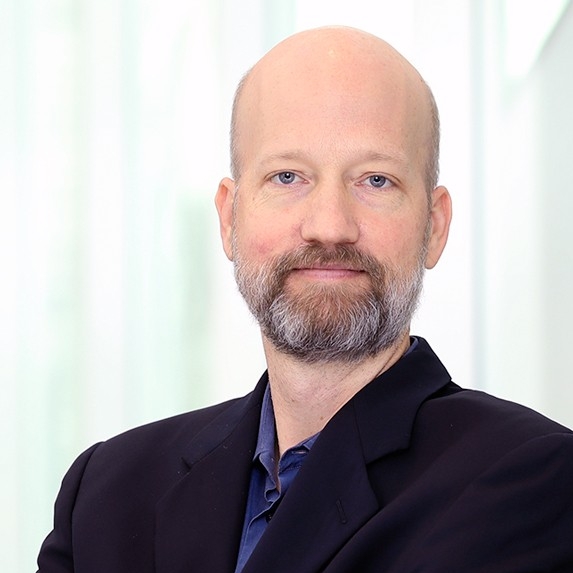
David Melcher is Professor of Psychology and Program Head in Psychology at New York University Abu Dhabi (NYUAD), where he also serves as a Global Network Professor. He is affiliated with the Division of Science and leads the Perception and Active Cognition Lab, focusing on the integration of perception, attention, memory, and action within a cognitive neuroscience framework. PhD in Psychology and Cognitive Science, Rutgers University (2001) Former researcher and professor in Italy and the UK Current leadership: Program Head, Psychology, NYUAD David Melcher's research centers on cognitive neuroscience , particularly how perception, attention, working memory, eye movements, and self-motion interact to shape cognition and behavior. His lab emphasizes active cognition —the idea that perception is not passive but dynamically shaped by action, context, and goals. He investigates how temporal dynamics in neural processing organize perceptual experiences and guide decision-making. His work spans both healthy and clinical populations, exploring individual differences in spatial and temporal processing across the lifespan. The 15 most recent publications reflect a consistent focus on temporal organization in cognition , perception-action coupling , and neural mechanisms of attention and memory . Keywords across these works include cognitive neuroscience, perception, and neuroimaging, with subfields ranging from eye movement research and neural synchrony to computational modeling and clinical neuropsychology. Collectively, they demonstrate a trajectory toward integrative models of brain function that bridge behavioral, neuroimaging, and computational approaches. Among his notable recognitions is the Distinguished Scientific Award for Early Career Contribution to Psychology from the American Psychological Association (2011), highlighting the early impact of his work in cognitive neuroscience. Distinguished Scientific Award for Early Career Contribution to Psychology, APA (2011) David Melcher has advised numerous students through capstone projects in psychology and computer science, fostering interdisciplinary research at the intersection of cognitive science and technology. His research has been generously supported by major funding agencies including the European Research Council , the US National Institutes of Health , the Italian Ministry of Research and Education , and the Chinese Ministry of Foreign Expert Affairs . He also contributes to the academic community as a member of the editorial boards of Journal of Vision , Psychonomic Bulletin & Review , Perception , and iPerception . He leads the Perception and Active Cognition Lab at NYUAD, which employs a multidisciplinary approach combining behavioral experiments, neuroimaging (fMRI, EEG, MEG), eye-tracking, computational modeling, and clinical assessments. The lab’s research aims to understand how the brain constructs stable percepts from dynamic sensory input, particularly during active engagement with the environment.
Helmut Leder is a Professor at the University of Vienna, specifically within the Faculty of Psychology's Department of Cognition, Emotion, and Methods in Psychology. He serves as Head of the Vienna Cognitive Science Hub, integrating interdisciplinary approaches to study aesthetic experiences and cognitive processes. His academic profile includes teaching courses in General Psychology, Cognitive Psychology, and Neurosciences, alongside supervising master's and doctoral thesis seminars focused on perception and neuroaesthetics. Key Research Areas : Empirical Aesthetics, Cognitive Psychology, Visual Perception, Cross-Cultural Psychology, Urban Art Impact, Mental Imagery Studies Methodological Focus : Eye-tracking, Machine Learning Analysis, Cross-Cultural Comparisons, Field Experiments, Neuroimaging Recent Contributions : Investigated urban art's role in stress reduction, developed network models of aesthetic experiences, explored non-visual color navigation for the blind, and applied machine learning to art evaluation. His work bridges psychology with cultural studies, examining how aesthetic experiences shape well-being and cognitive processes. Current projects emphasize the neural and behavioral distinctions between real and imagined art encounters, while challenging traditional gender-based perception models.

Robin Laycockمشاهده پروفایل
مدرس ارشد
Dr. Robin Laycock is a Senior Lecturer in the Department of Health and Biomedical Sciences at RMIT University. He leads the Social and Cognitive Neuroscience (SoCoNeuro) Lab, focusing on behavioral and neural mechanisms of social perception in neurotypical and neurodivergent populations, including autism spectrum disorders and the neurocognitive effects of concussion. His research integrates methodologies such as eye-tracking, EEG, and fNIRS to study visual perception, face processing, and the impact of stress/anxiety on cognition. Dr. Laycock holds a PhD from La Trobe University, where he investigated visual processing pathways. His work also includes the BabyFace study, exploring social perception in pre-term infants using fNIRS. He is affiliated with RMIT’s Healthy Foundations Research Group and supervises research projects on topics like concussion neurocognition and social media’s neurobiological effects. Research interests span visual neuroscience, social neuroscience, and clinical applications of neuroimaging. He teaches undergraduate courses in Biological Psychology and supervises postgraduate research in vision science, neuropsychology, and affective neuroscience. His lab’s recent studies examine sex differences in sports-related concussion neuroimaging and the role of deepfakes in emotion perception research. He actively collaborates on projects addressing autism traits, stress effects on visual processing, and neuroimaging advancements.
فقط ۷۵۰ نتیجه اول نمایش داده میشود. برای رسیدن به نتایج دقیقتر، جستوجو را با فیلترها محدودتر کنید.