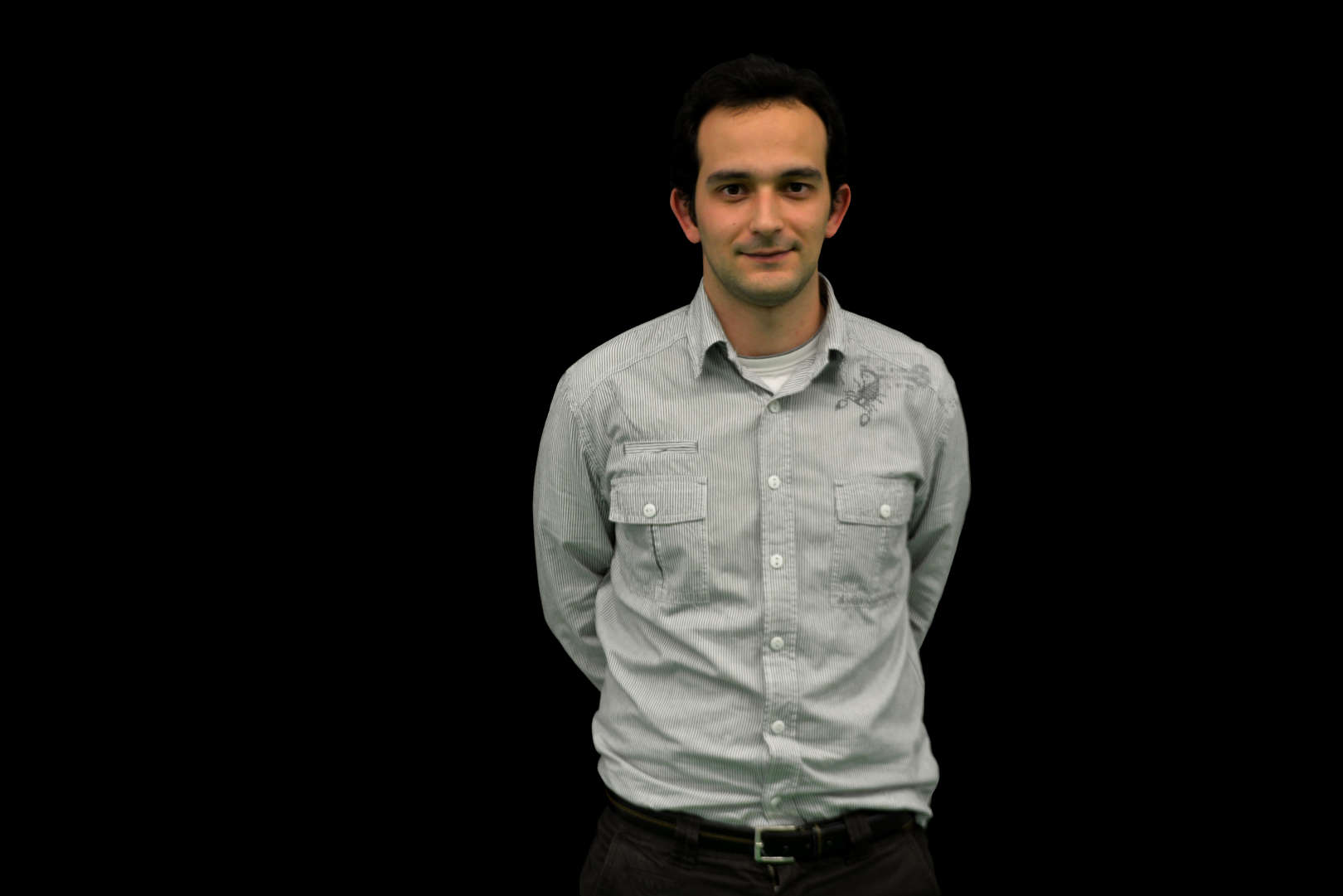
Professor Hanspeter A. Mallot is a distinguished academic in the Department of Biology within the Faculty of Mathematics and Natural Sciences at Eberhard Karls University Tübingen. Appointed Professor of Cognitive Neuroscience in 2000, he leads research in spatial cognition, computational neuroscience, and vision processing. His work bridges biological and artificial systems, exploring how humans and robots navigate and perceive spatial environments. Dr. Mallot received his PhD from the Faculty of Biology at the University of Mainz, Germany, in 1986. Following his doctoral studies, he held prestigious postdoctoral and research positions at the Massachusetts Institute of Technology, Ruhr-University Bochum, the Max Planck Institute for Biological Cybernetics in Tübingen, and the Institute for Advanced Study in Berlin. Professor Mallot's research primarily focuses on spatial cognition in humans and robots. His laboratory employs behavioral experiments in virtual reality, eye-movement recordings, and simulated agents in both hardware and software environments. His work spans computational neuroscience, cognitive science, and robotics, with particular emphasis on how visual information is processed for navigation and spatial orientation. His research has significant implications for both understanding human cognition and developing more sophisticated artificial navigation systems. His publication record demonstrates consistent contributions to the fields of spatial cognition and computational neuroscience. Over the past decade, his research has increasingly integrated neuroscientific approaches with computational modeling, exploring topics such as path integration, visual homing, spatial memory systems, and the neural basis of navigation. His work often bridges multiple disciplines, combining insights from psychology, neuroscience, computer science, and robotics to develop comprehensive models of spatial cognition. Professor Mallot serves on the editorial board of "Spatial Cognition and Computation" and the "Neuroscientific Society" (NWG). He has previously held leadership positions as president of the European Neural Network Society (ENNS) and the German Society for Cognitive Science (GK), and served on the Neuroscience review panel of the German Research Foundation. He currently leads several major research initiatives including EU Strep CURVACE, the DFG Research Training Group Bioethics, the Center for Integrative Neuroscience (CIN), and the Bernstein Center for Computational Neuroscience Tübingen (BCCN). These projects reflect his interdisciplinary approach, combining neuroscience, cognitive science, and computational modeling to address fundamental questions about spatial cognition. Professor Mallot has established several notable research laboratories and teams focused on spatial cognition and computational neuroscience. His work has been supported by prestigious funding bodies including the European Union and the German Research Foundation (DFG). His research group collaborates extensively with other institutions across Europe, particularly on projects related to robot navigation and spatial cognition in virtual environments.