Tarini Singh is a post-doctoral researcher at the University of Trier, affiliated with the Department of Cognitive Psychology and Social Psychology within Faculty I. Her work is supported by a German Research Foundation (DFG) project investigating affective learning processes. She holds a Ph.D. from the University of Trier (2018) and master's and bachelor's degrees in psychology from Martin-Luther University Halle-Wittenberg and Goa University. Educations: Ph.D. (2018) University of Trier, M.A. Applied Sports Psychology (2014), B.A. Psychology (2009) Her research focuses on perception-action planning, feature binding mechanisms, stress effects on cognitive processes, and evaluative conditioning. Key themes include distractor-response binding, attention modulation, and the neural underpinnings of cognitive control. Her publications emphasize cognitive load effects on binding processes, stress impacts on distractor interference, and the role of brain regions like the prefrontal cortex in interference control. Talks/posters highlight experimental work on temporal attention and motor processes in binding effects.
Dr. Joshua Haworth is an Assistant Professor of Exercise Science at Oakland University's School of Health Sciences, where he also serves as Coordinator of the OPA Program. He holds a Ph.D. in Biomechanics and Motor Development from the University of Nebraska Medical Center, and M.S./B.S. degrees in Exercise Science from Miami University. His research focuses on sensorimotor integration mechanisms underlying human behavior, using eye-tracking, motion capture, and posturography to study balance control during daily activities. Key areas include identifying early clinical indicators of disorders (e.g., diabetes-related neuropathy) and developing novel therapies. Collaborations span chiropractic science, pediatric rehabilitation, and autism spectrum disorder research. Recent work emphasizes postural stability deficits in type 2 diabetes patients, effects of alcohol warning labels, and biomechanical adaptations in sports/athletic populations. His Balance Tracking System (BTrackS) innovations aim to improve clinical assessment methodologies. Professional memberships include the American Society of Biomechanics, American College of Sports Medicine, and International Society for Biomechanics in Sport. Current projects explore motor skill development in children with autism and postural strategies during crutch use.
Deirdre Birtles is a Teaching Professor in the Department of Psychology at Royal Holloway, University of London. Previously, she held research positions at UCL/University of Oxford and the University of East London. Her academic roles include teaching and supervising undergraduate and postgraduate students in areas such as psychological research, clinical psychology, and forensic psychology. Dr. Birtles completed her PhD research focusing on postural control and risk factors for falling in older adults. She has since conducted postdoctoral research in developmental visual neuroscience and visuomotor control, particularly in children with developmental disorders. Her research interests span lifespan development, developmental disorders, and motor control. Key areas include wellbeing in older adults, perceptual-motor behavior in children with Down syndrome, and outcomes for children born preterm. She also explores the application of creative arts training to enhance cognitive and motor development in preschoolers. Birtles' recent research focuses on retirement transitions, infant visual scanning dynamics, and motor skill development in children with cerebral palsy. Her work combines qualitative and quantitative methodologies, contributing to fields such as gerontology, developmental psychology, and pediatric rehabilitation. In addition to her research, she supervises final-year and MSc projects in clinical and forensic psychology. Her teaching includes undergraduate courses on psychological research methodologies. While no grants are explicitly listed, her work aligns with UN Sustainable Development Goals related to health and well-being. Her research collaborations include work with the Visual Development Unit (UCL/University of Oxford) and the DClinPsych programme at the University of East London.
Alberto Mazzoni is an Associate Professor and Head of the Computational Neuroengineering Lab at the BioRobotics Institute of Scuola Superiore Sant'Anna. His work focuses on neural engineering, motor disorders, and neuroprosthetics. Key affiliations include collaborations with GALVANI and the NEBIAS project. Education: PhD in Neurobiology (2007, SISSA/ISAS), MSc in Theoretical Physics (2002, University of Pisa). Post-doctoral research included roles at the Institute for Scientific Interchange (Torino) and Istituto Italiano di Tecnologia. Research interests center on basal ganglia dysfunction in Parkinson's and dystonia, sensory processing in neuroprosthetics, and computational models of neural systems. Notable projects include DBS efficacy studies, stroke recovery prediction, and Alzheimer's disease modeling. His lab develops bioelectronic solutions for movement disorders and sensory restoration. Collaborations span clinical neuroscience, robotics, and neuromorphic engineering. Over 100 peer-reviewed publications demonstrate expertise in neural dynamics, computational modeling, and translational neurotechnology. Grants and funding support work on neuroprosthetics, cognitive decline prediction, and personalized brain modeling. Ongoing efforts explore machine learning applications for early disease detection and adaptive neural interfaces.
Anne Sophie Champod is a Professor at Acadia University with affiliations as Adjunct Professor at Dalhousie University’s Department of Psychiatry and Department of Psychology & Neuroscience. She is a Registered Clinical Psychologist and affiliated scientist at Nova Scotia Health Authority, focusing on cognitive neuroscience, neuropsychology, and health psychology. Education: B.Sc. in Psychology from Université de Montréal, Ph.D. in Clinical Psychology from McGill University, and clinical internship in neuropsychology at University of Manitoba. Her research integrates cognitive neuroscience and clinical practice, particularly in stroke rehabilitation and chronic pain management. Key projects include developing game-like prism adaptation procedures for spatial neglect, investigating cognitive predictors of stroke outcomes, and exploring exercise’s effects on chronic pain and brain function. Her publications span topics from prism adaptation techniques to mindfulness interventions and hypoxia effects on memory. Awards received by her students, such as Canada Graduate Scholarships and Heart and Stroke Foundation grants, highlight her mentorship impact. She leads an active lab accepting honours, graduate, and volunteer students, emphasizing interdisciplinary collaboration between research, teaching, and clinical work.
Dr. Amy Washington is a Senior Lecturer in Counselling Psychology at the School of Psychological Sciences, University of Tasmania. Her research focuses on sensory processes, perception, and health psychology, with a particular emphasis on psychophysiological responses and clinical applications in mental health conditions like schizophrenia. Education: PhD in Psychology (2009, University of Tasmania), with a thesis titled *Psychological and psychophysiological reactions to personal violation*. Research Interests: Dr. Washington investigates sensory and perceptual mechanisms in health psychology contexts. Her work explores how sensory processes (e.g., visual motion perception) are impaired in schizophrenia and other clinical populations, contributing to clinical diagnostics and therapeutic strategies. She employs psychophysiological methods to study stress responses and trauma-related behaviors. Research Trends: Her publications (2003–2009) highlight consistent focus on schizophrenia’s neurological underpinnings, using eye movement studies to uncover hidden deficits in visual perception and motor control. This work bridges clinical psychology and neuroscience, offering insights into symptomatology and treatment. Service & Engagement: She has participated in public discourse on mental health, including a 2001 media interview on Bulimia Nervosa.
Diego Nascimento is an Assistant Professor in Statistics at NEOMA Business School. His research focuses on statistical modeling, machine learning, spatio-temporal dependencies, and data visualization, with applications in supply chain management, neurosciences, and industrial projects. He has published in top-tier journals like the Journal of the Royal Statistical Society Series C and Pattern Recognition , collaborating with companies in South America and healthcare institutions. His work bridges theoretical statistics with practical industry challenges, emphasizing Bayesian methods and dynamic models. Key research areas include spatio-temporal modeling, neural data analysis, and optimization techniques. Recent studies involve clinical trials on transcranial stimulation effects and predictive analytics for supply chains during the pandemic. He actively contributes to interdisciplinary projects, combining statistical rigor with real-world applications in healthcare and environmental monitoring. Award-winning research includes advancements in imbalanced classification, safety-stock prediction, and entropy analysis in clinical trials. His collaborative projects reflect a commitment to both academic innovation and industrial relevance, with ongoing work in neuroimaging and supply chain resilience.
Sylvain Durand Chamontin serves as an Associate Professor at INSA Strasbourg, affiliated with the ICube research laboratory (UMR 7357) and the AVR (Automation, Vision, Robotics) team. His teaching encompasses advanced automation (anti-windup, Smith predictor, LQ control), embedded systems/IoT, motorization/axis control, linear automation (state feedback, observers), and sequential automation (GRAFCET, GEMMA) for electrical engineering, mechatronics, and mechanical engineering students across 2nd–5th year programs. His research centers on frugal design and control of embedded cyber-physical/robotic systems under resource constraints, with a dedicated focus on non-periodic sampling and event-driven techniques . Key domains include event-driven control architectures, dynamic vision sensor-based visual servoing, aerial robotics (UAVs/aerial manipulators), and swarm robotics. This work systematically reduces computational load, communication overhead, and energy consumption while maintaining robust performance in resource-limited environments—critical for embedded implementations in drones and cyber-physical systems. Analysis of Durand's 15 most recent publications (2022–2025) reveals a dominant trend in event-driven control for robotics, increasingly integrating machine learning for adaptive tuning. His work targets practical applications in aerial robotics, including UAV stabilization under ground effects, elastic-suspension aerial manipulation, and event-based visual servoing. A strong emphasis on frugality permeates techniques like non-periodic sampling and resource-aware control strategies, directly addressing hardware limitations in embedded platforms. Durand mentors award-winning PhD students including M. Pivert (Best Student Paper Award, IFAC Robotics 2025), T. Paul (i-PhD Innovation Contest 2022), and A. Yiğit (Best PhD Award in French Robotics 2021). He leads multiple ANR-funded projects: e-VISER (event-driven visual control, 2018–2021), DexterWide (cable robots, 2015–2018), and current initiatives eSWARM (modular UAVs, 2023–2025), muteSWARM (acoustic swarm control, 2023–2027), STRAD (street art drone, 2022–2026), TIR4sTREEt (urban micro-climatology, 2022–2026), and dark-NAV (GPS-denied navigation, 2021–2025). Within ICube's AVR team, Durand drives laboratory development of the dextAIR robot (omnidirectional aerial manipulator with elastic suspension) and embedded control systems for cable-driven parallel robots and swarm robotics. His experimental work emphasizes real-time implementation, energy efficiency, and frugal engineering principles—translating theoretical event-driven control into hardware solutions for resource-constrained robotic applications.
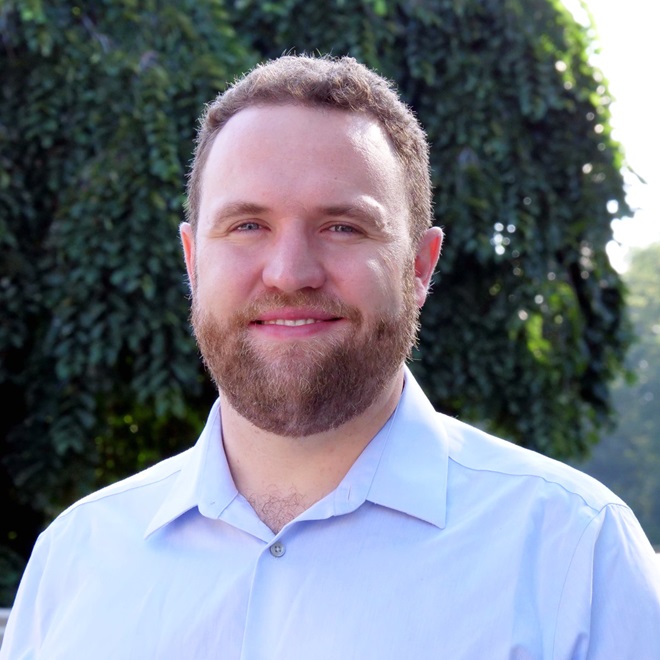
Sanna-Kaisa Herukka, MD, PhD, is Research Director at the Institute of Clinical Medicine, School of Medicine, Faculty of Health Sciences, University of Eastern Finland. A neurologist and neuroscientist, she leads the Biomarkers for Neurological Disorders group and several multi-disciplinary research teams focusing on fluid biomarkers in Alzheimer’s disease and related dementias. Education MD, University of Eastern Finland, 2011 PhD (Neurosciences), University of Eastern Finland, 2009 MSc (Applied Biotechnology), University of Eastern Finland, 2008 Research Focus Herukka’s work centers on the discovery, analytical validation, and clinical implementation of cerebrospinal fluid and blood-based biomarkers for early detection and differential diagnosis of neurodegenerative diseases. She has particular expertise in Alzheimer’s disease, mild cognitive impairment, frontotemporal lobar degeneration, and idiopathic normal-pressure hydrocephalus. Her team integrates proteomics, metabolomics, neuroimaging, and machine-learning approaches to improve diagnostic accuracy and prognostic stratification. Scientific Output & Trends Across more than 220 peer-reviewed publications, her recent work (2018-2025) demonstrates a clear emphasis on synaptic proteins, phosphorylated tau species (especially p-tau217), neurofilament light chain, and multimodal biomarker panels. Collaborative multinational studies (e.g., Nature Medicine 2025, JAMA Neurology 2022) highlight reproducible biomarker signatures that predict cognitive decline and therapeutic response. Grants & Collaborations She has received continuous competitive funding from the Academy of Finland, EU Joint Programme – Neurodegenerative Disease Research (JPND), and industry partnerships. Current consortium grants support the TWINGEN cohort, FinnGen clinical recall studies, and the UEF Brain Research Unit 2.0 infrastructure. Labs & Teams Herukka directs the UEF Biomarker Laboratory within the Brain Research Unit, which provides ISO-accredited CSF and blood biomarker analyses for academic and clinical trials across Europe. She also co-chairs the Clinical Alzheimer Research group and the NPH & Early AD program, integrating neurosurgery, neurology, and radiology expertise.
Margarita Vinnikov is an Assistant Professor in the Department of Informatics at the New Jersey Institute of Technology (NJIT), part of the College of Computing Sciences. Her research focuses on immersive technologies such as Virtual Reality (VR) and Augmented Reality (AR), with applications in medical assistance, education, and human-computer interaction. She explores topics including gaze-contingent displays, visual fatigue mitigation, and the integration of VR into surgical training and K-12 education. Her work emphasizes user-centered design principles and interdisciplinary collaboration. Notable collaborations include studies on AR surgery assistance using HoloLens and VR-based ontology systems for biomedical education. Her research has been featured in media coverage related to VR crime scene technology, forensic conferences, and AI in education. Key research interests include improving spatial attention through multimodal displays, optimizing visual comfort in head-mounted devices, and leveraging VR for cognitive learning efficiency. Recent projects highlight the application of VR in teaching binary counting to middle school students and analyzing urban devotion through gaze-tracking studies. Vinnikov has advised undergraduate projects on interdisciplinary VR development and contributed to courses like IT 485: Cross Reality (XR) Design. Her work frequently intersects with medical technology, such as AR anatomical visualization for surgical support, and human factors engineering, including studies on quadcopter piloting latency effects.
Dr. C.J. Brush is an Assistant Professor in the Department of Movement Sciences at the University of Idaho, within the College of Education, Health and Human Sciences. He holds a Ph.D. in Kinesiology & Applied Physiology from Rutgers University and completed postdoctoral training in Clinical Psychology and Neuroscience at Florida State University. His research focuses on understanding interactions between health behaviors (e.g., physical activity, sleep) and cognitive-affective vulnerability factors related to depression across the lifespan. Education: Ph.D., Rutgers University (2019); B.S., Rutgers University (2014). Research interests include exercise and health psychology, psychophysiology, and psychopathology. He employs multidisciplinary methods such as self-reports, interviews, and both behavioral and psychophysiological measures. Key projects examine how health-oriented behaviors influence risk for psychopathology and how exercise interventions impact cognitive and emotional functioning in individuals with depression. Selected awards include the Ruth L. Kirschstein NRSA Postdoctoral Fellowship and the Regional Doctoral Scholar Award from the American Kinesiology Association. His work is published in top-tier journals like Neuroimage and Biological Psychiatry . His research also explores age-related effects, including cognitive function in older adults and neural responses in adolescents. Collaborations involve labs like the Biomechanics Lab (ISMMAL) and Human Performance Laboratory at the University of Idaho.
Benjamin Kunz is an Associate Professor in the Department of Psychology at the University of Utah , within the College of Arts and Sciences . He serves as Director of Undergraduate Programs in Psychology and teaches courses in Experimental Psychology, Human Factors, Virtual Reality, and Sensation/Perception. Education: Ph.D. in Cognitive Psychology (University of Utah, 2010) Research Interests focus on visual perception , embodied cognition , and motor simulation in virtual environments. His work explores how body-based information influences spatial perception and action planning, particularly in VR contexts. Recent Publications (2006–2019) examine topics like LED anti-collision lighting , spatial updating during locomotion, perceptual-motor calibration , and mental simulation mechanisms . These studies integrate psychological theory , neuroscience , and human factors engineering . Scientific Recognition: Milestone Book Selection (2017) Dr. Kunz's work bridges basic research on perception-action coupling with applied VR studies , emphasizing the interplay between visual cues , motor planning , and cognitive simulation .
Philip Parker is an Assistant Professor in the Department of Psychology at Rutgers University. His research focuses on understanding how neural circuits in the brain contribute to natural visual behaviors by integrating action and sensory processes. He employs ethological paradigms, high-density neural recordings, and optogenetic techniques to study visual processing in freely moving animals, aiming to bridge gaps in models of neurological disorders. His research emphasizes the interplay between sensory input and motor output, particularly in contexts resembling real-world conditions. Key themes include neural basis of spatial navigation, sensorimotor integration, and synaptic development. The lab promotes inclusivity and supports underrepresented groups in scientific careers. Recent work highlights advancements in understanding visual cortex dynamics, thalamostriatal synapse remodeling in Parkinsonian models, and the role of molecular factors like nectin-3 in synaptic formation. Research spans behavioral neuroscience, systems neuroscience, and translational approaches for neurodegenerative therapies.
Maura McGrail is a Professor and Associate Chair for Research in the Department of Genetics, Development and Cell Biology at Iowa State University (ISU). She holds a B.S. in Biochemistry from the University of Massachusetts, Amherst (1988) and a Ph.D. in Molecular, Cellular, Developmental Biology, and Genetics from the University of Minnesota (1996). Her postdoctoral training included roles at the University of California-San Diego, Myriad Genetics, and the Huntsman Cancer Institute at the University of Utah. Her research focuses on brain development and disease using zebrafish genetic models , with a particular emphasis on CRISPR genome editing technologies. Key projects include developing Cre/loxP systems for cell-type-specific gene knockout and lineage tracing, investigating neural progenitor cell division symmetry, and creating resources for conditional genetic studies. Her NIH-funded work (R24 OD020166 and R24 OD036201) supports the Zebrafish Community Cre/lox Resource , enabling researchers to study developmental and disease mechanisms. Recent research highlights include studies on Stat3-mediated neurodegeneration, Rbbp4’s role in neural progenitor survival, and the development of the GeneWeld method for targeted genome editing. McGrail’s lab collaborates widely, contributing to advancements in CRISPR tools and zebrafish genetic resources. Future work aims to expand applications of these technologies to study human health and disease.
Professor Thomas Fritz is a Group Leader in the Department of Neurology at the Max Planck Institute for Human Cognitive and Brain Sciences in Leipzig, Germany. His research focuses on music-evoked brain plasticity, neurocognition of music, and the application of music in rehabilitation and clinical settings. He holds a Visiting Professorship for Empirical Music Research at Ghent University since 2015. Education includes a diploma thesis on emotion and music at the Max Planck Institute for Neuropsychology, a PhD collaboration at the Max Planck Institute for Human Cognitive and Brain Sciences, and an MFA in interface design and new media. His work bridges neuroscience, musicology, and technology, with a focus on music's impact on emotion, motor control, and cognitive performance. Key research interests include the neural mechanisms underlying music perception, the therapeutic potential of music in rehabilitation (e.g., Jymmin® system), and the cross-cultural and evolutionary origins of music. He has conducted studies on music's effects in diverse populations, including patients with chronic pain, elderly individuals, and those with Parkinson’s disease. Publications emphasize innovative applications of music feedback in exercise and rehabilitation, neuroplasticity induced by musical engagement, and the physiological correlates of musical emotion. His interdisciplinary approach integrates neuroscience, engineering, and clinical practice to advance therapeutic interventions and cognitive enhancement techniques.