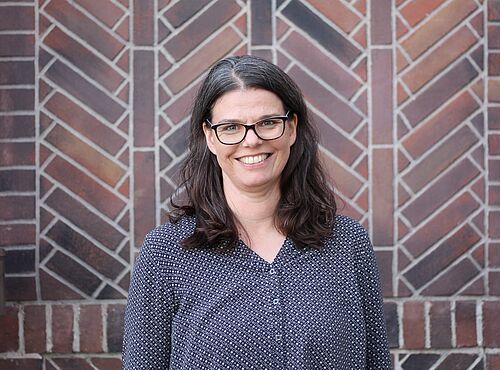
Marcus Hedblom is a Professor in Landscape Management at the Swedish University of Agricultural Sciences (SLU) in Uppsala, Sweden. His academic career focuses on the intersection of urban ecology, landscape management, and human well-being, with extensive research on how people interact with and benefit from urban green spaces. Professor Hedblom's research interests span several interconnected domains related to urban environments and human-nature interactions. His primary focus areas include urban ecology and biodiversity conservation in cities, landscape management for recreational purposes, and the psychological benefits of nature exposure. He has made significant contributions to understanding soundscape perception in urban forests, children's interactions with natural environments, and the development of nature-based interventions for health and well-being. His work often employs multisensory approaches to studying how visual and auditory elements of landscapes affect human experiences and stress recovery. The trends in Professor Hedblom's recent publications (2023-2025) reveal a strong emphasis on practical applications of landscape research. His work increasingly focuses on design frameworks for multifunctional green spaces, particularly those serving children's developmental needs through nature-based play environments. He has developed innovative approaches like the Contemplative Landscape Model for assessing therapeutic outdoor settings and has conducted cross-continental studies on urban wildlife adaptation. His research consistently bridges ecological science with social science perspectives, examining how landscape characteristics correlate with human perceptions and behaviors in urban settings across different cultural contexts. Professor Hedblom has contributed extensively to the understanding of urban bird ecology, particularly how species like house sparrows adapt their vocalizations to urban noise environments. His work on "play biotopes" represents a significant practical application of ecological principles to landscape design, creating synergistic environments where children's development and ecological functions reinforce each other. Recent publications also address the challenges of balancing traditional lawn maintenance with more sustainable alternatives in the face of climate change.